


Geometric Sphynx Cat Wall Art
The Painting Sphinx Cat Geometric captures the fascinating essence of the most enigmatic feline in a striking contemporary style. This artistic collection celebrates the unique beauty of the Sphynx through angular shapes and refined visual compositions. Perfect for lovers of modern cat wall decoration, it transforms every space into a refined gallery. The combination of feline grace and geometric aesthetics creates a captivating and timeless Sphynx cat minimalist art .
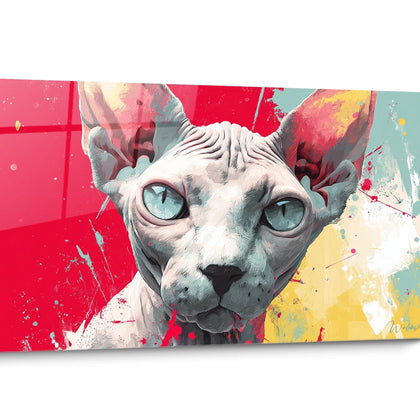
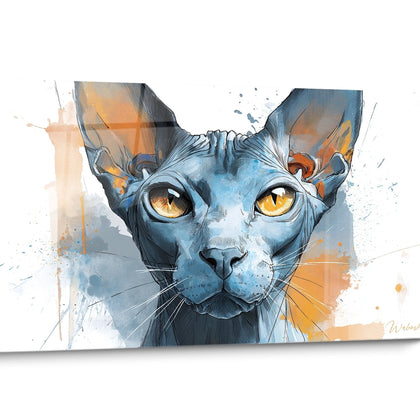
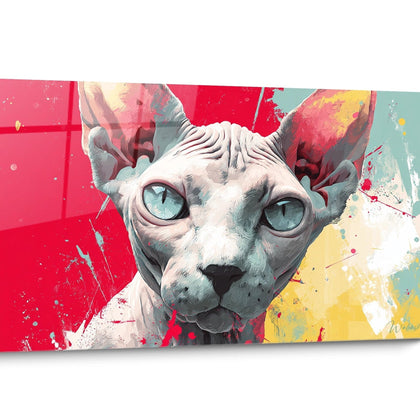
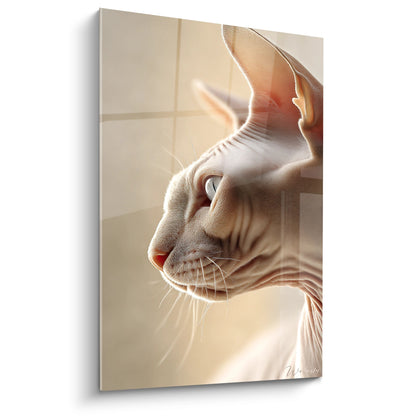
 Geometric Sphynx Cat Painting - Modern Elegance - Sphynx Cat Edition273,90 €
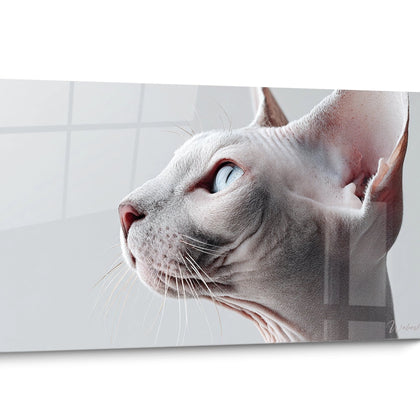
 Geometric Sphynx Cat Wall Art - Modern Portrait - Sphynx Cat Edition273,90 €
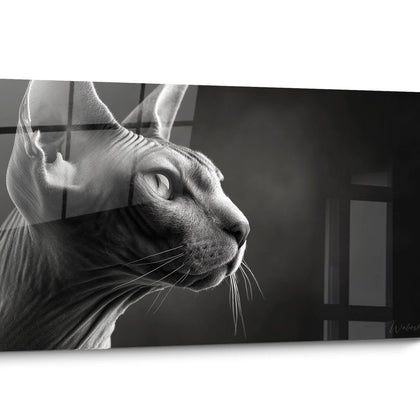
 Sphynx Cat Seated Wall Art - Modern Geometric Portrait - Sphynx Cat Edition228,90 €
 Geometric Sphynx Cat Painting - Abstract Modern Art - Sphynx Cat Edition228,90 €
All about Geometric Sphynx Cat Wall Art
- Geometric Sphynx Cat Wall Art Presentation
- Angular Composition & Aesthetic
- Modern Architecture & Minimalism
- Visual Impact & Contemporary Design
The geometric Sphynx cat wall art is a contemporary mural artwork that transforms the singular anatomy of this hairless feline into a composition of structured shapes and precise lines. This artistic interpretation exploits the naturally angular silhouette of the Sphynx to create a refined representation where triangles, polygons, and rectilinear segments assemble into a sophisticated visual mosaic. Ideal for contemporary architectural interiors, this large-scale mural piece integrates perfectly into spaces that value graphic design and expressive minimalism. Unlike classical feline representations, this geometricized interpretation elevates the atypical contours of the hairless cat into a formal deconstruction that engages with modern architecture. Perfect for design studios, rehabilitated industrial lofts, or minimalist residences, this imposing mural piece becomes an architectural focal point in its own right, amplifying spatial perception while asserting a resolutely contemporary decorative identity.
Formal Deconstruction of the Hairless Feline into Angular Structures
The geometric Sphynx cat wall art completely reimagines the visual approach to this exceptional feline by fragmenting its distinctive morphology into precise polygonal facets. This representation method transforms each skin fold, each characteristic body curve of the Sphynx into calculated angular segments that reconstruct the animal in a crystallized and architectural version.
Why does Sphynx morphology lend itself particularly well to geometricization?
The absence of fur reveals prominent musculature and pronounced bone contours that naturally provide ideal anchor points for geometric decomposition. The large triangular ears, angular cheekbones, and athletic body structure of the Sphynx already create a formal foundation that the artist amplifies by superimposing layers of geometric shapes. This approach valorizes the raw aesthetic of the hairless cat by visually reinforcing its sculptural presence.
Chromatic Assembly through Contrasting Polygonal Zones
The geometric technique applied to the Sphynx exploits flat areas of color delimited by sharp edges, creating tonal contrasts that accentuate the three-dimensional depth of the composition. Zones of shadow and light no longer blend gradually but articulate in distinct chromatic blocks — slate gray, warm beiges, deep ochres — that visually segment the feline anatomy while preserving its immediate recognition.
This color fragmentation generates a contemporary mosaic effect particularly suited to interiors with marked architectural lines. To complement this angular aesthetic in your feline décor, explore the compositions of geometric Sphynx cat wall art that offer other stylistic interpretations of this singular feline.
Visual Dynamics through Directional Lines and Formal Tensions
The geometric segments do not organize randomly but follow directional lines that guide the viewer's gaze through the mural composition. Diagonals create kinetic energy, verticals bring stability and monumentality, while horizontals suggest balance and serenity. This orchestration of formal vectors transforms a static representation into a dynamic visual experience, amplifying the decorative impact in circulation spaces or open-plan living areas.
Architectural Integration in Refined Contemporary Spaces
The geometric Sphynx cat wall art functions as an organic extension of modern interior architecture, establishing a formal dialogue with the structural elements of the space. Its composition based on pure forms resonates particularly in environments where exposed concrete, glass, brushed steel, and refined surfaces predominate.
How does this geometric representation amplify spatial perception?
Installed in an imposing format on a main wall, this artwork creates visual vanishing lines that extend or deliberately contradict existing architectural axes. The geometric edges of the Sphynx can align with window frames, exposed beams, or spatial divisions, creating global formal coherence that unifies the space. Conversely, an oblique orientation of the polygons generates a stimulating creative tension that breaks the monotony of the perpendicular lines omnipresent in contemporary architecture.
Interaction with Directional Architectural Lighting
The angular facets of the Sphynx representation capture and reflect light differently depending on their orientation and hue. Zenith or lateral lighting intensifies the contrasts between light and dark polygons, creating intensity variations that evolve throughout the day. This light modulation transforms the piece into a living element that dialogues with natural and artificial lighting in a sophisticated manner.
Track lighting systems allow for selective emphasis on certain areas of the geometric composition, creating modifiable visual hierarchies according to the desired ambiance. If you seek contrasting stylistic treatments, discover the timeless elegance of black and white Sphynx cat wall art that offers a complementary tonal approach.
Compatibility with Structured Line Furniture
This geometric representation naturally harmonizes with contemporary furniture characterized by cubic forms, tubular metal legs, and flat surfaces without ornamentation. Modular sofas, geometric coffee tables, and asymmetrical shelving find in this monumental mural piece a formal echo that unifies the entire decorative ensemble. The geometricized feline presence adds a calculated organic dimension that tempers the potential coldness of industrial materials while maintaining rigorous stylistic coherence.
To extend this Sphynx theme from other artistic angles, the Sphynx cat Pop Art wall art offers a striking chromatic alternative while maintaining a structured graphic approach.
Visual Power and Decorative Sophistication of the Geometricized Feline
The decorative impact of the geometric Sphynx cat wall art rests on its capacity to transform a familiar organic subject into an intriguing abstract composition. This duality between immediate feline recognition and progressive discovery of its formal construction generates lasting visual interest that avoids the perceptual fatigue of purely decorative works.
What is the psychological effect of an imposing geometric representation?
Organized geometric forms unconsciously convey notions of order, control, and rationality that positively influence spatial perception. Applied to a living subject like the Sphynx, they create a fascinating tension between calculated structure and animal vitality. This juxtaposition cognitively stimulates the observer while maintaining immediate decorative legibility, a rare balance in contemporary mural art.
Sophistication for Professional Spaces and High-End Residences
The monumental geometric wall art representing the Sphynx naturally asserts itself in the halls of creative companies, architecture offices, private galleries, or urban penthouses. Its intellectual dimension and contemporary execution signal an affirmed cultural positioning without falling into ostentation. This artwork becomes a conversation starter with visitors while demonstrating an understanding of current aesthetic codes.
Premium commercial spaces — design boutiques, automotive showrooms, contemporary fine dining restaurants — also use these geometric representations to immediately establish their sophisticated visual identity. If you explore different stylistic interpretations of the Sphynx, the Sphynx cat watercolor wall art offers a more organic alternative with chromatic fluidity.
Association with Other Sphynx Representations for Coherent Mural Collection
Creating a thematic mural ensemble around the Sphynx allows exploration of this exceptional feline under multiple stylistic facets. The geometric format harmoniously juxtaposes with contrasting artistic treatments: the Sphynx cat portrait wall art brings complementary realistic dimension, while the gold Sphynx cat wall art introduces a luxurious note that dialogues with the metallicized edges of the geometric version.
This evolutionary collection mural strategy allows for progressive décor adaptation based on acquisitions, creating a thematic personal gallery that affirms coherent passion without visual repetition. Large-scale geometric formats serve as primary visual anchors around which smaller or stylistically different compositions gravitate.
Does a geometric Sphynx cat wall art suit classical interiors?
This contemporary angular representation creates a bold contrast in traditional or classical interiors, generating a modernization effect through contrast. However, optimal decorative balance requires gradual transition rather than brutal rupture. Its optimal integration is realized in spaces already equipped with transition elements — mid-century furniture, design lighting — that facilitate dialogue between aesthetic eras.
How to position a large geometric Sphynx wall art piece to maximize impact?
The ideal location favors a clear wall without immediate visual competition, with minimum clearance of three meters allowing overall composition apprehension. Slightly decentered vertical positioning — with more space beneath the artwork than above — creates a valued ascending dynamic. Oblique viewing angles progressively reveal the geometric complexity during movement through the space.
Does the geometric Sphynx cat wall art adapt to neutral color palettes?
The geometric structure functions particularly well in monochrome or neutral-dominant environments (gray, beige, off-white) where it introduces formal complexity compensating for chromatic restraint. Internal tonal variations in the composition create sufficient visual richness without requiring saturated colors, allowing harmonious integration into Scandinavian or Japanese-influenced minimalist interiors.


