


Geometric Kayak Wall Art
The Kayak Geometric Painting embodies the perfect alliance between water sport and contemporary design. This modern geometric art work sublimates the elegance of the kayak through clean lines and captivating abstract shapes. Ideal for nature enthusiasts and lovers of minimalist graphic decoration, this painting brings a dynamic and refined touch to your space. Explore a unique artistic vision where geometry meets nautical adventure.
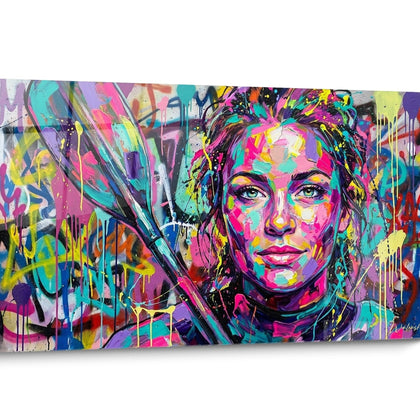
 Geometric Kayak Canvas - Paddler in Mosaic - Kayak Edition273,90 €
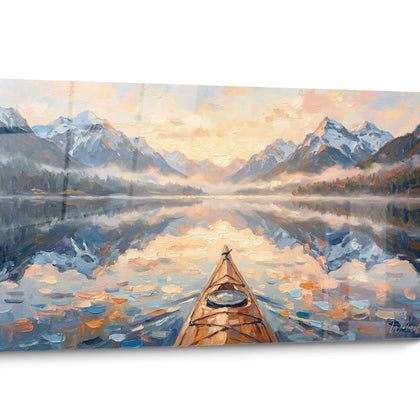
 Kayak Stained Glass Painting - Aquatic Mosaic - Kayak Edition273,90 €
 Stained Glass Kayaker Wall Art - Paddler on Golden Waters - Kayak Edition228,90 €
 Modern Kayak Wall Art - Turquoise Waves - Kayak Edition228,90 €
Explore further
In Geometric Kayak Wall Art



All about Geometric Kayak Wall Art
- Presentation Geometric Kayak Painting
- Aquatic geometric aesthetics
- Visual impact in large format
- Modern nautical decoration
The geometric kayak painting represents a bold fusion between the world of paddle sports and the structured art of clean shapes. This decorative category transforms the recognizable silhouette of the boat into a visual composition based on triangles, polygons and angular lines that completely redefine the traditional representation of aquatic scenes. Designed for paddle sports enthusiasts looking for contemporary wall decor, this artistic style brings an architectural dimension to maritime imagery while retaining the dynamic essence of navigation in calm or rough waters. Large-scale formats amplify the geometric effect by multiplying the visual facets that capture light differently depending on the angle of observation, creating an evolving work throughout the day.
Geometric Art Applied to Paddling Scenes
The geometric kayak painting completely reinvents the representation of light boats by breaking down their streamlined shape into precise angular segments. This artistic approach transforms the natural curvature of the hull into a succession of triangular facets that simultaneously evoke the modernity of industrial design and aquatic fluidity. Reflections on the water, usually rendered by smooth gradients, become contrasting color blocks, creating a visual tension between movement and structure.
Why choose a faceted representation for your nautical decor?
The geometric deconstruction of a kayak in action brings a conceptual sophistication that far exceeds classic photographic imagery. Each polygon becomes an element of spatial reflection, inviting the viewer to mentally reconstruct the navigation scene. This partial abstraction maintains the identifiability of the boat while introducing a visual complexity that considerably enriches the contemporary architectural environment. Lovers of Scandinavian or minimalist design find in this approach a perfect balance between natural reference and formal rigor.
Color composition in polygonal renderings
The palettes used in the geometric kayak painting often exploit saturated contrasts between deep blues evoking mountain waters and warm hues reminiscent of the paddler's equipment. This color segmentation allows to accentuate the spatial depth without resorting to traditional perspective techniques, each facet functioning as an independent plane in the overall composition. Large-format versions multiply these color zones, creating a visual mosaic that instantly energizes open living spaces or contemporary offices.
Connection with angular decorative styles
For those who already appreciate abstract kayak paintings in their decor, the geometric version offers a more marked structuring of the motif. Where pure abstraction completely dissolves recognizable forms, the geometric approach maintains a partial readability that effectively dialogues with furniture with straight lines and refined architectural layouts. This stylistic complementarity facilitates integration into coherent decorative ensembles where each element reinforces the overall visual rigor.
Monumental Impact of Imposing Formats in Geometric Decoration
The generous dimensions of a geometric kayak painting significantly amplify the architectural effect of the angular shapes. On an extended wall surface, each polygonal facet gains physical presence, transforming the pattern into a true spatial installation rather than a simple decorative element. The construction lines that structure the composition become visual vectors capable of redirecting the gaze throughout the room, creating reading axes that dialogue with existing architectural elements such as beams, columns or openings.
How do large geometric surfaces transform the perception of space?
An imposing format allows for the deployment of geometric complexity that is impossible to fully appreciate on a reduced dimension. The intersections between polygons, the subtle angular gradations and the partial symmetry games require a substantial surface to reveal all their sophistication. In a living room with a high ceiling or a loft space, this monumental scale creates a focal point that visually structures the entire layout, naturally guiding the placement of furniture and circulation.
Visual dynamics in professional spaces
Contemporary work environments seek decorative elements that stimulate creativity without distracting. The large-format geometric kayak painting perfectly meets this requirement by offering enough complexity to maintain visual interest while retaining a restful structural coherence. Meeting rooms, coworking spaces or executive offices particularly benefit from this graphic presence which simultaneously evokes outdoor adventure and professional precision.
Optimizing impact according to lighting conditions
The angular facets of a geometric rendering react differently depending on the orientation of natural or artificial light. An expansive format multiplies these zones of variable reflection, creating a changing spectacle over time. Installation facing a bay window or perpendicular to a side window radically changes the reading of contrasts between light and dark facets, offering several visual experiences of the same work depending on the lighting conditions.
Integration of the Geometric Kayak into Contemporary Nautical Decorative Universe
The geometric kayak painting completely redefines traditional maritime aesthetics by eliminating expected visual codes such as organic textures or naturalistic renderings. This stylistic break allows a nautical reference to be introduced into sophisticated urban interiors that would reject classic beach or sailboat imagery. Kayaking enthusiasts thus find an elegant way to affirm their attachment to this practice without compromising the visual coherence of a demanding contemporary interior.
What audience specifically seeks this type of representation?
Acquirers of kayak paintings are generally a double audience: on the one hand, regular kayakers or canoeists seeking an artistic celebration of their passion, and on the other hand, lovers of geometric art attracted by the subject as a pretext for a formal exploration. This convergence creates a particular market where the emotional dimension linked to the nautical activity combines with a purely aesthetic appreciation of the angular compositions. Interior architects specializing in Scandinavian or industrial atmospheres frequently recommend this type of work to humanize overly rigid spaces.
Decorative associations in living spaces
Successfully integrating such a piece requires considering the entire visual environment. Furniture with clean lines, exposed metal structures, and raw materials like polished concrete or brushed steel naturally echo the geometric facets. Loft spaces, converted workshops, or contemporary constructions with large openings are ideal settings where the formal rigor of the polygonal rendering harmoniously dialogues with the surrounding architecture.
Perceptual evolution and prolonged visual engagement
Unlike photographic representations that immediately reveal their complete content, the geometric composition invites progressive exploration. The eye successively discovers the different layers of construction, partial symmetries, and chromatic variations between adjacent facets. This perceptual richness maintains interest over time, the artwork revealing new structural details even after months of daily presence. For collectors seeking pieces with strong aesthetic longevity, this quality represents a determining acquisition criterion.
Would a geometric kayak painting be suitable for small living spaces?
Although generous formats better reveal the geometric complexity, an adapted version can perfectly energize a reduced space by creating an illusion of depth thanks to the angular vanishing lines. It remains important to maintain a sufficient viewing distance to appreciate the overall composition rather than the isolated facets.
How to maintain a large-format geometric kayak painting?
The smooth surface of the geometric renderings greatly facilitates maintenance by simply dusting regularly with a dry microfiber cloth. The absence of complex textures or pronounced reliefs prevents dust from accumulating in recesses, thus preserving the lasting sharpness of the chromatic contrasts between adjacent facets.
Does the geometric style of the kayak painting blend with a vintage decor?
This seemingly contradictory association works remarkably well by creating a dynamic temporal contrast. The formal rigor of the geometric rendering brings a visual freshness that prevents a vintage ensemble from appearing frozen, while antique furniture softens the potential coldness of the angles with their organic curves, creating a sophisticated aesthetic balance.


