


Forest Kayak Wall Art
The Kayak Forest painting captures the essence of adventure in the great outdoors. This collection celebrates the communion between peaceful water and majestic forest landscapes, offering a nature wall decoration that transforms your interior into a soothing refuge. Each work evokes the escape and tranquility of kayaking trips along tree-lined rivers. Perfect for lovers of forest adventure decor, this artistic set invites contemplation and travel.
 Kayak Enchanted Forest Canvas - Mystical Adventure - Kayak Edition273,90 €
 Kayak on Autumn River Painting - Golden Reflections - Kayak Edition273,90 €
 Kayak in Forest Painting - Enchanted River - Kayak Edition273,90 €
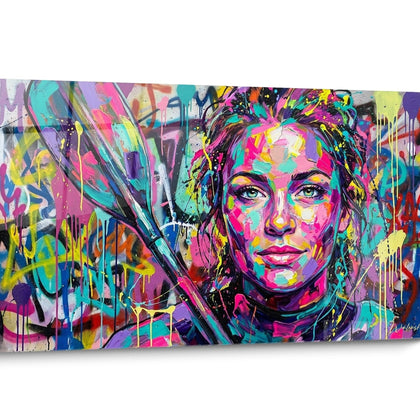

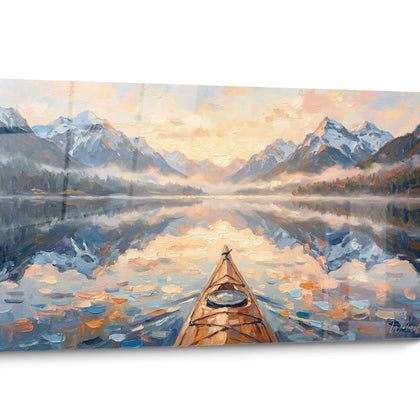


All about Forest Kayak Wall Art
- Kayak Forest Wall Art Presentation
- Natural Immersion
- Forest Atmospheres
- Water Escape
Discover the perfect alliance between water sports and wooded landscapes with a large-scale kayak forest wall art piece. This visual representation captures the essence of calm water routes bordered by lush vegetation, offering a window into these preserved natural sanctuaries. The combination of the fluid movement of the boat and the density of vegetation creates a balanced composition that immediately transforms the atmosphere of an interior space. These large-format murals recreate the soothing ambiance of deep-cut rivers and lakes surrounded by conifers, transporting the eye toward these green corridors where silent navigation becomes a form of active meditation.
The Art of Capturing Passages Through Shaded Waters
Large-format kayak forest wall art pieces excel at conveying the unique perspective offered by navigating at water level through wooded corridors. This particular vision, inaccessible from the shore, reveals the canopy closing above winding waterways, creating natural cathedrals of greenery. The interplay of filtered light passing through dense foliage generates changing patterns on the liquid surface, captured with precision in these large-dimension mural representations.
What atmosphere do forest reflections on water create?
The perfect symmetry between actual vegetation and its aquatic reflection constitutes the distinctive visual element of these compositions. Dark tree trunks mirror in calm water, visually doubling forest density and creating fascinating spatial depth. This natural duplication transforms each artwork into a hypnotic portal toward preserved environments where navigation becomes contemplative exploration. Color nuances evolve from the deep green of understory to the crystalline blue-green of shallow waters.
The emblematic routes represented in these mural creations
Canadian rivers bordered by maples and pines constitute privileged subjects, as do the mysterious bayous of the American South with their bald cypress emerging from water. Steep Scandinavian fjords, where rocky walls progressively become covered with birches and firs, also offer spectacular compositions. Some creations draw inspiration from tropical mangroves, where the kayak becomes the only means of exploring these aquatic labyrinths of aerial roots. For those who also appreciate less figurative works, abstract kayak wall art pieces offer a more conceptual interpretation of these aquatic environments.
Integration into rest and recovery spaces
Areas dedicated to rest after physical exertion particularly benefit from these soothing representations. Yoga studios, meditation rooms, massage spaces, and sports recovery zones find in these visuals an invitation to mental deceleration. The combination of the water element and vegetation density simultaneously activates multiple psychological relaxation mechanisms, naturally reducing cortisol levels. Generous dimensions allow total visual immersion, transforming a simple wall into an open window onto ecological sanctuaries.
How do these artworks influence spatial perception?
The linear perspective created by converging banks guides the eye toward a distant vanishing point, visually enlarging confined spaces. The natural curves of wooded meanders soften the rectilinear architecture of contemporary interiors. This visual dynamic creates an architectural breathing particularly precious in dense urban environments where natural connection is lacking.
Seasonal and Chromatic Variations of Wooded Aquatic Environments
A large kayak forest wall art piece allows exploration of the spectacular transformations these landscapes undergo throughout the seasons. Flaming autumn transforms riverbanks into explosions of orange, crimson red, and golden yellow, creating warm color palettes that visually warm interior spaces. This period offers striking contrasts between colorful foliage and dark waters reflecting this ephemeral spectacle.
Morning misty atmospheres captured visually
Mists floating above forest rivers at dawn create ethereal ambiances particularly sought after. These fog layers soften contours, create successive planes, and generate mysterious atmospheric depth. Water vapor suspends the grazing morning light, producing luminous halos around the boat and transforming trees into ghostly silhouettes. These specific weather conditions offer unique compositions where the boundary between water, air, and vegetation becomes deliberately blurred.
How to choose the forest tone suited to your space?
Northern coniferous forests generate dark atmospheres with deep blue-green tones, ideal for minimalist Scandinavian interiors or spaces requiring intense soothing atmosphere. Mixed temperate forests offer balanced chromatic diversity, alternating bright and shaded areas, perfect for multipurpose living spaces. Lush tropical environments present intense, saturated greens, accompanied by exotic touches of flowers or birds, energizing for creative or commercial spaces.
Winter representations, with their bare trees reflected in dark water and touches of snow on branches, create a refined graphic aesthetic particularly prized in contemporary interiors. These natural minimalist compositions emphasize tree structures and organic geometric patterns.
The psychological impact of different vegetation densities
Dense, impenetrable forests generate feelings of protection and intimacy, creating reassuring visual cocoons. More open passages, where sky appears widely between treetops, maintain a sensation of freedom and spaciousness. Compositions featuring light breaks in the canopy naturally attract the gaze and create dynamic focal points. This variability allows precise adjustment of the desired emotional impact based on the space's function.
Complementary elements enriching visual narrative
The discreet presence of aquatic or forest fauna enriches narrative depth without overloading the composition. Herons standing watch at water's edge, otters playing in the current, or deer drinking from the bank add secondary points of interest. Precise botanical details like water lilies, riverside ferns, or lichen on trunks strengthen naturalistic authenticity and captivate prolonged observation.
Transform Your Interior Into a Departure Point for Contemplative Expeditions
Installing a large-format kayak forest wall art piece amounts to visually anchoring a space in the slow adventure philosophy, an approach that prioritizes tranquil immersion in nature over athletic performance. These representations evoke multi-day expeditions where paddle rhythm synchronizes with that of the surrounding ecosystem, creating profound connection with natural cycles.
Why do these visuals seduce gentle adventure enthusiasts?
Kayaking in forest environments represents the archetype of human-scale travel, without motors or heavy infrastructure. This minimalist approach particularly resonates with generations sensitive to ecological footprint and experience authenticity. The artwork then becomes a visual manifesto of environmental values and a lifestyle seeking balance between modern comfort and natural reconnection. Imposing dimensions reinforce this escape aspiration by creating sufficient presence to visually compete with digital distractions.
Decorative associations amplifying the immersive effect
Integration of raw natural elements like driftwood, river stones, or water-sculpted branches creates multi-dimensional sensory coherence. Textured materials recalling bark, woven plant fibers, or raw mineral surfaces establish tactile dialogue with the visual. Neutral color palettes inspired by forest tones—stone gray, sandy beiges, bark browns—allow the artwork to dominate chromatically without visual competition.
Indirect lighting imitating filtered natural light reinforces depth illusion and respects the soft ambiance characteristic of underbrush. Hidden or side-oriented light sources avoid reflections while subtly emphasizing composition details. This architectural lighting approach transforms the artwork into an active architectural element rather than simple wall decoration.
How do these artworks integrate into professional spaces?
Company offices related to adventure tourism, outdoor equipment, or environmental services reinforce brand identity with these authentic visuals. Coworking spaces targeting freelancers seeking work-life balance create inspiring environments fostering creativity and well-being. Rehabilitation centers and mental health facilities leverage documented therapeutic properties of these natural aquatic representations.
FAQ
Is kayak forest wall art suitable for humid spaces like bathrooms?
Versions adapted with appropriate protections can indeed transform a bathroom into a natural spa, creating perfect thematic continuity with the water element. What matters is prioritizing formats resistant to ambient humidity to preserve visual quality over time.
What viewing distance does a large kayak forest wall art piece require?
For imposing formats, a minimum distance equivalent to 1.5 times the artwork's width allows optimal appreciation without perspective distortion. However, the visual depth integrated in these forest compositions also functions at close range, then revealing botanical details invisible from afar.
Do these kayak forest wall art pieces lose impact in small spaces?
Paradoxically, a large format in a small space creates a particularly powerful immersion effect, visually erasing architectural limits. The linear perspective of wooded aquatic corridors even perceptually enlarges confined volumes by creating substantial illusory depth.


