


Formula 1 Black and White Wall Art
Our Formula 1 Painting Black and White collection celebrates the fascinating world of motorsport with elegance and power. Each artwork captures the intensity of racing cars in action, immortalizing the iconic moments of motorsport. These monochrome car paintings sublimate speed, adrenaline and the legendary design of racing cars. Perfect for racing wall decorationenthusiasts, they bring sophistication and dynamism to your interior while celebrating the technical excellence of F1.
 Vintage Motorsport Painting - Speed and Passion - Formula 1 Edition273,90 €
 Formula 1 Race Start Painting - Sparks Racing - Formula 1 Edition273,90 €
 Cubist Formula 1 Single-Seater Painting - Speed and Geometry - Formula 1 Edition273,90 €
 F1 Single-Seater Painting - Pure Speed - Formula 1 Edition228,90 €
Explore further
In Formula 1 Black and White Wall Art

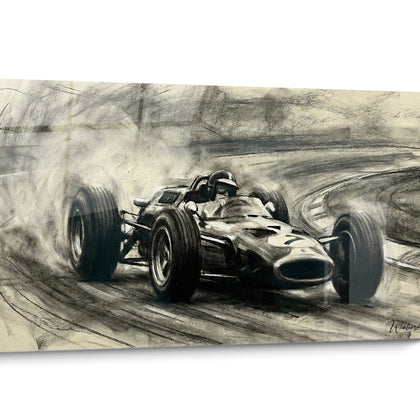
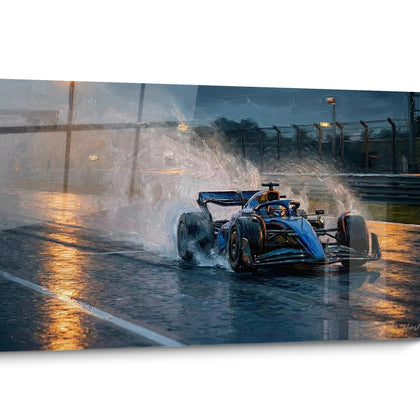


All about Formula 1 Black and White Wall Art
- Painting F1 Black and White Presentation
- Monochrome Aesthetics
- Racing Atmosphere
- Timeless Elegance
The Formula 1 black and white painting represents the perfect alliance between the world of motorsport and the elegance of monochrome. This decorative format captures the intensity of legendary circuits, the mechanical power of single-seaters, and the adrenaline of motorsport through a refined palette that transcends trends. Unlike colored representations, bichromatic treatment magnifies contrasts, highlights aerodynamic lines, and reveals technical details often masked by chromatic saturation. This minimalist visual approach is particularly suitable for contemporary spaces, professional offices, and masculine interiors seeking sophisticated sports decoration without ostentation. Collectors of automotive memorabilia prefer this aesthetic for its documentary character and discreet elegance that harmoniously integrates into various environments while asserting an authentic passion for automobiles.
The Visual Impact of Monochrome in the Automotive World
The black and white Formula 1 painting exploits the narrative power of contrast to reveal the soul of mechanical sport. This voluntary chromatic limitation amplifies metallic textures, carbon reflections, and oil splashes that constitute the tangible reality of the paddocks. Deep shadows dialogue with bright lights to create a natural dramatization, transforming each single-seater into a kinetic sculpture frozen in the decisive moment.
The carbon texture revealed by the absence of color
In a bichromatic treatment, the composite materials used in Formula 1 acquire an exceptional graphic presence. The characteristic weave of the carbon fiber becomes a decorative motif in its own right, creating a visual depth impossible to perceive in saturated polychrome representations. This material revelation particularly seduces technology enthusiasts who appreciate the industrial authenticity of motorsport.
Which legendary circuits enhance the monochrome format?
The legendary corners of Monaco, the tight chicanes of Singapore, and the long straights of Monza gain monumentality when represented in black and white. The architecture of the circuits, their metallic infrastructures, and their dizzying perspectives become the visual protagonists, while the absence of color unifies composition and subject in a remarkable aesthetic coherence.
The photographic heritage of historic races
The monochrome F1 painting draws on the visual tradition of great motorsport photographers from the 50s to 70s. This historical reference confers cultural legitimacy and narrative depth that transcends simple thematic decoration. Collectors perceive it as a tribute to the pioneers of mechanical sport, a continuity of aesthetics between the legends of yesterday and contemporary technological performances, thus creating a temporal bridge in their living space.
This documentary approach radically distinguishes the black and white format from modern Formula 1 paintings with saturated colors, offering a refined alternative for demanding interiors.
Create a Paddock Atmosphere in Private Spaces
How does black and white intensify the racing atmosphere?
The Formula 1 black and white painting recreates the concentrated atmosphere of the pit lane before the start, this electric tension where the technical team performs the final adjustments in a studious silence. The monochrome translates this professional intensity into the domestic environment, transforming an office or relaxation space into a focus zone inspired by the rigor of racing teams. The shades of gray evoke raw metal, precision tools and the high-tech environment of modern garages.
Adrenaline frozen in the photographic grain
Splashes of sprayed rubber during starts, suspended particles during sudden braking and speed distortions captured in bichrome create an explosive visual dynamic. This kinetic energy preserved in the static composition generates a magnetic presence in the room, constantly recalling the ultimate performance and self-transcendence characteristic of motorsport.
Masculine zones and spaces for automotive passion
Private garages, themed home cinemas and contemporary bar spaces find in the large-format monochrome F1 painting a structuring decorative element that unequivocally affirms an automotive identity. The chromatic sobriety allows for the accumulation of multiple representations without visual saturation, creating a veritable personal gallery around the passion for mechanics. The imposing dimensions of these wall representations transform a simple wall into a virtual grandstand overlooking the circuit.
Association with raw industrial materials
The black and white format naturally dialogues with brushed steel, polished concrete and black lacquered surfaces characteristic of industrial design. This material consistency creates coherent interiors where each element reinforces the overall automotive identity, transforming the habitat into a natural extension of the professional circuit universe.
The Timelessness of Black and White Versus Fleeting Trends
Why does monochrome cross decades without aging?
The Formula 1 black and white painting escapes the visual obsolescence that haunts representations with colored palettes. Historic Ferrari red or Williams blue liveries, magnificent in their temporal context, immediately locate the image in a specific era. The monochrome treatment dissolves this chronological anchoring, allowing a scene from the 2000s to coexist harmoniously with a contemporary representation in the same wall collection.
Chromatic neutrality at the service of lasting decorative value
Interior renovation cycles regularly impose changes in palette. A bichrome F1 painting instantly adapts to new wall tones, accompanying both immaculate white walls and deep anthracite surfaces. This versatility represents a durable decorative investment, eliminating costly replacements related to personal aesthetic evolutions or fleeting interior design trends.
Discreet elegance for professional environments
Offices of companies linked to the automotive industry, premium vehicle showrooms and corporate reception areas massively favor the monochrome format for its ability to express mechanical passion without compromising professional seriousness. This sophisticated sobriety communicates both technical expertise, refinement and attachment to performance, creating a visual identity consistent with the values of excellence and precision associated with Formula 1.
Evolving collection and harmonious accumulation
Unlike colorful representations that quickly compete visually, several large-scale black and white artworks naturally create a coherent gallery. This property encourages the progressive acquisition of different iconic scenes – legendary feats, triumphant celebrations, technical portraits of single-seaters – without risking decorative cacophony, allowing for the expression of a true, structured collector's passion.
FAQ - Frequently Asked Questions about the Formula 1 black and white artwork
Is a Formula 1 black and white artwork suitable for colorful interiors?
Absolutely, monochrome acts as a visual stabilizing element in environments with varied palettes. It absorbs and balances the surrounding tones without chromatic conflict, creating a graphic anchor point that structures the space rather than saturating it.
Does the black and white format diminish the emotional impact of the Formula 1 artwork?
Contrary to this common perception, monochrome amplifies emotion by eliminating chromatic distractions. Attention focuses on the driver's expression, the mechanical tension of the single-seater, and the dramatic composition, creating a more direct and universal emotional connection than spectacular but sometimes superficial colorful representations.
What advantages does the F1 black and white artwork offer for large spaces?
The imposing monochrome dimensions generate a monumental presence without visual aggression. In large volumes such as industrial lofts or double-height spaces, black and white creates powerful focal points that structure the space without fragmenting it, allowing for harmonious integration even over several meters of continuous wall surface.
L'art qui suscite l'envie
Maison belge d'art mural grand format
14 jourspour changer d'avis*
Protection Walenskyincluse
Fabriquéen Italie
FormatXXL
Kit de fixationtoujours fourni
* Hors tableaux personnalisés et tailles personnalisées


