


Vintage Formula 1 Wall Art
Our Formula 1 Vintage collection celebrates the golden age of motorsport with elegance and authenticity. Each creation captures the spirit of legendary Formula 1 circuits and pays homage to the legendary drivers of the retro years. These wall artworks transform your interior into a true temple of automotive passion, combining vintage aesthetics and the dynamism of exceptional racing cars. Perfect for collectors and motorsport enthusiasts, this artistic universe embodies the nostalgia of historic Grand Prix races and the adrenaline of iconic races.
 Vintage Motorsport Painting - Speed and Passion - Formula 1 Edition233,90 €
 Vintage F1 Paddock Painting - Race Preparations - Formula 1 Edition232,90 €
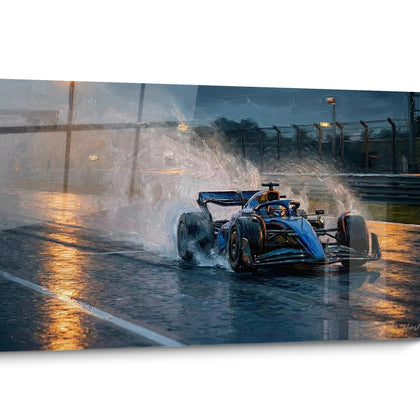
 F1 Racing Painting in the Rain - Vintage Atmosphere - Formula 1 Edition232,90 €
Explore further
In Vintage Formula 1 Wall Art




All about Vintage Formula 1 Wall Art
- Vintage Formula 1 Wall Art Presentation
- Retro Automotive Iconography
- Legendary Circuit Atmospheres
- Mechanical Passion Decoration
Vintage Formula 1 wall art captures the essence of motorsport's golden age, when racing machines roared across mythical circuits and drivers embodied unshakeable heroism. These large-scale mural creations celebrate an era when technology married human audacity, immortalizing iconic liveries, legendary helmets, and decisive moments that shaped F1 history. Perfect for reception areas, executive offices, or premium private garages, these artworks instantly transport viewers into the electrifying atmosphere of paddocks past. Their imposing format radically transforms a room's ambiance by creating a magnetic focal point that stimulates conversations around mechanical and sporting achievements.
The Golden Age of Single-Seaters and Mythical Drivers
A vintage Formula 1 wall art piece awakens nostalgia for the foundational decades of motorsport, from the 1950s through the 1980s, when artisanal teams rivaled each other with ingenuity despite limited budgets but boundless passion. These representations capture instantly recognizable silhouettes: the narrow tubular bodywork of Ferrari 312T, the blue-white-red liveries of Ligier JS, or the spectacular wings of Lotus 72. Each visual tells an era when drivers piloted without electronic assistance, when every corner threatened physical integrity, and when tire smoke saturated circuit atmospheres.
Emblematic liveries that defined racing teams
National colors and historic sponsors constitute the visual DNA of retro Formula 1. The blood-red of Italian single-seaters, racing British green, French blue, or German silver formed an instantly recognizable chromatic palette. Vintage F1 wall decorations showcase these pure graphic schemes, before the era of omnipresent logos, when a simple colored stripe sufficed to identify a team. Tobacco brands, motor oils, and tire manufacturers brought their distinctive visual identities, creating graphic compositions today prohibited but aesthetically fascinating. In an industrial loft or professional automotive space, these large-format wall arts recall a period when authenticity trumped calibrated marketing.
How historic single-seaters inspire contemporary aesthetics
The sleek proportions and exposed mechanics of these historical racing machines offer visual richness absent from today's sophisticated yet hermetic designs. An XXL wall art dedicated to historic Grand Prix reveals exposed suspensions, chromium exhaust headers, minimalist cockpits where the driver emerged almost entirely. These technical details become powerful decorative elements in refined masculine interiors, automotive showrooms, or themed coworking spaces. The opposition between mechanical fragility and brute power confers dramatic tension that captures attention durably, transforming an ordinary wall into a manifesto of a philosophy valuing authentic performance and courage.
Which legendary circuits deserve a place on your wall?
Monaco with its urban safety rails, Spa-Francorchamps and its dizzying Eau Rouge, Monza and its long straights bordered by century-old trees: each historic circuit possesses unique visual identity that retro Formula 1 wall art immortalizes. Aerial images of paddocks from that era, with canvas-covered trucks and mechanics in grease-stained overalls, contrast radically with today's sterile environments. For a discerning enthusiast seeking wall decoration combining automotive heritage and current aesthetics, these representations of vanished or transformed circuits add precious memorial dimension to daily surroundings.
Recreating the Electric Atmosphere of Historic Paddocks
The visual universe of a vintage Formula 1 wall art transcends simple representation of a racing car: it captures the atmosphere saturated with fuel and adrenaline from paddocks of yesteryear. Documentary photographs transformed into large-scale murals reveal the precise gestures of mechanics bent over disassembled engines, strategic discussions between engineers armed with simple notebooks, timekeepers scrutinizing mechanical watches. This raw authenticity resonates particularly in professional environments linked to engineering, innovation, or competition, where it symbolizes artisanal excellence and obsession with detail.
Decisive moments captured for eternity
Certain moments crystallize an era's spirit: Niki Lauda returning to race six weeks after his accident, Gilles Villeneuve wheelieing on the Raidillon, James Hunt snatching his title in the Japanese deluge. Classic automotive sport mural artworks that freeze these iconic sequences possess emotional charge that statistics never transmit. For a passionate collector or entrepreneur valuing resilience and self-transcendence, hanging a historic victory scene in a private office or study constitutes daily reminder that excellence demands sacrifice and determination. The imposing format of these creations amplifies their psychological impact, transforming simple decoration into tangible inspiration source.
Why close-up framing reveals vintage's soul?
Unlike overview shots, close-ups on specific elements—varnished wood steering wheel, chromium gear lever, needle instruments, helmets adorned with artisanal stripes—unveil the human and tactile dimension of vintage Formula 1. These focused compositions work remarkably in hallways, entries, or transitional spaces where the eye seeks a strong visual anchor. A wall art focused on a gloved driver's hand gripping the steering wheel instantly communicates concentration and technical mastery, qualities prized in demanding professional environments. The grainy texture of period black-and-white photography adds material authenticity that contemporary digital images struggle to reproduce.
The association between mechanical heritage and interior design
Incorporating vintage F1 wall art into a Bauhaus-furnished loft or contemporary residence with clean lines creates productive stylistic tension. The contrast between minimalist modern sophistication and exposed mechanical complexity from past years enriches spatial narration of the habitat. The sepia tones, high-contrast black and white, or subtly faded colors characteristic of these vintage representations harmonize naturally with raw materials—polished concrete, brushed steel, patinated leather—privileged in refined masculine interior architecture. This aesthetic adaptability explains why decorators specializing in premium masculine environments systematically recommend these creations as masterpieces capable of unifying heterogeneous spaces.
Building Spatial Identity Around Automotive Passion
For classic vehicle owners, automotive restorers, or simply excellence mechanics enthusiasts, a large-scale vintage Formula 1 wall art functions as thematic anchor around which to organize an entire environment. In a climate-controlled private garage housing historic sports cars, these mural creations establish aesthetic continuity between exposed machines and their cultural context. They transform functional space into genuine sanctuary dedicated to competition automobiles, where every decorative element reinforces overall narrative coherence and testifies to deep automotive history knowledge.
Chromatic combinations that amplify visual impact
Vintage color schemes—deep Ferrari red, John Player Special gold, Martini Racing blue—possess particular saturation and tonality that dialogue differently with contemporary environments. Pairing a large-scale retro racing car mural with warm hues to solid walnut furniture and chocolate leather creates timeless British club atmosphere. Conversely, combining it with white lacquered surfaces and shiny chrome generates dynamic pop art aesthetics evoking the sixties and seventies. This stylistic versatility allows the same vintage F1 theme to adapt to vastly different decorative codes, from neo-industrial to mid-century modern through contemporary gentleman driver style.
How to structure a coherent thematic collection?
Rather than accumulating disparate images, building a mural gallery around a specific team, precise decade, or legendary driver confers intellectual depth to the decorative approach. A triptych devoted to Jackie Stewart's three world titles, chronological series illustrating Ferrari evolution from 1960 to 1975, or composition focused on Prost-Senna duels through period photographers' lenses: these curatorial approaches reveal expertise transcending simple aesthetic appreciation. In a director's office or company meeting room linked to automotive, sports, or technology sectors, this narrative sophistication enhances brand image by suggesting attention to detail, historical knowledge, and authentic passion rather than superficial trend.
Which professional spaces benefit from this aesthetic?
Beyond residential environments, vintage Formula 1 wall art finds its place in premium car dealerships, mechanical preparation workshops, industrial design agencies, architecture firms specializing in performance, or corporate headquarters of brands linked to excellence. Their ability to simultaneously communicate heritage, technical excellence, and competitive spirit makes them powerful visual branding tools. A showroom displaying modern GTs gains historical legitimacy by displaying the competition ancestors that forged the brand's reputation, establishing prestigious lineage between glorious past and innovative present. This narrative strategy transforms commercial space into cultural experience venue where purchasing inscribes itself in a valuable historical continuum.
The evolution of heritage value in historical visuals
Unlike ephemeral decorative trends, vintage Formula 1 representations gain relevance over time, each additional year adding layers of nostalgia and perceived rarity. Images of Grand Prix races disputed fifty or sixty years ago progressively acquire cultural archive status, testimony to a bygone era when risk formed intrinsic part of spectacle. For a discerning investor seeking decorative elements that won't become dated, these creations offer rare aesthetic permanence in interior decoration universe. Their ability to transcend trends while maintaining evocative power makes them judicious choices for architectural projects destined to endure multiple decades without requiring major stylistic renewal.
What's the best placement for a vintage Formula 1 wall art in a home?
Circulation spaces like entries, hallways, or staircase landings suit vertical formats perfectly, while panoramic compositions thrive above sofas in living rooms or behind desks in work spaces. Finished garages and wine cellars also constitute privileged locations where automotive themes naturally resonate with space function.
How does vintage Formula 1 wall art influence a professional office's atmosphere?
These creations introduce values of performance, technical excellence, and competitive spirit that unconsciously stimulate motivation and ambition. They also humanize austere professional environments by revealing the manager's personal passions, facilitating authentic connections during business meetings where these shared cultural references become natural conversation entry points.
Why choose vintage representations over contemporary ones in automotive decoration?
Vintage aesthetics possess timelessness and emotional charge that current images haven't yet acquired. Historic single-seaters benefit from temporal distance transforming competition machines into cultural icons, conferring superior decorative legitimacy and narrative depth to representations of recent seasons whose lasting relevance remains to be established.


