


English Setter Dog Art
The English Setter Art Piece celebrates the timeless grace of this distinguished British canine breed. Our collection showcases the natural elegance of the English Setter in wall decor, capturing its expressive gaze and aristocratic presence. Each artwork highlights the beauty of this English hunting dog in mural art, bringing refined sophistication to your space. Perfect for cynophilia enthusiasts and animal art lovers, explore a world where nobility and authenticity meet in exceptional artistic creations.
 Stylized Geometric Colorful Dogs Wall Art - Cubist Pack - English Setter Edition233,90 €
 Hunting Dog in Motion Among Autumn Foliage Wall Art - Natural Elegance - English Setter Edition233,90 €
 Drenched Dog in the Rain Canvas - Autumn Melancholy - English Setter Edition233,90 €
 Geometric Checkered Dog Canvas - English Setter Mosaic - Contemporary Canine Art233,90 €
 English Setter Painting Gold Ornaments - Baroque Elegance - English Setter Edition233,90 €
 Dog on Point in the Countryside with Bird - Hunting Instinct - English Setter Edition233,90 €
 Golden Dog Painting with Orange Butterfly - Natural Tenderness - English Setter Edition213,90 €
 Melancholic Canine Portrait Canvas in Gray and Beige Tones - Contemplative Gaze - English Setter Edition213,90 €
 English Setter Dog Looking at Sky Wall Art - Contemplative Portrait - English Setter Edition213,90 €
 Amber Canine Eye Close-Up Wall Art - Deep Gaze - English Setter Edition213,90 €
Explore further
In English Setter Dog Art
-
 Golden English Setter Dog Canvas7
artworks
Golden English Setter Dog Canvas7
artworks
-
 English Setter Dog Geometric Wall Art4
artworks
English Setter Dog Geometric Wall Art4
artworks
-
 English Setter Dog Painting Motion6
artworks
English Setter Dog Painting Motion6
artworks
-
 English Setter Dog Portrait Wall Art6
artworks
English Setter Dog Portrait Wall Art6
artworks
-
 English Setter Dog Painting Contemplation6
artworks
English Setter Dog Painting Contemplation6
artworks
-
 English Setter Dog Hunting Canvas Art5
artworks
English Setter Dog Hunting Canvas Art5
artworks
-
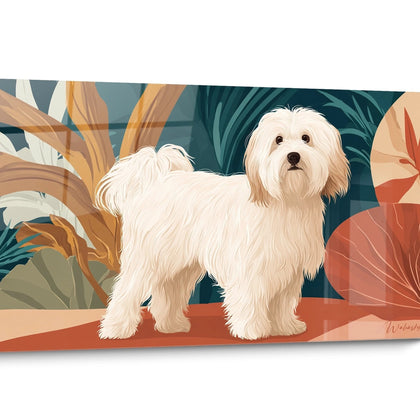 Cotton de Tulear Dog Wall Art20
artworks
Cotton de Tulear Dog Wall Art20
artworks
-
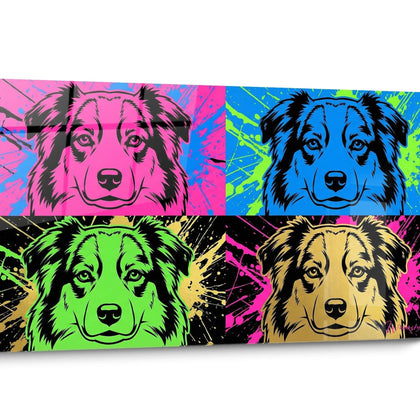 Miniature American Shepherd Dog Wall Art32
artworks
Miniature American Shepherd Dog Wall Art32
artworks
-
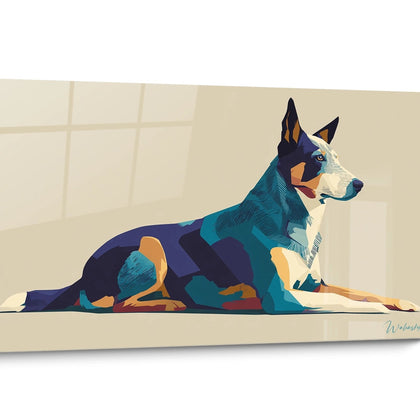 Australian Cattle Dog Wall Art21
artworks
Australian Cattle Dog Wall Art21
artworks
-
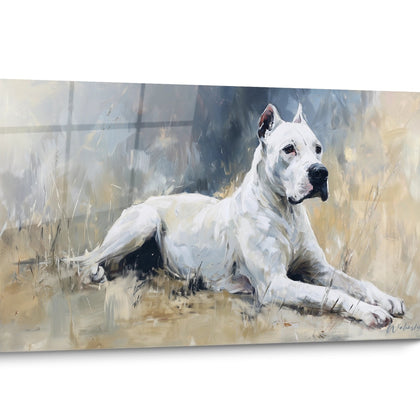 Argentine Dogue Wall Art24
artworks
Argentine Dogue Wall Art24
artworks
-
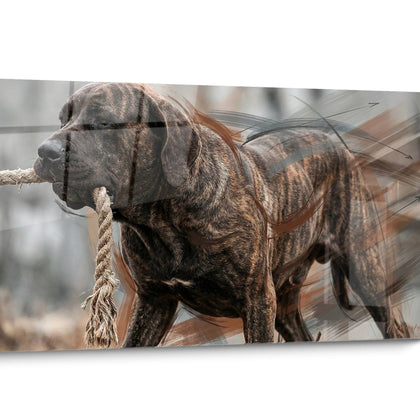 Fila Brasileiro Dog Canvas23
artworks
Fila Brasileiro Dog Canvas23
artworks
-
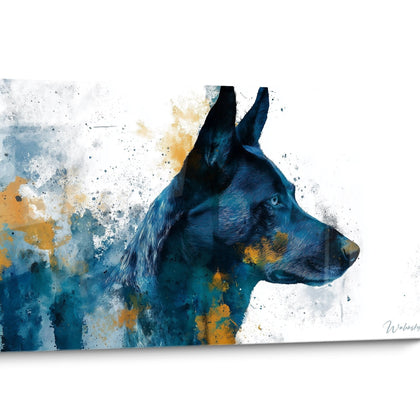 Dutch Shepherd Dog Canvas24
artworks
Dutch Shepherd Dog Canvas24
artworks
-
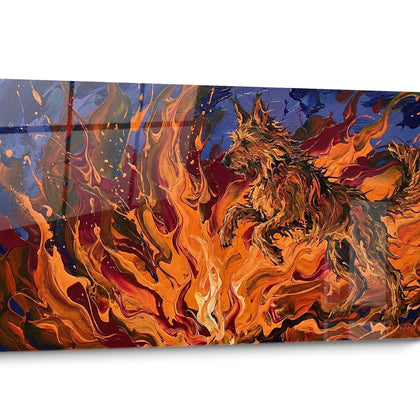 Picardy Shepherd Dog Canvas30
artworks
Picardy Shepherd Dog Canvas30
artworks
-
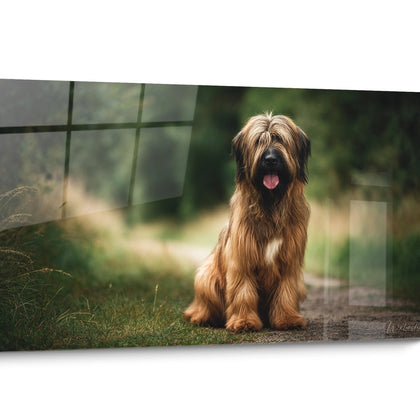 Briard Dog Canvas18
artworks
Briard Dog Canvas18
artworks
-
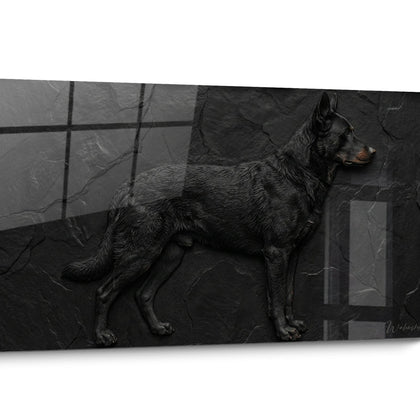 Beauceron Dog Canvas36
artworks
Beauceron Dog Canvas36
artworks
-
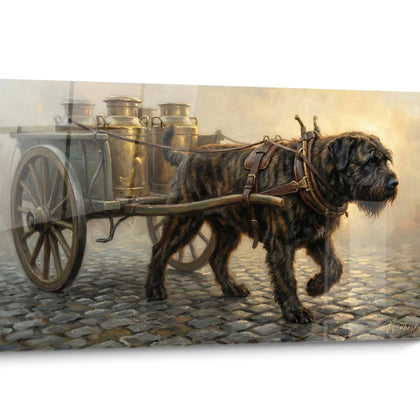 Flemish Bouviers Dog Wall Art28
artworks
Flemish Bouviers Dog Wall Art28
artworks
-
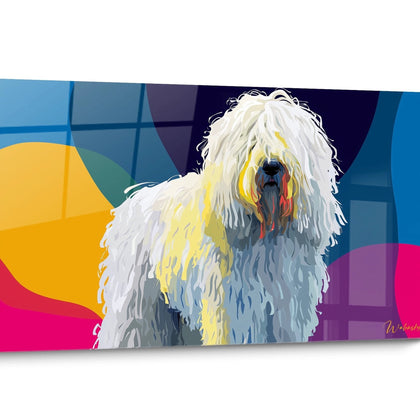 Komondor Dog Wall Art16
artworks
Komondor Dog Wall Art16
artworks
-
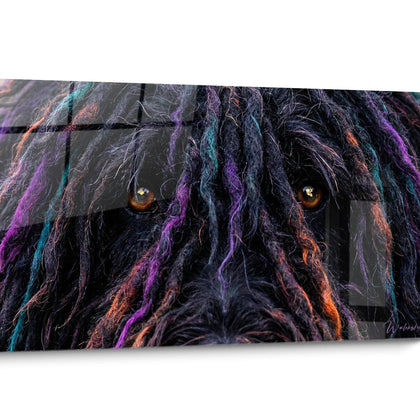 Puli Dog Wall Art28
artworks
Puli Dog Wall Art28
artworks
-
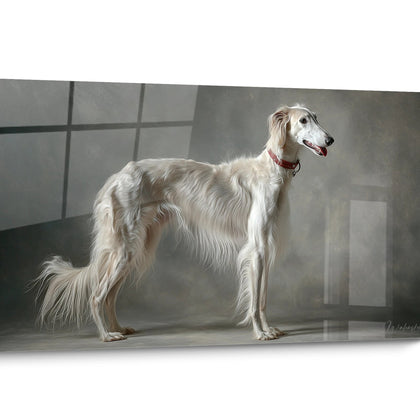 Borzoi Dog Canvas28
artworks
Borzoi Dog Canvas28
artworks
-
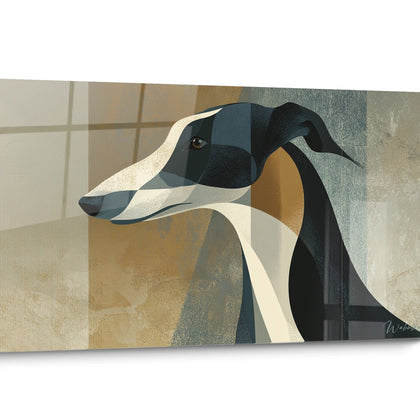 Sakuki Dog Canvas21
artworks
Sakuki Dog Canvas21
artworks
-
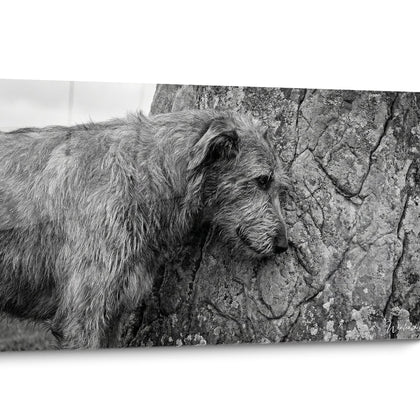 Irish Wolfhound Dog Wall Art38
artworks
Irish Wolfhound Dog Wall Art38
artworks
-
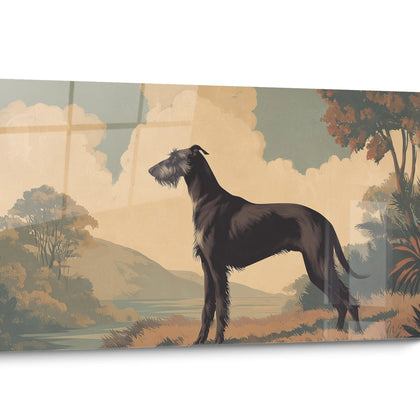 Deerhound Dog Painting21
artworks
Deerhound Dog Painting21
artworks
-
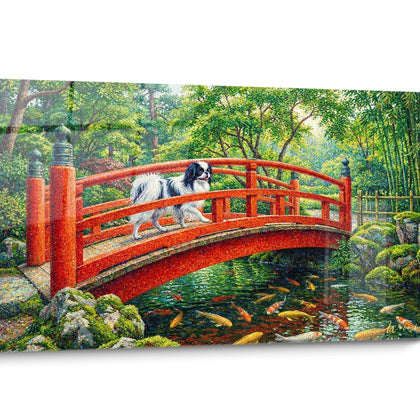 Japanese Spaniel Dog Canvas29
artworks
Japanese Spaniel Dog Canvas29
artworks
-
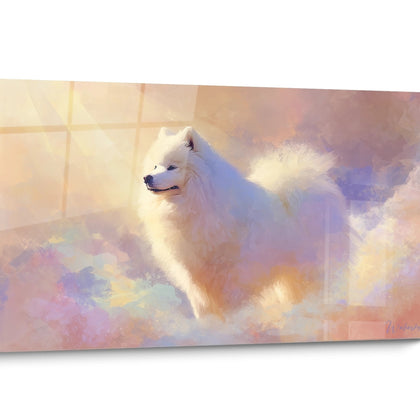 Japanese Spitz Dog Wall Art23
artworks
Japanese Spitz Dog Wall Art23
artworks
-
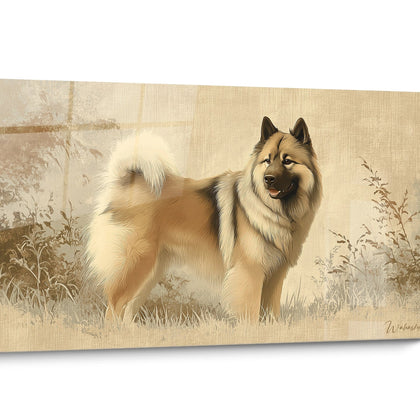 Eurasier Dog Wall Art20
artworks
Eurasier Dog Wall Art20
artworks
-
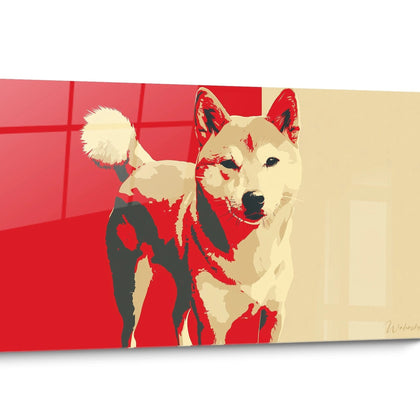 Shiba Inu Dog Wall Art41
artworks
Shiba Inu Dog Wall Art41
artworks
-
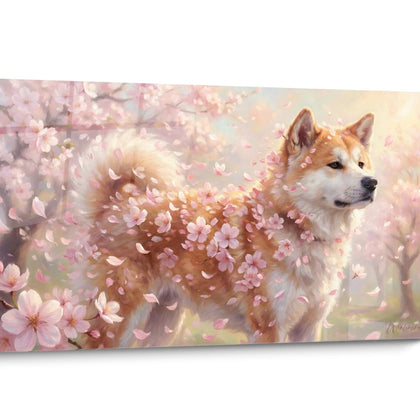 Akita Inu Dog Wall Art36
artworks
Akita Inu Dog Wall Art36
artworks
-
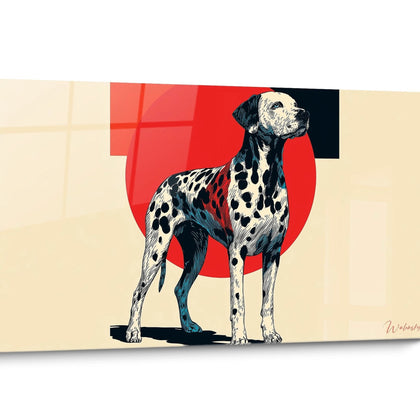 Dalmatian Wall Art30
artworks
Dalmatian Wall Art30
artworks
-
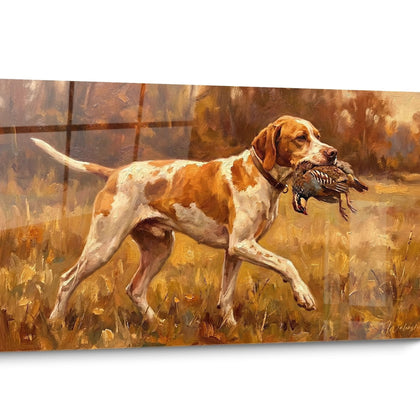 English Pointer Dog Canvas Art37
artworks
English Pointer Dog Canvas Art37
artworks
-
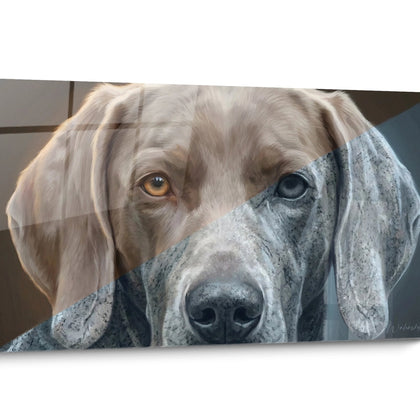 Weimaraner Dog Painting30
artworks
Weimaraner Dog Painting30
artworks
-
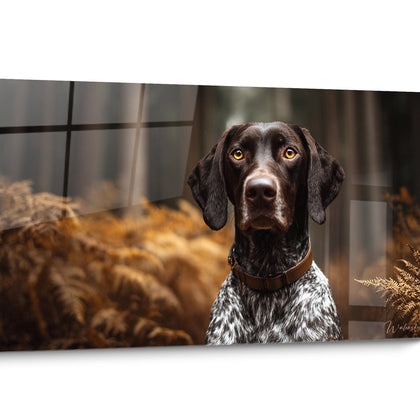 German Shorthaired Pointer Dog Painting26
artworks
German Shorthaired Pointer Dog Painting26
artworks
-
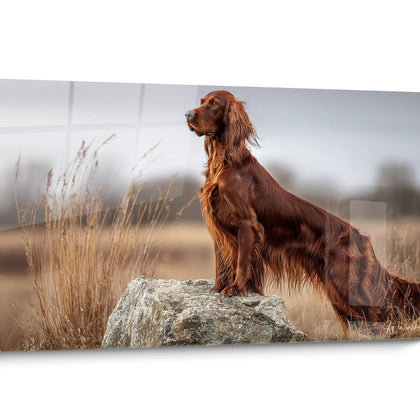 Irish Setter Dog Painting36
artworks
Irish Setter Dog Painting36
artworks
-
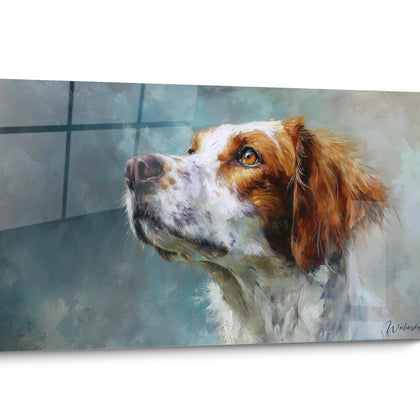 Brittany Spaniel Dog Painting35
artworks
Brittany Spaniel Dog Painting35
artworks
-
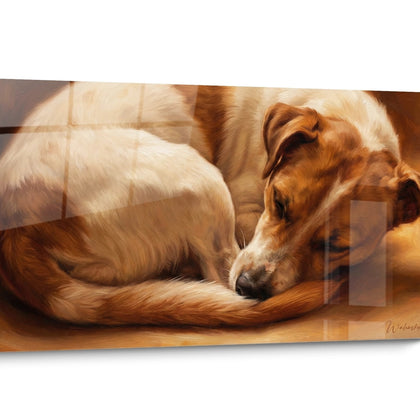 Jack Russell Terrier Dog Wall Art35
artworks
Jack Russell Terrier Dog Wall Art35
artworks
-
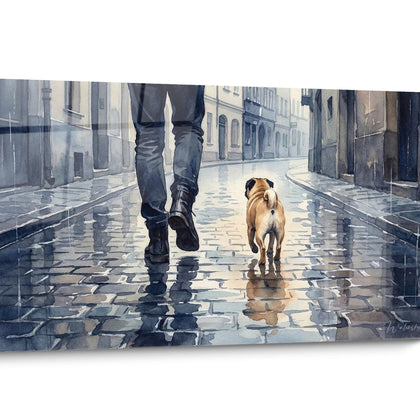 Pug Wall Art23
artworks
Pug Wall Art23
artworks
-
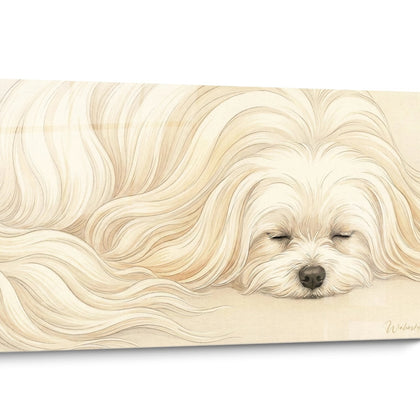 Maltese Bichon Dog Canvas40
artworks
Maltese Bichon Dog Canvas40
artworks
-
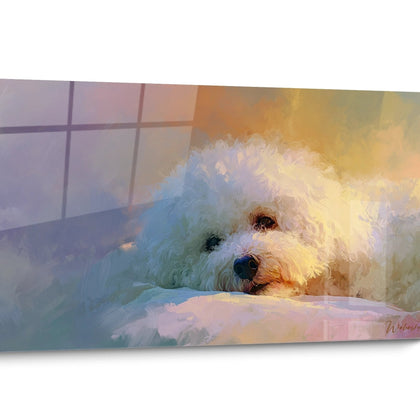 Bichon Frise Dog Wall Art26
artworks
Bichon Frise Dog Wall Art26
artworks
-
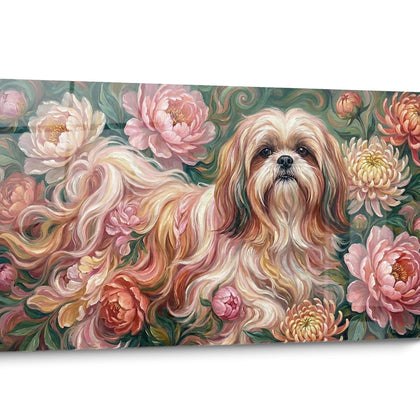 Shih Tzu Dog Wall Art28
artworks
Shih Tzu Dog Wall Art28
artworks
-
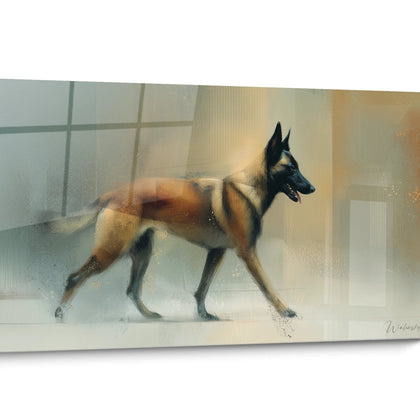 Belgian Malinois Dog Canvas36
artworks
Belgian Malinois Dog Canvas36
artworks
-
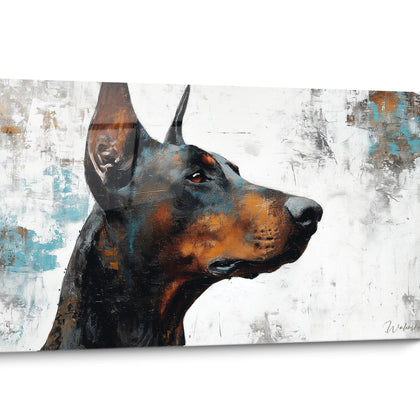 Doberman Dog Wall Art32
artworks
Doberman Dog Wall Art32
artworks
-
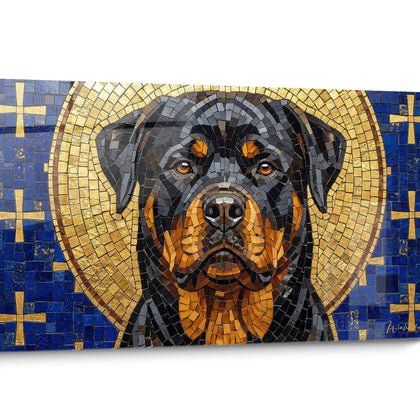 Rottweiler Dog Wall Art32
artworks
Rottweiler Dog Wall Art32
artworks
-
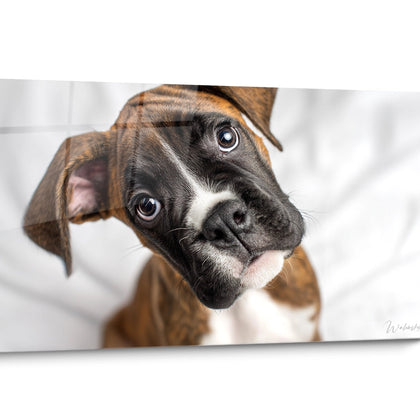 Boxer Dog Wall Art27
artworks
Boxer Dog Wall Art27
artworks
-
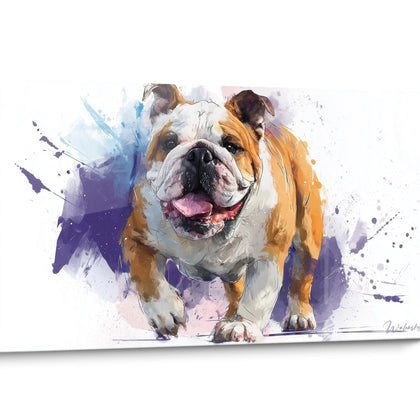 English Bulldog Wall Art32
artworks
English Bulldog Wall Art32
artworks
-
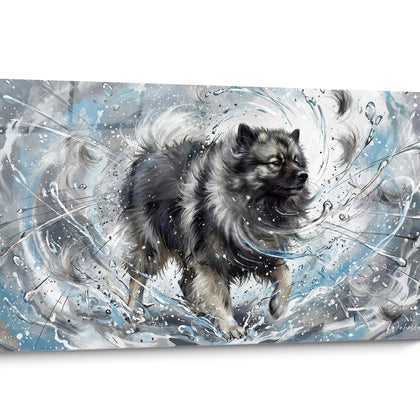 Keeshond Dog Wall Art32
artworks
Keeshond Dog Wall Art32
artworks
-
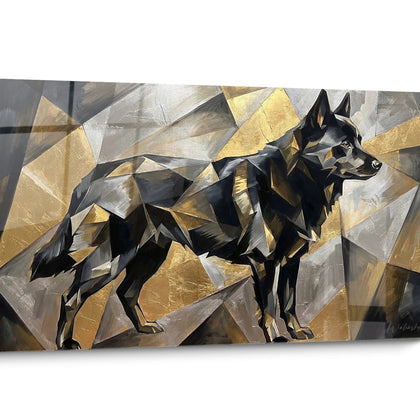 Schipperke Dog Wall Art32
artworks
Schipperke Dog Wall Art32
artworks
-
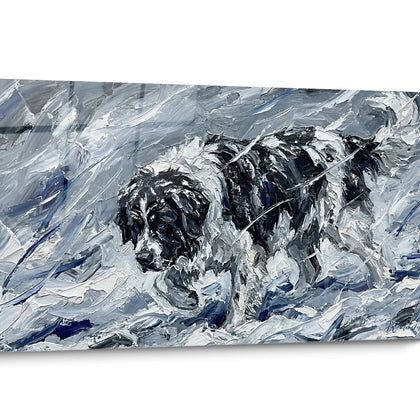 Landseer Dog Canvas33
artworks
Landseer Dog Canvas33
artworks
-
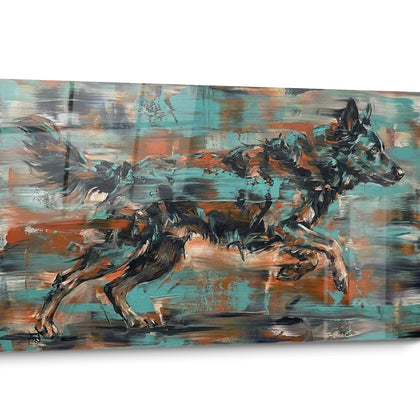 Mudi Dog Wall Art24
artworks
Mudi Dog Wall Art24
artworks
-
 Chihuahua Dog Wall Art25
artworks
Chihuahua Dog Wall Art25
artworks
-
 Beagle Dog Wall Art27
artworks
Beagle Dog Wall Art27
artworks
-
 Cavalier King Charles Dog Canvas28
artworks
Cavalier King Charles Dog Canvas28
artworks


All about English Setter Dog Art
- Presentation English Setter Painting
- British Canine Decoration
- Equestrian and Manor Ambiances
- English Breed Collectors
The English setter painting stands as a decorative reference for enthusiasts of British hunting heritage and canine elegance. This large-scale wall representation celebrates one of the most emblematic breeds in English hunting patrimony, recognized for its aristocratic bearing and characteristic silhouette. Unlike generic compositions, these wall creations capture the very essence of the English setter in its working or resting attitudes, reflecting its noble temperament and historical role in country estates. Acquiring such a decorative element testifies to deep knowledge of hunting breeds and attachment to Anglo-Saxon hunting traditions, transforming every space into a genuine canine gallery.
Wall Art Serving English Hunting Tradition
The English setter painting embodies the heritage of great British hunts that shaped rural England's identity since the 18th century. These large-format wall representations capture the characteristic moments of the typical English setter's point—that frozen posture where the dog signals game presence with incomparable elegance. In contemporary interiors, these wall compositions immediately establish an atmosphere of refined countryside charm, evoking Scottish moors and Yorkshire estates where this breed was perfected.
Why does the English setter dominate British canine iconography?
The predominance of the English setter in wall decoration is explained by its unique status in hunting culture. Unlike other pointing dogs, the English setter presents particularly photogenic morphology with its characteristic feathered coat and harmonious musculature. Large-scale compositions allow capturing the distinctive details of belton coloring—those delicate orange, blue, or tricolor patches differentiating prestigious lineages. For setter owners or specialized hunters, these representations constitute a daily celebration of their passion, far beyond simple decoration.
Integration into spaces dedicated to canine passion
The imposing dimensions of an English setter painting find their ideal place in country property living rooms, trophy rooms, or hunting clubs where wall space allows fully valorizing the composition. Installation is often accompanied by other elements evoking hunting heritage: antique cartridge belts, hunting scene engravings, dog show medals. This decorative synergy creates a coherent atmosphere that instantly speaks to connoisseurs. Many collectors associate these wall representations with other hunting dog breeds, as visible in dedicated dog paintings for spaniels or pointers, thus creating a genuine thematic gallery.
Selection according to lineages and morphotypes
Discerning enthusiasts seek representations corresponding to specific English setter lineages: compact working lines favored for actual hunting, or show morphotypes with more elegant silhouettes and fuller coats. This distinction directly influences visual choice—some prefer action scenes on moors, others static studio portraits highlighting structural beauty. Coat variations (blue belton, orange, tricolor, or lemon) also guide selection based on color harmonies of the receiving space.
Recreating the Atmosphere of British Manors
Installing an English setter painting in contemporary interior allows reconstructing the muted ambiance of British country houses where these dogs have always held a central place. These historic residences developed particular aesthetics blending dark woodwork, Scottish textiles, and canine iconography that still defines the "gentleman farmer" style today. Large-scale English setter representations become the focal element around which the entire decorative scheme organizes, particularly in living spaces dedicated to entertainment or relaxation.
How to compose a coherent equestrian and hunting environment?
The English setter universe extends beyond hunting: it inscribes itself in a broader cultural ecosystem including horseback riding, sport shooting, and British rural life. Large-format wall compositions harmonize beautifully with hunting horse photography, hunting scene engravings, or antique maps of Scottish hunting territories. This expanded thematic approach allows creating immersive spaces evoking British aristocratic lifestyle. Complementary textures (patined leather, tweed, carded wool) strengthen this authentic atmosphere sought by demanding purchasers.
Chromatic codes of classical British interiors
The English setter painting integrates naturally into typical British interior palettes: hunter green, deep burgundy, intense navy, and earth-toned nuances. These traditional tonalities enhance the setter's characteristic coats without creating visual discord. Coat variations of the dog (from pure white to deep liver) offer chromatic flexibility allowing selection adaptation to existing dominants. Generous formats impose a structuring presence that dialogues with the massive furniture typical of these aesthetics: oak libraries, Chesterfield armchairs, antique sideboards.
Valuing investment in heritage breeds
For professional English setter breeders or passionate owners, acquiring a prestigious wall representation also constitutes an approach to valorizing their commitment to the breed. These imposing-dimension compositions displayed in breeding kennels, professional shows, or breeders' offices testify to seriousness and expertise. They also serve as educational tools illustrating morphological standards to visitors or potential buyers, transforming professional space into a genuine showcase of canine knowledge.
Building a Thematic Collection Around British Pointing Dogs
Discerning collectors approach English setter painting acquisition as the cornerstone of a broader collection devoted to British pointing breeds. This systematic approach transforms the home into a personal museum where each breed occupies its place according to historical or aesthetic logic. The English setter, founding breed of this hunting family, naturally merits a central position and generous dimensions reflecting its patrimonial importance. This progressive acquisition strategy allows creating coherent and valuable wall ensembles over time.
Which British breeds to associate with the English setter in a canine gallery?
Visual and historical complementarity guides the assembly of canine representations. The English setter naturally associates with its Irish and Gordon cousins to form a setter trilogy, each bringing its specific chromatic and morphological characteristics. Extension toward English pointers, springers, or cockers creates a more complete narrative of British hunting tradition. Varied formats allow creating dynamic wall compositions where large dimensions reserved for the English setter assert its preeminence while dialoguing with complementary smaller-scale representations.
Spatial organization of canine wall collections
Large estates often offer dedicated spaces (gallery corridors, monumental staircases, libraries) perfect for deploying a progressive collection. The generously-formatted English setter painting ideally occupies the main wall visible upon entry, immediately establishing the decorative theme. Adjacent locations then welcome complementary acquisitions according to chronological acquisition logic or aesthetic hierarchy. This museum approach requires prior planning of available spaces and consistency in representation styles (realistic photographic, stylized illustration, classical painting).
Investing in representations of champion lineages
Some collectors favor representations of English setters having marked breed history: international show champions, legendary reproducers, or working dogs with exceptional records. These wall compositions then acquire documentary and patrimonial dimensions transcending simple decorative function. Limited editions or personalized commissions valorize these exceptional subjects, transforming acquisition into genuine cultural investment. Subject traceability (pedigree, titles obtained, breeding origin) adds a narrative layer considerably enriching perceived value.
Is an English setter painting suitable for modern urban apartments?
Absolutely—generous formats create striking contrast in streamlined urban spaces, bringing countryside dimension and cultural anchoring that humanize contemporary interiors. The stylistic opposition between architectural modernity and traditional iconography generates aesthetic tension particularly appreciated by current decorators.
How to maintain a large-scale English setter painting?
Quality wall compositions require minimal maintenance: regular dusting with dry microfiber cloth, avoiding prolonged direct sun exposure to preserve pigments, and maintaining stable humidity for sensitive supports. Imposing formats sometimes require annual professional cleaning for hard-to-reach areas.
Can one find representations of English setters at work rather than in static posture?
Dynamic hunting scenes (pointing on moors, game retrieval, questing in heather) constitute an indeed sought-after category illustrating breed functionality rather than mere morphological beauty. These narrative compositions particularly seduce active hunters who privilege hunting authenticity over show aesthetics.


