


Beige abstract wall decoration
The abstract wall decoration in beige brings a natural and elegant touch to your interior. Each beige abstract artwork plays on soft hues to create a harmonious and welcoming balance.
 Clarinet Painting No.1 - Abstract Music Edition273,90 €
 Pilat Dune No. 1 Wall Art - France Around the World Edition273,90 €
 Ancient Tree Wall Art - Life Tree Zen Edition273,90 €
 Jewels of the Sands Wall Art - Seashell Nature Edition273,90 €
 Golden Monkey Wall Art - Animals Monkey Edition273,90 €
 Dark Fluid Wall Art - Jellyfish Animals Edition273,90 €
 Morning Mirror Wall Art - Doe Animals Edition273,90 €
 Wild Gentleness Wall Art - Giraffe Animals Edition273,90 €
 The elegance of the predator - Tiger Animals Edition wall art273,90 €
 King of Reflections Wall Art - Lion Animals Edition273,90 €
 Little Shadow Painting - Cat Animals Edition273,90 €
 Grace Line Artwork - Dog Edition - Animals273,90 €
 Curved Elegance Painting - Abstract Face Edition273,90 €
 Linear Softness Painting - Abstract Face Edition273,90 €
 Amber Vibrations Painting - Abstract Music Edition273,90 €
 Violin Echoes Painting - Abstract Music Edition273,90 €
 Fragmented Face Wall Art - Abstract Cubism Edition273,90 €
 Abstract Poetry Wall Art - Abstract Body Edition273,90 €
 Serenity Abstract Artwork - African Abstract Edition273,90 €
 King of the Savanna Wall Art - Abstract Africa Edition273,90 €
 Graces of the Earth Wall Art - Abstract Africa Edition273,90 €
 Natural Complexity Canvas - Nature Edition273,90 €
 The Essence of Africa Wall Art - Africa Edition273,90 €
 Woman of Power Canvas - Africa Edition273,90 €
Explore further
In Beige abstract wall decoration
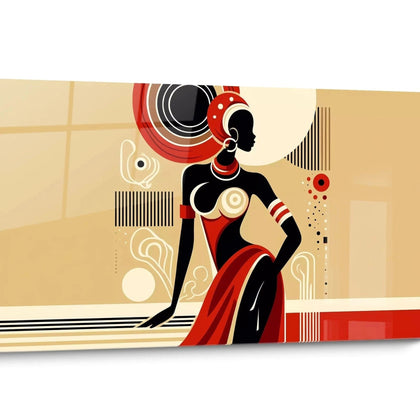
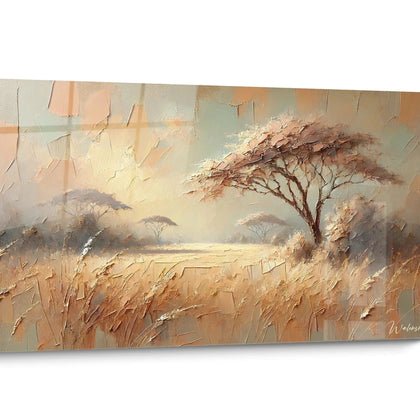
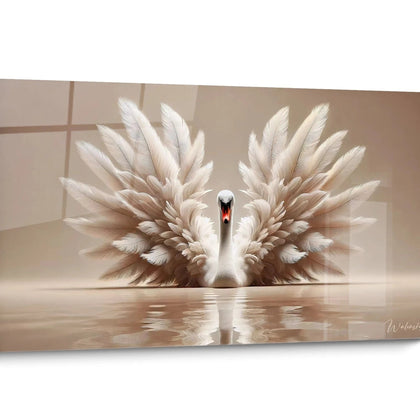
All about Beige abstract wall decoration
- Presentation Wall Art Abstract Wall Art Beige
- Beige abstract wall art for minimalist spaces
- Beige abstract wall art with sophisticated textures
- Beige abstract wall art and architectural lighting
Beige abstract wall art represents a contemporary artistic expression that transcends simple decorative elements to create an atmosphere of subtle elegance and timeless sophistication. These mural works bring a unique visual dimension to interior spaces through their non-figurative compositions and delicate beige chromatic palettes.
In today's interior design landscape, beige abstract wall decorations distinguish themselves through their ability to harmonize with virtually all decorating styles, from contemporary interiors to more classical spaces. The subtlety of beige tones, ranging from silky cream to deep taupe, allows the creation of visually captivating focal points without disrupting the overall chromatic balance of a room.
Abstract beige art on your walls offers exceptional versatility, allowing artistic sensitivity to be expressed while maintaining a refined aesthetic. These artistic creations are characterized by organic forms, subtle geometric patterns, or rich visual textures that captivate the eye and stimulate the viewer's imagination.
Beige-toned abstract wall decorations possess this rare quality of being able to radically transform the atmosphere of a space while harmoniously integrating into the existing décor. They constitute a judicious investment for anyone wishing to elevate their interior with a contemporary artwork that resists ephemeral trends.
Beige Abstract Wall Art: Elevating Minimalist Spaces
Beige abstract wall art represents far more than a simple decorative element—it embodies the very essence of contemporary minimalism while providing unparalleled visual depth. In pared-down spaces, these neutral-toned works create an aesthetic anchor point that perfectly balances surrounding sobriety without ever overloading the atmosphere.
How does beige abstract wall art transform a minimalist space?
In the minimalist philosophy where "less is more," abstract beige wall art plays a crucial role in introducing subtle visual complexity without compromising spatial clarity. Unlike colorful wall decorations that can visually dominate a room, beige abstract compositions create an artistic presence that breathes and dialogues with surrounding architecture.
Large-format beige abstract wall art proves particularly effective in minimalist spaces with white or neutral walls. Its imposing size creates significant visual impact while maintaining soothing chromatic coherence. The eye is naturally drawn to subtle variations in texture and delicate nuances that progressively reveal themselves to the attentive viewer.
The spatial resonance of beige abstract works
An often-overlooked yet fundamental aspect of beige abstract wall art is its ability to create what interior designers call "spatial resonance." This phenomenon occurs when artwork successfully amplifies a room's visual dimensions while conferring a distinct identity. Beige-toned abstract compositions, through their fluid movements and delicate chromatic transitions, generate this perceptual space expansion.
In interiors with refined architectural lines, a large-scale beige abstract wall decoration can advantageously replace several smaller decorative elements, thus contributing to the minimalist aesthetic while avoiding the pitfall of a visually sterile space. This "mono-focal" approach to wall decoration perfectly aligns with the current "quiet luxury" trend that privileges a few exceptional pieces over a multitude of decorative objects.
- Amplification of natural luminosity through subtle reflections of beige pigments
- Creation of visual depth that virtually extends space
- Introduction of organic complexity into rigid geometric environments
- Establishment of an artistic focal point that visually anchors the room
Textural balance in beige abstract compositions
The sophistication of beige abstract wall art often resides in its subtle interplay of visual and sometimes tangible textures. In minimalist spaces characterized by smooth, uniform surfaces, these works introduce a tactile dimension that considerably enriches the spatial sensory experience. Subtle reliefs, delicate impastos, or translucent overlays create a welcome contrast with the austerity of refined interiors.
Beige-toned abstract wall creations incorporating natural materials or textured finishes establish a fascinating dialogue with ambient light. Throughout the day, lighting variations reveal different facets of the work, transforming static decoration into a dynamic presence that constantly evolves. This light-matter interaction imparts a temporal dimension to spatial experience, breaking with the typical staticness of minimalist environments.
For contemporary living spaces with generous dimensions, a panoramic-format beige abstract wall decoration can serve as an artificial horizon, creating an impression of openness and expansion. This approach proves particularly effective in urban apartments where external views are limited or nonexistent, offering an "artistic window" that compensates for the absence of natural opening.
Beige Abstract Wall Art: The Art of Sophisticated Textures
Beige abstract wall art distinguishes itself through its extraordinary ability to introduce textural richness into contemporary spaces. Beyond their simple chromatic presence, these artworks offer a multi-sensory experience where reliefs, material contrasts, and subtle variations radically transform the spatial perception of an interior.
The alchemy of noble materials in beige abstract art
The most sought-after beige abstract wall creations are characterized by their masterful integration of sophisticated textures. Unlike classical pictorial representations, these contemporary works fully exploit the tactile dimension to create an immersive experience that transcends simple visual impact. Overlays of materials, variations in thickness, and textural transitions generate visual complexity that progressively reveals itself to the attentive viewer.
In today's minimalist interiors, where chromatic sobriety predominates, textured beige abstract wall art brings this additional dimension that transforms a potentially austere space into a rich, nuanced environment. The interplay of shadows and light created by subtle reliefs animates surfaces and creates a dynamic presence that evolves throughout the day.
Which textures to prioritize for contemporary beige abstract wall art?
The most impactful beige abstract wall decorations often exploit deliberate contrast between different textural qualities. The opposition between smooth and textured zones, matte and subtly glossy surfaces, or abrupt transitions and imperceptible gradations creates visual tension that captivates the eye and stimulates visual exploration of the work.
- Striated textures evoking natural geological strata
- Grainy effects reminiscent of mineral surfaces like travertine or limestone
- Crackled surfaces inspired by traditional raku techniques
- Sculptural impastos creating three-dimensional reliefs
- Translucent overlays generating veiled depth effects
Beige-toned abstract mural compositions incorporating significant textural variations offer considerable advantage in spaces with problematic acoustics. Indeed, surface reliefs and irregularities contribute to diffusing sound waves, thereby reducing echo phenomena often present in contemporary interiors with hard, reflective surfaces. This acoustic functionality, though secondary, constitutes a tangible benefit for large living spaces or rooms with high ceilings.
The interaction between textures and light in beige abstract art
One of the most fascinating aspects of textured beige abstract wall decorations resides in their ongoing dialogue with ambient light. The variable reflective properties of different textures transform the work throughout hours, creating a dynamic visual experience that constantly renews viewer interest. This kinetic quality imparts a living presence that transcends their static nature.
In spaces benefiting from directional lighting, such as that from skylights or adjustable spotlights, textured beige abstract wall art reveals its full complexity through projected shadows that amplify relief effects. This sculptural dimension transforms the two-dimensional work into a genuine artistic installation that modifies the perception of surrounding architecture itself.
For contemporary interiors with refined lines, the introduction of highly textured beige abstract wall art creates a welcome counterpoint to dominant geometric rigor. The organic and often unpredictable nature of abstract textures visually softens the architectural environment and introduces that element of controlled irregularity that characterizes the most sophisticated spaces.
Beige Abstract Wall Art: Mastering Interaction with Architectural Lighting
The symbiotic relationship between beige abstract wall art and architectural lighting represents one of the most fascinating yet underestimated aspects of contemporary interior design. This interaction transcends simple enhancement to create a genuine immersive experience where the artwork and its luminous environment mutually transform one another.
How does architectural lighting reveal the depth of a beige abstract work?
Beige-toned abstract wall decorations possess this remarkable quality of reacting with exceptional sensitivity to luminous variations. Unlike works in vibrant colors that maintain relatively constant visual presence, beige abstract compositions literally metamorphose according to the angle, intensity, and color temperature of the lighting that bathes them.
Strategic use of directional architectural lighting, such as adjustable spotlight rails or adjustable-beam wall fixtures, allows visual sculpting of the surface of beige abstract wall art. Subtle reliefs, textural variations, and delicate chromatic transitions that might go unnoticed under uniform lighting then reveal themselves in full complexity, creating visual depth that transcends the work's physical two-dimensionality.
- Raking light to accentuate surface textures and reliefs
- Directional spots creating luminous focal points on specific zones
- Variable-intensity lighting systems to adapt ambiance according to moments
- Adjustable color-temperature lighting to modify perception of beige nuances
In contemporary residential or professional spaces where interior architecture privileges generous volumes, installation of large-scale beige abstract wall art requires thorough consideration of its lighting design. Panoramic-format works particularly benefit from distributed lighting that avoids excessive brightness points while guaranteeing homogeneous illumination that respects the compositional visual integrity.
Luminous temporality and its impact on beige abstract art
One major advantage of beige abstract wall art resides in its ability to adapt to natural variations in ambient light. In spaces benefiting from abundant natural lighting, these works progressively unveil different facets throughout the day, offering a perpetually evolving visual experience that considerably enriches the daily relationship with the inhabited space.
Programmable architectural lighting systems represent an ideal complement for beige abstract wall art. The ability to modify lighting intensity, angle, and color temperature allows creation of different "scenes" that radically transform artwork perception according to circumstances—from subtle, soothing presence by day to dramatic focal point during evening receptions.
In premium professional environments such as corporate reception halls or executive meeting rooms, the combination of imposing beige abstract wall art with a sophisticated architectural lighting system creates an immediate impression of refinement and attention to detail. This visual combination establishes an aesthetic standard that subtly influences visitor and collaborator perception of the company.
Balance between shadows and light in highlighting beige abstract art
Mastery of the shadow and light interplay constitutes a determining element in valorizing beige abstract wall art. Unlike uniform lighting approaches that visually flatten surfaces, deliberately contrasted illumination reveals texture richness and the subtlety of chromatic variations that characterize these contemporary works' singularity.
Asymmetric lighting techniques, where the light source is positioned at a calculated angle relative to the surface, allow creation of this shadow-light modeling that transforms simple wall decoration into a three-dimensional artistic presence. This approach proves particularly effective for abstract beige compositions with pronounced reliefs or variable textures.
For collectors and contemporary art enthusiasts investing in significant beige abstract wall art, integrating a dedicated lighting system represents an essential complement that maximizes visual impact and aesthetic longevity. This attention to lighting testifies to a thorough understanding of the symbiotic nature between abstract art and its spatial environment.
FAQ on beige abstract wall art
How do I integrate beige abstract wall art into an interior with vibrant colors?
Beige abstract wall art functions remarkably as a balancing element in a space with pronounced color accents. It creates a visual rest zone that tempers surrounding color intensity while adding sophisticated artistic dimension. Position it on a focal wall to maximize this visual anchoring effect.
What is the durability of pigments in beige abstract wall art?
Contemporary quality beige abstract wall creations generally utilize UV-resistant pigments of high durability that guarantee exceptional chromatic stability. This fade resistance preserves the work's visual integrity for many years, even in spaces benefiting from abundant natural lighting.
How do I determine the ideal dimensions for beige abstract wall art for my space?
For optimal visual impact, prioritize beige abstract wall art whose dimensions represent approximately 60 to 75% of the installation wall width. In spaces with high ceilings, opt for an elongated vertical format that emphasizes height impression, while elongated rooms benefit from a panoramic format that amplifies spatial depth perception.


