


Modern Abstract Beige Art
Discover the timeless elegance of modern abstract art in beige. Its interplay of textures and forms creates a soothing and refined atmosphere. Beige, neutral and warm, adapts to all styles, bringing a touch of serenity and modernity. Let yourself be captivated by this collection with subtle and harmonious artistic accents.
 Clarinet Painting No.1 - Abstract Music Edition273,90 €
 Pilat Dune No. 1 Wall Art - France Around the World Edition273,90 €
 Ancient Tree Wall Art - Life Tree Zen Edition273,90 €
 Jewels of the Sands Wall Art - Seashell Nature Edition273,90 €
 Golden Monkey Wall Art - Animals Monkey Edition273,90 €
 Dark Fluid Wall Art - Jellyfish Animals Edition273,90 €
 Morning Mirror Wall Art - Doe Animals Edition273,90 €
 Wild Gentleness Wall Art - Giraffe Animals Edition273,90 €
 The elegance of the predator - Tiger Animals Edition wall art273,90 €
 King of Reflections Wall Art - Lion Animals Edition273,90 €
 Little Shadow Painting - Cat Animals Edition273,90 €
 Grace Line Artwork - Dog Edition - Animals273,90 €
 Curved Elegance Painting - Abstract Face Edition273,90 €
 Linear Softness Painting - Abstract Face Edition273,90 €
 Amber Vibrations Painting - Abstract Music Edition273,90 €
 Violin Echoes Painting - Abstract Music Edition273,90 €
 Fragmented Face Wall Art - Abstract Cubism Edition273,90 €
 Abstract Poetry Wall Art - Abstract Body Edition273,90 €
 Serenity Abstract Artwork - African Abstract Edition273,90 €
 King of the Savanna Wall Art - Abstract Africa Edition273,90 €
 Graces of the Earth Wall Art - Abstract Africa Edition273,90 €
 Natural Complexity Canvas - Nature Edition273,90 €
 The Essence of Africa Wall Art - Africa Edition273,90 €
 Woman of Power Canvas - Africa Edition273,90 €
Explore further
In Modern Abstract Beige Art
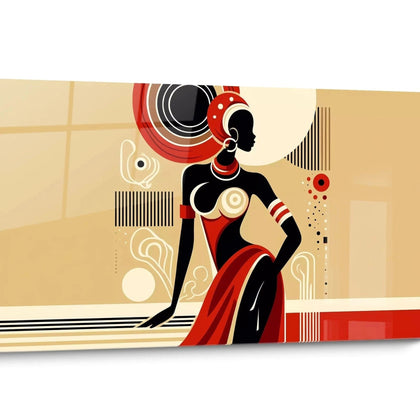
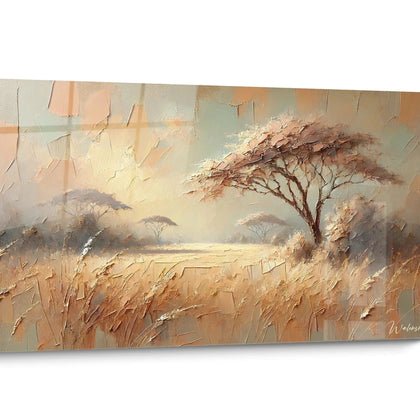
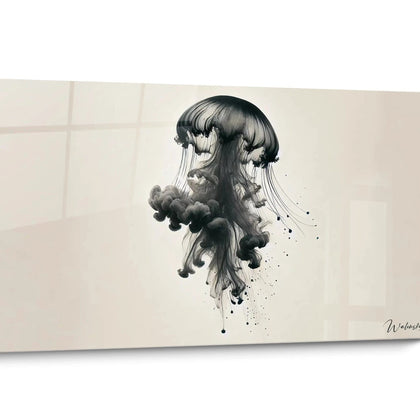
All about Modern Abstract Beige Art
- Beige Modern Abstract Art Presentation
- Modern Abstract Art Beige and Minimalist Atmospheres
- Beige Modern Abstract Art for Contemporary Spaces
- Beige Modern Abstract Art and Neutral Decoration
Beige modern abstract art represents a major trend in premium interior decoration, combining chromatic restraint with contemporary expression. Abstract artworks in beige tones bring timeless elegance while creating a soothing and sophisticated atmosphere. These artistic creations stand out for their ability to integrate harmoniously into various interior styles while serving as a subtle focal point. Discover how these abstract works with neutral hues can radically transform your living spaces and bring refined artistic dimension to your home.
Beige Modern Abstract Art: Creating Refined Minimalist Atmospheres
Beige modern abstract art has established itself today as a preferred choice for aesthetics enthusiasts seeking a touch of discrete elegance. These works with neutral and warm hues possess the rare ability to transform a space without overwhelming it visually.
Why is beige modern abstract art ideal for contemporary interiors?
Unlike abstract creations with vibrant colors that immediately capture attention, beige compositions play on subtle nuances and textural depth. This particularity makes them an excellent choice for spaces where visual balance is sought. Beige hues, ranging from light sand to deep taupe, create a sophisticated monochrome palette that brings a sense of space and serenity.
In large open spaces, particularly lofts or open-plan living areas, these beige abstract works offer an affirmed artistic presence without generating visual tension. The chromatic uniformity allows the eye to rest while appreciating the movements and forms suggested by the artist.
Beige abstract art as an architectural element
A remarkable characteristic of beige abstract creations is their ability to function as genuine architectural elements. When presented in large formats, these works can completely redefine the perception of a wall or room.
Longitudinal horizontal compositions, for example, visually accentuate the width of a space, while slender vertical formats increase the impression of ceiling height. This architectural dimension sets beige abstract art apart from other more conventional decorative styles.
- Panoramic formats create a sense of horizon and openness
- Vertical compositions energize spaces with low ceilings
- Diptychs and triptychs harmoniously dress large volumes
Texture as an expressive element in beige abstract art
In the monochrome universe of beige, texture becomes a primary vector of expression. Contemporary artists exploit this tactile dimension to compensate for chromatic restraint and bring richness and depth to their creations.
Contemporary beige abstract artworks are often distinguished by overlapping materials, impasto, reliefs, or contrasting textures. These elements create interplay of shadows and light that evolve according to ambient lighting and viewing angle.
Pieces featuring matte finishes absorb light and impart a muffled atmosphere, while those incorporating metallic or glossy elements reflect lighting and bring dynamism and movement to the whole.
What artistic techniques are favored in modern beige abstract art?
Contemporary beige abstract creations employ various artistic techniques that allow full exploitation of the nuances and subtleties of this restricted palette:
The gradient technique allows exploration of the entire spectrum of beige hues, from near-white to deep ochre, creating an impression of movement and depth. Controlled dripping, where material is deposited in fine streams, generates organic patterns evoking natural elements like sand or stone.
Geometric compositions, meanwhile, play on the juxtaposition of precise forms in different beige nuances, creating structured works that dialogue perfectly with modern architecture.
Perfect integration with contemporary materials
One of the strengths of beige abstract art lies in its ability to harmonize with materials prized in contemporary architecture and design. Polished concrete, light wood, natural stone, and brushed metals establish coherent aesthetic dialogue with these works.
In minimalist interiors where concrete predominates, a beige abstract composition brings warmth and texture without breaking chromatic unity. Similarly, in spaces favoring light Scandinavian wood, these creations visually extend the material palette while adding artistic dimension.
This synergy with contemporary materials makes beige abstract art a particularly pertinent choice for recent constructions or renovations with an affirmed architectural spirit.
Beige Modern Abstract Art: Transforming Contemporary Spaces
Beige modern abstract artworks possess the rare ability to completely transform the atmosphere of a contemporary space. Their discreet yet impactful presence creates a sophisticated focal point that elevates the entire interior arrangement.
How does beige abstract art influence spatial perception?
Beige abstract compositions play a crucial role in our perception of volumes and room proportions. Through their textural interplay and subtle nuances, these works can visually enlarge a confined space or bring intimacy to an overly imposing volume.
In spaces with elevated ceilings, horizontal beige-toned creations soften proportions and create a force line that balances verticality. Conversely, in rooms with modest dimensions, beige abstract artworks with fluid and airy patterns visually push back spatial boundaries.
Natural luminosity interacts particularly well with these compositions, as beige hues absorb and diffuse light homogeneously, without creating zones of excessive contrast that could visually fragment the space.
Beige abstract art as atmosphere regulator
Beyond their visual impact, beige abstract creations profoundly influence the emotional atmosphere of a place. Environmental psychology research demonstrates that neutral hues, particularly warm beiges, promote concentration and reduce cognitive stress.
In spaces dedicated to intellectual work or relaxation, such as home offices or master suites, these works create an environment conducive to mental peace. Chromatic restraint frees attention without creating visual emptiness, allowing artistic presence that doesn't interfere with intellectual activities.
- Horizontal-line compositions provide a sense of grounding and stability
- Organic and fluid patterns favor relaxation and creativity
- Structured works with geometric forms stimulate concentration
Scenographic versatility of beige abstract art
A fundamental characteristic of contemporary beige abstract artworks lies in their exceptional scenographic adaptability. These creations can be presented alone as masterpieces or integrated into more complex mural compositions.
In solitary installation on a clear wall, a large beige abstract composition creates a powerful focal point that structures the entire space. This minimalist approach suits perfectly to refined interiors where each element is carefully selected.
From a more dynamic perspective, these works can participate in sophisticated mural arrangements, dialoguing with other artistic creations in a balanced composition. Their neutral palette facilitates such associations, allowing play with format and style contrasts without creating visual cacophony.
Temporal evolution of beige abstract artworks
Unlike abstract creations with vibrant colors that may visually impose themselves over time, beige compositions develop a presence that enriches over the years. This temporal characteristic fundamentally distinguishes beige abstract art from other contemporary expressions.
Subtle chromatic variations progressively integrate into inhabitants' visual memory, creating visual familiarity that strengthens emotional attachment to the work. Simultaneously, textural and material interplay progressively reveal their complexity, offering a visual experience that constantly renews itself.
This evolutionary dimension makes beige abstract art a particularly judicious artistic investment, whose appreciation deepens over time rather than eroding.
Complementarity with contemporary architectural lighting
Modern architectural lighting systems find in beige abstract art an ideal partner. Neutral-toned compositions react with particular sensitivity to luminous variations, revealing different facets according to lighting intensity and color temperature.
Directional spotlights enhance reliefs and textures, creating shadows that amplify the artwork's dimensionality. Indirect lighting, meanwhile, envelops the creation in diffuse light that softens contours and unifies the chromatic ensemble.
New dynamic lighting technologies even allow programming luminous variations that subtly transform artwork perception throughout the day, creating a living and evolving artistic experience.
Beige Modern Abstract Art and Neutral Space Harmonization
Beige modern abstract art represents much more than a simple decorative trend; it embodies an aesthetic philosophy where chromatic subtlety becomes a standalone artistic language. In contemporary interiors favoring neutral palettes, these creations play a fundamental role in visual and emotional articulation.
Stratification of beige tones as aesthetic language
What fundamentally distinguishes contemporary beige abstract art lies in its capacity to explore infinite variations of an apparently simple color. Artists working in this palette develop particular sensitivity to micro-nuances, creating works that reveal unsuspected chromatic richness.
Sophisticated beige abstract compositions often present complex tone stratification, ranging from rosy beiges to grayed beiges, through ivory nuances and coffee-with-milk accents. This tonal depth creates a visual experience that progressively reveals itself, inviting prolonged contemplation.
In contemporary neutral spaces, these works introduce a subtle narrative dimension, where beige variations tell a visual story without resorting to dramatic contrasts of vibrant colors.
How to select the ideal format for your space?
Choosing the format of a beige abstract artwork constitutes a crucial decision that will profoundly influence its impact in the space. Contrary to popular belief, beige compositions perfectly support large formats, their chromatic subtlety avoiding the visual crushing effect sometimes associated with imposing works in intense colors.
For residential spaces with generous proportions, panoramic horizontal formats (2:1 or 3:1 ratio) create an architectural presence that structures the entire room. In hallways or transitional spaces, slender vertical formats establish a visual rhythm that naturally accompanies movement.
Large square compositions work particularly well in contemporary open spaces, their balanced geometry creating visual anchoring within open volumes.
- XXL formats (beyond 150 cm) transform a wall into a genuine artistic installation
- Modular compositions allow adapting artwork presence to specific space proportions
- Medium formats (80-120 cm) suit intimate spaces perfectly such as bedrooms or offices
Beige abstract art as unifying element in mixed spaces
In contemporary interiors mixing different styles or eras, beige abstract art plays a crucial visual unification role. Its chromatic neutrality and contemporary formal language allow it to establish aesthetic bridges between disparate elements.
A beige abstract composition can thus create visual coherence between refined contemporary furnishings and vintage or artisanal pieces. This mediating capacity transforms these works into genuine interior composition tools, transcending their simple decorative function.
In design projects involving fusion of different aesthetic universes, these abstract creations facilitate transitions, soften excessively marked contrasts, and establish a visual thread that harmonizes the ensemble.
Privileged relationship with natural light
Beige abstract artworks maintain a particularly dynamic relationship with natural light. Unlike colorful creations that may appear frozen in their chromatic expression, beige compositions subtly transform throughout hours and seasons.
In spaces with east exposure, beige hues illuminate with golden warmth in early day hours, activating amber undertones and creating an enveloping atmosphere. Under zenith noon light, these same works reveal more structure and texture, shadows reducing to allow more graphic reading.
West exposures allow beige abstract compositions to capture the rosy nuances of sunset, momentarily transforming the palette toward warmer tonalities that enrich daily visual experience.
Integration in sustainable habitat concepts
Beige modern abstract art naturally fits into contemporary approaches to sustainable and biophilic habitat. Its chromatic palette evoking natural materials like sand, stone, or plant fibers establishes visual connection with organic elements often favored in these design concepts.
In spaces designed according to biophilic design principles, where nature connection is sought, these works extend and amplify natural references without introducing perturbing artificial elements.
Beige abstract compositions with textures evoking sedimentations, geological strata, or erosion patterns subtly reinforce this natural dimension, contributing to psychological well-being associated with biophilic environments.
Frequently Asked Questions on Beige Modern Abstract Art
How to maintain a beige modern abstract artwork to preserve its quality over time?
To maintain the beauty of a beige modern abstract artwork, avoid direct sun exposure that could alter subtle nuances. Regular dusting with a soft feather duster is recommended, avoiding chemical products. For textured pieces, occasionally use a low-power vacuum with soft brush attachment. In case of staining, consult a professional conservator rather than intervening yourself.
Does beige modern abstract art suit all types of interior lighting?
Beige modern abstract art reacts differently depending on lighting types. LED at color temperature between 2700K and 3000K ideally enhance warm nuances, while cooler lighting (4000K and beyond) reveal more grayed undertones. Directional lighting accentuates textures and reliefs, while diffuse lighting uniforms tonal perception. For optimal experience, favor an adjustable lighting system allowing adaptation according to times of day.
Can beige modern abstract art be integrated into interiors with vibrant colors?
Absolutely, beige modern abstract art functions remarkably as a balancing element in spaces with pronounced color accents. Its sophisticated neutrality creates a welcome visual pause preventing chromatic saturation. For harmonious integration, position the beige abstract artwork near colored elements to create intentional visual dialogue. This juxtaposition allows vibrant colors to gain impact while being softened by neutral tone proximity, creating a coherent and balanced ensemble.


