


Autumn Hunting Wall Art
Our Painting Hunt Autumn collection celebrates the majestic alliance between hunting traditions and autumnal splendors. Each artwork captures the unique atmosphere of hunting scenes in the autumn forest, where flamboyant foliage, morning mists, and the elegance of wildlife blend together. These creations evoke the ancestral passion of hunting in a setting of forest autumnal landscapes. Perfect for enhancing interiors with character and spaces dedicated to lovers of authentic nature.
 Deer in Autumn Forest Painting - Majesty in the Mist - Hunting Edition273,90 €
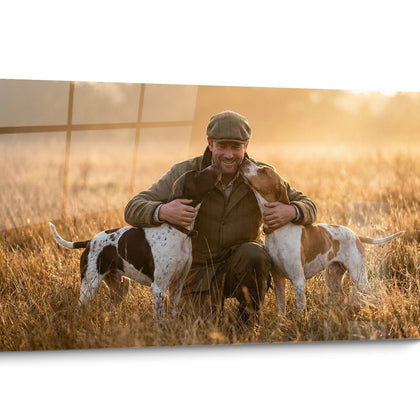
 Hunter and Pointing Dogs Painting - Forest Autumn - Hunting Edition273,90 €
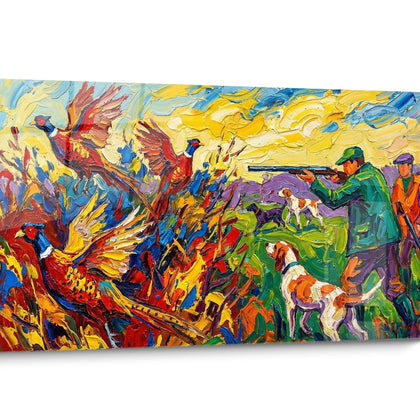
 Pheasant Hunting Wall Art - Autumn Driven Hunt - Hunting Edition273,90 €
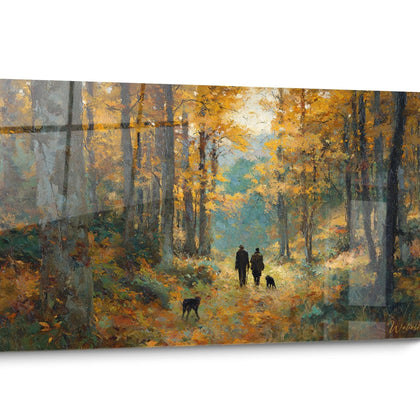
 Walk in Autumn Forest - Hunters and Dogs - Hunting Edition273,90 €
 Hunter and Dog Painting - Autumn Forest Break - Hunting Edition228,90 €
Explore further
In Autumn Hunting Wall Art
All about Autumn Hunting Wall Art
- Presentation Hunting painting Autumn
- Autumnal Hunting Scenes
- Seasonal Hunting Decorations
- Autumn Hunting Scenes
The hunting painting autumn celebrates hunting art in its most emblematic season, that of big game hunts and chases in russet foliage. These large-scale mural representations capture the intensity of hunting days between September and November, when nature displays its copper hues and secular traditions come back to life. Designed for hunting enthusiasts and lovers of authentic seasonal atmospheres, this decorative style transforms interiors into true tributes to autumnal hunting rituals. Each visual composition reveals the soul of hunting territories during this pivotal period when wildlife prepares for the rigors of winter and hunters perpetuate an ancestral heritage.
The autumnal atmosphere in hunting mural decoration
A hunting painting autumn faithfully reproduces the grazing lights of late afternoon that bathe hunting territories between the equinox and the first frosts. This specific luminosity of the months of September-October-November creates unique golden atmospheres particularly sought after by owners of hunting lodges and country houses. The ochre, rust and amber tones characteristic of autumnal foliage structure these large-format visual compositions.
Why does autumn dominate the iconography of hunting murals?
Historically, autumn is the queen season for big game hunts of wild boar, roe deer and deer in European forests. This period naturally concentrates the essence of hunting traditions: popular hunts, stag roar, bird migrations. Mural compositions therefore privilege these ritual moments when nature displays its flamboyant colors while the hunting parties gather. A hunting forest painting autumn restores this particular atmosphere of undergrowth covered with dead leaves.
What plant elements characterize these autumnal representations?
Beech forests russet, copper-colored oak forests and golden hornbeam forests constitute the typical vegetal setting of these mural scenes. Forest mushrooms, damp mosses and russet ferns add recognizable seasonal details. Partially bare branches allow a diffused autumnal light to filter through, accentuating the depth of the compositions. These authentic botanical elements allow connoisseurs to immediately identify the period represented, far beyond the simple chromatic tones.
How do autumnal weather conditions enrich these works?
Morning mists stagnant in the valleys, persistent dew on ferns, first frosts silvering the clearings: these atmospheric phenomena specific to autumn generate a sought-after visual depth. The play of water vapor in the fresh air creates typical vaporous perspectives of seasonal hunting landscapes. For spaces dedicated to hunting, these authentic climatic representations authenticate the atmosphere of hunting mornings. A hunting sunset painting autumn particularly captures these characteristic twilight lights.
The importance of temporal context in decorative appreciation
Enthusiasts of hunting decor seek compositions that precisely evoke the moments experienced in hunting grounds during this season. The frosty dawn preceding the hunt, the midday halt in colorful foliage, the twilight return after the chase: each moment possesses its own light and distinct atmosphere. These autumnal temporal markers transform a simple representation into an authentic testimony of lived experiences, reinforcing the emotional connection with the wall art.
Integrating an autumnal hunting aesthetic into the habitat
Which spaces particularly enhance an autumn hunting painting?
Smoking rooms, hunting reception rooms, and libraries in forest estates are the preferred locations for these autumnal representations. The central fireplace of a hunting lodge finds a natural visual complement in these compositions with warm tones. Spaces for post-hunt conviviality particularly benefit from these seasonal evocations that extend the outdoor experience. The large dimensions of these contemporary works allow to visually structure generous volumes typical of traditional rural architecture.
How to combine furniture and autumnal hunting representations?
Solid oak furniture, patinated club chairs, and rustic buffets find a natural harmony with the autumnal tones of a hunting painting. Aged cognac-colored leathers, burgundy velvet, and tweed wools create a chromatic continuity with the dominant ochres and rusts. This decorative coherence avoids visual breaks in interiors with a hunting theme. Metal accessories in antique bronze or brass recall the traditional cartridges, bells, and hardware represented in these scenes.
Which complementary color palette to prioritize?
The deep greens of British hunting, the sepia browns of old woodwork, and the slate grays of autumn skies constitute the ideal accompanying tones. This color range avoids saturation while reinforcing the desired forest atmosphere. Complementary wall textiles advantageously adopt these nuances to create a consistent decorative envelope. An hunting painting in a large format thus becomes the focal point of a global composition.
How to enhance the authenticity of the scenes depicted?
The association with authentic hunting objects reinforces the credibility of the wall compositions: antique hunting horns, sculpted stocks, patinated trophies. These tangible elements dialogue with the autumnal representations to create a consistent decorative narrative. Owners of hunting grounds particularly appreciate this staging which extends their practice into the domestic space. The monumental scale of contemporary formats allows to establish a visual balance with the imposing furniture typical of rural homes.
The seasonal evolution of decorative perception
A hunting painting acquires a particular resonance during the months concerned, creating a correspondence between interior decor and outdoor landscapes. This seasonal synchronization reinforces the territorial anchoring of hunting decor. Out of season, these compositions function as memorial evocations of moments experienced in hunting grounds. This temporal duality enriches the decorative experience throughout the calendar year.
Hunting scenes in contemporary wall art
Which hunting actions are typically represented?
The pursuit of big game in russet woodlands is the dominant subject of the hunting paintings autumn in large format. Scenes of silent tracking in the morning mists, moments of concentration before the horn blow, gatherings of the hunting party in golden clearings capture the essence of autumnal practices. These representations often favor the suspended moment preceding the action rather than the capture itself, creating a narrative tension appreciated by connoisseurs. The compositions frequently include packs, masters of hounds, and horn-blowers in their traditional positions.
How does the autumnal fauna enrich these compositions?
The stag during the rutting season, the wild boar in family groups, and the snipes migrating to the woodland are the preferred animal subjects. These species are represented in their specifically autumnal behaviors: emerging winter coats, accumulation of fat reserves, behavioral changes related to the rut. This ethological precision differentiates expert compositions from generic representations. Passionate hunters immediately recognize the authenticity of these seasonal details in a hunting painting.
What role do the traditional equipment depicted play?
Hunting jackets made of wool cloth, felt hats, leather gaiters, and ancestral hunting boots visually anchor these scenes in European hunting tradition. These clothing elements with natural autumnal tones harmonize with the overall color palette. The detailed representation of classic striped firearms, sculpted swamping sticks, and patinated metal accessories testifies to the attention to detail. These material details speak directly to practitioners of contemporary hunting who recognize their own equipment.
How do these works convey the social codes of hunting?
The wall compositions restore the traditional hierarchies of hunting parties, ritual positions during gatherings, and codified gestures of communication. These sociological elements transform the hunting painting into an ethnographic document as much as a decorative element. Owners of hunting grounds appreciate this testimonial dimension that perpetuates traditions sometimes threatened. Monumental formats allow for the representation of multiple simultaneous strata of action, enriching the narrative reading of the composition.
FAQ: Frequently Asked Questions about hunting paintings
Is a hunting painting suitable for contemporary interiors?
The compositions with clean lines and sophisticated autumnal palettes integrate perfectly into modern architectures with generous volumes. The contrast between contemporary supports and traditional iconography creates a sought-after decorative tension for lovers of mastered eclecticism.
How to preserve the intensity of the autumnal tones over time?
Avoiding exposure to intense direct sunlight preserves the depth of the characteristic ochres and rusts. Positioning on walls perpendicular to the main openings guarantees optimal color longevity for these representations with delicate pigments.
What dimensions should be favored for a hunting painting in a reception room?
Formats exceeding 120 centimeters in width create the necessary visual impact in the generous volumes of hunting lodges. This monumental scale allows for full appreciation of the details of autumnal vegetation and atmospheric subtleties from the typical viewing distances of reception areas.


