


African Dance Wall Art
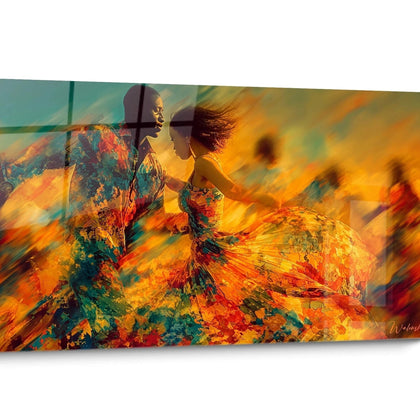
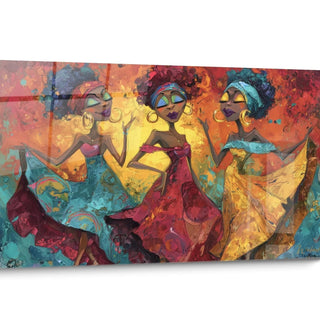
Feel the energy of vibrant rhythms with our African dance collection. Each artwork captures the expressive movement of traditional dancers, revealing the contagious joy of ancestral celebrations. These pieces energize your space with their infectious vitality, transforming your interior into a festival stage. The art of African movement expresses itself in all its cultural splendor, creating a festive and warm atmosphere that invites celebration.
 Purple and Blue Couple in a Whirlwind - Tango Surge - African Dance Edition233,90 €
 Blue Dancer Painting with Multicolored Dress - Vibrant Whirlwind - African Dance Edition233,90 €
 Painting Dancer blue dress and orange scarf - Joyful leap - African Dance Edition233,90 €
 Painting Ballerina Pink and Copper Skirt Holding a Jar - Overlapping Pastel Circles - African Dance Edition233,90 €
 Dancer with Raised Arms and Feathered Skirt Painting - Ceremonial Trance - African Dance Edition233,90 €
 Black and White Dancer Painting Swirling Veil - Graceful Whirl - African Dance Edition233,90 €
 Painting Dancer with Red and Ochre Curves - Suspended Whirl - African Dance Edition233,90 €
 Stylized Dancers Coral and Navy Blue Artwork - Shared Momentum - African Dance Edition233,90 €
 Stylized Ochre and Duck Green Dancers Painting - Shared Rhythm - African Dance Edition233,90 €
 Red and Grey Tango Dancers Painting - Whirlwind of Passion - African Dance Edition233,90 €
 Green and Terracotta Dancer Painting - Horizontal Stripe - Black Ink Splashes - African Dance Edition233,90 €
 Dance Painting - Silhouette of a dancer in green and olive with concentric disks - Leaf on the ground - African Dance Edition233,90 €
 Dance Dancers Silhouettes Green and Pink Stylized Foliage - Trio in Turban - Dance African Edition233,90 €
 Painting Dancer Navy Blue and Gold Dress - Suspended Flight - African Dance Edition233,90 €
 Tableau Silhouettes ochre and turquoise in motion - Common Rhythm - African Dance Edition232,90 €
 Painting Five Dancers in Ochre and Duck Blue Robes - Flaming Round - African Dance Edition233,90 €
 Geometric Dancers Painting with Ochre and Teal Dresses - Collective Momentum - African Dance Edition233,90 €
 Dance Silhouettes with Terracotta and Grey Discs - Suspended Momentum - African Dance Edition233,90 €
 Dance Dancer Silhouette terracotta and ivory repeated - Three beats of the step - African Dance Edition233,90 €
 Dance Dancers Coral and Anthracite in Rhythm - Repeated Rhythm - African Dance Edition233,90 €
 Painting Dancer with Raised Arms Orange Turban - Burst of Pride - African Dance Edition213,90 €
 Painting of Dancer in Vibrant Orange and Turquoise Robe - Ancestral Pride - African Dance Edition213,90 €
 Black and White Dancer Painting - Unveiled Veil - Breath in Motion - African Dance Edition213,90 €
 Stylized African Dancer Artwork - Tribal Energy - African Dance Edition233,90 €
Explore further
In African Dance Wall Art


In the same family
Also explore the theme Africa


All about African Dance Wall Art
- Presentation African Dance Art
- African Dance Painting - Cultural Symbolism
- African Dance Art - Decorative Impact
- African Dance Art - Premium Collection
African dance paintings capture the very essence of African cultural heritage through striking visual representations of ritual and festive movements. These wall art pieces transcend simple decoration to become true windows opening onto the centuries-old traditions of the African continent. Each piece reveals the richness of traditional body expressions, from warrior dances to community celebrations, creating an authentic and energetic atmosphere in your interior.
The Spiritual and Cultural Power of African Dance Painting
An African dance painting transcends classical decorative art to become a true portal to the spiritual and cultural traditions of the continent. These visual representations capture the sacred movements that accompany passage rituals, initiation ceremonies and ancestral celebrations. Each gesture frozen on the painted surface tells a thousand-year-old story, transmitting cultural codes and community values through codified choreographies.
What are the most commonly represented traditional dances?
Artistic creations generally favor the most emblematic choreographic expressions of African heritage. The mask dance, practiced during Dogon festivals, holds a prominent place with its angular movements and spectacular ritual costumes. The warrior dances of Maasai peoples, characterized by impressive jumps and geometric formations, also constitute a favorite subject for contemporary artists. The wedding celebrations of West African communities, with their circular formations and hypnotic rhythms, complete this rich palette of expressive symbols.
The authenticity of these representations lies in the precision of cultural details: specific body ornaments, traditional instruments accompanying the movements, characteristic facial expressions of each ethnicity. These distinctive elements allow the immediate identification of the geographic and cultural origin of the dance represented, offering an educational experience as much as an aesthetic one.
The Psychological Impact of Captured Movements
African choreographic representations possess a unique capacity to transmit the vital energy characteristic of these body expressions. Dynamic postures, moving bodies and collective formations create a sensation of perpetual vitality in the exhibition space. This visual dynamics naturally stimulates creativity and promotes a positive atmosphere, particularly sought after in creative professional environments or family living spaces.
The compositions often favor group scenes, illustrating the importance of community in African traditions. These collective representations reinforce the sense of belonging and unity, creating a warm and welcoming atmosphere. The use of earth and ochre colors, characteristic of African natural pigments, brings an organic and soothing dimension that harmoniously contrasts with contemporary urban lines.
How to choose based on cultural significance?
The selection of an African dance painting requires an understanding of the different symbolic registers represented. Initiatory dances, often represented by masked figures and ritualized movements, are particularly suitable for meditation spaces or personal reflection. They evoke transformation, passage and spiritual evolution.
- Fertility dances: ideal for family spaces, symbolizing abundance and prosperity
- Warrior rituals: perfect for offices and professional spaces, evoking strength and determination
- Community celebrations: excellent for living rooms, promoting conviviality and exchange
- Ancestral ceremonies: appropriate for private spaces, inviting contemplation and respect for traditions
This semantic approach allows you to harmonize the energy of the work with the specific function of each space, creating coherence between the decorative intention and authentic cultural symbolism.
Creating an Authentic Atmosphere with African Choreographic Art
Integrating an African dance painting into a contemporary interior requires a thoughtful approach to create a harmonious dialogue between ancestral traditions and modernity. These works possess a strong visual personality that can radically transform the atmosphere of a space, bringing a unique cultural and emotional dimension.
Why favor large dimensions?
Generous formats reveal the full complexity of African choreographic scenes, allowing appreciation of the expressive details of dancers and the spatial organization of collective formations. A large African dance painting becomes the natural focal point of the room, immediately capturing attention and inviting prolonged contemplation. The broad movements and expansive gestures characteristic of these dances require a visual expression space proportional to their energy.
This monumentality also makes it possible to create a true sensory journey, where the observer can immerse themselves in the represented scene. Large surfaces facilitate the identification of traditional instruments, ethnic ornaments and individual expressions within the group, considerably enriching the aesthetic and cultural experience.
Specific Decorative Associations
The decorative accompaniment of an African dance painting must respect cultural authenticity while harmoniously integrating into a modern environment. Natural materials such as bamboo, woven rattan and plant fibers create a coherent echo with African artisanal traditions. Ebony or mahogany sculptures representing traditional musical instruments reinforce cultural immersion without creating visual overload.
Lighting plays a crucial role in highlighting these works. Indirect lighting, evoking the light of a traditional campfire, accentuates the mystical and warm dimension of the represented scenes. This lighting approach contrasts with the direct lighting usually used for Western art, creating a more intimate atmosphere respectful of original cultural codes.
- Hand-woven textiles with traditional geometric patterns
- Furniture in authentic African wood species
- Decorative ritual objects and musical instruments
- Tropical vegetation evoking savanna and equatorial forest
How to create thematic continuity?
Creating a coherent environment around African choreographic art involves developing a visual narrative that respects the aesthetic codes of the continent. This approach goes beyond simply accumulating African objects to create a true immersive experience, where each element contributes to telling the story of peoples and their centuries-old traditions.
The color palette is the main guiding thread: ochre, Sienna earth, brick red and deep black tones characteristic of African art must be found subtly throughout the decoration. This color coherence makes it possible to unify the space while respecting the strong visual identity of the main painting.
Spatial organization can also draw inspiration from traditional African codes: circular arrangement of furniture evoking community assemblies, creation of conviviality zones promoting exchange and sharing, use of different levels recalling the natural terraces of traditional habitat. This spatial approach transforms domestic space into a place of permanent celebration of African culture.
Investing in Excellence: Guide to Acquiring Premium African Dance Paintings
Acquiring a high-quality African dance painting represents much more than a simple decorative purchase: it is an investment in contemporary African art and a contribution to the preservation of cultural heritage. The African art market is experiencing remarkable growth, driven by growing international recognition and increasing demand from informed collectors.
What criteria define artistic excellence?
Authenticity is the fundamental criterion for evaluating a premium work. An exceptional African dance painting stands out through the ethnological precision of its representations: traditional costumes faithfully reproduced, specific musical instruments correctly positioned, choreographic formations respecting ancestral codes. This cultural accuracy testifies to the in-depth research conducted by the artist and guarantees the documentary value of the work.
Pictorial technique also reveals the artist's level of expertise. Masters of African choreographic art excel in capturing movement, using specific techniques to suggest the fluidity of gestures and the dynamics of collective formations. The mastery of shadows and lights, particularly complex in nighttime scenes lit by campfire, distinguishes exceptional creations from standard commercial reproductions.
- In-depth ethnological research and historical documentation
- Advanced pictorial techniques for representing movement
- Quality of materials used and durability of the work
- Signature and authentication by recognized artist
The Evolution of the African Choreographic Art Market
The sector of representations of traditional African dances benefits from exceptional dynamics in the international art market. This growth is explained by the growing recognition of African cultural richness and increasing interest in authentic artistic expressions in an increasingly globalized world. Collectors now seek works with meaning and history, criteria perfectly met by African choreographic art.
Specialized galleries are observing particularly strong demand for large-format works, capable of creating significant visual impact in contemporary interiors. This trend favors artists mastering monumental techniques and capable of transposing the collective energy of African dances onto vast surfaces of expression.
Institutional recognition accompanies this evolution: international museums, cultural foundations and contemporary art centers are gradually integrating these works into their permanent collections. This institutional legitimization reinforces the heritage value and investment interest of these exceptional artistic creations. Discover our exclusive selection of African painting to enrich your collection.
How to assess cultural authenticity?
Expertise in African choreographic art requires in-depth knowledge of the continent's different cultural traditions. Each region has its own specificities: Sahelian dances are distinguished by their linear movements and geometric formations, while equatorial traditions favor circular movements and complex interactions between dancers.
Verification of authenticity involves detailed examination of represented cultural elements: type of masks used, specific accompanying instruments, traditional clothing corresponding to the region of origin, spatial organization respecting ceremonial codes. These technical details allow distinguishing documented works from fanciful interpretations or generic compositions.
Frequently Asked Questions About African Dance Paintings
How to maintain a large African dance painting?
Maintenance requires regular dusting with a dry microfiber cloth, avoiding chemical products that could alter traditional pigments. Maintain a stable temperature between 18-22°C and humidity of 45-55% to preserve material integrity.
Can you associate multiple African dance paintings in the same space?
Creating a thematic gallery is possible while respecting cultural harmony: favor works from the same geographic region or historical period to maintain ethnological coherence. Space the works adequately to allow individual contemplation of each piece.
What is the investment value of an authentic African dance painting?
The market shows an average appreciation of 15-25% annually for authenticated works by recognized artists. Historically documented pieces and large-format works present the best appreciation potential, particularly sought after by institutional collectors.
How to verify the ethical origin of an African dance painting?
Require an authenticity certificate detailing provenance, verify the reputation of the gallery or artist, and favor contemporary works created in respect of source cultural communities. Ethical creations directly contribute to the development of contemporary African artists.
Further reading


