


African Dance Painting Blue
The African Dance Painting Blue captures the vibrant energy of ancestral traditions in a captivating azure palette. This collection celebrates the richness of African culture through dynamic compositions where African female dancers in motion express themselves with grace and power. The shades of blue bring a contemporary dimension to African ethnic art, creating a harmonious dialogue between tradition and modernity. Perfect for enhancing your interior decoration with authenticity and elegance.
 African Dancers Painting - Tribal Celebration - African Dance Edition228,90 €
 African Dancers Tribal Tempo Painting - African Dance Edition273,90 €
 African Dancer Telluric Energy Painting - African Dance Edition273,90 €
 African Dancers Collective Choreography Painting - African Dance Edition273,90 €
 African Dancers Wolof Tradition Painting - African Dance Edition273,90 €
 Masks Traditions Painting - African Dance Edition242,90 €
 Dancers Village Festivities Painting - African Dance Edition273,90 €
 Senegalese Sabar Dancers Painting - African Dance Edition273,90 €
 Dancer Painting Spiritual Offering - African Dance Edition273,90 €
 Sacred Drum Musicians Wall Art - African Dance Edition273,90 €
 Dancers Sacred Drum Wall Art - African Dance Edition273,90 €
 Dancers Rhythmic Beats Wall Art - African Dance Edition273,90 €
 Dancers Liberating Movement Wall Art - African Dance Edition273,90 €
 Women Ancestral Choreography Wall Art - African Dance Edition273,90 €
 Dancer Painting Kora Enchantress - African Dance Edition273,90 €
 Musician Painting Ceremonial Rhythm - African Dance Edition228,90 €
 Dancers Painting Sahelian Cadence - African Dance Edition228,90 €
 Dancer Painting Ngoma Powerful - African Dance Edition228,90 €
 Woman Beating the Sacred Djembe Artwork - African Dance Edition228,90 €
Explore further
In African Dance Painting Blue



All about African Dance Painting Blue
- African Dance Blue Wall Art Presentation
- Symbolism of Indigo Nuances
- Contemporary Decorative Integration
- Atmosphere and Visual Energy
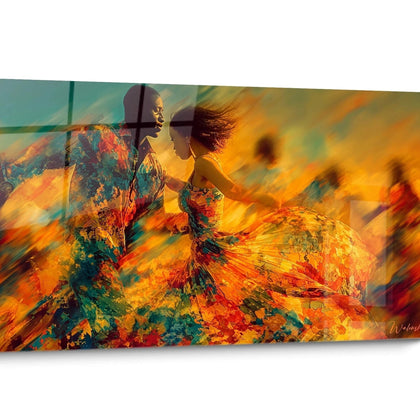
The blue African dance wall art represents a captivating artistic fusion between the traditional body expression of the African continent and a color palette with deep, soothing tones. This large-scale wall creation captures the essence of African choreographic movement while enveloping it in an azure atmosphere that radically transforms the usual perception of this ancestral art. Dancing silhouettes stand out against indigo, cobalt, or turquoise backgrounds, creating a striking contrast that magnifies each gesture frozen in time. This particular chromatic variation gives the work a meditative and contemporary dimension while preserving the emotional intensity of ritual dance. Adapted to modern living spaces seeking a distinctive cultural touch, this type of wall creation establishes a visual dialogue between choreographic tradition and decorative modernity.
The Symbolic Power of Azure Tones in African Choreographic Expression
The use of blue shades to represent African dance constitutes an artistically profound choice that transcends simple aesthetic preference. In many cultures across the continent, indigo and cobalt tones evoke celestial spirituality and connection to ancestral forces, transforming each captured movement into a visual meditation.
Why does blue revolutionize the perception of African dance?
Unlike the warm palettes traditionally associated with Africa, blue introduces a contemplative dimension that completely transforms the transmitted energy. This particular color creates a bridge between the exuberance of dance movement and the serenity of contemporary spaces. Azure gradients create atmospheric depth where silhouettes seem to float in timeless space, accentuating the transcendent dimension of each posture. This chromatic approach also allows these representations to be integrated into minimalist or Scandinavian environments without creating visual disruption, while maintaining a strong cultural presence.
Chromatic variations serving emotional intensity
A blue African dance wall art can display an entire range of shades, from deep midnight blue to luminous cyan, each conveying specific energy. Dark tones like Prussian blue reinforce the ceremonial and mystical character of the representations, ideal for spaces dedicated to reflection or nighttime relaxation. Conversely, electric blues or turquoise infuse modern vitality that resonates particularly in creative spaces or urban lofts. This chromatic versatility allows the work to be adapted to the desired ambiance while preserving the authenticity of the choreographic movement represented.
The intersection between ceremonial tradition and oceanic aesthetic
Bluish tones also establish a fascinating dialogue with aquatic references, creating a visual metaphor where the fluidity of dance meets that of natural elements. This association enriches the interpretation of the work by suggesting that dance movement possesses the same natural and eternal force as waves or tides. For collectors seeking a complex narrative dimension, this overlay of symbolics offers rare interpretative richness. Large-scale creations exploiting this duality become meditative focal points particularly suited to wellness spaces or architects' offices. For a more geometric approach to this theme, explore our collection of abstract African dance wall art that deconstructs choreographic forms into refined compositions.
Integration Strategies to Maximize Visual Impact of Azure Compositions
How to position a blue African dance wall art in a contemporary environment?
Installing a large-scale work representing African dance in blue tones requires thorough spatial reflection to fully reveal its expressive potential. These wall creations function remarkably as architectural pivots in open spaces where their imposing format can structure the visual whole of the volume. Environments with white or pearl gray walls constitute ideal settings that amplify the presence of blue nuances while allowing dancing silhouettes to fully express themselves.
Chromatic interaction with surrounding furniture and textiles
Successful integration of a blue African dance wall art relies on thoughtful orchestration of adjacent decorative elements. Furniture in light natural wood, such as oak or ash, creates a warm contrast that balances the freshness of azure tones without competing with them. Textiles in ecru linen, raw cotton, or bouclé wool generate tactile texture that complements the visual expressiveness of the work. For bolder spaces, introducing touches of brushed copper or aged brass establishes sophisticated dialogue with luminous reflections of the brightest blue zones. This strategy allows full valorization of chromatic nuances while anchoring the work in a coherent decorative ecosystem.
Privileged professional and commercial environments
Beyond residential spaces, paintings representing African dance in blue palette find particular resonance in specific professional contexts. Psychology or body therapy offices benefit from this symbolism of movement enveloped in azure serenity. Multicultural coworking spaces use these creations to affirm values of openness while maintaining an atmosphere conducive to concentration thanks to the soothing dimension of blue. Hotel boutiques and spa establishments exploit this combination to create a memorable visual signature associating cultural exoticism and relaxation. In these contexts, the monumental format of the work reinforces its status as a strong identity element, actively participating in the overall sensory experience of the space.
Innovative decorative associations to amplify visual narrative
To create a coherent decorative ensemble around a blue African dance wall art, prioritize elements that extend its narrative without repeating it literally. Handcrafted objects in deep blue glazed ceramic displayed on wall shelves create subtle chromatic echoes. Tropical plants with graphic foliage like strelitzia or alocasia introduce an organic dimension that resonates with the cultural aspect of the work. Adding luminaires in natural woven fibers generates dancing shadow plays that amplify the kinetic dimension of the painted composition.
The Atmospheric and Psychological Influence of Blue Choreographic Representations
What emotional energy does a blue African dance wall art diffuse in an interior?
The presence of a monumental work combining African dance movement and azure palette generates a particularly distinctive atmosphere that acts simultaneously on multiple perceptual registers. On the emotional level, this chromatic association establishes a rare balance between expressive dynamism and contemplative quietude, allowing space occupants to benefit from visual stimulation without agitation. Environmental psychology research demonstrates that blue tones promote stress reduction and improved concentration, qualities amplified here by the narrative dimension of the represented subject.
Modulating ambiance according to natural light cycles
One of the most fascinating aspects of a large-format blue African dance wall art lies in its ability to evolve visually according to daily luminous variations. In early morning hours, when grazing light skims the surface, indigo nuances reveal an almost velvety depth that envelops silhouettes with a meditative aura. At midday, under direct light, cobalt and cyan tones intensify, giving the work an energizing presence that revitalizes the space. In the evening, under indirect artificial lighting, the darkest zones partially blend into shadow while bright accents emerge as luminous fragments, creating a completely renewed nocturnal composition. This continuous transformation makes the work a living element that accompanies the biological rhythms of occupants.
Impact on spatial and volumetric perception of large spaces
In generous volumes like lofts or cathedral-style living rooms, a blue-toned African dance painting functions as a visual anchor that structures space perception without partitioning it. The cool blue nuances possess the optical quality of appearing to recede visually, thus creating an impression of increased depth that perceptually enlarges the volume. Simultaneously, the figurative nature of dancing silhouettes attracts the gaze and creates a convergence point that prevents the space from appearing disorganized or dispersed. This functional duality makes these works particularly suitable solutions for modern open spaces where zone delineation occurs more through visual signals than physical separation.
FAQ: Frequently Asked Questions about Blue African Dance Wall Art
Is a blue African dance wall art suitable for interiors with dark wood furniture?
Absolutely, blue tones even create sophisticated contrast with dark woods like walnut or wengé. This association generates remarkable visual depth where each element valorizes the other. To avoid an overly dark effect, ensure you have sufficient light sources and some bright touches in textiles.
Do choreographic representations in blue palette work in a bright living room facing south?
Highly luminous spaces actually constitute an ideal setting for these creations, as the abundance of natural light reveals all the subtleties of chromatic variations. Blue will tend to lighten under luminous intensity, creating an atmosphere that is both lively and refreshing, particularly appreciated during warm months.
Can multiple blue tones be combined around a blue African dance wall art?
This monochromatic approach works excellently provided you vary textures and intensities. Combine saturated blues in the work with faded or powdered blues in cushions and rugs, and deep blues in a few decorative accessories. This strategy creates an enveloping chromatic envelope without visual monotony, reinforcing the impact of your primary wall composition.
L'art qui suscite l'envie
Maison belge d'art mural grand format
14 jourspour changer d'avis*
Protection Walenskyincluse
Fabriquéen Italie
FormatXXL
Kit de fixationtoujours fourni
* Hors tableaux personnalisés et tailles personnalisées


