


African Tribal Dance Wall Art
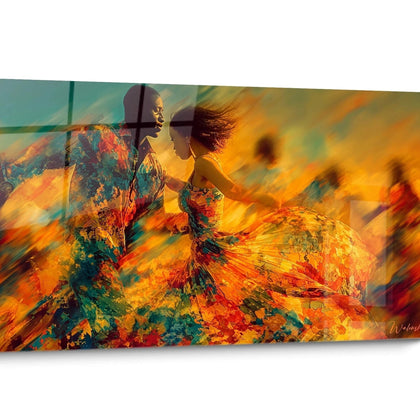
Our Painting Danse africaine Tribal collection captures the vibrant essence of the ancestral traditions of the African continent. Each artwork celebrates the expressive power of danses rituelles africaines, immortalizing the sacred movements and spiritual energy passed down from generation to generation. The compositions reveal the beauty of cérémonies tribales traditionnelles, blending shimmering colors and dynamic forms to transform your space into an authentic ethnic art gallery.
 Stylized African Dancer Artwork - Tribal Energy - African Dance Edition273,90 €
 Modern African Dancer Artwork - Tribal Elegance - African Dance Edition273,90 €
 Tribal Dancer Painting - Ancestral Movement - African Dance Edition273,90 €
 African Dancing Woman Painting - Spiritual Grace - African Dance Edition273,90 €
 African Dancers Painting - Tribal Celebration - African Dance Edition228,90 €
 African Warrior Painting - Traditional Ritual Dance - African Dance Edition228,90 €
 Dancers Tribal Rhythm Painting - African Dance Edition273,90 €
 African Dancers Tribal Tempo Painting - African Dance Edition273,90 €
 Masks Traditions Painting - African Dance Edition242,90 €
 Sacred Drum Musicians Wall Art - African Dance Edition273,90 €
 Musician Painting Ceremonial Rhythm - African Dance Edition228,90 €
 Dancer Painting Ngoma Powerful - African Dance Edition228,90 €
 Dancer Painting Ancestral Passage - African Dance Edition228,90 €
Explore further
In African Tribal Dance Wall Art



All about African Tribal Dance Wall Art
- African Tribal Dance Painting Presentation
- Tribal Visual Power
- Ancestral Symbolism
- Ethnic Decorative Impact
The African tribal dance painting captures the essence of ancestral rituals where each movement tells a millennia-old story. These imposing wall representations transform your interior into a cultural sanctuary, celebrating the profound connection between humanity, earth, and spirits. Each large-scale artwork engages in dialogue with modern architecture while conveying the raw energy of initiatory ceremonies. Discover how these monumental pieces redefine contemporary space by infusing it with a timeless soul, where ornamental scarifications, ceremonial adornments, and codified postures become universal language.
Corporeal Expression of Warrior and Spiritual Traditions
The African tribal dance paintings capture the hypnotic gestures of warrior ceremonies and initiation rites where each posture possesses precise cosmological significance. These monumental representations showcase dancers with scarred bodies adorned with motifs, wearing zoomorphic masks and traditional pearl adornments, arranged in spatial configurations evoking collective trance.
How do tribal body motifs strengthen visual authenticity?
Ritual scarifications, paintings in white clay and red ochre, traditional geometric tattoos create a visual grammar specific to the represented ethnicities. These authentic anatomical details radically distinguish tribal style from contemporary interpretations, bringing the ethnographic density sought by collectors of authentic African art. The scope of available formats allows appreciation of these ornamental microstructures that tell stories of clan belonging and initiatory status.
The dynamics of group formations in ceremonial dances
Unlike individual representations, the tribal painting emphasizes choreographic compositions where multiple dancers form initiatory circles, processional lines, or spiral configurations. These arrangements reflect village social structures and intergenerational transmission of esoteric knowledge. For spacious offices or professional reception areas, these collective scenes generate monumental presence.
Which iconographic elements distinguish specific tribal dances?
Each African region possesses its distinctive gestural repertoire: acrobatic leaps of Maasai warriors, hypnotic undulations of Beninese voodoo dances, synchronized ground strikes of Dogon initiation rituals. An authentic African tribal dance painting integrates these ethnographic particularities rather than generic stereotypes. Connoisseurs immediately identify cultural origins through represented traditional instruments, ceremonial hairstyles, and specific ritual textiles.
Dramatic intensity also manifests in violent chromatic contrast between dark bodies and applied mineral pigments, creating optical vibration amplifying kinetic energy. This visual tension particularly suits contemporary minimalist architectures seeking a disruptive focal point. If you explore different stylistic approaches, also consider more contemporary interpretations of abstract African dance paintings that transpose these same energies into refined formal language.
Cosmology and Symbolic Language of Ritual Movements
Beyond spectacular aesthetics, each African tribal dance painting constitutes a visual codex where limb positions, gaze direction, and ceremonial attributes convey precise esoteric messages destined for initiates. These wall artworks function as spiritual cartographies linking the visible world to invisible forces governing communal existence.
The mediating function between earthly and spiritual worlds
Represented tribal dancers occupy a liminal position, serving as channels between deceased ancestors, natural divinities, and the living community. Their precarious balancing postures, arms raised skyward or bodies bent toward earth, materialize this cosmic bridge function. Such a painting in a private meditation space or personal library enriches contemplative atmosphere through references to African shamanic practices.
Why do ceremonial masks occupy a central place?
Zoomorphic and anthropomorphic masks worn during tribal dances do not simply decorate faces: they ontologically transform the wearer into a specific spiritual entity. An authentic African tribal dance painting devotes meticulous attention to these ritual attributes, detailing sculpted horns, articulated jaws, raffia adornments, and sacred pigments. These iconographic elements directly speak to first-art collectors seeking anthropological depth.
Visual rhythms translating drummed polyrhythmias
Pictorial composition itself embraces the complex rhythmic structures of percussions accompanying tribal dances. Form repetitions, size variations among dancers, and irregular spacing create visual cadence evoking djembes, water drums, and metal sistrums. This silent musicality amplifies sensory impact in acoustically neutral spaces.
How to distinguish fertility dances from funeral dances?
Codified corporeal gestures reveal ceremonial function: circular hip movements and rounded arms for fertility rituals, jerky displacements and downward-turned gazes for funeral ceremonies. An informed enthusiast selects their painting according to the emotional tone desired for the destination space. Imposing formats allow discernment of these gestural nuances that would be lost in reduced dimensions, offering enriched anthropological daily reading.
Spatial Integration and Dialogue with Contemporary Architecture
Installing a large-scale African tribal dance painting requires understanding the visual tensions generated between African vernacular aesthetics and Western modernist refinement. This stylistic confrontation creates bold decorative opportunities when orchestrated according to controlled contrast principles rather than forced harmonization.
Why privilege structural walls rather than decorative ones?
These ceremonial representations demand architectural surfaces assuming primary spatial function: the wall behind a monumental staircase, the partition separating two functional zones, the entrance panel establishing the location's identity. Placing a tribal painting on a secondary surface dilutes its space-redefining power. The available generous dimensions correspond precisely to these strategic locations where the artwork becomes an architectural element in its own right.
The chromatic rupture effect in monochrome interiors
The dominant earthy palettes (ochres, burnt sienna, clay reds, kaolin whites) powerfully contrast with contemporary Scandinavian or minimalist interiors in cool tones. This thermal color collision generates optical vibration maintaining visual attention, transforming the African tribal dance painting into a spatial energy generator. For commercial spaces seeking strong identity, this chromatic impact functions as memorable visual signature.
How do monumental formats modify volumetric perception?
A tribal representation exceeding 150 centimeters in width no longer simply decorates: it reconfigures spatial proportion perception. Human silhouettes represented at near-human scale create quasi-physical presence, visually populating space with a virtual assembly. This silent companionship effect particularly suits vast contemporary living areas where occupants seek emotional density counterbalancing cold glass and raw concrete surfaces.
Lighting strategies valorizing tribal contrasts
Lateral raking light sources accentuate represented textures (scarifications, weavings, pearl ornaments) while diffused frontal lighting preserves narrative legibility of choreographic scenes. The absence of reflective surfaces in these representations allows lighting flexibility impossible with other artistic media. Discerning collectors exploit this property to create variable lighting dramatizations depending on time of day.
Is an African tribal dance painting suitable for professional spaces?
Absolutely, particularly for creative sectors, architecture offices, coworking spaces, and design showrooms seeking distinctive visual identity. The affirmed cultural dimension communicates international openness and anthropologically valued sensitivity professionally.
What viewing distance to plan for appreciating a large-format African tribal dance painting?
Since tribal compositions are designed for simultaneous perception of their overall narrative and ornamental details, ideally plan a distance equivalent to 1.5 times the painting's diagonal. This configuration enables alternation between global vision of the ceremonial scene and exploration of specific body motifs.
Do tribal representations of African dances pair with contemporary furniture?
The contrast between refined lines of modernist furniture and ornamental density of tribal scenes creates precisely the visual tension sought in sophisticated interiors. However, avoid overcrowding by limiting other ethnic decorative elements to preserve the monumental painting's focal impact.
L'art qui suscite l'envie
Maison belge d'art mural grand format
14 jourspour changer d'avis*
Protection Walenskyincluse
Fabriquéen Italie
FormatXXL
Kit de fixationtoujours fourni
* Hors tableaux personnalisés et tailles personnalisées


