

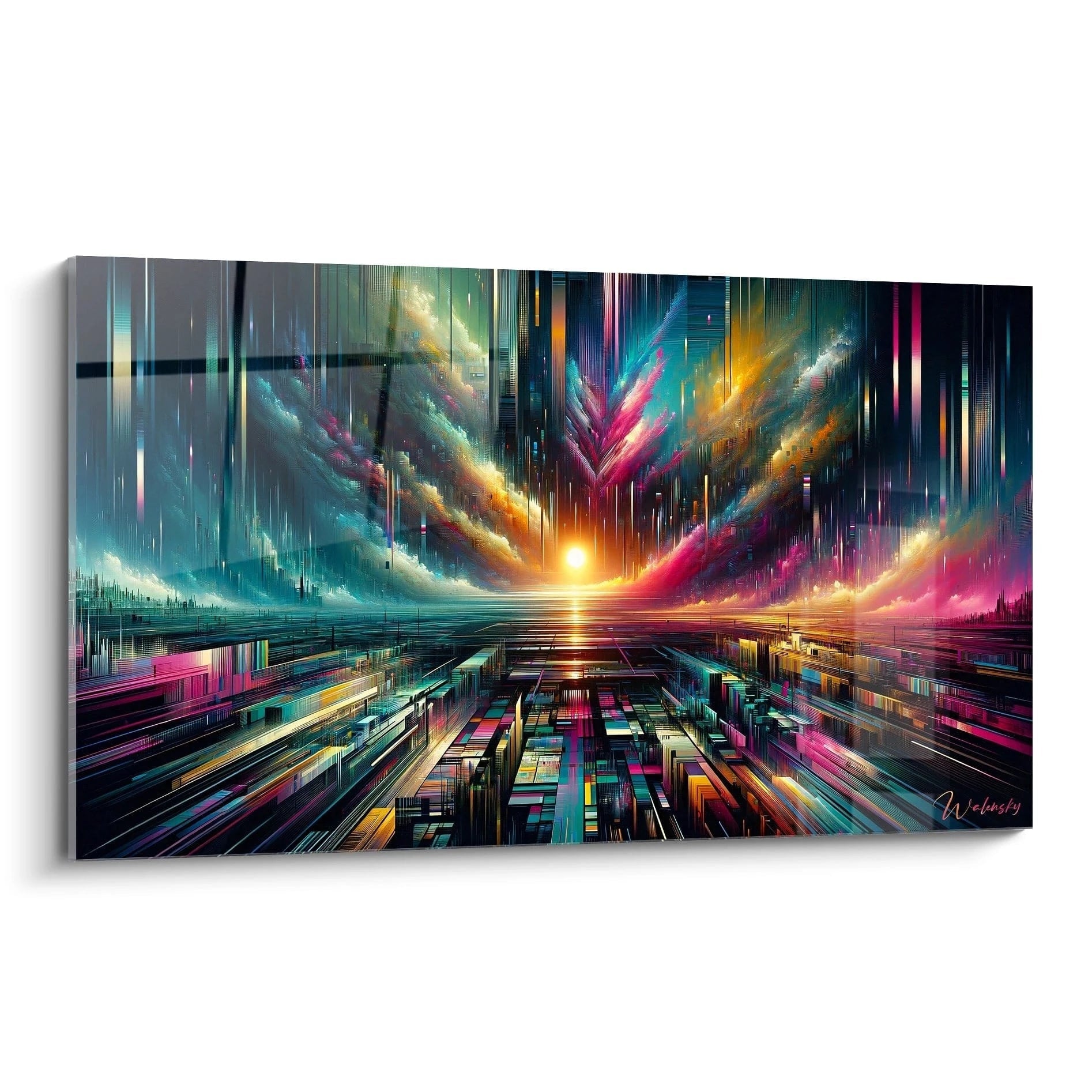
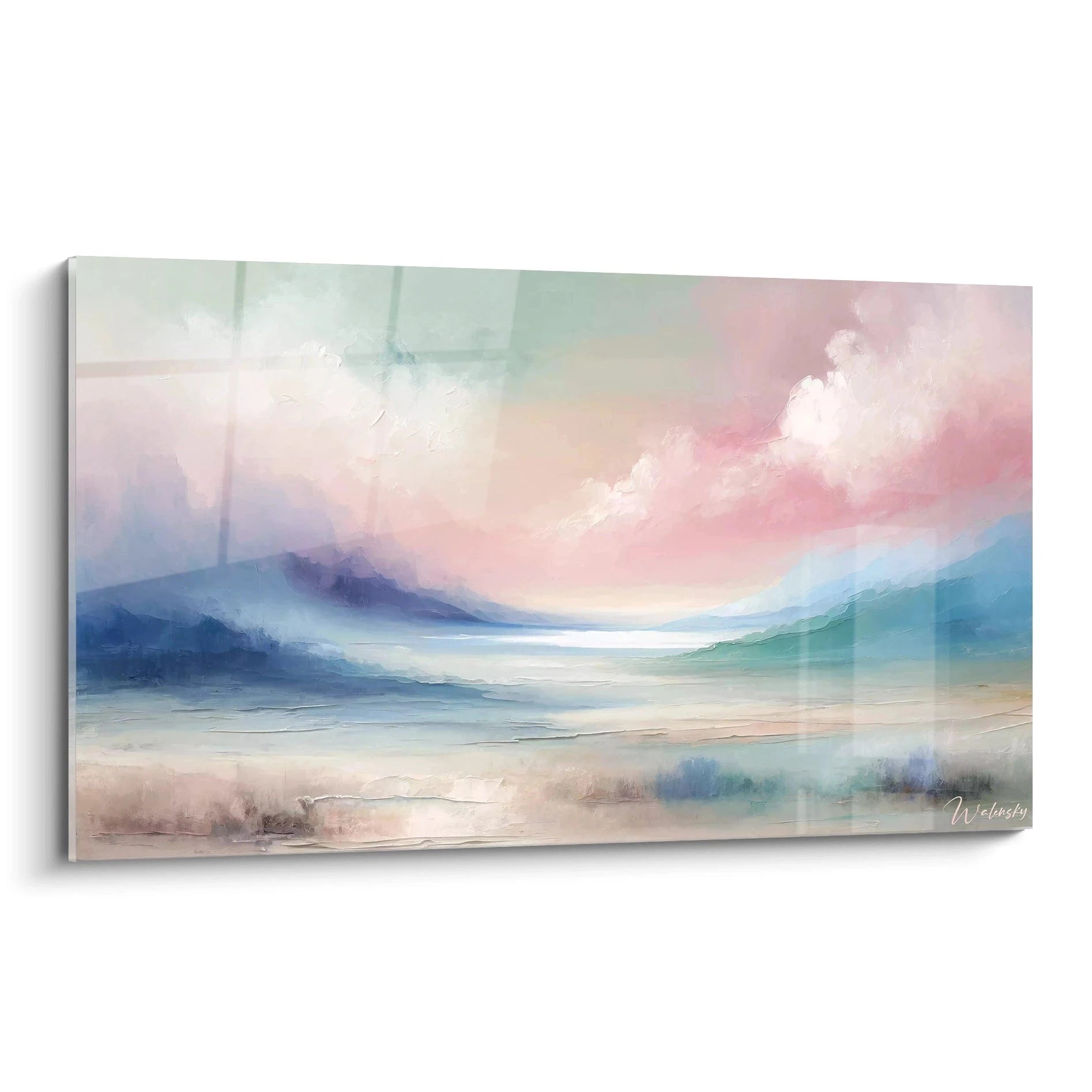

Tableau rental for events: a great idea?
October 11, 2025 · 22 min read · by Walensky
Are you planning a wedding in three weeks and your reception hall still looks like an impersonal warehouse? Every time you visualize your guests in this empty space, you feel your stomach clench.
The blank, cold walls taunt you, the planned floral decorations seem insignificant against the vastness of the venue, and you suddenly realize that the ambiance of your big day is likely to be as bland as a municipal hall.
You've already tried traditional centerpieces and string lights, but facing these large empty wall surfaces, everything seems ridiculously small and scattered. Even your wedding planner seems to be short on creative ideas.
It's perfectly normal to feel overwhelmed: most decorative solutions focus on the horizontal while the visual impact of a space is largely determined by the walls. Event professionals know this well.
By the end of this article, you will know exactly how to transform any venue into a prestigious setting thanks to art rentals, and discover why this revolutionary solution is now one of the best-kept secrets of top event organizers.
Why are your empty walls sabotaging your event's ambiance?
Wall art represents 60% of the visual impact of a space according to studies in environmental psychology. Neglecting this dimension is like preparing a gastronomic feast on a cardboard plate: the content may be exceptional, but the overall experience remains disappointing. Each day that passes without a solution brings you closer to an event that will lack the distinctive elegance you have been imagining for months.
🎭 Revelatory testimonial: Sarah, a wedding planner in Lyon, says: "I organized two identical receptions a week apart. Same caterer, same florist, same lighting. The only difference? Paintings rented for the second one. Guests still talk to me about 'that magical and sophisticated atmosphere' two years later, while no one ever mentions the first reception."
Conversation with a decor expert
The 7-second rule of first impressions: This is the time it takes for your guests to subconsciously judge the standing of your event when entering the room. Walls adorned with artwork immediately trigger a perception of prestige and attention to detail. Observable result: your guests naturally adopt a more elegant posture and take more photos in the first 30 minutes.

Our highlight
Awaiting the Waves Painting - Marine Landscape Edition
233,90€
Discover this artwork →Why your current decor is not enough?
You multiply sophisticated centerpieces, you invest in expensive ambient lighting, you order breathtaking floral arrangements. Yet, something feels off: the overall look lacks coherence and the space always seems cold and impersonal.
The experience you're having is nothing unusual. The problem doesn’t come from your decorative choices, but from the fact that 95% of classic decorative elements are concentrated in the lower part of the space (tables, floors, first few meters of walls). However, our eye perceives the overall architecture before the details.
It's like trying to warm up a cathedral with table candles: the intention is beautiful, but the scale doesn’t match the stakes.
The truth about the psychological impact of bare walls
Contrary to what most organizers think, bare walls are never neutral. They subconsciously send a message of incompleteness, of temporariness, which contaminates the entire atmosphere.
Imagine a gourmet restaurant with bare walls: even with the best cuisine in the world, you would feel like you’re in a chic canteen. The absence of wall art transforms even the most sophisticated space to functional rather than emotional.
In your daily life, you immediately feel the difference between a chain hotel and a palace: it’s the artwork on the walls that creates a sense of understated luxury and attention to detail.
🔍 Quick test: Look at photos of recent high-end events on the social networks of renowned organizers. Count how many have bare walls versus walls adorned with art. The ratio will surprise you and confirm this invisible rule of the industry.
The trap of "horizontal" decoration
The majority of decorators focus on tables, the floor, and the first 50 centimeters in height. Result: 60% of the visual space remains unexploited. It’s exactly like wearing a tuxedo with sneakers.
Think of developers' show apartments: they invest heavily in wall art because they know that it’s what makes them feel upscale even before visitors analyze the finishes or furnishings.
When your guests leave with the impression that “something was missing” without knowing exactly what, it’s usually this neglected vertical dimension that explains their mixed feelings.
The mistake of a "temporary" approach
Many people say to themselves: "It's just for one evening, the point is not to invest in the walls." But this logic ignores the halo effect that an artistic environment has on the overall perception of your event.
Observe your own behavior in an exceptional venue versus a basic one: you don’t stand the same way, you don’t speak at the same volume, you don’t take the same photos. Wall art immediately elevates the overall level.
Your guests carry this feeling of exception longer than the memory of the meal or the flowers. It’s the overall aesthetic experience that will mark their memories and their future conversations.
3 signs that your walls are sabotaging your event:
- Your guests huddle in the center of the room: This is a sign that the walls don’t “attract” them and do not create visual interest points for natural circulation
- Photos from the evening always show the same close-up shots: Unconsciously, your guests avoid wide shots that would reveal the poor wall decor
- The atmosphere takes more than 30 minutes to set in: Without wall stimulation, your guests need more time to “enter” the festive spirit of the event
The trigger factor: elegance through art
Wall art acts as an ambiance amplifier: it doesn’t just decorate, it transforms the psychological perception of the entire space. It's a domino effect of refinement: once your guests evolve in an artistic environment, they naturally adopt more elegant behaviors and unconsciously participate in the overall atmosphere elevation. To identify this effect at your events, observe the posture and conversation level of your guests during the first few minutes: in a space without art, they remain “in functional mode”, with wall art, they immediately switch to “experience mode”.
The decorative triangle rule: A successful event relies on three levels: the floor (rugs, floor lighting), the tables (centerpieces, tableware), and the walls (art, texture). Neglecting one of the three levels automatically creates a visual imbalance perceptible by everyone, even unconsciously. Immediately check by listing your decor investments per height zone.
| ❌ Classic horizontal decoration | ✅ Artistic wall approach | 💡 Psychological mechanism | 🎯 Practical benefit |
|---|---|---|---|
| Sense of "upgraded cafeteria" | Impression of a private art gallery | Art instantly elevates perceived status | Photos naturally more flattering |
| Guests grouped in the center, static | Natural circulation towards artworks | Art creates visual attraction points | Richer conversations and discoveries |
| Ambiance that easily "falls" | Continued and constant sophistication | The artistic environment maintains the elevation | Sustained energy throughout the evening |
| Visible and quantifiable decor budget | Impression of discreet and natural luxury | Art suggests more than it shows | Prestige effect without ostentation |

How to choose and rent artworks that transform your event
Transforming your event space with wall art is not complicated once you know the logic of progression. Imagine yourself as a temporary curator: you will first define the desired atmosphere (the soul of your exhibition), then select the artworks that serve it (the collection), and finally orchestrate their placement (the staging). At each step, you will see your vision become clearer and that the event takes on a dimension much richer than what you initially imagined.
🎨 Overview of the method: Three logical steps lead you from concept to realization: first, analyze your space and style (foundations), then select coherent artworks (construction), finally installation and finishing touches (dressing). Each step brings you a visible satisfaction: after step 1, you clearly visualize your event; after step 2, you have your collection; after step 3, you discover the magic happening.
Step 1: Define your artistic line (the foundations)
Starting with this step avoids the pitfall of dispersion that haunts 90% of enthusiasts: choosing artworks individually appealing but inconsistent together. It's like building a house starting with the furniture: the result can only be shaky. Once this base is laid, you will feel the satisfaction of the right choice which naturally guides all your subsequent decisions.
What you need for this analysis
- Photos of your space under different lighting: It looks like a simple photo report, but it's your raw material to understand volumes and dominant colors. Take them at different times (day, evening, artificial lighting) because light reveals nuances that the eye neglects on the spot. Avoid smartphone photos in automatic mode which distort colors: prefer a camera or ask a friend to help you with a good smartphone in manual mode.
- Reference Ambience (magazine, Pinterest, Instagram): Find 3-5 images of events that emotionally resonate with you, even if they have nothing to do with your own. The principle: identify what triggers your favorite and transpose it into your context. An "English cosy cottage" atmosphere can perfectly inspire a modern wedding; it's the feeling you want to recreate, not the imitation.
- Overall budget including delivery and installation: Allow approximately 15 to 25% of your total decoration budget for wall art; this is the investment that will have the greatest visual impact. This proportion may seem high, but it reflects the transformative power of art on the entire event - the other decorative elements will automatically appear more refined.
Now let's move on to practical application.
How to analyze your space like a professional
Map your strategic walls: Identify the 2-3 walls that your guests will see first upon entering, then those visible from the main conversation areas. These "first impression" walls deserve the most impactful artworks; others can accommodate more discreet complementary pieces. Do not try to cover all the walls: it is better to have 3 exceptionally decorated walls than 8 moderately decorated ones.
⏱️ Time: 15 minutes | ✅ Success when: You know how to rank your walls by visual importance | ⚠️ Attention: Do not confuse the largest wall with the most strategic - it is often the smallest and well-placed one that creates the maximum impact
Determine your existing color palette: List the 3 dominant colors of your planned decoration (tablecloths, flowers, lighting) and identify whether you want to create harmony (works in the same tones) or an elegant contrast (works that subtly stand out). The classic mistake: choosing artworks that are too colorful which compete with the rest instead of enhancing it.
⏱️ Time: 10 minutes | ✅ Success when: You can describe your artistic direction in one sentence | ⚠️ Attention: Avoid wanting to "match" everything perfectly - art should bring a touch of character, not disappear into the whole
Calculate optimal dimensions: For each priority wall, measure and divide by 3 to get the ideal width of artwork (an artwork that occupies 1/3 of the wall width creates the perfect balance). If you plan to have multiple artworks on the same wall, space them 20-30cm apart and treat the whole as a single composition. This rule of proportions will immediately transform the impression of amateurism into professional sophistication.
⏱️ Time: 20 minutes | ✅ Success when: You have your target dimensions for each location | ⚠️ Attention: Many underestimate the necessary sizes - if in doubt, plan larger, the visual impact will be multiplied
✨ Step 1 Validation: You should be able to describe your project in 30 seconds to a loved one and have them immediately visualize the atmosphere. If you're still unsure between several directions, that's normal - choose the one that resonates with you emotionally. If in doubt, refer to your reference images: they never lie about your deep tastes. The next step will concretize this vision.
— Our selection


OUR RECOMMENDED PRODUCTS
Step 2: Select your artworks strategically
You are now moving to the next level: the creation of your temporary collection. What fundamentally changes, is that you no longer choose individual artworks but an overall harmony that tells a story. This step is particularly rewarding as you see your artistic vision take shape and you develop a more confident eye as you make selections.
Your professional selection tools
- Online rental catalog or showroom: Prioritize platforms that allow you to view multiple artworks together or offer personalized advice. A good rental service will show you how the artworks harmonize rather than simply presenting them individually. Be wary of catalogs that only show isolated artworks on a white background - you risk unpleasant surprises once installed in your context.
- Personal selection grid: Create a simple table with the criteria that matter to you: visual impact, consistency with your theme, ease of installation, fragility, price. Rate each artwork on these criteria to avoid purely emotional choices that could create inconsistencies. This method saves you valuable time and avoids last-minute regrets.
- Booking and delivery schedule: The best artworks for events are often booked weeks in advance, especially during peak season. Plan your final selection at least 3 weeks before the event to have a choice, and 6 weeks for busy periods (May-June, September-October). Anticipation gives you access to the finest pieces and avoids last-minute stress.
The selection method in 3 steps
Choose your "signature artwork": Start by selecting the masterpiece that will set the tone for the whole - generally the one intended for the main wall. This artwork should provoke an “immediate crush” while respecting your technical criteria. It will serve as a reference to harmonize all other selections and guide your guests towards the desired atmosphere from their entry.
⏱️ Time: 45 minutes | ✅ Successful when: You feel that sense of discovery and already visualize the effect on your guests | ⚠️ Attention: Resist the temptation to choose the most spectacular artwork if it doesn't suit your ambiance - harmony is more important than surprise
Compose your secondary collection: Select 2-4 complementary artworks that "converse" with your signature piece without competing with it. Think variations on a theme: same palette but different techniques, or the same style but varied sizes. The goal is to create a consistent visual journey that enriches the experience without creating artistic cacophony.
⏱️ Time: 30 minutes | ✅ Successful when: Your artworks form a balanced ensemble where each has its place | ⚠️ Attention: Avoid the pitfall of "everything in the same style" which would make the whole thing monotonous - look for unity in controlled diversity
Validate the overall impact: Use mental visualization or photo mockups to evaluate the global effect of your selection in your space. Imagine your guests discovering each artwork and moving from one to another. If you detect any visual "holes" or tensions between certain pieces, this is the time to adjust before the final order.
⏱️ Time: 20 minutes | ✅ Successful when: You already anticipate the reactions of admiration from your guests | ⚠️ Attention: Never underestimate the effect of accumulation - what seems perfect separately can create a visual overload once assembled
🎯 Validation of step 2: Your collection is ready when you can explain in one sentence why each artwork has its place in the ensemble and how they interact with each other. Test yourself: show your selections to a trusted person and observe their immediate reaction - spontaneous enthusiasm is an excellent indicator of success. If you still feel doubts, refine rather than questioning everything.
Step 3: Orchestrate the installation like an expertYou are now reaching the level of mastery where your vision becomes a tangible reality. The difference with an amateur lies in the details of installation: placement height, specific lighting, artwork protection. This final step will give you that unique satisfaction of seeing your space transform before your eyes and realizing that each technical decision contributes to the overall effect you had imagined.
Your professional installation kit
- Secure hanging system adapted to walls: Find out about the nature of your walls (drywall, concrete, brick) and provide the appropriate fixings. For heavy or valuable artworks, invest in expansion hooks or hanging rails rather than simple nails. Safety is more important than economy - an artwork that falls can cost much more than a professional hanging system. Accent lighting: Art without appropriate lighting loses 70% of its impact. Plan for directional spotlights or mobile lighting rails that will reveal the colors and textures. General ambient lighting is never enough to enhance a work - you need to create this "lighting dramaturgy" that guides the eye to the details.
- Protection and temporary insurance: Check the insurance conditions included in your rental and the prohibited gestures (handling, cleaning). Provide discreet cords or barriers if your guests risk getting too close, especially during events with children or when serving alcohol. Prevention avoids incidents and allows you to enjoy your evening serenely.
Installation according to the rules of art
Position at perfect height: Place the center of each work 1.60m from the ground (standard museum height) for optimal viewing comfort. For large works, this rule can be adjusted by 10-15cm upwards. This height allows all your guests, regardless of their size, to appreciate the works without effort or visual discomfort.
⏱️ Time: 10 minutes per work | ✅ Successful when: Each work naturally reveals itself without having to raise or lower your head | ⚠️ Attention: The classic mistake is to place too high for fear of damage - prefer protection by space rather than height
Create accent lighting: Orient your light sources at a 30° angle from the surface of the work to avoid reflections and reveal reliefs. Test the lighting at different times during your event (day/evening/ambient lighting) as the ideal intensity varies depending on the overall lighting context. Good art lighting creates this "aura" that immediately distinguishes the work from the wall and gives it its presence.
⏱️ Time: 15 minutes per work | ✅ Successful when: The work "stands out" naturally from the wall without dazzling | ⚠️ Attention: Avoid overly powerful lighting that turns your works into billboards - subtlety creates elegance
Finalize overall staging: Step back and observe the overall effect from different viewpoints of your guests. Adjust angles, spacing, and check that the visual path naturally guides from one work to another. This step often reveals harmonization details that transform a simple installation into a true exhibition staging.
⏱️ Time: 25 minutes | ✅ Successful when: The space exudes this natural sophistication that characterizes exceptional places | ⚠️ Attention: Resist the temptation of "more and more" - sometimes, slightly moving a work or removing an element reveals the whole better
🏆 Final Check : Your installation is successful when you feel that quiet pride of a job well done and the space surprises you with its transformation. Invite a trusted person to discover the ensemble without comment - their spontaneous amazement will confirm your success. Well-installed art isn't noticed for its technique but for the emotion it immediately provokes.
The rule of progressive validation : Don’t move on to the next step until the previous one gives you complete satisfaction and you master its challenges. Each well-executed step facilitates the following and avoids costly backtracking in terms of time and stress. Impatience is the enemy of excellence - it's better to take the time to do things right than to rush towards a disappointing result.
You now master the fundamentals, but some expert subtleties can multiply the impact of your installation and truly set you apart from amateur approaches. These advanced techniques are used by the best event organizers to create this visual signature that keeps their clients loyal year after year.
🎨 Professional curator technique : Create a subtle visual “red thread” by repeating a specific artistic element (color, shape, or texture) in at least 60% of your selected artworks. This subconscious consistency unifies the whole without monotony and gives that impression of thoughtful sophistication that characterizes major exhibitions. For example, a shade of blue appearing in three different works will subconsciously create a feeling of mastered harmony among your guests.
Frequent question from our readers
"I find the idea brilliant but I'm afraid my guests will find it strange to have rented artworks for an evening... How can I avoid it looking artificial?"
Your concern is very understandable and even reveals your good taste - you are seeking authenticity rather than effect. The key lies in the consistency between your works and your personality: choose pieces that truly resemble you, as if you had collected them over time. Your guests will immediately feel this artistic sincerity. Furthermore, present this approach as a personalization choice rather than decoration - “I wanted to create an universe that resembles us” rather than “I rented artworks”. Art then becomes an expression of your personal taste, not a decorative artifice.
💡 Advice for authenticity : Choose one or two works that tell a personal story (travel, passion, memory) and naturally share this connection with your loved ones during the evening. This emotional dimension immediately transforms the rental into personal appropriation and enriches conversations.
— You may also like


The mistakes that can ruin your artistic investment
Now that you have the method, let’s protect your project from common pitfalls that turn an excellent idea into an expensive disappointment. These mistakes are so frequent that most organizers make them without realizing it, then attribute their dissatisfaction to "art that doesn’t work for events".
- 🚫 Choosing artworks you individually like: It's the natural temptation to select each piece for its own beauty, but event art works like an orchestra - each instrument must serve the overall symphony. Result: a mix of styles that creates a visual cacophony instead of an elegant harmony. Always think "coherent collection" before "individual favorite", your aesthetic pleasure will be multiplied by the success of the whole.
- ⚡ Underestimating the importance of lighting: The most expensive mistake in terms of visual impact: relying on the room's general lighting to reveal your artworks. It’s like serving a fine wine in a plastic glass - the content loses all its nobility. Without dedicated lighting, even the most beautiful works become colored patches on the walls. Always allocate a lighting budget that represents 15-20% of your art budget.
- 📏 Miscalculating proportions: The beginner's mistake that immediately betrays the amateur: choosing artworks that are too small for fear of "doing too much" or due to a lack of understanding of volumes. Undersized works create the opposite effect of what is sought - they give an impression of timidity and lack of confidence. The golden rule: when in doubt between two sizes, always choose the larger one - mastered boldness impresses, excessive caution disappoints.
- 🎨 Wanting to cover all walls: The decorative overreach that turns your event into a flea market exhibition. More is never better in art - it's the quality of selection and placement that creates impact, not quantity. It’s better to have three exceptionally decorated walls than ten moderately decorated ones. This calculated restraint gives that sophistication of "less but better" which characterizes authentic luxury.
- ⏰ Leaving it to the last moment: The time constraint that ruins your project's potential. The best artworks for events are booked weeks in advance, and rushing forces decorative compromises. More seriously: without hindsight, you cannot visualize the whole or adjust your selection. Start your artistic research at the same time as your venue search - art deserves the same anticipation as catering.
🔍 Verification system before finalization: Ask yourself if your selections tell a coherent story, if each artwork has a specific role in the whole, if lighting really reveals their qualities, and if proportions create presence without overwhelming. Warning signs to watch out for: persistent hesitation about an artwork (it probably doesn't fit), impression that "something is missing" (often resolved by a stronger signature piece), or feeling that "it’s too much" (remove rather than add).
— In the same vein


Practical questions about art rental for events
Expect between €80 and €300 per artwork depending on the size and value, with decreasing rates from 3 pieces. For an event of 50-80 people, a budget of €400-€800 will give you access to a selection that will truly transform the atmosphere. Optimize by prioritizing 2-3 quality artworks rather than 5-6 average pieces - the visual impact will be much greater. Concrete example: for a wedding, a signature artwork at €200 + 2 complementary ones at €120 each create more effect than 6 artworks at €70 scattered around.
Most services include delivery, installation and collection in their rates. Installation usually takes 1-2h for 3-4 artworks with a professional who knows secure hanging techniques. Allow this intervention 2-3h before your guests arrive to have time for lighting adjustments. Practical tip: request a validation appointment where you can see the completed installation and ask for minor modifications before D-day.
The artworks are usually insured by the rental company against accidental damage, but always check the exact conditions (deductible, exclusions). Your responsibility is usually limited to intentional damage or due to gross negligence. Smart precaution: photograph each artwork upon receipt to avoid any misunderstanding about the initial condition. In 15 years of events, real incidents remain exceptional - most concerns are disproportionate to the actual risk.
Absolutely, and it is even recommended to create that personal authenticity that makes the difference. The ideal: 70% of rented artworks for impact and coherence, 30% of personal pieces for emotion and history. This proportion avoids the "showroom" effect while maintaining the desired aesthetic level. Technical attention: make sure your personal artworks blend stylistically - sometimes it is better to keep them for private spaces rather than breaking up the overall harmony.
The most effective mobile solution: floor-standing lighting rails with directional LED spotlights, available for rent at €50-100/day depending on the number of light points. These systems install in 30 minutes and move easily to adjust the effect. An economical alternative: battery-powered adjustable LED projectors, perfect for 2-3 artworks without complex electrical installation. Lighting investment often represents only 15-20% of the art budget but doubles its visual impact.
Your artistic transformation begins now
In three weeks, when your guests discover your event, you will see that spontaneous look of admiration in their eyes as they cross the threshold. They won't necessarily know what makes the atmosphere so special, but they will immediately feel that you have thought of every detail to create an exceptional experience. Conversations will naturally become more refined, pictures more elegant, and this feeling of understated prestige will indelibly mark their memory of your event.
Beyond the immediate visual impact, you will have developed an artistic eye that will transform your approach to all future decorative projects. This new aesthetic confidence will radiate in your personal choices and make you that reference person to whom your entourage turns for style and decoration advice. Art does not only decorate your event: it raises your level of requirement and reveals unsuspected facets of your personality.
You now know that theory without action remains sterile. The first gesture that will transform your project into reality? Opening the catalog of a rental service and letting your favorites guide your initial selections. Your exceptional event awaits you - it is missing only your decision to take the step towards this artistic excellence that distinguishes truly unforgettable moments.
🚀 Your artistic challenge: Art transforms spaces as it transforms looks. You have all the tools to create this magic - you just need to trust your taste and dare excellence. In a few weeks, you will be proud of having dared that extra soul which makes all the difference between a successful event and a moment of pure emotion.

Explore our collections


