


Holography applied to abstract art: futuristic perspectives
October 11, 2025 · 3 min read · by Walensky
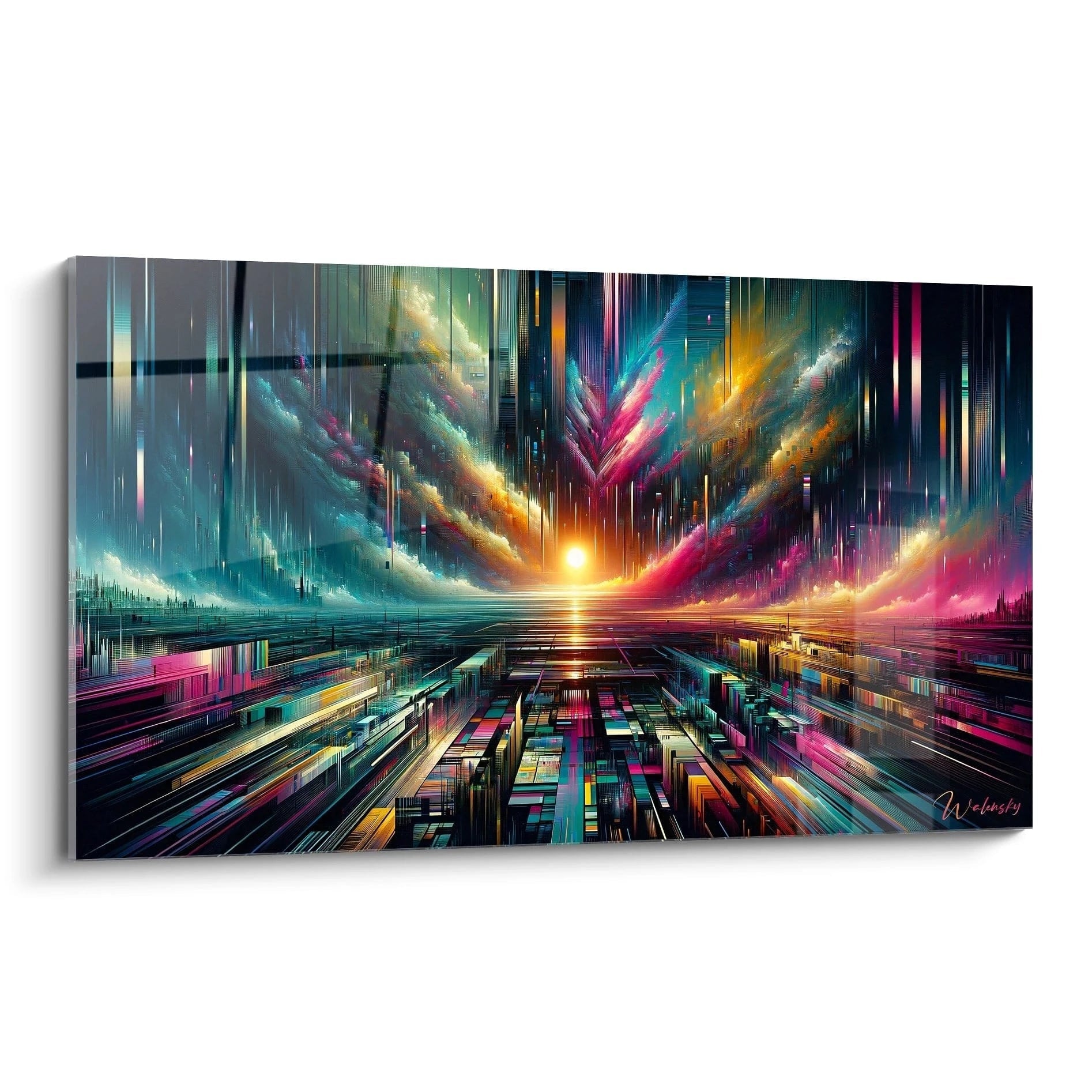
Holography applied to abstract art opens revolutionary futuristic perspectives, radically transforming our perception of contemporary artistic creation. This cutting-edge technology, long confined to specialized scientific laboratories, is now becoming a fully fledged artistic medium, allowing creators to explore new expressive dimensions totally unimaginable with traditional techniques.
The holographic principles applied to abstract art
Artistic holography fundamentally relies on the recording of light interference creating spectacular three-dimensional images. This revolutionary technology uses high-precision lasers to faithfully capture and reproduce spatial depth, offering a unique dimension to abstract works of art. Artists cleverly exploit these unique physical properties to design revolutionary creations where light becomes tangible matter, transforming the traditional exhibition space into a true immersive sensory laboratory.
Parallel to this, holographic technique allows for the deconstruction of traditional two-dimensional abstract forms, creating visual effects totally impossible with conventional media. Light interference generates geometric patterns of fascinating complexity, evolving dynamically according to the viewer's angle of observation. This constant interaction between artwork and viewer fundamentally redefines the contemporary art experience, creating a visual dialogue perpetually renewed.
Moreover, the specific optical properties of holography allow for the superposition of multiple layers of visual information, creating works of extraordinary perceptual richness. Each change in perspective reveals new hidden details, surprising new abstract configurations, continually enriching the contemplative experience of the public.
Techniques for combining holography and abstract art
The sophisticated integration of digital holography into abstract art requires a rigorous and particularly innovative methodological approach. Contemporary artists develop complex hybrid creative processes, skillfully combining proven traditional techniques and cutting-edge technological innovations. This creative synthesis allows for revolutionary works where abstract forms acquire a totally unprecedented spatial dimension, definitively transcending conventional two-dimensional limits.
The holographic capture of abstract elements is carried out by various technically sophisticated methods:
- Direct recording of complex three-dimensional geometric objects
- Digital generation of particularly complex abstract images
- Methodical superposition of multiple holographic layers
- Precise manipulation of specific light frequencies
- Programming generative algorithms creating interactive, evolving patterns
These avant-garde techniques offer creators a considerably expanded expressive palette, concretely transforming futuristic perspectives into tangible and contemplable realities. Holographic abstract art thus becomes an entirely unprecedented territory for artistic exploration.
Concrete holographic applications in futuristic abstract art
Contemporary holographic installations perfectly illustrate this major ongoing artistic revolution. Visionary artists like Philippe Boissonnet methodically explore the creative possibilities offered by these emerging technologies, creating monumental works where abstract art harmoniously dialogues with the surrounding architectural space. These immersive creations profoundly transform traditional spectator experience, simultaneously engaging the public on physical and emotional levels.
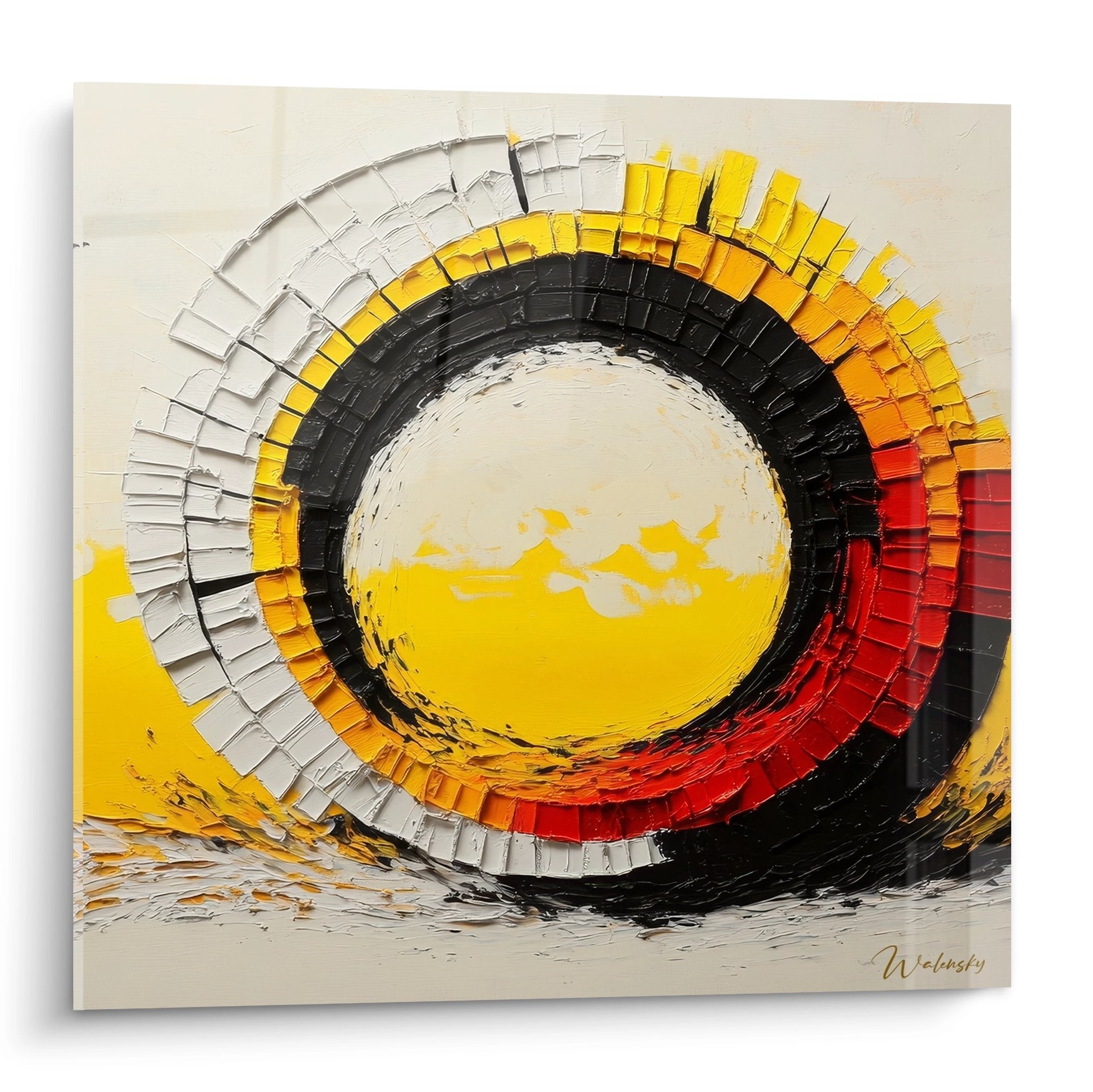
Within this creative dynamic, discover how these innovations also transform contemporary decorative art on our collection of abstract paintings, where pictorial tradition and technological modernity meet harmoniously.
Applied holography generates spectacular visual effects of truly captivating beauty: forms defying gravity mysteriously, impossible geometries transcending traditional Euclidean space, futuristic perspectives boldly challenging apparent physical laws. These extraordinary achievements open up totally unexplored creative horizons, where abstract art acquires a truly revolutionary temporal and spatial dimension.

Optimization of abstract holographic creations
Perfecting holographic renderings requires in-depth technical mastery and confirmed multidisciplinary expertise. Artists are constantly developing specific optimization methods, significantly improving the visual quality and emotional impact of their artistic creations. Holographic post-production allows for meticulous refinement of complex light effects, considerably intensifying the overall artistic experience.
Simultaneously, display technologies are constantly evolving at a particularly accelerated pace, offering higher resolutions and exceptional color fidelity. These revolutionary technical improvements exponentially multiply the creative possibilities available, allowing artists to realize their most ambitious and visionary visions.
Futuristic perspectives of abstract holography
The future of artistic holography looks extraordinarily promising, with major technological innovations expected in the coming years. The digital holography market is predicted to experience an impressive annual growth rate of 16.79% until 2028 (Source: Mordor Intelligence), eloquently demonstrating the growing enthusiasm for this revolutionary technology.
These futuristic perspectives notably include sophisticated integration of artificial intelligence in holographic creation, enabling adaptive works that intelligently react in real time to viewers. Abstract holographic art could also effectively leverage emerging augmented reality technologies, creating immersive experiences of a perceptual richness totally unmatched.
This major technological revolution fundamentally redefines the traditional codes of abstract art, opening up truly limitless creative horizons where light, space and time become the new preferred brushes of the avant-garde contemporary artist.
Explore our collections


