

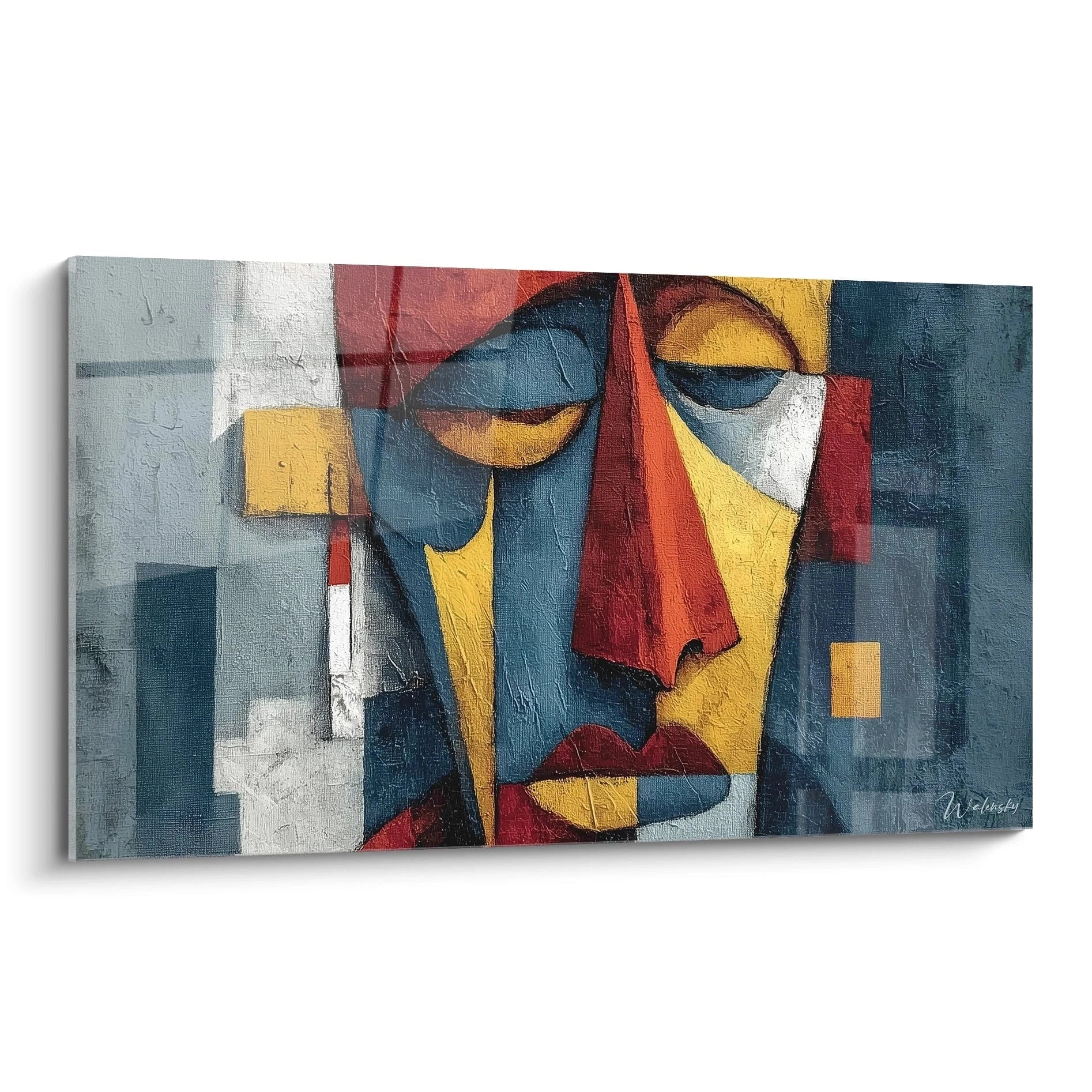






Abstract Jazz Wall Decor in Acrylic Print: Why This Medium Changes Everything
8 min read · by Walensky
MUSIC WALL ART
There is something in the light that hits a varnished surface, in the velvety depth of a deep black or the glow of a gold that seems almost to vibrate: that is the whole point of acrylic printing. Before you even choose an abstract jazz subject, an exploded saxophone of color, a singer at a vintage microphone, the material it is printed on decides whether the artwork will truly pop on your wall. Abstract jazz wall decor in acrylic print is not a technical detail reserved for connoisseurs: it is often what makes the difference between a piece that comes alive in the room and one you look at without really seeing it.
- Acrylic glass delivers a glossy finish, intense colors and a sense of depth close to a gallery display.
- Alu Dibond, matte and glare-free, works better facing a window or in full natural light.
- Size matters as much as the material: a jazz piece ideally fills 60 to 75% of the width of the furniture or wall where it hangs.
What is acrylic printing and why does it elevate abstract jazz art?
Acrylic printing means printing the image directly onto a sheet of acrylic glass, a thick, transparent Plexiglas that lets light through before sending it back. The result: a sensation of optical depth, as if the color floated beneath the surface rather than sitting on top of it. On an abstract jazz subject, where paint splashes and gold-and-violet contrasts do all the work, this effect is far from incidental.
The artworks in the shop are original digital creations, designed exclusively by Walensky's artists, then printed in Italy on one of the two finishes offered: acrylic glass or Alu Dibond. They are neither stretched canvases nor replicas of museum works, but free reinterpretations of the jazz universe, conceived for contemporary wall decor.
An abstract subject lives on its contrasts. The right material does not soften them, it amplifies them.
This is precisely where acrylic excels with vintage jazz subjects, whether it's a saxophonist caught in a whirl of color or a scene inspired by the Roaring Twenties. The glossy finish intensifies the golds, deepens the blacks, and gives abstract movement an almost cinematic intensity.

Favorite
Jazz Singer Wall Art with Golden Microphone on Purple Background - Suspended Breath - Star of Music Edition
From €228.90
Discover this artworkAcrylic, glass, Alu Dibond or canvas: which material for your abstract jazz artwork?
Choosing the material really comes down to one simple question: does your room get a lot of direct light, or do you control it? The answer shapes nearly everything else.
Visual rendering and brightness comparison
Acrylic glass reflects part of the ambient light: in a dimmed living room, an office with a dimmer, or a reception room with carefully designed lighting, this subtle mirror effect adds relief and depth to an abstract jazz composition. Alu Dibond, by contrast, is completely matte and absorbs light without any reflection. It works better facing a window or in a very bright daytime room, where a glossy surface would create distracting glare, a quality especially valued for rock and electric guitar themed Alu Dibond prints, often destined for well-lit home studios.
| Criterion | Acrylic glass | Alu Dibond |
|---|---|---|
| Color rendering | Vibrant, optical depth | Soft, more muted |
| Reflections | Yes, slight mirror effect | None, matte surface |
| Ideal room | Controlled lighting (living room, dimmed office) | Facing a window, very bright room |
| Visual style | Gallery art look | Modern and minimal |
Durability and care by room
Both finishes are lightweight, delivered with mounting hardware included and without a frame, ready to hang. Acrylic needs a little more attention when cleaning: a dry or slightly damp microfiber cloth is enough, but it is best to avoid abrasive products that could dull the shine. Alu Dibond, for its part, handles high-traffic areas better, such as a hallway or an entrance, without fingerprints becoming too visible.
In a dining room where evening light turns golden, acrylic glass catches that tone and casts it onto the surrounding wall. It's a small detail, but it changes the mood of the entire room.
For an abstract jazz subject in orange and gold tones, such as a trio of musicians captured at sunset, the Musicians Among Sunflowers at Sunset artwork illustrates this principle well: acrylic glass brings out the twilight gradients, where Alu Dibond would soften them.
— Our selection


Which room should you hang abstract jazz wall decor in acrylic?
A living room bathed in indirect light, a cozy office, a reception room with dark walls: these are the natural playgrounds of acrylic glass. The glossy effect pairs well with accent lighting, table lamps or adjustable spotlights, which catch the surface and make the reflections dance.
A panoramic format, wide and not very tall, works especially well above a sofa or sideboard, where it extends the line of the furniture without overwhelming it. For a more intimate mood, consider vintage jazz wall decor for an adult bedroom, where the same principle of controlled shine applies to a more private space.
This singer at a vintage microphone, captured in a whirl of purple and blue, illustrates well what acrylic printing does best: giving texture to the moment, almost a sonic vibration, without ever overloading the wall.
— Also to discover


Combining several abstract jazz acrylic artworks for a curated wall
A successful curated wall rests on consistency of material before consistency of subject. Mixing several acrylic glass artworks guarantees a unity of shine: the reflections echo one another, light moves across each piece in the same way, and the whole looks planned rather than accumulated.
- Pair a pianist and a singer to tell the same evening's story, without ever repeating the same subject twice.
- Vary the sizes: an L next to an XL breaks the monotony without unbalancing the composition.
- Keep a shared palette, golds and midnight blues for example, so the eye moves naturally from one artwork to the next.
The pianist in a golden dress in a midnight blue club pairs especially well with a more festive subject, such as a saxophone dance scene, or with a panoramic abstract piano artwork on a dark background, for a composition that is both contrasting and cohesive.
To explore further the Roaring Twenties spirit that often infuses these compositions, our article on abstract decor in the Roaring Twenties style inspired by Sonia Delaunay delves into color and geometric shapes, complementing this material-focused approach.

In the same spirit
Jazz No. 3 Wall Art - Abstract Music Edition
From €273.90
Discover this artwork →Frequently asked questions
How do you care for an acrylic print artwork?
A soft, dry cloth, or a slightly damp one, is enough for routine cleaning. Avoid abrasive or alcohol-based household products, which can dull the surface's shine over time.
What is the difference between acrylic print and glass print?
In the shop's catalog, what is called acrylic printing is indeed done on a sheet of acrylic glass, Plexiglas: it is therefore the same technique. The second finish offered, Alu Dibond, is completely matte and glare-free.
How do you hang a Plexiglas artwork on the wall?
Acrylic glass artworks are delivered with their mounting hardware included, without a frame, ready to hang. A simple system is enough to place them flat against the wall, making sure to center the piece at eye level.
Does acrylic printing hold up to sunlight?
It handles ambient light well, but like any glossy surface, it is more sensitive to direct sun reflections than a matte finish. For a wall facing south and exposed all day, Alu Dibond remains the most comfortable choice in everyday use.
Conclusion
Choosing abstract jazz wall decor is not just about the subject you prefer, the golden saxophonist or the singer at a vintage microphone. The material matters just as much: it decides whether the colors vibrate or quiet down, whether the wall catches the light or lets it pass without a trace. Between acrylic glass and Alu Dibond, there is no absolute best choice, only the one that suits your room and the light that moves through it.
To compare subjects and find the piece that will complete your wall, head to our music wall art collection, where each finish is specified on the product page. And if colorful abstraction tempts you beyond jazz, take a look at our selection of colorful abstract artworks or our Crazy Colors collection to extend the mood to other walls in your home.
Explore our collections


