


Tropical Exotic Animals Wall Art
The Exotic Tropical Animals Painting brings a touch of lush jungle to your interior. This collection celebrates tropical fauna in all its splendor: colorful parrots, majestic toucans, pink flamingos, and fascinating creatures of humid forests. Each work captures the vibrant energy of decorative tropical animals with dazzling colors and striking details. Perfect for creating an exotic jungle wall decoration, this artistic universe transforms your space into a tropical sanctuary full of life and escape.
 Parrot Messengers of the Sun Wall Art - Parrot Edition242,90 €
 Parrot Wall Art Jungle Spirit - parrot edition242,90 €
 Parrot Wall Art Tropical Magic - parrot edition242,90 €
 Parrot Wall Art Messenger of Paradise - Parrot Edition273,90 €
 Parrot Painting Guardian of the Orchids - Parrot Edition228,90 €
 Toucan Painting No. 2 - Animals Edition273,90 €
 Toucan Painting N°1 - Animals Edition273,90 €
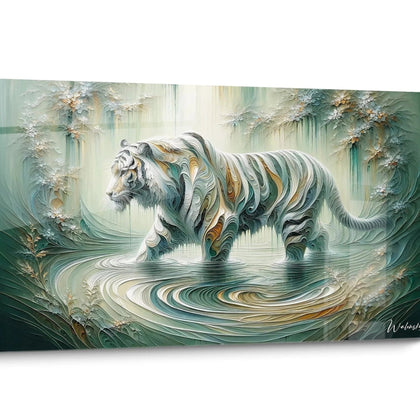
 Proud and Eternal Painting - Tiger Animals Edition273,90 €
 The Jungle Brilliance Wall Art - Parrot Animals Edition273,90 €
 Mystery Blue Canvas - Parrot Animals Edition273,90 €
 Tropical Explosion Wall Art - Parrot Animals Edition273,90 €
Explore further
In Tropical Exotic Animals Wall Art


All about Tropical Exotic Animals Wall Art
- Exotic Tropical Animal Wall Art Presentation
- Tropical Atmospheres for Interior Spaces
- Exotic Wildlife and Immersive Decoration
- Tropical Species and Visual Impact
Transform your living space into a tropical sanctuary with a large-scale exotic tropical animal wall art. These immersive works capture the vibrant essence of rainforests, turquoise lagoons and lush jungles, showcasing parrots with shimmering plumage, majestic toucans, mysterious black panthers and iridescent morpho butterflies. Each creation evokes the extraordinary biodiversity of tropical ecosystems, creating a visual window to distant lands where nature reigns in all its splendor. Whether you seek a soothing atmosphere evoking white sand beaches lined with palm trees or the pulsing energy of an Amazon canopy teeming with life, our exotic animal wall art offers complete immersion. Their imposing format enhances spacious walls in contemporary living rooms, urban lofts seeking escapism or professional spaces wishing to inspire creativity and wonder.
Recreating a Tropical Atmosphere in Your Home
Incorporating an exotic tropical animal wall art radically transforms a room's energy by instantly evoking the warm and humid climates of equatorial regions. The dominant tones of emerald green, oceanic turquoise and sunshine yellow characteristic of these creations generate a paradoxical sense of coolness, recalling the beneficial shade beneath dense foliage or the marine breeze caressing banana leaves. This specific color palette stimulates serotonin production, creating an environment conducive to relaxation after a stressful day in gray urban surroundings.
Why choose tropical wildlife representations for your wall decoration?
Tropical species possess unique visual characteristics absent in temperate fauna: iridescent plumage changing with light angles, fur patterns with striking contrasts adapted to the jungle's interplay of light and shadow, brilliant warning colors of poison dart frogs. A macaw parrot painting with scarlet red and cobalt blue feathers becomes a hypnotic focal point in a white minimalist living room, creating dramatic contrast without requiring other decorative elements. Large formats capture natural light from bay windows, creating changing reflections throughout the day that literally animate the representation.
Specific decorative associations for tropical themes
To amplify the immersive effect of a large-scale exotic tropical animal wall art, the plant environment plays a crucial role. Position monstera deliciosa with sculpted leaves, climbing philodendrons or areca palms nearby to create visual continuity between artistic representation and real vegetation. Raw natural materials such as woven rattan, varnished bamboo or salt-bleached driftwood reinforce tropical authenticity. Avoid chrome metals or overly industrial surfaces that would break the illusion of escapism. For an enchanting nighttime atmosphere, install lighting fixtures diffusing warm amber light imitating equatorial sunsets, transforming your multicolor exotic animal wall art into a living and pulsating scene.
- Prioritize textiles in natural fibers reminiscent of tropical basket weaving
- Incorporate cushions with palm leaf or hibiscus flower motifs
- Add ambient scents with notes of coconut, frangipani or monoi
- Choose bamboo or sea grass flooring for overall sensory coherence
Elevating Tropical Biodiversity Through Large-Format Wall Art
Wall representation of tropical fauna requires a radically different visual approach than temperate zone animals. Tropical exotic species are characterized by spectacular biological adaptations: the oversized and colorful beak of the toco toucan, the bulging eyes of the panther chameleon, the translucent wings with complex veining of morpho butterflies. A large-format exotic tropical animal wall art allows capturing these fascinating anatomical details invisible at reduced dimensions, transforming each contemplation into a mini-naturalist exploration from your couch.
The importance of lush vegetation backgrounds
Unlike minimalist representations against neutral backgrounds, authentic tropical creations systematically integrate dense and stratified vegetation. Intertwined vines, giant banana leaves with visible veining, epiphytic orchids clinging to branches create this characteristic depth of rainforests where dozens of species coexist simultaneously in the same visual field. This vegetation density psychologically fills the wall space without creating visual oppression, a delicate balance perfect for large empty surfaces in modern apartments. Portrait-focused exotic animal wall art ideally complement these immersive panoramic compositions.
Which tropical species generate the greatest decorative impact?
Certain tropical creatures possess superior visual magnetism through their unique characteristics. The spotted jaguar emerging from shadowed undergrowth creates captivating dramatic tension. Hyacinth macaws with plumage as deep blue as twilight sky bring sophistication and elegance. Poison dart frogs in electrifying fluorescent colors inject a bold contemporary touch. For upscale professional spaces, representations of suspended sloths or capuchin monkeys convey an image of conscious slowing down, a refreshing counterpoint to ambient hyperactivity.
- Parrots and cockatoos for vibrant chromatic explosions
- Black panthers for mysterious elegance and contained power
- Hummingbirds in hovering flight capturing perpetual energy and movement
- Iguanas and tropical lizards for scaly texture and hypnotic gaze
Optimizing the Visual Impact of Tropical Wildlife Representations
Installing a large exotic tropical animal wall art requires strategic reflection on spatial perception. These creations function optimally in generous volumes where visual distance allows embracing the overall composition. A wall section of 3 to 4 meters minimum width ideally accommodates these imposing formats, creating a true mural fresco evoking the botanical paintings of 19th-century explorers. Positioning height also differs: placing the visual center slightly lower than a classic painting mimics the perspective of an observer immersed in tropical vegetation, strengthening the effect of presence.
How to manage lighting specific to tropical scenes?
Natural tropical environments are characterized by particular filtered light: oblique rays piercing the canopy, greenish glows reflected by dense foliage, spectacular backlighting at sunrise. Reproducing these lighting conditions in your interior multiplies the immersive effect. Favor indirect lateral lighting rather than frontal, avoiding reflections that flatten reliefs and diminish depth. Warm-colored light projectors (2700-3000K) placed at height create the illusion of light gaps traversing the jungle. For hallways or entrances without natural light, LED lights integrated into a box frame transform the tropical wall art into a permanent luminous window to an exotic elsewhere.
Evolution of perception according to seasons and times of day
One of the underappreciated strengths of large-format tropical representations lies in their ability to compensate for the depressing seasonal variations of temperate climates. During endless gray winters, these visual windows onto eternal equatorial summer become essential psychological refuges, effectively combating seasonal affective disorder. In summer, they evoke the relative coolness of shaded understory, creating a sensation of moderate temperatures even during heat waves. This emotional versatility justifies investment in generous formats that sufficiently dominate the space to genuinely influence perceived ambiance.
- Morning: green tones capture low-angle light creating an energizing atmosphere
- Noon: saturated colors reach maximum intensity under zenith lighting
- Evening: warm tones harmonize with amber artificial lighting
- Night: subtle backlighting transforms the painting into a soothing decorative nightlight
Adapting your choice according to interior architecture
Double-height spaces, mezzanines or cathedral ceilings naturally welcome vertical compositions showing tropical forest stratification from ground to emergent canopy. Industrial lofts with exposed brick create striking contrast with organic tropical richness, a visual dialogue between wild nature and domesticated urbanity. For Haussmann apartments with classical moldings, bold large-format tropical art injects refreshing modernity without renovation, simple reversible decorative updating. Sunrooms or bay windows particularly benefit from these themes, creating harmonious transition between air-conditioned interior and vegetated exterior.
Where to ideally place exotic tropical animal wall art in your home?
Prime locations include the main living room wall visible from the entrance for immediate impact, the space above a panoramic sofa in large living areas, or as a perspective backdrop in a hallway to create illusionistic depth. Master bedrooms beautifully accommodate these soothing themes evoking luxurious seaside retreats.
Which interior styles pair best with large-scale tropical wall art?
Contemporary minimalist style particularly values these works by creating a unique focal point without decorative competition. Bohemian chic style incorporating rattan, macramé and ethnic textiles finds natural continuity. Even minimalist Scandinavian interiors benefit from this controlled exuberance, injecting warmth and vitality into Nordic sobriety.
How to sustainably maintain a painting depicting tropical animals?
Avoid prolonged direct UV exposure that progressively alters the brilliant pigments characteristic of tropical scenes. Gentle monthly dusting with anti-static microfiber preserves chromatic intensity. Maintaining stable humidity between 40-60% prevents deformation and cracking, particularly crucial for these representations with meticulous details.


