


Zen Optical Illusion Wall Art
The Optical illusion painting Zen transforms your space into a haven of peace inspired by Eastern philosophy. This unique collection combines the art of optical illusion with minimalist zen aesthetics to create soothing zen wall art pieces. Each creation plays with perception and depth to evoke the serenity of Japanese gardens and the harmony of meditation. Perfect for relaxation spaces, offices, or contemporary living rooms, these optical illusion zen decorative paintings invite contemplation.
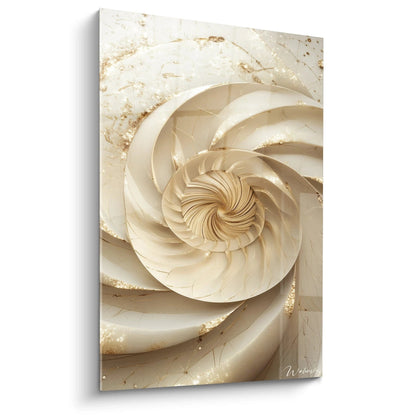
 Spiral Painting Inner Journey - trompe-l'œil Edition273,90 €
 Mountain Painting Dream of Altitude - trompe-l'oeil edition273,90 €
 Sky Celestial Window Wall Art - Trompe l'oeil Edition273,90 €
Explore further
In Zen Optical Illusion Wall Art


All about Zen Optical Illusion Wall Art
- Presentation Painting Trick the Eye Zen
- Immersion and visual depth
- Meditative atmosphere for wellness spaces
- Psychological impact and layout
The painting trick the eye zen redefines the spatial perception of environments dedicated to relaxation and rejuvenation. These large-format creations transform an ordinary wall into a virtual window opening onto Japanese gardens, bamboo forests, or meditation paths, creating an immediate sense of escape. The illusion of depth generated by these wall compositions brings a unique contemplative dimension to therapeutic spaces, yoga studios, massage rooms, and personal decompression zones. Their ability to simulate an architectural opening to nature provides an essential visual breath in confined urban interiors, while maintaining the minimalist harmony characteristic of Zen aesthetics.
The illusion of perspective at the service of visual serenity
The optical illusion zen painting exploits perspective techniques to create a sense of spatial extension in therapeutic and wellness environments. Compositions depicting stone walkways bordered by vegetation, temple galleries, or suspension bridges generate visual depth that psychologically transforms the perception of available space.
How does zen perspective influence the perception of space?
The converging lines integrated into these wall compositions naturally guide the gaze towards a soothing convergence point, creating a meditative effect comparable to Japanese dry gardens. This instinctive visual direction facilitates mental anchoring during contemplative practices, while also generating a sense of limitless space particularly valuable in confined consultation rooms or urban studios. The three-dimensional effect provides an architectural breath without requiring structural work.
Classic zen motifs reinvented in trompe-l'oeil murals
Traditional elements such as monumental torii gates, rocky cascades, or cryptomeria forests gain impact when treated in large-format trompe-l'oeil. These compositions create the illusion of a real opening to an outdoor garden, particularly effective in spaces without natural light. For a complementary approach integrating structural elements, the architecture trompe l'oeil paintings offer monumental perspectives that harmoniously dialogue with zen aesthetics.
Optimizing illusory depth according to spatial configuration
The effectiveness of the zen trompe-l'oeil depends directly on the available viewing distance. In wellness center corridors, a linear, elongated perspective amplifies the sensation of a meditative path. For square meditation rooms, centered compositions with multiple vanishing points generate spherical immersion. Vertical formats favor cascading or bamboo groves ascending, creating a visual spiritual elevation, while horizontal panoramas reproduce the soothing horizontality of traditional zen gardens.
Create a meditative atmosphere through visual illusion
The physiological impact of zen scenes in trompe-l'oeil
Representations of zen landscapes in trompe-l'oeil act as visual regulators of the nervous system in therapeutic spaces. Neuroaesthetics studies demonstrate that natural perspectives reduce cortisol and promote heart coherence, even when simulated. A trompe-l'oeil painting depicting a forest path unconsciously invites contemplative mental walking, activating the same brain areas as during a real natural immersion.
What visual elements reinforce the meditative effect of the trompe-l'oeil?
Compositions integrating aquatic elements in perspective – reflecting pools, winding streams, ponds with water lilies – generate a visual fluidity particularly conducive to deep relaxation. Atmospheric gradients creating a light mist in the background add a dreamlike dimension that facilitates mental disconnection. Light and shadow play simulating soft natural lighting amplifies the feeling of a protective refuge, essential in psychological consultation or energy healing spaces.
Adapting the zen trompe-l'oeil to different wellness practices
For dynamic yoga studios, upward perspectives towards mountain peaks or bamboo summits support the vertical energy of postures. Vipassana meditation rooms benefit from symmetrical, centered compositions that promote focused concentration. Massage therapy rooms prefer calming horizontal scenes – pebble beaches, raked dry gardens – inducing physical letting-go. Sophrology practices utilize forest paths in perspective to facilitate guided visualizations during relaxation protocols.
The temporal dimension in illusory zen compositions
Zen trompe-l'oeil scenes integrating subtle seasonal markers – cherry blossoms, reddening maples, snow-covered branches – create a gentle temporality that encourages acceptance of change. This visual cycle harmonizes with Eastern philosophies valuing impermanence, while offering a reassuring temporal anchor in timeless medical spaces. Compositions suggesting different times of day – morning mists, twilight lights – allow for visual synchronization with natural circadian rhythms.
Architectural integration and environmental psychology
Visual compensation for confined spaces through zen illusion
In dense urban environments where wellness centers often occupy basements or windowless spaces, the zen trompe-l'oeil painting compensates for the lack of external natural connection. The illusion of an opening onto a Japanese garden or a forest clearing significantly reduces the feeling of confinement, a major problem in windowless therapeutic offices. This virtual window becomes an essential focal point for claustrophobic or anxious patients, offering an immediate visual escape.
How to position a zen trompe-l'oeil to maximize its therapeutic effectiveness?
The wall facing the main relaxation position – massage table, yoga mat, meditation chair – constitutes the optimal location for these illusory compositions. This configuration allows for prolonged passive contemplation, favoring entry into a modified state of consciousness. In group rooms, a lateral positioning avoids distraction while offering a visually accessible refuge through peripheral vision. Formats reaching the floor create a more convincing spatial continuity, as if the zen garden actually extended beyond the wall.
Synergy between zen trompe-l'oeil and biophilic design
Combining living plants arranged in the foreground with a zen trompe-l'oeil in the background amplifies the credibility of the illusion and reinforces the biophilic benefits. Bamboo pots or moss compositions positioned strategically create a gradual transition between real and virtual space, intentionally blurring the perceptual boundary. This visual stratification generates an ecological depth that satisfies the human need for natural connection, particularly beneficial in holistic health centers and integrative healing spaces.
Perceptual durability and renewal of visual interest
Unlike static photographic decor, zen optical illusion compositions rich in detail – textured mosses, aquatic reflections, plant strata – progressively reveal their complexity during repeated contemplations. This informational depth prevents problematic visual habituation in spaces frequented daily by practitioners. Monumental formats offer enough surface area for the eye to constantly discover new details, maintaining attentive engagement without ever becoming visually intrusive or excessively stimulating.
Is a zen optical illusion painting suitable for collective meditation spaces?
Absolutely, provided that balanced compositions without a dominant focal point that could create a visual hierarchy are prioritized. Symmetrical panoramic scenes allow each participant to find their own visual anchor without being directed towards a specific area, fostering individual meditative autonomy within the group.
How does a zen optical illusion influence the perception of time during a session?
Deep perspectives and winding paths suggest a spatial journey visually, which modifies the perception of time, making therapeutic sessions less psychologically burdensome. This positive temporal distortion helps patients accept prolonged protocols without chronometric anxiety, particularly useful in acupuncture, hypnosis, or deep relaxation therapies.
Can a zen optical illusion painting be integrated into a conventional medical practice?
Perfectly suited for waiting rooms and consultation rooms where reducing pre-procedural anxiety is a major concern. Zen compositions bring a soothing dimension without excessive spiritual connotations, acceptable in secular medical contexts while providing the documented psychophysiological benefits of exposure to virtual natural environments.
Further reading
Our articles on this topic
L'art qui suscite l'envie
Maison belge d'art mural grand format
14 jourspour changer d'avis*
Protection Walenskyincluse
Fabriquéen Italie
FormatXXL
Kit de fixationtoujours fourni
* Hors tableaux personnalisés et tailles personnalisées


