


Zen Meditation Wall Art for Living Room
Our Painting Collection for Living Room Zen Meditation transforms your interior into a sanctuary of serenity. Each work of art invites contemplation and letting go, with refined compositions inspired by Buddhist and Japanese art. These Zen paintings for meditation space diffuse a soothing energy thanks to their soft palettes and minimalist motifs. Perfect for creating a relaxing and harmonious wall decor, they accompany your mindfulness moments and embellish your living room with an authentic spiritual touch.
 Tree of Life Zen Dance of Seasons Wall Art273,90 €
 Night Tree Wall Art - Zen Life Tree Edition273,90 €
 Ancient Tree Wall Art - Life Tree Zen Edition273,90 €
 Green Eden Waterfall Canvas - Landscape Edition273,90 €
 Waterfall Artwork No.3 - Landscape Edition273,90 €
 Waterfall Painting No.2 - Landscape Edition273,90 €
 Waterfall Painting No.1 - Landscape Edition273,90 €
 Radiance of Wisdom Wall Art - Zen Buddha Edition273,90 €
 Tree of Dreams Wall Art - Zen Tree of Life Edition273,90 €
 Eternal Tree of Life Wall Art - Zen Tree of Life Edition273,90 €
 Spiritual Echoes Canvas - Diverse Zen Edition273,90 €
 Starlit Sky Landscape - Dawn Over Infinity Edition273,90 €
 Spring Brilliance Wall Art - Spring Landscape Edition273,90 €
 Jungle Echoes Wall Art - Tropical Landscape Edition273,90 €
 Water's Flow Artwork - Jungle Landscape Edition273,90 €
 Echoes of the Open Sea - Abstract Boat Painting Edition273,90 €
 Zen Alley Wall Art - Zen Edition273,90 €
 Floral Softness Artwork - Zen Edition273,90 €
 Calm Turquoise Wall Art - Zen Edition273,90 €
 Calm Abstract Painting - Zen Edition273,90 €
 Pastel Aurora Wall Art - Abstract Edition273,90 €
 Floral Dawn Wall Art - Abstract Edition273,90 €
 Dawn Over Eternal Dunes - Signature Edition273,90 €
 Beautiful Escape in Lost Paradise Painting - Landscape Edition273,90 €
Explore further
In Zen Meditation Wall Art for Living Room
-
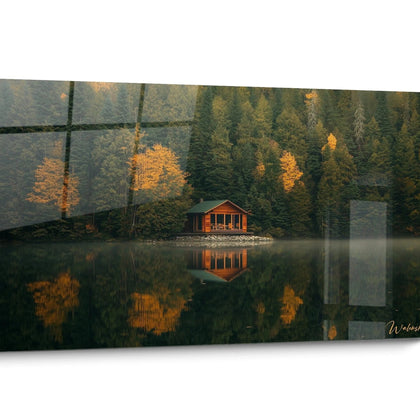 Wall Art for Living Room634
artworks
Wall Art for Living Room634
artworks
-
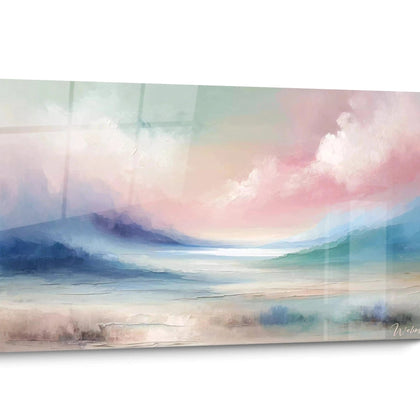 Modern Abstract Wall Art for Living Room24
artworks
Modern Abstract Wall Art for Living Room24
artworks
-
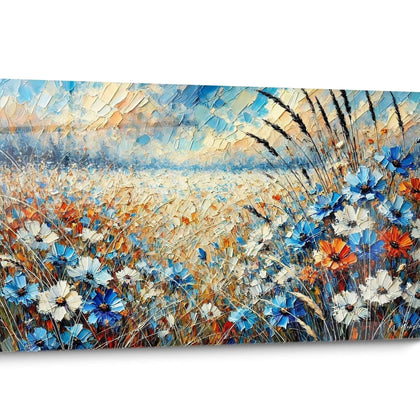 Natural Landscape Wall Art for Living Room24
artworks
Natural Landscape Wall Art for Living Room24
artworks
-
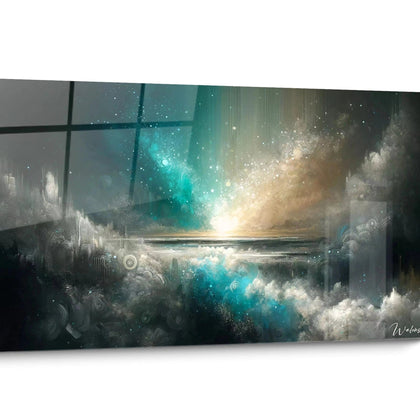 Golden Luxury Living Room Wall Art24
artworks
Golden Luxury Living Room Wall Art24
artworks
-
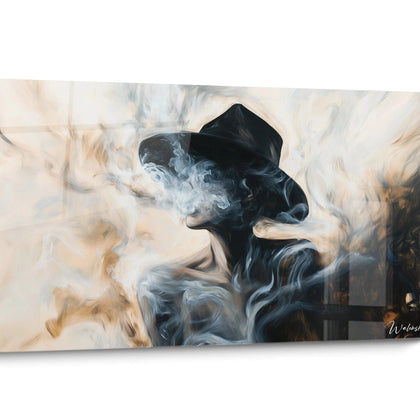 Elegant Black and White Living Room Wall Art17
artworks
Elegant Black and White Living Room Wall Art17
artworks
-
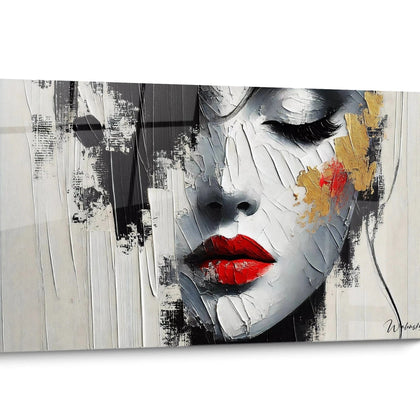 Artistic Portrait Wall Art for Living Room18
artworks
Artistic Portrait Wall Art for Living Room18
artworks
-
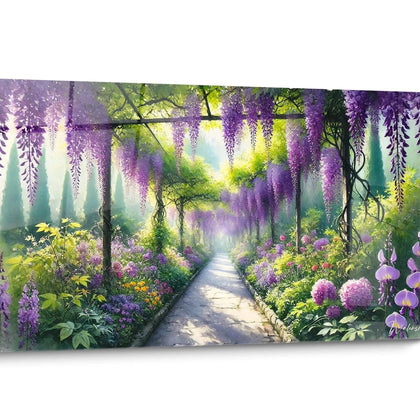 Botanical Flower Wall Art for Living Room19
artworks
Botanical Flower Wall Art for Living Room19
artworks
-
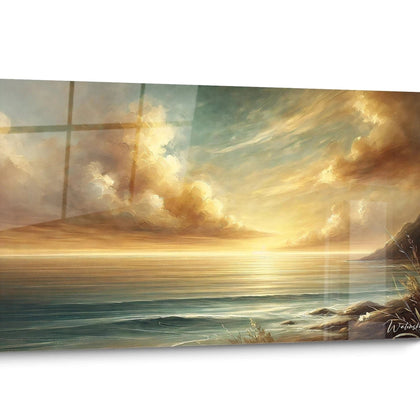 Ocean Sea Wall Art for Living Room15
artworks
Ocean Sea Wall Art for Living Room15
artworks
-
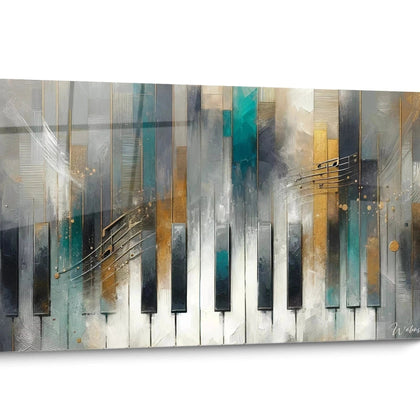 Modern Music Wall Art for Living Room10
artworks
Modern Music Wall Art for Living Room10
artworks
-
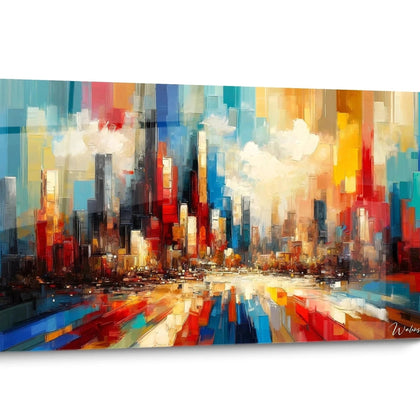 Vibrant Multicolor Wall Art for Living Room10
artworks
Vibrant Multicolor Wall Art for Living Room10
artworks
-
 Romantic Love Wall Art for Living Room9
artworks
Romantic Love Wall Art for Living Room9
artworks
-
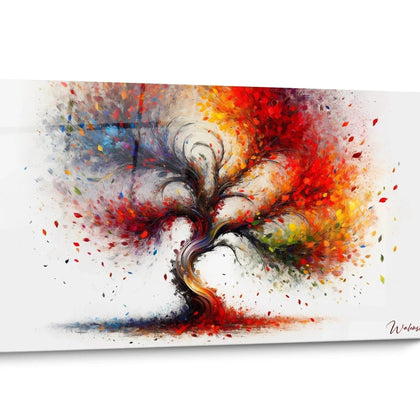 Wall Art for Living Room Tree Nature8
artworks
Wall Art for Living Room Tree Nature8
artworks
-
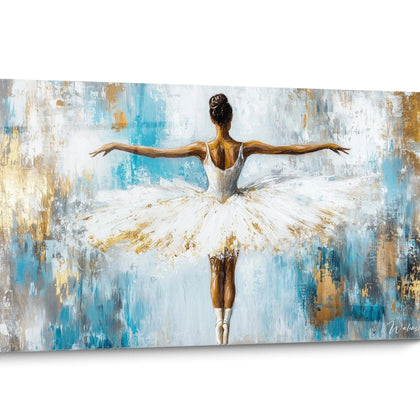 Wall Art for Living Room Dance Movement6
artworks
Wall Art for Living Room Dance Movement6
artworks
-
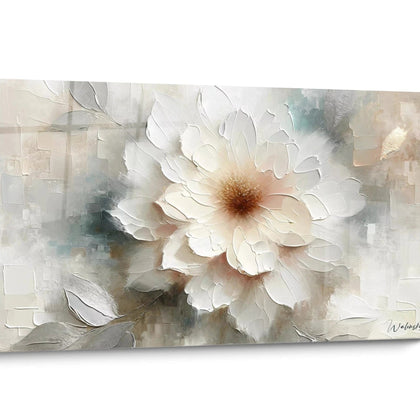 Minimalist Wall Art for Living Room - Refined Aesthetic18
artworks
Minimalist Wall Art for Living Room - Refined Aesthetic18
artworks
-
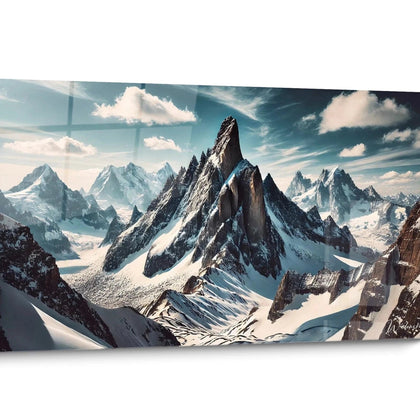 Panoramic Mountain Wall Art for Living Room6
artworks
Panoramic Mountain Wall Art for Living Room6
artworks
-
 Colorful Pop Art Wall Art for Living Room5
artworks
Colorful Pop Art Wall Art for Living Room5
artworks
All about Zen Meditation Wall Art for Living Room
- Painting Presentation Zen Meditation
- Contemplative Atmosphere
- Symbolism and Spirituality
- Practice Space
Transform your living room into a sanctuary of serenity with a painting for zen meditation living room designed to promote introspection and mental relaxation. These large-scale wall compositions instantly create an atmosphere conducive to meditative practice and deep relaxation. Unlike classic decorative works or modern dynamic abstract compositions , these paintings incorporate visual elements specifically designed to slow the heart rate and facilitate meditation: representations of meditative Buddhas, zen ensō circles, Japanese stone gardens, spiritual mandalas, or minimalist landscapes. Their imposing formats create an immersive focal point that helps detach the mind from daily distractions to promote meditative concentration.
Creating a Meditative Sanctuary in Your Living Room
Installing a painting for zen meditation living room radically transforms the energy of a room by establishing a zone of visual contemplation. These large-scale works function as visual portals to a state of calmed consciousness, particularly effective in living spaces where daily stress accumulates.
How does a zen painting facilitate daily meditative practice?
Large-format contemplative representations act as meditative visual anchors that facilitate the transition from mental agitation to inner calm. A Buddha in a meditative position or a perfectly drawn ensō circle in large dimensions naturally captures the gaze and invites deep breathing. Meditation practitioners strategically place these paintings facing their zafu cushion or meditation bench, thus creating a drishti - a traditional focal point that stabilizes attention during practice. The imposing formats amplify this effect by occupying enough of the visual field to eliminate peripheral distractions.
Spiritual symbols and meditative iconography for interior space
Zen meditation paintings incorporate millennial symbolism from Buddhist and Taoist traditions: the blossoming lotus representing spiritual awakening, stacked pebbles symbolizing balance and patience, bamboo paths evoking inner flexibility, or representations of the cosmic Mount Meru. These iconographic elements are not merely decorative but function as supports for contemplation (visual meditation objects). A large-format geometric mandala, in particular, offers a circular visual path that accompanies cyclic breathing, while a representation of Ryoan-ji's Zen garden invites meditation on emptiness and negative space.
Soothing color palette for energy regulation
The color tones of zen meditation paintings follow specific principles of contemplative chromotherapy: sandy beiges and stone grays evoking Japanese zen gardens, jade and emerald greens recalling the regenerative nature, deep blues and indigo promoting introspection, or subtle golds symbolizing spiritual illumination. These palettes dominated by cool and neutral colors naturally reduce the activation of the sympathetic nervous system, unlike bright colors that stimulate arousal. The soft tonal variations create a fluid visual experience without aggressive contrast, allowing the eye to rest without eye strain during prolonged meditation sessions facing the painting.
Contemplative Art as a Tool for Inner Transformation
A painting for a zen meditation living room transcends its decorative function to become an instrument of spiritual development and emotional regulation. These monumental works embody Eastern philosophical principles in the contemporary domestic space.
What is the psychological impact of daily meditative iconography?
Daily exposure to contemplative imagery gradually reprograms mental patterns by creating neurological associations between the living room space and the meditative state. Contemplative neuroscience demonstrates that the simple repeated vision of a serene Buddha or a zen landscape activates the brain circuits associated with calm and presence. A meditation painting of large dimensions in the living room serves as a constant reminder (mindfulness cue) that interrupts automatic mental ruminations. Each passage in front of the work becomes a micro-contemplative pause, a silent invitation to return to the present moment and conscious breathing.
Sacred geometry and harmonic proportions for spatial balance
Zen meditative compositions often respect sacred proportions from spiritual traditions: the golden number present in Tibetan mandalas, the 3:5 ratios of Japanese zen gardens, or the radial symmetry of Buddhist motifs. These underlying geometric structures create a visual harmony intuitively perceived as soothing, even without knowledge of their mathematical principles. A large format allows you to fully appreciate these compositional subtleties: the golden spiral of an enso, the perfect alignment of stacked pebbles, or the asymmetrical but perfectly balanced distribution of elements in a dry garden. This invisible structural rigor conveys a sense of cosmic order that soothes the chaotic mind.
Visual minimalism and the principle of fertile void (ma)
Zen meditation paintings embrace the Japanese concept of ma - negative space carrying meaning - where emptiness is not absence but potential fullness. These refined compositions prioritize large monochrome surfaces punctuated by strategically placed contemplative elements: a solitary Buddha on a neutral background, a few bamboo plants on a clear space, a floating enso in the void. This visual economy contrasts sharply with the informational overload of modern daily life, offering the gaze a space to breathe. Imposing formats amplify this experience of emptiness by creating vast, restful visual planes that literally give the mind space to unfold without constraint.
Why choose a large format for a zen meditation painting in your living room?
Generous dimensions create an immersive presence that truly transforms the atmosphere of the room, establishing a visual sanctuary powerful enough to counterbalance the dispersed energies of daily life. A large zen painting naturally asserts itself as a meditative focal point without requiring effort of concentration.
Is a painting for a zen meditation living room suitable for meditation beginners?
Absolutely, these works actually facilitate initiation by providing a concrete visual support to stabilize wandering attention. Beginners often find it easier to meditate by contemplating a soothing image than by practicing with their eyes closed, where the mind easily wanders.
How to integrate a meditation painting into a living room with a non-oriental style?
Contemporary zen compositions harmonize with various decorative styles thanks to their universal minimalism. Choose neutral tones that dialogue with your existing palette, or intentionally create a soothing contrast that marks a distinct contemplative zone in the living space.
Optimize Your Meditation Practice Space with Contemplative Art
Creating an effective meditation corner in the living room requires reflection on the interaction between the zen artwork and the practice space. The meditation painting then becomes a central element of a domestic contemplative architecture.
What spatial arrangement maximizes the meditative effect of a zen painting?
Strategic placement determines the contemplative effectiveness of the artwork. Experienced practitioners recommend installation facing the usual meditation spot, at eye level when seated (approximately 80-100 cm from the floor for someone sitting on a cushion). This height allows for a naturally horizontal gaze, avoiding cervical tension during prolonged sessions. The space in front of the painting should remain clear for at least two meters to create a buffer zone that symbolically separates the meditative space from the rest of the living room. Large formats also require sufficient distance to be appreciated in their entirety without excessive eye movement, favoring the soft and peripheral gaze characteristic of deep meditative states.
Association with sensory elements for a multidimensional meditative experience
A zen meditation painting becomes even more powerful when integrated into a coherent sensory environment. Place nearby elements that amplify the contemplative atmosphere: an essential oil diffuser (sandalwood, Japanese incense) whose fragrances mentally associate with the image, a Tibetan singing bowl whose vibrations create an acoustic synergy, or natural candles whose flickering light subtly animates the textures of the painting. This sensory orchestration transforms the living room corner into a veritable domestic temple where each element reinforces the meditative intention. Large formats amplify this immersive effect by visually dominating the space and establishing the contemplative atmosphere as the main characteristic of the area.
Evolution of the contemplative relationship with the artwork over time
A meditation painting of quality progressively reveals unsuspected depths through regular practice. What initially appears as a simple representation of a Buddha gradually becomes a mirror of your own spiritual evolution: you perceive subtleties of composition invisible at first, chromatic nuances that reflect your inner states, or symbolic details that resonate with the stages of your journey. This evolving relationship with the artwork creates a unique spiritual companionship, where the painting becomes a silent witness to thousands of hours of practice. Monumental formats particularly encourage this prolonged contemplative exploration by offering enough visual richness to sustain meditative interest for years without exhausting the contemplative potential.
Rituals to activate the meditative space around the painting
Develop personal rituals that consecrate the space around the zen painting as a sacred territory of daily life. Some practitioners light a specific candle in front of the artwork before each session, creating a sensory marker of entry into meditation. Others perform three respectful salutations facing the painting, not out of religious devotion but as a conscious gesture of transition between daily agitation and contemplative practice. These micro-rituals progressively condition the nervous system to enter a meditative state as soon as they are performed. The large format of the painting amplifies the solemnity of these gestures by creating a sufficiently imposing presence to justify these marks of respect, thus transforming a simple corner of the living room into an area truly differentiated energetically from the rest of the dwelling.
Further reading
Our articles on this topic
- Paintings for meditation and contemplation: a visual support for introspection
- Create a Meditation Nook at Home with an Inspiring Artwork
- Zen living room decor: how to create a calming, harmonious atmosphere
- What artworks to create a zen and soothing atmosphere?
- Zen Living Room Decor: Creating a Peaceful Space at Home
- Large zen painting above the sofa: which format to choose based on your measurements
L'art qui suscite l'envie
Maison belge d'art mural grand format
14 jourspour changer d'avis*
Protection Walenskyincluse
Fabriquéen Italie
FormatXXL
Kit de fixationtoujours fourni
* Hors tableaux personnalisés et tailles personnalisées


