


Modern Camargue Wall Art
The Painting Camargue Modern captures the wild essence of this iconic region of Provence. Discover a unique collection that celebrates contemporary Camargue landscapes : white horses galloping in the salt marshes, majestic pink flamingos and endless horizons. Each artistic creation revisits the symbols of this preserved land with elegance. Perfect for a refined Provençal decoration, this contemporary style enhances living spaces by bringing authenticity and character. Transform your walls into windows open onto the beauty of the Mediterranean.
 Pink Flamingos Painting - Flight in Camargue - Camargue Edition273,90 €
 Pink Flamingos Painting - Camargue Flight - Camargue Edition273,90 €
 Camargue Bull Painting - Wild Power - Camargue Edition273,90 €
 White Horse Painting - Radiance of Freedom - Camargue Edition273,90 €
 Black Bull Painting - Gilded Majesty - Camargue Edition228,90 €
Explore further
In Modern Camargue Wall Art
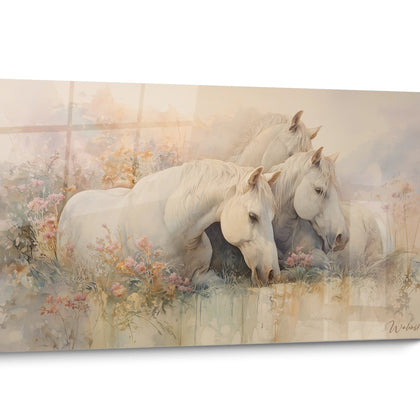
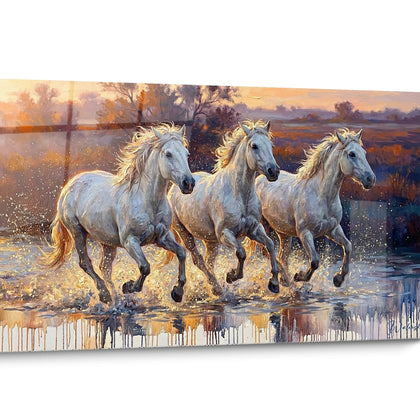
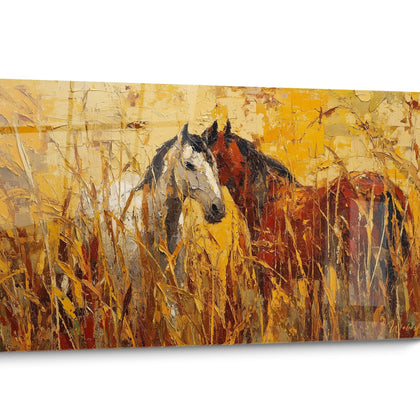
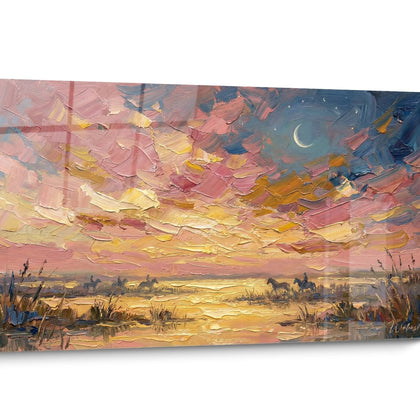
All about Modern Camargue Wall Art
- Painting Presentation Camargue Modern
- Contemporary Aesthetics
- Interior Architecture
- Territorial Identity
The painting Camargue modern reinvents the traditional imagery of the Rhône delta through a resolutely contemporary visual grammar. Designed for current living spaces that require both rooted and refined decoration, this large format captures the wild essence of the Camargue territory while breaking free from folk codes. Minimalist graphic lines, bold chromatic blocks, and revisited geometric compositions revisit iconic landscapes - flamingos, white horses, salt flats - according to a radically modern vision. This aesthetic approach responds to a growing demand for wall decoration that celebrates French natural heritage without falling into conventional representation, offering a refined alternative for design interiors seeking authenticity and modernity.
Contemporary Visual Expression of the Rhône Delta
The painting Camargue modern is part of a graphic reinterpretation approach that transforms emblematic natural motifs into abstract or semi-figurative compositions. Unlike classic representations saturated with detail, this approach favors formal synthesis: the silhouettes of the flamingos become purified curves on a monochrome background, the salt marshes are translated into horizontal strata with subtle nuances of off-whites and pearl grays, while the herds of horses transform into dynamic masses with simplified contours.
What are the visual characteristics of a Camargue painting in a contemporary style?
Contemporary aesthetics applied to the Camargue landscape is characterized by the use of mixed techniques combining digitally retouched photography and vector graphic interventions. Panoramic extra-wide formats - often over 150 cm - accentuate the characteristic horizontality of the delta expanses, creating an immersive visual window in lofts and open spaces. The color palette abandons touristy pastel tones in favor of bold ranges: deep blacks contrasting with pure whites, industrial ochres enhancing the natural tones of the sands, or Klein blues evoking Mediterranean skies with remarkable graphic intensity.
Integration into current decorative collections
This assumed modernity naturally dialogues with other artistic expressions of the territory, notably the Camargue impressionist paintings which share this desire for visual reinvention, although in a more pictorial register. The large format Camargue modern painting is particularly imposing in high-end professional spaces - boutique hotel lobbies, regional company headquarters, architecture firms - where it simultaneously conveys a strong territorial identity and an international aesthetic. Triptych series exploit the modular repetition of a single iconic element (rows of guard huts, alignments of tamarisk trees, perspective of canal) according to different tonal variations, creating a sophisticated decorative rhythm.
Stylization techniques applied to natural heritage
The transformation of Camargue landscapes into contemporary works of art involves specific stylization processes: backlighting silhouettes that reduce scenes to their graphic essence, superposition of monochrome color filters creating timeless atmospheres, geometric fragmentation of compositions into distinct color zones. These visual treatments allow the design Camargue painting to transcend simple documentary reproduction to reach an artistic dimension that resists ephemeral decorative trends.
Architectural and Spatial Integration of the Camarguais Contemporary Mural Painting
The insertion of a Camargue modern painting into current architectural projects responds to precise spatial logics that go beyond simple decorative function. In new residences with clean volumes and immaculate white walls, these large-format creations function as chromatic anchor points that visually structure the space while introducing a narrative depth linked to the Mediterranean territory. Interior architects specializing in contemporary southern design systematically integrate these Camarguais references to create an identity thread that avoids the anonymity of standardized interiors.
How to position a large Camargue painting in a contemporary space?
Imposing formats - often exceeding 180 cm in length - require clear walls capable of accommodating their span without visual competition. Preferred locations include wall panels above modular sofas in open living rooms, room dividers between kitchens and living rooms where they create a soft transition, or widened circulation corridors in modern architectures where their panoramic format naturally accompanies movement. Unlike vertical compositions that elevate the gaze, these Camargue paintings in their contemporary version accentuate horizontal expansion, visually amplifying the width of the rooms.
Synergy with Current Architectural Materials
The dialogue between modernized Camarguais imagery and contemporary materials generates unexpected harmonies that are particularly effective. Gray anthracite polished concrete makes the luminous touches of Camarguais whites - plumage, salt marshes, foam - stand out powerfully, while natural oak parquet floors with blond tones resonate with the ochres of the marshlands. The black metal structures of skylights and railings perfectly frame compositions with striking contrasts, creating a stylistic continuity between architecture and decoration. For minimalist Scandinavian spaces adopted in southern France, the introduction of a large-format modern Camargue painting brings this touch of territorial character without breaking the ambient sobriety.
Implementation Scenarios in Different Types of Spaces
In architect-designed houses with multiple levels, the strategic positioning of a contemporary Camargue painting in the double height of the living room creates a powerful visual landmark visible from the upper floor, vertically unifying the space. Luxury apartments on the seafront in Montpellier or Marseille use these creations to establish a thematic continuity between the exterior Mediterranean environment and the interior atmosphere, the Camargue sunset paintings in their refined version offering particularly relevant chromatic transitions. Provençal coworking spaces exploit these territorial references to differentiate their visual identity from standardized urban aesthetics, thus affirming their regional anchoring with an international clientele.
Identity Affirmation and Symbolic Value of the Reinterpreted Camarguais Motif
Beyond its aesthetic dimension, the painting Camargue moderne fulfills an essential identity function for the inhabitants of the southern Mediterranean who wish to affirm their territorial attachment without resorting to decorative regional clichés. This new generation of Camargue representations responds to a contemporary cultural need: to claim one's geographical roots while displaying a current aesthetic sensibility. Owners of Occitan origin installed in metropolises such as Lyon or Paris frequently use these creations as markers of belonging, visual reminders of a territory of origin reinterpreted according to the codes of their current urban environment.
Why choose a modern representation rather than a traditional one of the Camargue?
The contemporary stylization of delta landscapes avoids the decorative trap of frozen folklore, which often confines regional representations to a past temporal frame. By adopting current visual languages—geometric abstraction, chromatic minimalism, conceptual photographic treatment—the modern Camargue painting affirms that territorial identity is not incompatible with modernity. This approach particularly appeals to cultured quadragenarians and quinquagenarians who reject simplistic antagonisms between tradition and contemporaneity. Buyers seek works capable of provoking conversation, questioning expected visual codes, while maintaining an authentic emotional connection with the emblematic landscapes of the territory.
Heritage enhancement through contemporary creation
Paradoxically, the modernist reinterpretation of Camargue motifs contributes to a better valuation of the natural heritage it represents. By taking these landscapes out of conventional tourist circuits and inscribing them in the references of international design decoration, it elevates their cultural status. Collectors of regional contemporary art consider these creations as durable aesthetic investments, unlike disposable decorative reproductions. Galleries specializing in contemporary Mediterranean art systematically integrate these updated visions of the Rhône delta into their programs, alongside paintings Camargue dorés which explore other stylistic registers equally distant from conventional representations.
The narrative dimension of modernized compositions
Each contemporary Camargue painting carries within it an implicit narrative about the evolution of perspectives on natural territories. The graphic stylization of black bull herds evokes both raw animal nature and current questions about the coexistence of human activities and ecological preservation. The minimalist compositions of the deserted salt marshes visually translate the fragility of these ecosystems in the face of human pressures. This conceptual dimension considerably enriches the reading of the work, transforming what could be merely a decorative element into a support for reflection on our contemporary relationship with emblematic natural environments.
Where to install a modern Camargue painting in a new house with clean lines?
Prioritize the main walls of reception areas—living room, open dining room, entrance hall—where the imposing format can fully deploy its visual impact without decorative competition. Contemporary architectures with large white wall surfaces offer the ideal setting for these compositions that require breathing space around them.
Is a contemporary style Camargue painting suitable for Scandinavian decor?
Absolutely, provided you select compositions with subdued color palettes – shades of gray, black and white, touches of natural beige – that harmonize with the Nordic aesthetic. The characteristic graphic minimalism of Scandinavian design finds a natural echo in the streamlined and stylized versions of Camargue landscapes, creating a successful fusion between Mediterranean identity and Nordic sobriety.
How does the modern Camargue painting differ from classic representations of the territory?
The fundamental difference lies in the formal treatment: abandoning documentary realism in favor of graphic synthesis, simplifying compositions into essential elements, using bold rather than descriptive color palettes, extra-wide panoramic formats adapted to current architectures. This assumed modernity allows Camargue territorial references to be integrated into international design interiors without stylistic disruption.
Further reading
Our articles on this topic
- Vintage Pont du Gard painting for the dining room: Provençal charm at the table
- What Types of Abstract Landscape Paintings Suit a Modern Country House?
- Panoramic Bordeaux vineyard painting: the warm touch of a minimalist living room with a white wall
- Western Horse Painting: Which Style to Choose for a Successful Rustic Decor
- Provence painting for a chic country kitchen: where should it go?
L'art qui suscite l'envie
Maison belge d'art mural grand format
14 jourspour changer d'avis*
Protection Walenskyincluse
Fabriquéen Italie
FormatXXL
Kit de fixationtoujours fourni
* Hors tableaux personnalisés et tailles personnalisées


