


Sokoke Cat Wall Art
The Sokoke fascinates with its unique marbled tabby coat and forest cat allure. Our wall art pieces capture its natural grace inherited from Kenya's coastal forests. A rare breed with a vibrant and independent temperament, this African feline inspires authentic and captivating artwork. Bring the spirit of the Arabuko-Sokoke forest into your interior design with this ancestral cat.
 Polygonal Cat Painting - Geometric Feline Art - Sokoke Cat Edition213,90 €
 Modern Geometric Cat Painting - Elegant Profile - Sokoke Cat Edition213,90 €
 Sitting Sokoke Cat Wall Art - Majestic Portrait - Sokoke Cat Edition213,90 €
 Sokoke Cat in Balance Wall Art - Feline Grace - Sokoke Cat Edition213,90 €
 Sokoke Cat Wall Art - Gaze Toward the Horizon - Sokoke Cat Edition213,90 €
 Contemplative Sokoke Cat Wall Art - Feline Serenity - Sokoke Cat Edition213,90 €
Explore further
In Sokoke Cat Wall Art
-
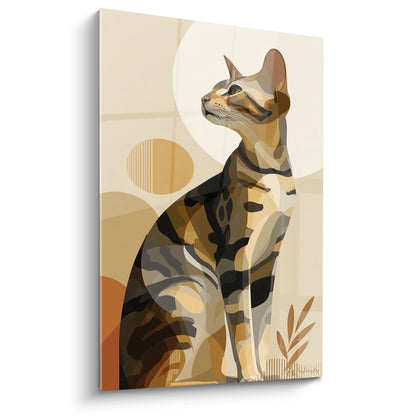 Sokoke Cat Geometric Wall Art7
artworks
Sokoke Cat Geometric Wall Art7
artworks
-
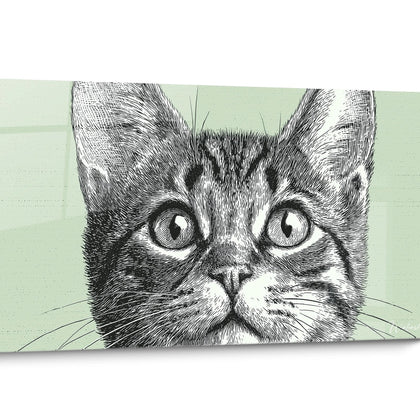 Sokoke Cat Portrait Wall Art7
artworks
Sokoke Cat Portrait Wall Art7
artworks
-
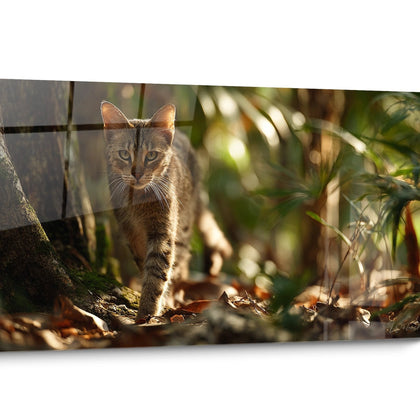 Golden Sokoke Cat Wall Art6
artworks
Golden Sokoke Cat Wall Art6
artworks
-
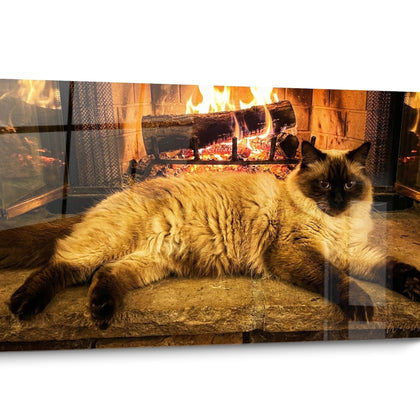 Himalayan Cat Wall Art16
artworks
Himalayan Cat Wall Art16
artworks
-
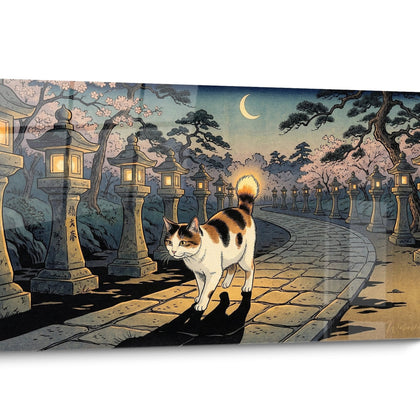 Japanese Bobtail Cat Wall Art15
artworks
Japanese Bobtail Cat Wall Art15
artworks
-
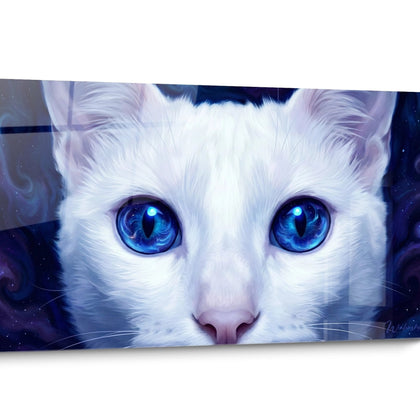 Khao Manee Cat Painting17
artworks
Khao Manee Cat Painting17
artworks
-
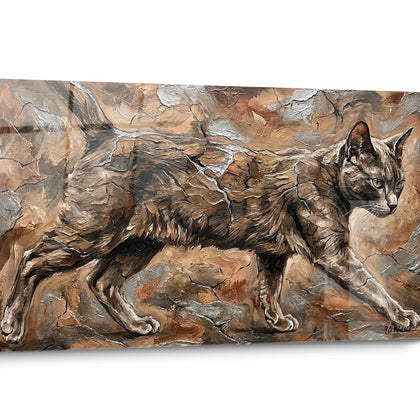 Korat Cat Wall Art18
artworks
Korat Cat Wall Art18
artworks
-
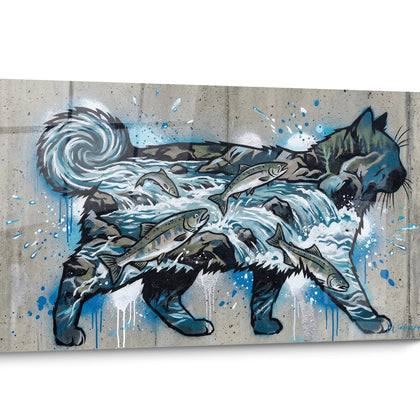 Kurilian Bobtail Cat Wall Art14
artworks
Kurilian Bobtail Cat Wall Art14
artworks
-
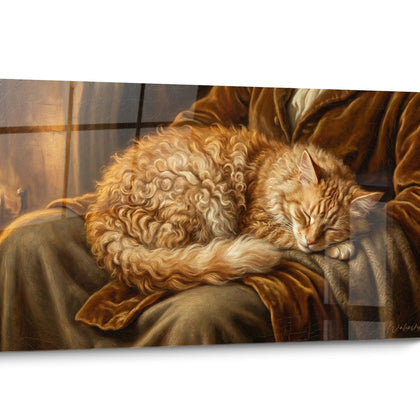 Laperm Cat Wall Art15
artworks
Laperm Cat Wall Art15
artworks
-
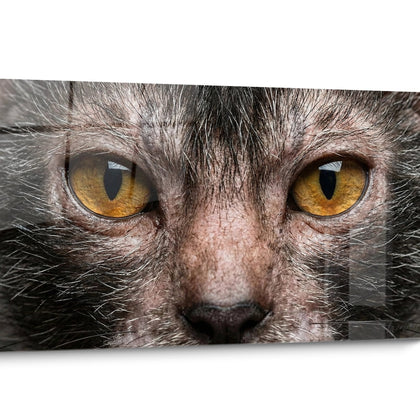 Lykoi Cat Canvas10
artworks
Lykoi Cat Canvas10
artworks
-
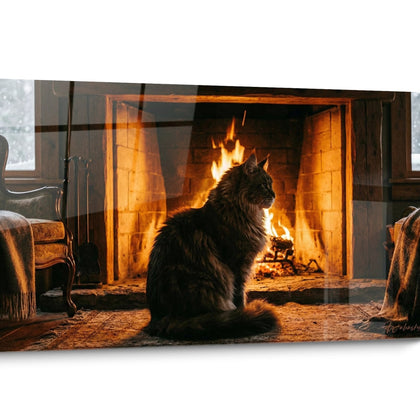 Maine Coon Cat Wall Art26
artworks
Maine Coon Cat Wall Art26
artworks
-
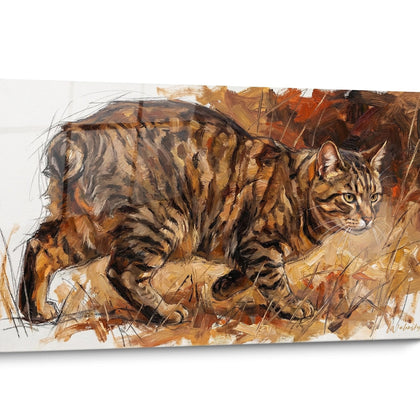 Manx Cat Wall Art17
artworks
Manx Cat Wall Art17
artworks
-
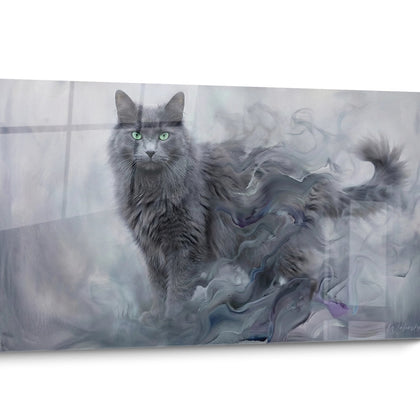 Nebelung Cat Wall Art15
artworks
Nebelung Cat Wall Art15
artworks
-
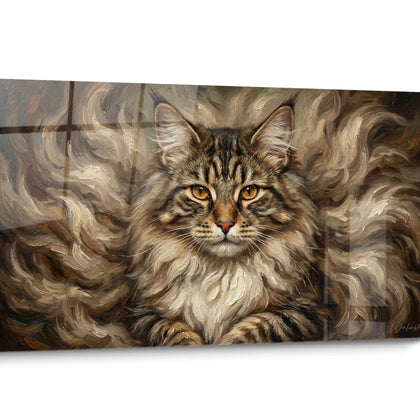 Norwegian Forest Cat Wall Art18
artworks
Norwegian Forest Cat Wall Art18
artworks
-
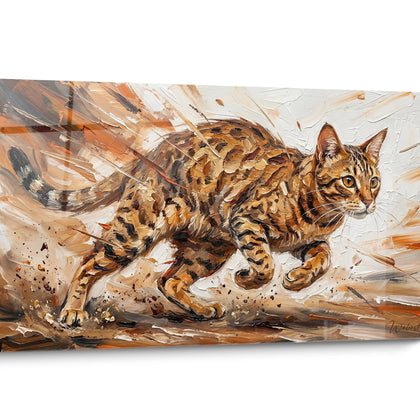 Ocicat Cat Wall Art21
artworks
Ocicat Cat Wall Art21
artworks
-
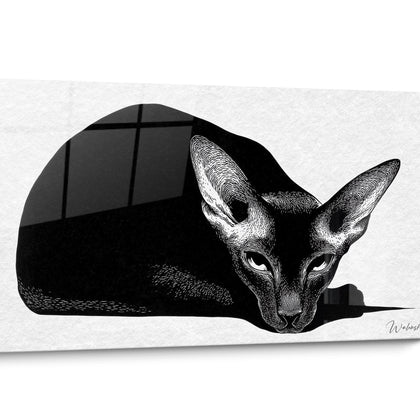 Oriental Shorthair Cat Wall Art20
artworks
Oriental Shorthair Cat Wall Art20
artworks
-
 Persian Cat Wall Art27
artworks
Persian Cat Wall Art27
artworks
-
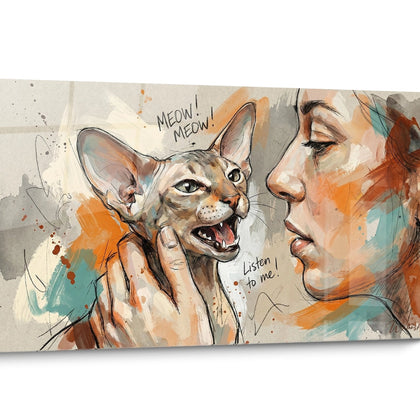 Peterbald Cat Wall Art26
artworks
Peterbald Cat Wall Art26
artworks
-
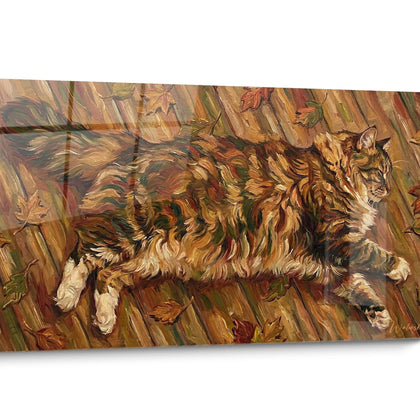 Ragamuffin Cat Wall Art21
artworks
Ragamuffin Cat Wall Art21
artworks
-
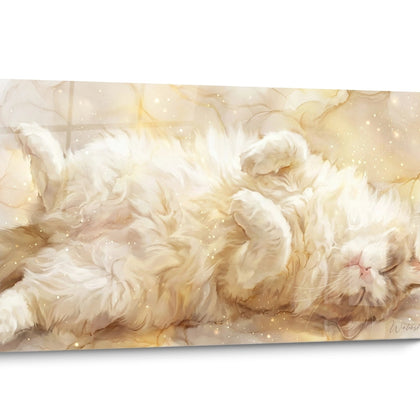 Ragdoll Cat Wall Art21
artworks
Ragdoll Cat Wall Art21
artworks
-
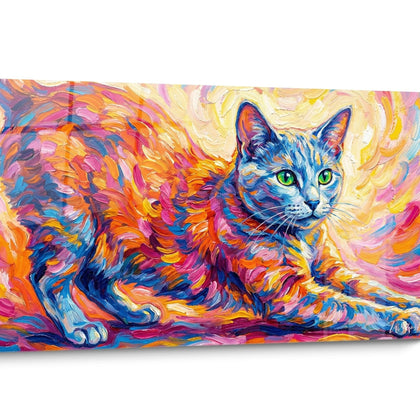 Russian Blue Cat Wall Art16
artworks
Russian Blue Cat Wall Art16
artworks
-
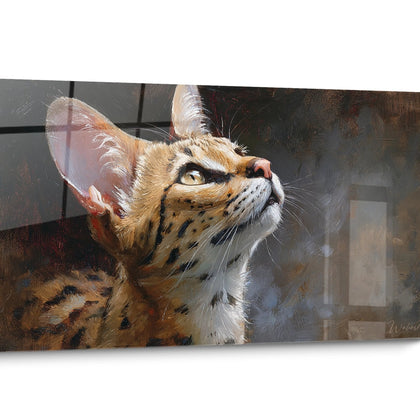 Savannah Cat Wall Art22
artworks
Savannah Cat Wall Art22
artworks
-
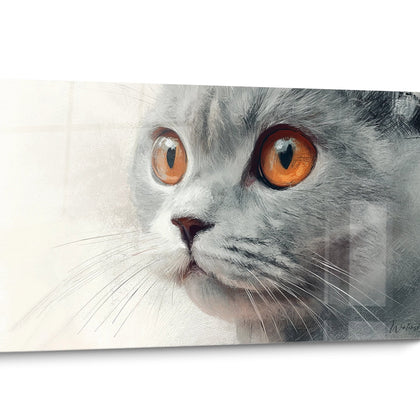 Scottish Fold Cat Wall Art17
artworks
Scottish Fold Cat Wall Art17
artworks
-
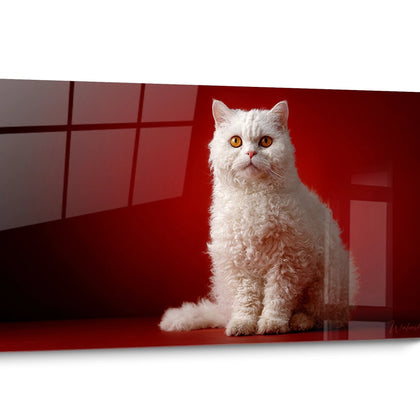 Selkirk Rex Cat Wall Art19
artworks
Selkirk Rex Cat Wall Art19
artworks
-
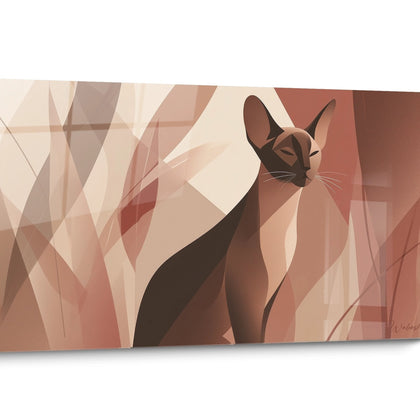 Serengeti Cat Wall Art19
artworks
Serengeti Cat Wall Art19
artworks
-
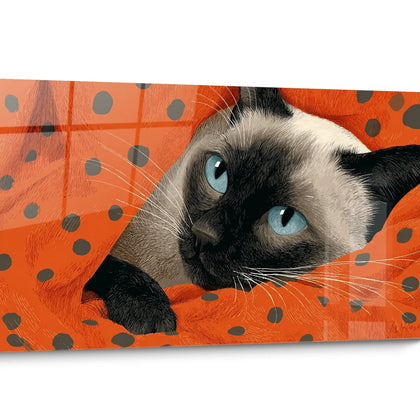 Siamese Cat Wall Art26
artworks
Siamese Cat Wall Art26
artworks
-
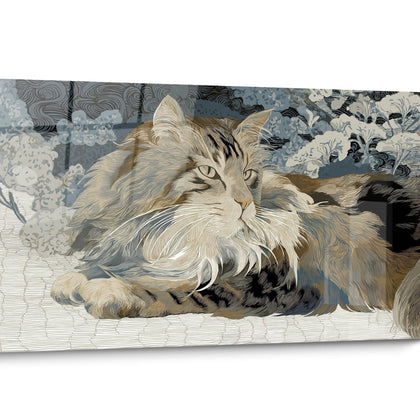 Siberian Cat Wall Art25
artworks
Siberian Cat Wall Art25
artworks
-
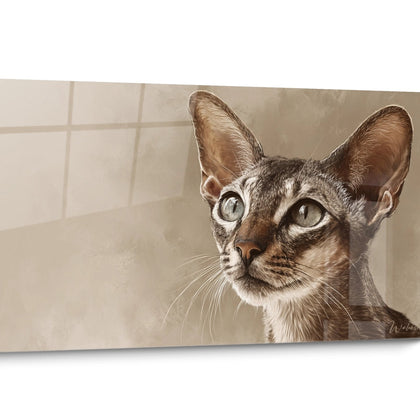 Singapura Cat Wall Art26
artworks
Singapura Cat Wall Art26
artworks
-
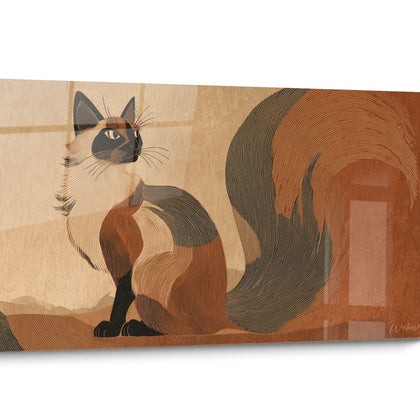 Somali Cat Wall Art19
artworks
Somali Cat Wall Art19
artworks
-
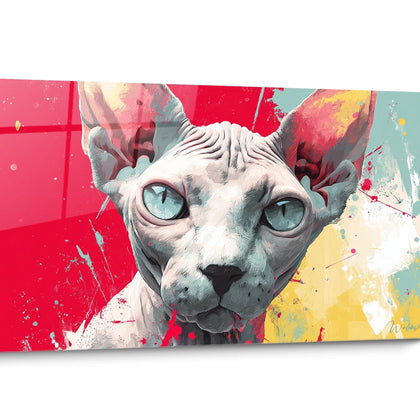 Sphynx Cat Wall Art37
artworks
Sphynx Cat Wall Art37
artworks
-
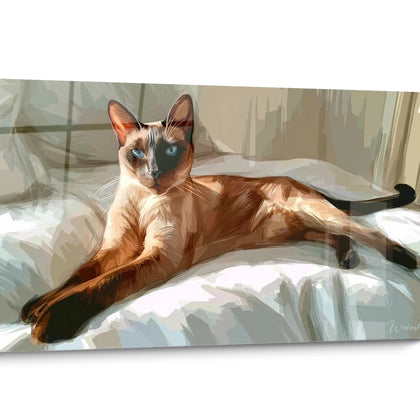 Tonkinese Cat Wall Art22
artworks
Tonkinese Cat Wall Art22
artworks
-
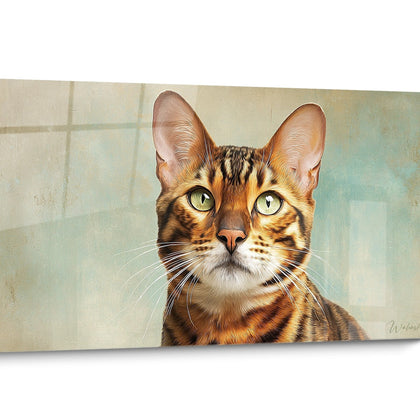 Toyger Cat Wall Art23
artworks
Toyger Cat Wall Art23
artworks
-
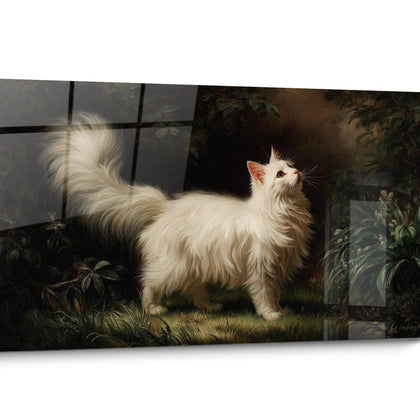 Turkish Angora Cat Wall Art25
artworks
Turkish Angora Cat Wall Art25
artworks
-
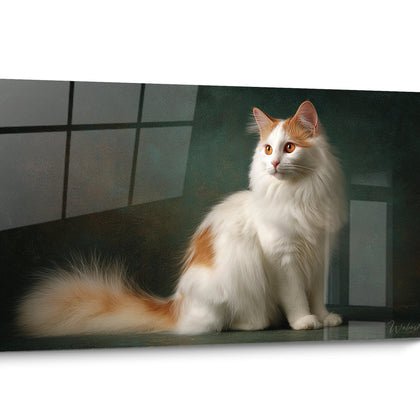 Turkish Van Cat Wall Art20
artworks
Turkish Van Cat Wall Art20
artworks
-
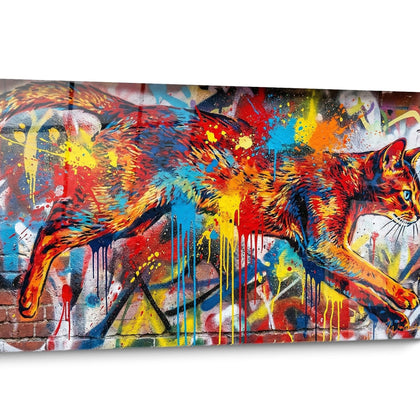 Abyssinian Cat Wall Art49
artworks
Abyssinian Cat Wall Art49
artworks
-
 American Bobtail Cat Wall Art42
artworks
American Bobtail Cat Wall Art42
artworks
-
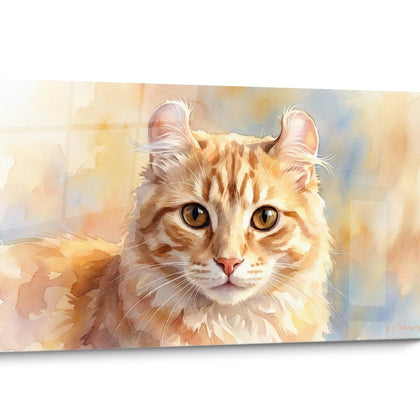 American Curl Cat Wall Art17
artworks
American Curl Cat Wall Art17
artworks
-
 American Shorthair Cat Wall Art24
artworks
American Shorthair Cat Wall Art24
artworks
-
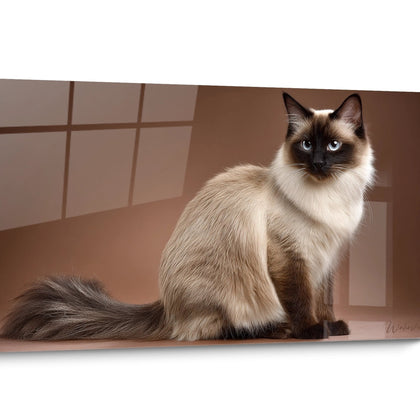 Balinese Cat Wall Art36
artworks
Balinese Cat Wall Art36
artworks
-
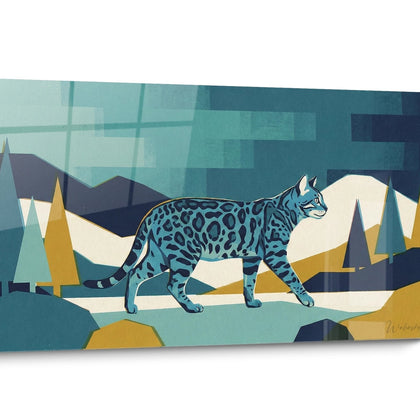 Bengal Cat Wall Art36
artworks
Bengal Cat Wall Art36
artworks
-
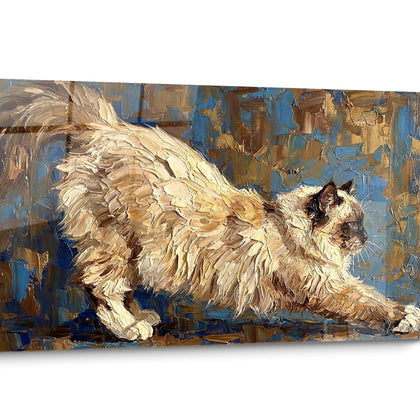 Birman Cat Wall Art53
artworks
Birman Cat Wall Art53
artworks
-
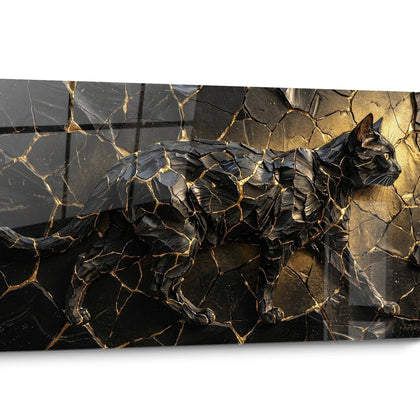 Bombay Cat Wall Art44
artworks
Bombay Cat Wall Art44
artworks
-
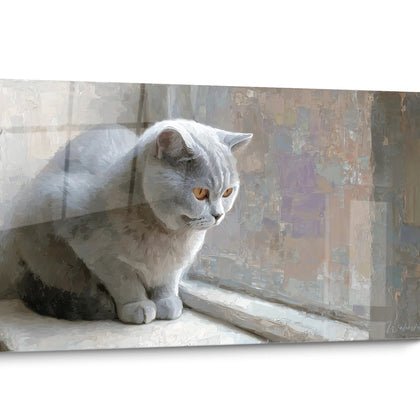 British Shorthair Cat Wall Art31
artworks
British Shorthair Cat Wall Art31
artworks
-
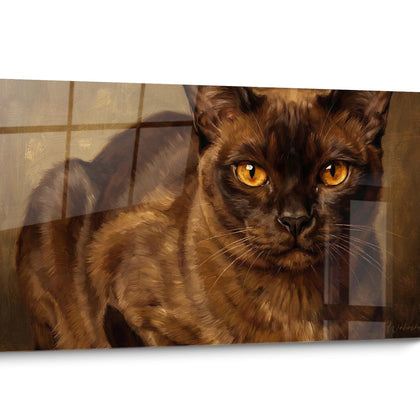 Burmese Cat Wall Art22
artworks
Burmese Cat Wall Art22
artworks
-
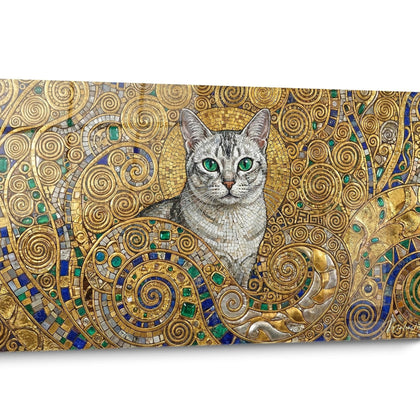 Burmilla Cat Wall Art31
artworks
Burmilla Cat Wall Art31
artworks
-
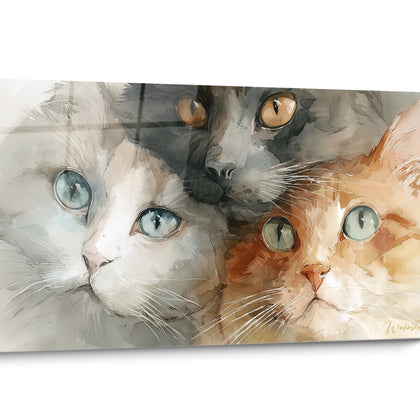 Chartreux Cat Wall Art28
artworks
Chartreux Cat Wall Art28
artworks
-
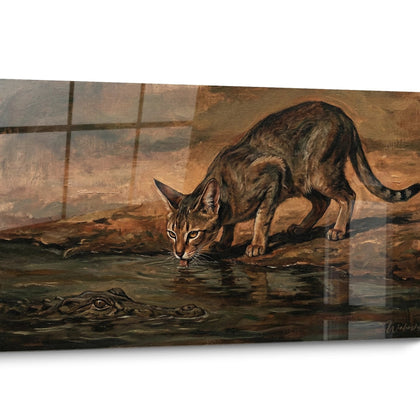 Chausie Cat Wall Art24
artworks
Chausie Cat Wall Art24
artworks
-
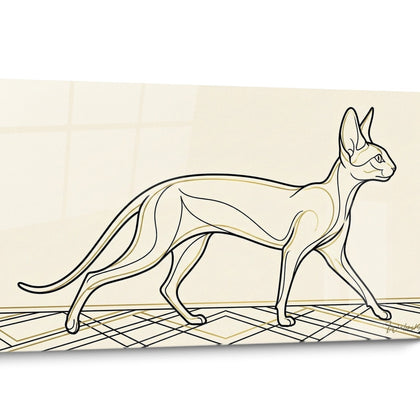 Cornish Rex Cat Wall Art20
artworks
Cornish Rex Cat Wall Art20
artworks
-
 Devon Rex Cat Wall Art16
artworks
Devon Rex Cat Wall Art16
artworks
-
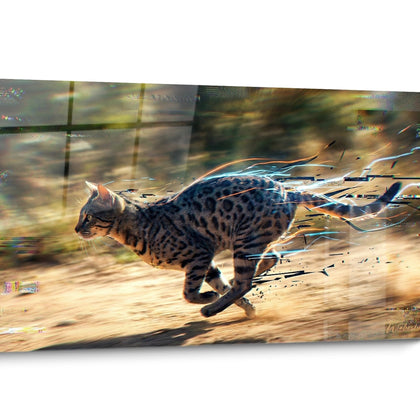 Egyptian Mau Cat Wall Art16
artworks
Egyptian Mau Cat Wall Art16
artworks


All about Sokoke Cat Wall Art
- Sokoke Cat Wall Art Presentation
- Sokoke cat wall art: African heritage
- Sokoke cat canvas: statement décor piece
- Sokoke cat artwork: celebrating rarity
The Sokoke cat wall art pays tribute to one of the planet's most mysterious and rare felines. Native to Kenya's coastal forests, this cat with its captivating marbled coat deserves artistic representation worthy of its exceptional character. Discover how this unique breed inspires large-format wall creations that transform your interior into a gallery celebrating African feline treasures.
Sokoke Cat Wall Art: The Feline Soul of Kenya's Forest on Your Walls
The Sokoke cat canvas captures the essence of a feline whose history remains intimately connected to East Africa's unique ecosystems. This breed, discovered in Kenya's Arabuko-Sokoke forest, carries within it millennia of natural evolution that only carefully crafted artistic representation can truly honor. Acquiring such a wall artwork means inviting a fragment of African natural heritage into your home.
The Khadzonzo: a local name steeped in history
Before becoming known as the Sokoke in the West, this feline was called "Khadzonzo" by the Giriama people living near Kenya's coastal forest. This traditional name evokes the animal's remarkable agility and discreet behavior among the trees. A wall art depicting this cat becomes a cultural bridge between East Africa and your living space.
Artists immortalizing the Sokoke often draw inspiration from the duality between preserved wildness and domesticated feline grace. The "African Tabby" coat, with its distinctive marbling reminiscent of tropical rainforest tree bark, offers an incomparable visual palette for large-format creations.
Why does the Sokoke's marbled tabby pattern captivate artists?
The Sokoke's unique pattern stands in stark contrast to conventional tabby markings. Its marks resemble organic, almost cartographic motifs that seem to tell the forest trails of its natural habitat. On a large-scale wall surface, these details take on breathtaking proportions.
This graphic singularity explains the growing appeal of wall representations of this breed. Unlike conventional feline portraits, artwork dedicated to the Sokoke offers rich visual texture rewarded by prolonged observation. Each coat section reveals new nuances, new interweavings.
The symbolism of preservation behind each representation
Choosing wall art featuring this Kenyan feline transcends mere decoration. The Sokoke ranks among the most threatened naturally occurring cat breeds, with a worldwide population estimated at mere hundreds. Displaying its image participates in elegant awareness-raising.
Discerning collectors see a conservatory dimension as well. Where others opt for representations of classic African big cats, choosing the Sokoke demonstrates deep knowledge of the feline world and commitment to overlooked breeds.
- Precise geographic origin: Arabuko-Sokoke forest, Kenya
- Official discovery by Jeni Slater in 1978
- TICA recognition in 1992
- Worldwide pure-breed population estimated under 500 individuals
How does wall art translate the Sokoke's unique temperament?
This feline distinguishes itself through unusual social behavior for a cat. Extremely active, an agile climber and communicative, the Sokoke maintains strong bonds with its feline peers. Successful artistic representations capture this liveliness, this sparkling intelligence visible in its amber gaze.
Quality wall art goes beyond reproducing physical appearance. It conveys the characteristic energy of this breed, its insatiable curiosity and athletic presence. Generous formats allow exploration of these behavioral nuances with depth impossible on reduced surfaces. Explore our complete collection of feline breed wall art to compare artistic approaches.
The influence of Kenya's forest tones
The Sokoke's natural color palette oscillates between warm browns, golden ochres and tawny nuances. These earthy tones directly reflect the Kenyan coastal forest environment where the species evolved over centuries.
Wall creations exploiting these color ranges integrate harmoniously into interiors privileging natural materials and warm ambiances. The Sokoke brings authentic African character without conventional safari clichés.
Integrating Large-Format Sokoke Cat Wall Art: Guide to Optimal Presentation
Owning a large-dimension Sokoke cat canvas involves reflection on spatial integration. This rare breed deserves placement that honors its singularity while dialoguing with your daily environment. The generous dimensions of these wall artworks transform any room into a sanctuary dedicated to this African feline treasure.
Which space best enhances this rare feline?
The Sokoke, through its history linked to forest spaces, flourishes visually in rooms enjoying natural light. A living room oriented toward a garden or conservatory creates thematic continuity between the artwork and surrounding nature. This connection amplifies the emotional impact of the representation.
Personal offices constitute equally relevant placements. The intellectual vivacity associated with this breed inspires concentration and creativity. Facing a work space, the Sokoke's gaze seems to encourage perseverance.
Specific décor associations for the Sokoke theme
This feline's Kenyan origin opens possibilities for association with contemporary African craftsmanship. Soapstone sculptures, traditional basketwork or textiles with Maasai geometric patterns create coherent cultural dialogue without falling into folkloric accumulation.
Indoor tropical plants further reinforce the forest atmosphere native to the Sokoke's natural habitat. A Ficus lyrata or Monstera deliciosa positioned near the artwork evokes the fronds of Arabuko forest.
- Dark wood or teak furniture recalling African timber species
- Textiles in ochre, terracotta and forest green tones
- Indirect lighting enhancing the marbled coat's nuances
- Flooring in natural materials (hardwood, seagrass, sisal)
The wall background question: contrast or continuity?
The Sokoke's marbled tabby coat presents chromatic richness demanding reflection. Against white or cream walls, pattern details emerge with maximum clarity. This option suits enthusiasts seeking precise reading of each nuance.
A richer background, in deep greens or teal blues, envelops the artwork in more dramatic atmosphere. This approach suits generous spaces where the canvas becomes truly the central focal point.
How to prevent your artwork from disappearing in a busy interior?
Sokoke wall art representations require visual breathing space. Avoid overloading the adjacent wall with other decorative elements. This discreet breed in nature paradoxically deserves pared-down staging to reveal its full majesty.
Plan at least 50 centimeters around the frame without competing visual elements. This buffer zone allows the viewer's gaze to concentrate on the subject's subtleties without distraction.
Recommended formats according to room configuration
To faithfully capture the Sokoke's elongated elegance, horizontal panoramic formats prove particularly suitable. This breed's athletic morphology, with its lithe body and long legs, finds its ideal expression on supports allowing representation of the animal in motion.
Square formats suit closer portraits emphasizing facial expressivity and the depth of the characteristic amber gaze. In hallways or passages, vertical formats create surprising encounter effects with this little-known feline.
The importance of print quality for coat details
The Sokoke's marbled pattern contains subtle variations requiring high-definition reproduction. Premium supports like acrylic glass or Dibond aluminum restore these micro-details with a fidelity impossible on standard materials.
These high-end supports also offer enhanced longevity, preserving color intensity for decades. A coherent investment for artwork celebrating a breed whose preservation spans the long term.
Why the Sokoke Deserves a Place of Honor: Anatomy of Feline Rarity
The Sokoke cat wall art gains particular value when measuring the exceptional rarity of its subject. With fewer than 100 certified breeders worldwide and a total pure-breed population counted in hundreds, owning artistic representation of this feline places its owner within a restricted circle of connoisseurs.
From wild status to international recognition
The Sokoke's story truly begins in 1978 when Jeni Slater, a British Kenya resident, notices kittens with unusual coats near her property. These felines, considered pests by local populations, were then hunted. Her intervention marks the beginning of a preservation program culminating in official breed recognition.
Gloria Moeldrup, a Dane, would import the first specimens to Europe in 1984, establishing foundations for Western breeding. Each Sokoke artwork thus carries echoes of this rescue and recognition adventure.
What genetically distinguishes the Sokoke from other breeds?
DNA analysis revealed the Sokoke belongs to a distinct genetic group, blending African wildcat lineages with ancient domestic populations. This unique genetic signature translates visually into the famous "African Tabby" pattern impossible to reproduce through artificial crosses.
This genetic authenticity confers documentary value to Sokoke artistic representations. Each wall artwork captures irreplaceable genetic heritage.
The amber gaze: window into singular intelligence
The Sokoke's eyes, ranging from amber to green depending on light, often constitute the focal point of successful artistic representations. This penetrating gaze translates the keen intelligence and curiosity characteristic of the breed.
Sokoke owners often describe a feline that seems to understand conversations, anticipate routines and develop complex strategies to achieve objectives. This intellectual depth shines through in quality portraits.
- Almond-shaped eyes slightly tilted upward
- Color varying from amber to green depending on lighting
- Alert and curious expression characteristic
- Direct gaze often described as "communicative"
A morphology sculpted by the forest
The Sokoke's body testifies to its adaptation to arboreal life. Hind legs slightly longer than front limbs, lean musculature and tapered tail compose a silhouette optimized for climbing and bounds between branches.
This athletic morphology offers artists dynamic lines impossible to confuse with other breeds. On a large-format wall surface, each muscular curve tells the evolutionary story of this accomplished climber.
How to recognize authentic Sokoke wall art?
Faithful representations of this breed present several distinctive markers. The marbled tabby pattern must form asymmetric swirls rather than regular stripes. The coat presents a warm base tone, never gray or cool.
The characteristic profile shows a slightly domed forehead and moderately elongated muzzle. Medium-sized ears are held upright with slight forward inclination, conveying the constant vigilance of this forest feline.
Investing in artwork celebrating a threatened breed
Beyond the decorative aspect, acquiring Sokoke cat canvas constitutes a form of discreet cultural patronage. Each display of this image contributes to raising awareness of this breed and indirectly supports preservation efforts.
Discerning collectors view these works as testimonies to fragile natural heritage. In fifty years, these representations could document a breed whose survival isn't guaranteed.
Where to find premium-quality Sokoke cat wall art?
Galleries specializing in animal art occasionally offer limited editions dedicated to this breed. Online platforms providing high-end support printing allow access to large-format representations with professional reproduction quality.
What size to choose for Sokoke cat wall art?
Generous dimensions, starting at 120 cm width, allow full appreciation of the marbled coat's details. Formats exceeding 150 cm transform the artwork into true statement piece capable of defining an entire room's ambiance.
Does Sokoke cat wall art suit all interior styles?
The Sokoke's natural tones harmonize particularly with contemporary interiors privileging raw materials and earthy palettes. Scandinavian, Japandi or African-inspired décors ideally welcome these representations.
How to maintain Sokoke cat wall art?
Premium supports like acrylic glass clean simply with slightly damp microfiber cloth. Avoid prolonged direct sun exposure to preserve color brilliance across multiple decades.


