


Shell Bathroom Wall Art
Our Painting for bathroom Seashell collection transforms your wellness space into a peaceful marine haven. These artistic creations capture the natural beauty of seashells and the soothing universe of the ocean. Perfect for creating a marine bathroom decoration, these works evoke the treasures of the coast and invite relaxation. Each seashell painting decorative artwork brings elegance and serenity to your interior, sublimating the atmosphere of your bathroom with refinement.
 Jewels of the Sands Wall Art - Seashell Nature Edition273,90 €
 Treasures of the Ocean Wall Art - Nature Seashell Edition273,90 €
 Under Starry Sands Wall Art - Nature Seashell Edition273,90 €
 Marine Ornaments Wall Art - Shell Nature Edition273,90 €
 Stars and Shells Wall Art - Seashell Nature Edition273,90 €
 Pearl Wonders Beach Wall Art - Landscape Edition273,90 €
Explore further
In Shell Bathroom Wall Art
-
 Bathroom Wall Art85
artworks
Bathroom Wall Art85
artworks
-
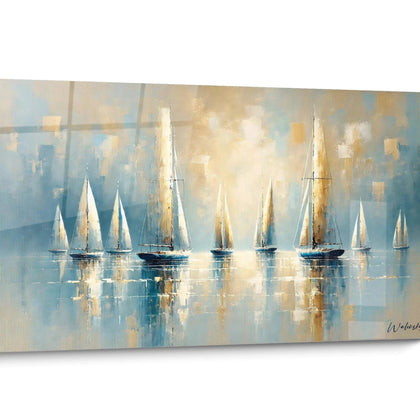 Abstract Bathroom Wall Art18
artworks
Abstract Bathroom Wall Art18
artworks
-
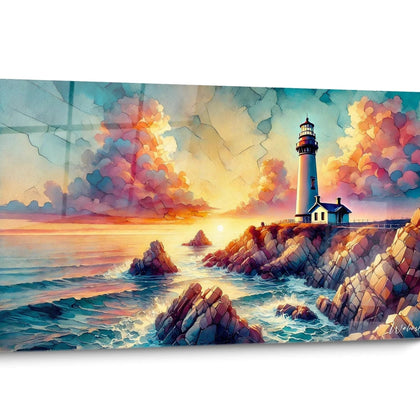 Bathroom Wall Art Marine10
artworks
Bathroom Wall Art Marine10
artworks
-
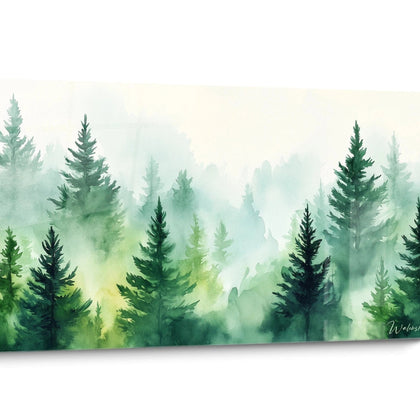 Zen Bathroom Wall Art16
artworks
Zen Bathroom Wall Art16
artworks
-
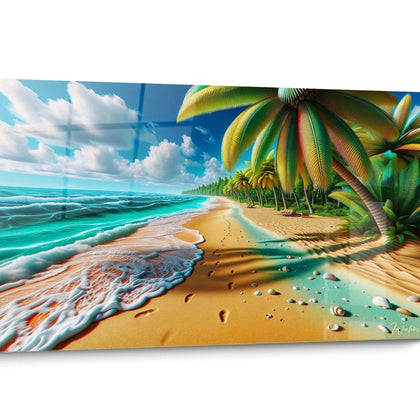 Turquoise Bathroom Wall Art22
artworks
Turquoise Bathroom Wall Art22
artworks
-
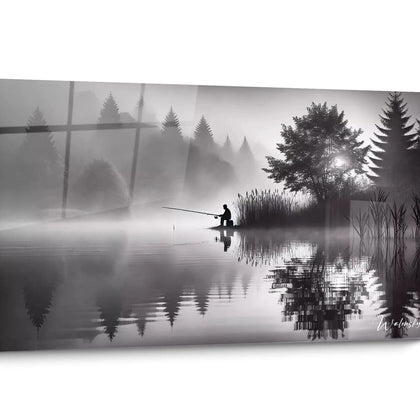 Black and White Bathroom Wall Art3
artworks
Black and White Bathroom Wall Art3
artworks
-
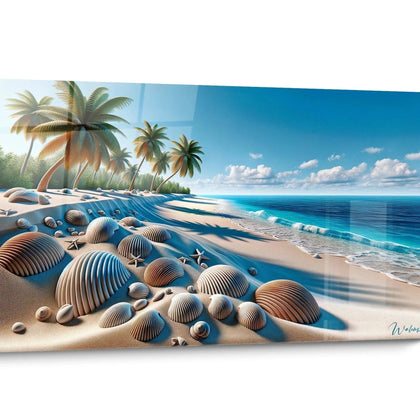 Tropical Bathroom Wall Art9
artworks
Tropical Bathroom Wall Art9
artworks
-
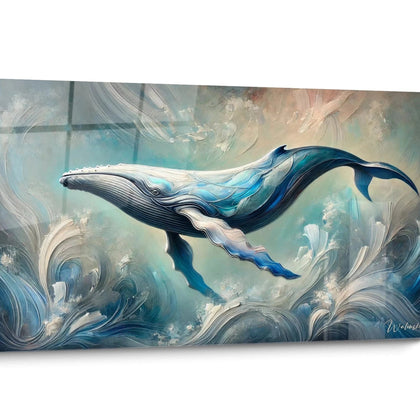 Bathroom Wall Art Whale11
artworks
Bathroom Wall Art Whale11
artworks
-
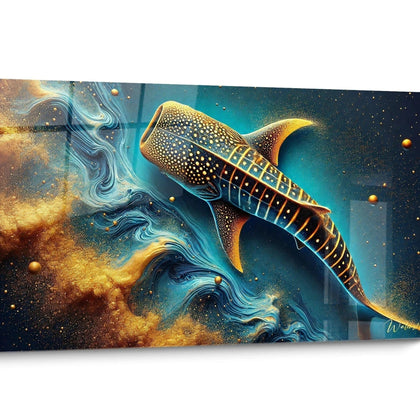 Golden Bathroom Wall Art12
artworks
Golden Bathroom Wall Art12
artworks
-
 Watercolor Bathroom Wall Art6
artworks
Watercolor Bathroom Wall Art6
artworks

All about Shell Bathroom Wall Art
- Bathroom Shell Wall Art Presentation
- Marine Ambiance and Coastal Décor
- Humidity Resistance and Large Formats
- Maritime Decorative Combinations
A bathroom shell wall art instantly transforms your water space into a true maritime sanctuary, where design meets functionality in an environment subjected to permanent humidity constraints. These monumental creations capture the essence of ocean treasures with visual precision that evokes preserved beaches and unexplored shores. Unlike classical maritime representations, these compositions focus exclusively on the architectural structure of shells, their hypnotic spirals, their pearlescent textures and organic geometries that calm the mind while visually structuring the humid space. Acquiring a large-scale piece establishes an immersive connection with the coastal universe directly from your daily ritual, transforming every moment spent in this space into a mental escape to wild coastlines.
The Seaside Universe Captured in Your Aquatic Sanctuary
The bathroom shell wall art perfectly embodies contemporary coastal design philosophy, where every visual element recalls the natural riches of the marine depths. Imposing formats magnify microscopic details usually invisible: the concentric striations of a nautilus, the pearled surface of an oyster, or the relief patterns of a murex. This visual amplification creates exceptional decorative impact in spacious bathrooms, transforming a once-neutral wall into a contemplative window toward marine ecosystems.
Why choose a shell visual for your humid space?
Shell symbolism resonates deeply with the very function of the bathroom: a space of purification, rebirth, protective intimacy. These marine creatures build their habitat with mathematical precision that fascinates as much as it soothes. Natural tonalities — sandy beiges, pearlescent whites, coral pinks, silvery grays — harmonize spontaneously with traditional sanitaryware materials like ceramic, stoneware or mineral surfaces. Installing a monumental artwork immediately enhances the decorative investment by creating a memorable focal point.
Littoral aesthetics adapted to daily rituals
Unlike botanical or urban themes, conchological imagery possesses intrinsic coherence with the omnipresent aquatic element in these rooms. Each visualization reminds us that water sculpts, polishes, transforms — exactly as your morning routine revitalizes and prepares you. Large dimensions allow appreciation of subtle chromatic nuances: these iridescent gradations impossible to reproduce artificially, these plays of light on calcareous surfaces, these delicate shadows in spiraled cavities. For those seeking a visual alternative, the abstract bathroom wall art also offers interesting possibilities with fluid motifs evoking aquatic movements.
The soothing psychology of organic marine forms
Neuroaesthetic research demonstrates that the logarithmic spirals of shells — following the Fibonacci sequence — induce a measurable calming response. Facing a monumental visual of nautilus or conch, the gaze naturally follows these harmonious curves, reducing accumulated cortical stress. This soothing property becomes particularly valuable in a space dedicated to physical relaxation. Families with children also appreciate the discreet educational dimension: these representations encourage naturalistic curiosity without transforming the room into a didactic museum.
Technical Performance in Vapor-Saturated Environments
A superior quality bathroom shell wall art must necessarily integrate anti-humidity protection technologies specifically developed to withstand extreme conditions. Repeated cycles of vapor saturation, brutal thermal variations between hot showers and cool ambiance, direct water projections constitute technical challenges that only treated supports can durably meet. Large dimensions amplify these requirements: an extended surface exposes more material to hygrometric aggression.
How does a large-format print resist permanent condensation?
Modern encapsulation processes create a total waterproof barrier between the image and the humid environment. The inks used to reproduce shell textures — these pearlescent whites, these sandy beiges — undergo thermal fixation that makes them completely insensitive to water vapor. Dimensionally stable rigid supports prevent the progressive warping that would affect an untreated surface. This structural stability guarantees that your decorative investment will retain perfect flatness even after years of daily exposure to humidity levels exceeding 80%.
Strategic installation to maximize durability
Even with optimized protective treatments, intelligent positioning significantly extends longevity. Locations receiving the least direct projections — wall opposite the shower, area above the bathtub rather than adjacent to the showerhead — benefit from enhanced preservation. Large dimensions paradoxically facilitate this strategic installation: a monumental artwork naturally structures the space and intuitively guides toward optimal zones. Post-use ventilation, even briefly, triples lifespan by evacuating residual vapor saturation.
Cleaning and maintenance of marine-motif surfaces
Shell representations present a practical advantage often overlooked: their light tonalities naturally camouflage inevitable lime deposits in water rooms. Simple monthly wiping with a slightly damp microfiber cloth suffices to maintain visual brilliance. Treated surfaces repel lipid accumulations from vaporized cosmetics. This ease of maintenance becomes decisive for imposing formats where complete cleaning would otherwise demand considerable effort. Absolutely avoid abrasive products that would compromise the protective layer, favor neutral solutions.
Orchestrating a Coherent Coastal Scenography
The integration of a large-format bathroom shell wall art naturally initiates a decorative narrative that complementary accessories enrich. This scenographic approach transforms a simple functional room into an immersive sensory experience where every element dialogues with the central marine iconography. Large formats establish the visual dominance necessary to anchor this theme without tipping into decorative overload.
What materials harmoniously accompany conchological imagery?
Natural fibers like linen shower curtains, thick cotton bath mats, rattan storage baskets create tactile resonances with the coastal universe. Mineral surfaces — reconstituted stone basins, slate trays, decorative pebbles — establish material bridges with the original shell habitat. Metals in brushed finishes recall marine erosion: aged brass fixtures, oxidized bronze hooks, patinated steel frames. This textural multiplicity enriches the experience without visually competing with the wall centerpiece.
Color palette to amplify maritime atmosphere
Hues complementary to shell dominants — deep blues evoking the ocean, celadon greens recalling algae, sandy ochres extending natural beiges — construct sophisticated chromatic harmony. Textiles can introduce these nuances without monopolizing attention: towels in petrol blues, mats in storm grays, decorative elements in aquatic greens. This colorimetric strategy works particularly well with large artworks that already establish the dominant chromatic temperature, allowing accessories to accentuate rather than define atmosphere.
Lighting that showcases organic details
Targeted light sources radically transform perception of represented shell details. Lateral lighting reveals subtle reliefs and pearlescent textures with dramatic intensity. Warm color temperatures (2700-3000K) magnify natural beige and rosy shell tonalities, while neutral temperatures (4000K) faithfully restore pure whites. Dimmers allow adapting intensity by moment: bright light for energizing morning routines, dimmed lighting for relaxing twilight baths. This lighting flexibility multiplies possible readings of the same monumental artwork.
Does a bathroom shell wall art suit small spaces?
Paradoxically, large formats function remarkably well in compact spaces by creating an illusion of depth. Shell imagery, with its spirals and natural perspectives, guides the gaze toward visual infinity rather than blocking spatial perception. A monumental format on the main wall immediately gives architectural dimension to even a small urban bathroom.
Can you combine multiple marine visuals without decorative overload?
The fundamental rule is maintaining clear hierarchy: one dominant large-scale piece accompanied possibly by much smaller secondary compositions. If your main artwork measures 120x80cm, limit complementary elements to formats under 30x30cm. Also prioritize representation diversity: if your major work shows a close-up nautilus, secondary elements could present starfish, coral or pebbles to enrich the coastal narrative.
Do shell tones harmonize with all tile styles?
Natural shell tonalities — whites, beiges, grays, pale pinks — possess chromatic neutrality that adapts remarkably to contemporary ceramics like traditional tiles. Even with colorful tiling, shell nuances create a soothing counterpoint. Entirely white bathrooms instantly gain character and depth, while spaces with dark tiles benefit from valued luminous contrast.
Further reading
Our articles on this topic
L'art qui suscite l'envie
Maison belge d'art mural grand format
14 jourspour changer d'avis*
Protection Walenskyincluse
Fabriquéen Italie
FormatXXL
Kit de fixationtoujours fourni
* Hors tableaux personnalisés et tailles personnalisées


