


Painting Art (style)
Discover our unique collection of painting artworks (in the "Painting" style). Although these works imitate the aesthetics of brushstrokes and the texture of traditional paintings, they embrace a more conceptual and modern approach. Each artwork is an artistic interpretation that reinvents the art of painting through vibrant and bold compositions. Whether you're seeking a piece that evokes the sensation of a classic canvas or a work that explores new visual frontiers, this collection offers captivating and original creations. Immerse yourself in this universe where illusion and creativity meet for a striking visual effect.
 Tableau Silhouettes urbaines aux manteaux bleu et orange - Marche collective - Edition style Peinture abstrait233,90 €
 Tableau Fleurs rouge et orange en bandes texturées - Éclosion solaire - Edition style Peinture abstrait233,90 €
 Tableau Faisceau lumineux doré éclaboussures violettes - Lueur surgissante - Edition style Peinture abstrait233,90 €
 Tableau Oiseaux perchés touches ocre et bleu pastel - Halte printanière - Edition style Peinture abstrait233,90 €
 Tableau Explosion florale bleu profond et orange vif - Éclosion sous-marine - Edition style Peinture abstrait233,90 €
 Tableau Frondaisons bleu et jaune aux coulures vives - Éveil de la nature - Edition style Peinture abstrait233,90 €
 Tableau Bouquet floral rose et jaune empâté sur fond bleu - Pétales au couteau - Edition style Peinture abstrait233,90 €
 Tableau Roses roses et blanches sur planches peintes - Éclaboussures dorées sur bois - Edition style Peinture abstrait233,90 €
 Tableau Falaises côtières enneigées aux teintes bleu et blanc - Solitude polaire - Edition style Peinture abstrait233,90 €
 Tableau Vallée verte au lac miroir - Havre de montagne - Edition style Peinture abstrait233,90 €
 Tableau Silhouette rouge face à un mur écarlate - Solitude monumentale - Edition style Peinture abstrait233,90 €
 Tableau Empâtement blanc et sarcelle aux éclats orangés - Matière sculptée dense - Edition style Peinture abstrait233,90 €
 Tableau Papillon bleu et orange aux éclaboussures - Envol libérateur - Edition style Peinture abstrait233,90 €
 Tableau Silhouette jaune et bleu aux éclats fragmentés - Fragments en mouvement - Edition style Peinture abstrait233,90 €
 Tableau Silhouette masculine jaune et rose au bord de l'eau - Reflet urbain sur canal - Edition style Peinture abstrait233,90 €
 Tableau Canal bleu et doré aux reflets d'eau - Reflets du port - Edition style Peinture abstrait233,90 €
 Tableau Bandes verticales jaune et rouge éclatantes - Éruption citadine - Edition style Peinture abstrait233,90 €
 Tableau Skyline éclatée jaune et bleu marine - Vertige urbain - Edition style Peinture abstrait233,90 €
 Tableau Mosaïque bleu et jaune sur fond crème éclaboussé - Cercles ponctués rouges - Edition style Peinture abstrait233,90 €
 Tableau Skyline abstraite aux reflets rose et jaune - Mirage citadin - Edition style Peinture abstrait233,90 €
 Tableau Silhouette urbaine bleu turquoise et orange vif - Reflets de cité - Edition style Peinture abstrait233,90 €
 Tableau Skyline abstraite aux couleurs vives et empâtements - Vibration urbaine - Edition style Peinture abstrait233,90 €
 Tableau Skyline abstraite jaune et rose sur reflets - Cité en lumière - Edition style Peinture abstrait233,90 €
 Tableau Cité colorée aux reflets violets et dorés - Reflets urbains - Edition style Peinture abstrait233,90 €
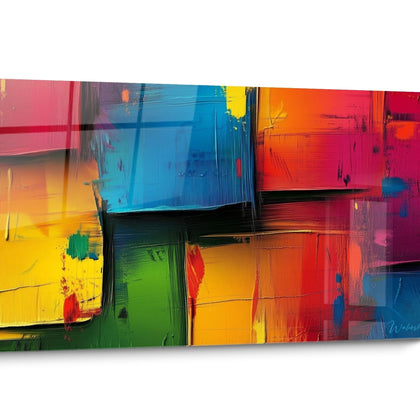
In the same family
Also explore the theme Abstract
-
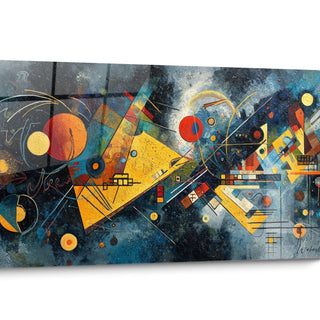 View all4079
artworks
View all4079
artworks
-
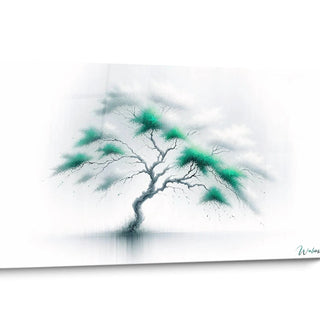 Abstract123
artworks
Abstract123
artworks
-
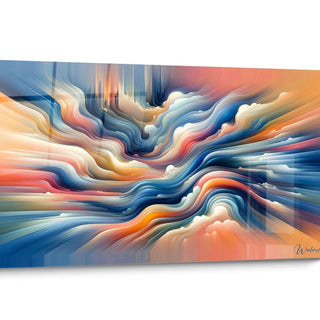 Colorful Abstract146
artworks
Colorful Abstract146
artworks
-
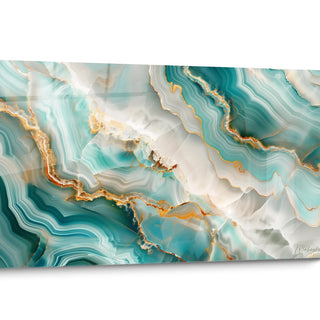 Blue marble abstract7
artworks
Blue marble abstract7
artworks
-
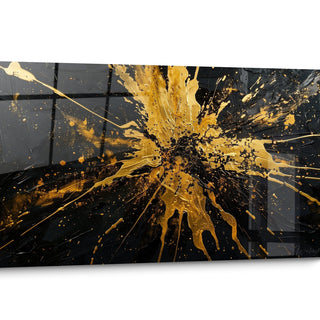 Black and Gold Abstract10
artworks
Black and Gold Abstract10
artworks
-
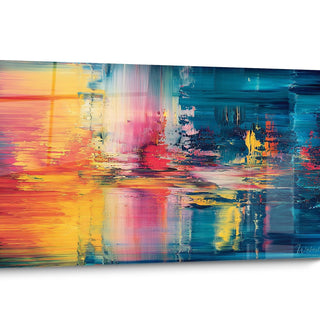 Abstract Scraped Style9
artworks
Abstract Scraped Style9
artworks
-
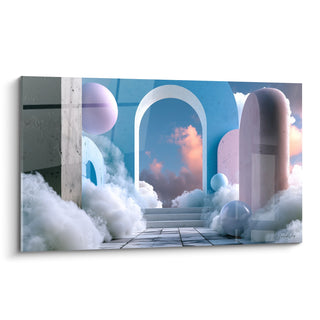 Abstract Architecture517
artworks
Abstract Architecture517
artworks
-
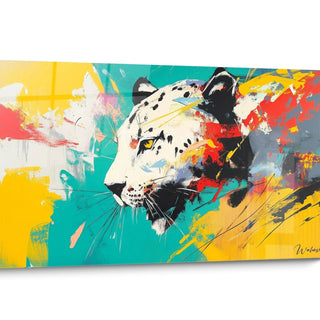 Abstract Artistic319
artworks
Abstract Artistic319
artworks
-
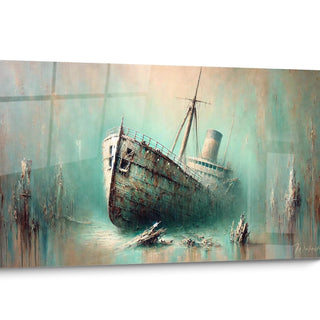 Abstract Boat228
artworks
Abstract Boat228
artworks
-
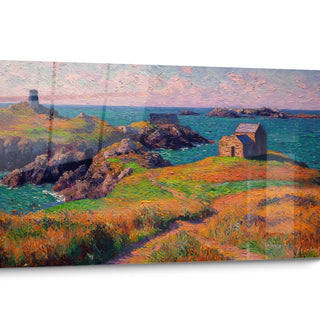 Abstract Seaside39
artworks
Abstract Seaside39
artworks
-
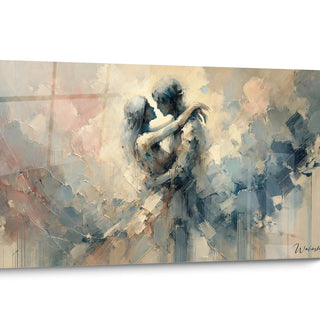 Abstract Body68
artworks
Abstract Body68
artworks
-
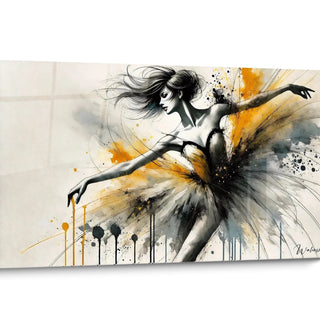 Abstract Dancer281
artworks
Abstract Dancer281
artworks
-
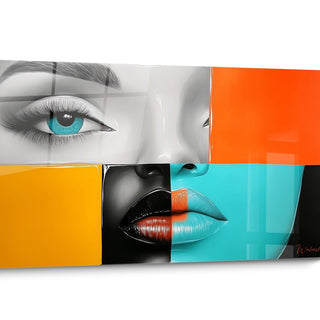 Abstract Figurative23
artworks
Abstract Figurative23
artworks
-
 Abstract Flower90
artworks
Abstract Flower90
artworks
-
 Geometric392
artworks
Geometric392
artworks
-
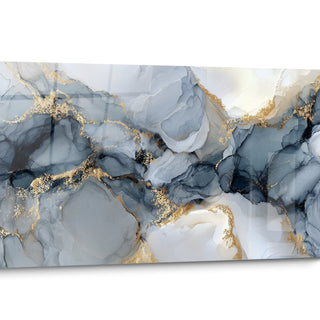 Abstract Marble169
artworks
Abstract Marble169
artworks
-
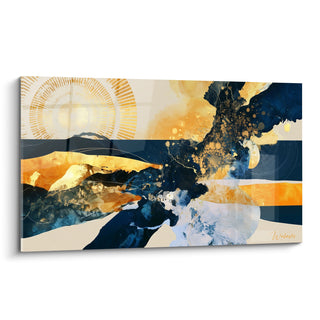 Modern Abstract106
artworks
Modern Abstract106
artworks
-
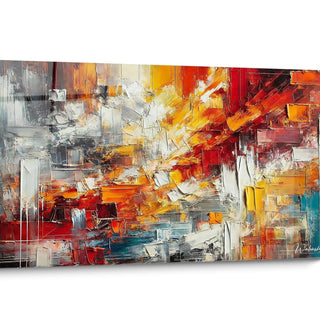 Contemporary Multicolour36
artworks
Contemporary Multicolour36
artworks
-
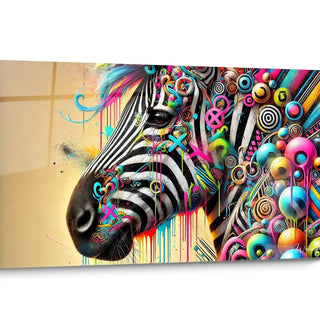 Multicolor Abstract217
artworks
Multicolor Abstract217
artworks
-
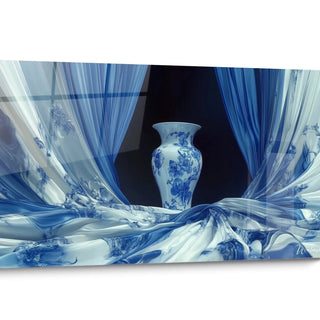 Abstract Still Life9
artworks
Abstract Still Life9
artworks
-
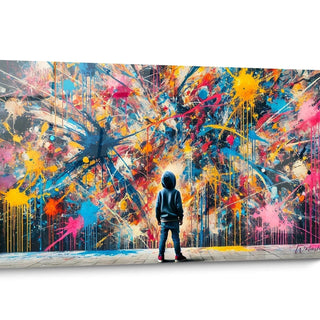 Abstract Pop Art5
artworks
Abstract Pop Art5
artworks
-
 Sensual Abstract16
artworks
Sensual Abstract16
artworks
-
 Abstract Spirals141
artworks
Abstract Spirals141
artworks
-
 Textured Abstract39
artworks
Textured Abstract39
artworks
-
 Abstract Face448
artworks
Abstract Face448
artworks


All about Painting Art (style)
- Presentation Abstract Painting Canvas
- Canvas abstract painting emotional expressionism
- Abstract painting canvas contemplative zones
- Abstract painting canvas contemporary geometry
Discover the fascinating universe of abstract paintings, true portals to visual worlds where pure artistic expression transcends the limits of representation. These large-format works radically transform your living spaces into contemporary art galleries, offering daily immersion in unique chromatic universes. Explore our exclusive collection of abstract artworks that combine emotional depth and visual sophistication to enhance your interior.
The Emotional Impact of Abstract Painting Canvases in Contemporary Spaces
Abstract painting canvases fundamentally transform our perception of interior spaces through their unique visual language and emotional power. Unlike figurative works that directly represent reality, abstract art communicates through forms, colors, and textures that resonate directly with our subconscious.
How do abstract canvases stimulate our limbic system?
Modern neuroscience reveals that our brain processes abstract compositions differently from figurative images. Abstract works simultaneously activate multiple brain regions, particularly the limbic system—the seat of our emotions. This distinctive stimulation creates a unique immersive experience where each viewer develops a personal relationship with the work, independent of the artist's initial intentions.
Studies in environmental psychology demonstrate that large-format abstract pieces exert an amplifying effect on our spatial perception. An abstract painting canvas of substantial dimensions literally alters the perceived geometry of a room by creating visual vanishing points that virtually extend the living space.
Chromatic vibrations as mood modifiers
The distinctive feature of abstract compositions lies in their ability to generate "resonant chromatic fields"—color zones that interact with our nervous system at different levels. The reds and oranges of expressionist abstract paintings stimulate our sympathetic system, while abstract blues and greens activate our parasympathetic system, inducing calm and concentration.
These canvases function as true "mood regulators" whose impact varies depending on:
- The dominant chromatic tone and its neuropsychological associations
- The compositional dynamics (visual tension/resolution)
- The perceived texture and its impact on our haptic memory
- The relative scale compared to the exhibition space
The principle of "spatial resonance" applies particularly to large-format abstract paintings that act as space amplifiers. Unlike figurative works that create "windows" to other places, abstract canvases transform the very nature of the space where they are displayed.
What are the specific psychological effects of different abstract styles?
Lyrical abstraction, characterized by its fluid movements and gentle chromatic transitions, fosters a mental state conducive to divergent creativity. Free-association tests conducted in the presence of such works show a 37% increase in unexpected conceptual connections among observers.
Geometric abstraction, with its organized structures and visual rhythmics, stimulates our prefrontal cortex, enhancing our capacity for structured thinking and complex problem-solving. These canvases function as "visual architectures" that reorganize our spatial perception.
Abstract expressionism, particularly in its large-format manifestations, provokes measurable physiological responses: pupil dilation, changes in breathing rhythm, and unconscious muscle engagement that mimics the movements perceived in the work. This total bodily reaction explains the profound immersion these abstract painting canvases can generate.
Minimalist abstract compositions create "cognitive decompression zones"—visual spaces that allow the brain to slow its constant information processing. These works function as counterpoints to daily visual bombardment, offering necessary contemplative spaces for mental balance.
Harmonious integration in specific environments
High-cognitive stimulation spaces (creative offices, decision-making centers) particularly benefit from abstract canvases with dynamic compositions that stimulate lateral thinking and encourage unexpected conceptual connections.
Transition environments (halls, corridors, circulation spaces) are transformed by large-format abstract works that create "visual pathways"—chromatic sequences that accompany and rhythm physical movement.
Relaxation zones benefit from abstractions with horizontal dominance that induce a contemplative state through their artificial horizon effect, creating perceptual depth that visually opens up the space.
Representation and reception spaces gain prestige and memorable character through bold abstract canvases that become true visual signatures, emblematic of the location's identity.
In therapeutic environments, certain abstract compositions are specifically designed for their calming effects on the nervous system, creating "visual sanctuaries" conducive to healing and well-being.
The distinctive feature of large-format abstract canvases lies in their unique capacity to transform complete spatial experience, unlike decorative objects that remain confined to their own physical presence. These works redefine the entire space that welcomes them.
Creating Contemplative Zones with Monumental Abstract Painting Canvases
The integration of a large-dimension abstract painting canvas radically transforms the emotional acoustics of a space. These monumental works don't merely occupy a wall; they create true visual sanctuaries where the mind can escape daily tumult to access profound contemplative states.
The invisible architecture of contemplative spaces
Large-format abstract canvases generate what space designers call "perceptual bubbles"—zones where our visual attention concentrates with such intensity that our consciousness of the peripheral environment fades. This phenomenon, similar to the flow state described by psychologists, transforms a simple wall into a portal to an immersive experience.
This unique capacity of monumental abstract works stems from several distinctive factors:
- The presence of a "perceptual horizon" that exceeds our peripheral vision field
- The absence of figurative referents that would anchor our perception in daily life
- The creation of visual trajectories that guide and retain our gaze
- The establishment of a "vibratory signature" unique to each space
Unlike figurative works that transport us to other places, abstract canvases transform the place itself where we stand, creating an emotional architecture superimposed on physical architecture.
How do abstract canvases modify our temporal perception?
A fascinating phenomenon observed in the presence of monumental abstract canvases is "perceived temporal dilation." Studies in environmental psychology reveal that observers exposed to monumental abstract works systematically underestimate the time spent contemplating them, reporting periods 20-35% shorter than reality.
This alteration of our temporal perception is explained by the engagement of our neural circuits dedicated to pattern recognition. Faced with pure abstraction, our brain enters continuous exploratory mode, perpetually seeking to identify structures and meanings without ever reaching the cognitive resolution that a figurative image would provide.
Abstract canvases with open compositions (lacking a dominant focal center) particularly amplify this effect, creating what neuroestheticists call "perpetual perceptual engagement"—a state where our brain continues discovering new visual relationships even after prolonged observation.
The perceptual stratification of monumental abstract painting canvases
Large-dimension abstract works offer a stratified visual experience impossible to capture in a single glance. This unique characteristic creates three optimal observation distances, each revealing a different aspect of the work:
"Immersive vision" (very close distance) reveals the tactile qualities, textures, and technical details of abstract painting. At this distance, the work literally envelops the visual field, creating an almost synesthetic experience.
"Compositional vision" (medium distance) allows us to grasp the structures, dynamics, and visual tensions that organize the pictorial space. It's at this distance that formal and chromatic relationships become fully perceptible.
"Integrative vision" (distant viewing) reveals the global impact of the work on the surrounding space and allows us to understand how the abstract canvas dialogues with the architecture that welcomes it. At this distance, the work becomes a transformative element of the entire space.
This perceptual stratification, specific to large-dimension abstract canvases, creates a unique experience that renews itself based on our positioning, unlike figurative works that generally favor a single optimal observation distance.
Biological synchronization with abstract visual rhythms
Neuroscience reveals a fascinating phenomenon: our brain activity tends to synchronize with the visual rhythms present in abstract compositions. Recurring patterns, chromatic alternations, and compositional dynamics of abstract canvases can literally "attune" our neural activity to their structures.
This "neuronal entrainment" phenomenon explains the soothing effect of certain abstract compositions with slow rhythms and gentle transitions, which favor the emergence of alpha brain waves, associated with attentive relaxation states.
Conversely, abstract compositions with dynamic contrasts and pronounced visual tensions stimulate beta wave production, associated with active cognitive engagement and problem-solving.
This capacity of large abstract canvases to modify our neurophysiological state explains their increasing use in environments dedicated to meditation, rejuvenation, and creativity. These works function as true "mental tuning instruments".
To maximize this transformative effect, optimal placement of a monumental abstract painting canvas must consider:
- The natural circulation patterns in the space
- The position of light sources and their daily variations
- Multiple viewpoints from different utilization zones
- The chromatic relationship with the architectural environment
Ultimately, a monumental abstract canvas doesn't merely occupy a space—it creates a complete perceptual environment that transforms our sensory experience of the place and our inner state.
The Geometric Harmony of Abstract Painting Canvases in Contemporary Architecture
The integration of a geometric-dominant abstract painting canvas within contemporary architecture creates a unique spatial dialogue between the work and its environment. Beyond simple decorative appearance, these canvases function as conceptual extensions of architectural space, amplifying or counterbalancing its fundamental structural characteristics.
Structural resonance between geometric abstraction and architecture
Geometric abstract compositions maintain a particular relationship with contemporary spaces characterized by their clean lines and minimalist volumes. This structural affinity is explained by several levels of interaction:
The principle of "visual continuity" allows a geometric abstract canvas to virtually extend existing architectural lines, creating an impression of augmented space. This technique, particularly effective in interiors with limited dimensions, transforms a simple wall into a perceived spatial extension.
The concept of "structural counterpoint" uses geometric abstract compositions to introduce controlled visual complexity into minimalist spaces. These canvases then create dynamic tension that activates the environment without compromising its architectural cohesion.
"Rhythmic punctuation" employs abstract canvases with repetitive or sequential patterns to establish a visual tempo that structures spatial experience, particularly in transition spaces or extended volumes.
How do geometric abstract canvases redefine spatial proportions?
Geometric abstract works exert a measurable effect on our perception of architectural proportions through several perceptual phenomena:
The principle of "axial displacement" allows a horizontal abstract canvas with dynamic lines to visually stretch a wall, while a vertical composition with ascending structures virtually raises a ceiling. These effects, measured by eye-tracking, show that our spatial perception is directly influenced by these visual cues.
The "chromatic compression/expansion" effect uses the advancing or receding properties of colors in abstract compositions to modify perceived space depth. Canvases with blue or violet dominance create an impression of dilated space, while orange or red compositions make the space feel more intimate.
The "scalar calibration" technique employs large-dimension abstract canvases to reset our perception of room proportions, establishing a new reference scale that transforms the overall spatial experience.
Geometric abstraction as an architectural light amplifier
Geometric abstract canvases interact sophisticatedly with lighting systems and natural light, creating what interior architects call "dynamic light modifications":
The "chromatic reverberation" phenomenon occurs when an abstract canvas with vibrant colors projects subtle colored reflections onto surrounding surfaces, creating a luminous halo that extends the work's influence beyond its physical boundaries.
The "modulated light diffusion" effect uses textured surfaces or brilliance variations in abstract paintings to redistribute light through the space in controlled patterns, creating distinct micro-lighting environments.
The "temporal capture" technique exploits the varying perception of a geometric abstract canvas throughout the hours, the same canvas offering radically different visual experiences depending on the angle and intensity of natural light, transforming a static work into a dynamic installation.
What are the essential considerations for integrating a geometric abstract canvas in a specific architecture?
Optimal integration of a geometric abstract painting canvas requires precise analysis of the architectural environment:
- Study of structural "lines of force" to determine whether the work should amplify or counterbalance them
- Analysis of the "daily light path" to anticipate interactions between the work and natural light
- Identification of "primary viewing points" to ensure the work offers coherent experience from different positions
- Consideration of "acoustic tensions" as large abstract canvases also influence the sound properties of a space
In environments with complex volumes, geometric abstract canvases can serve as "spatial unifiers," creating visual coherence between different zones through their organizing structures.
For multi-function spaces, these works act as "conceptual delimiters," establishing perceptual boundaries without resorting to physical separations, particularly valuable in contemporary open-space arrangements.
In architectures characterized by structural minimalism, canvases with complex geometry introduce "compensatory visual density" that enriches spatial experience without compromising architectural purity.
FAQ on abstract painting canvases
How do I choose the ideal dimension for an abstract painting canvas for my space?
To determine the optimal dimension for an abstract painting canvas, apply the two-thirds rule: the work should ideally occupy approximately 60-70% of the exhibition wall's width. For spaces with high ceilings, favor vertical formats that will accentuate this architectural feature. In rooms with generous dimensions, a monumental canvas creates a powerful focal point that structures the entire space.
What is the influence of an abstract painting canvas on a room's acoustics?
Large-dimension abstract painting canvases, particularly those with pronounced textures, contribute significantly to a space's acoustic properties. These works act as sound diffusers that attenuate excessive reverberation, softening the overall acoustic environment. In spaces with predominant hard surfaces (glass, concrete), a large textured abstract canvas can reduce reverberation time by up to 15%, considerably improving acoustic comfort.
How does the perception of an abstract painting canvas evolve depending on the lighting?
The perception of an abstract painting canvas transforms radically depending on lighting conditions. Texture-dominant compositions reveal their depth under directional lighting that accentuates reliefs through shadow play. Works with glossy or metallic surfaces create dynamic effects that change based on the observer's position. To maximize this experiential dimension, some collectors install programmable lighting systems that gradually modify the work's appearance throughout the day, creating an ever-evolving visual experience.
Further reading
Our articles on this topic
- Surrealist Paintings: A Visual Journey Between Dream and Reality
- Conceptual art paintings: more than aesthetics, an idea to contemplate
- Figurative Art Prints: The Art of Representing the World Accurately
- Contemporary paintings: between design and visual emotion
- Interactive Visual Artworks, Pieces That Evolve With Your Perspective


