









Impressionist Irish Wolfhound Dog Painting
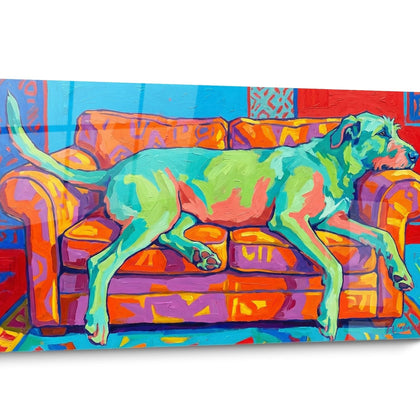
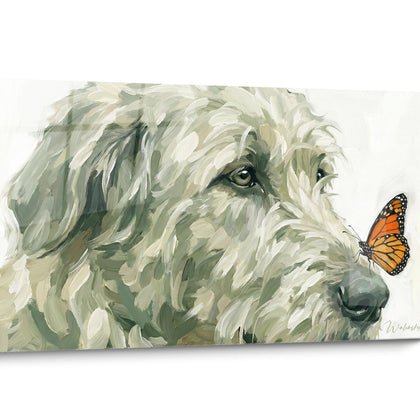
The Painting dog Irish Wolfhound Impressionniste celebrates the majesty of the Irish Wolfhound through a refined artistic approach. This collection captures the noble essence and impressive stature of this chien Irish Wolfhound in Impressionistic art, with delicate brushstrokes and an evocative color palette. Each work reveals the softness of the gaze and the natural bearing of this lévrier Irish Wolfhound in decorative painting. Ideal for lovers of this legendary breed and enthusiasts of contemporary canine art.
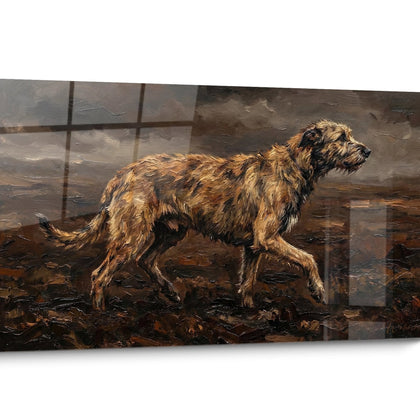
 Leaping Irish Wolfhound Painting Dynamic Brushstrokes Ochre and Bronze Tones - Fierce Energy - Irish Wolfhound Edition273,90 €
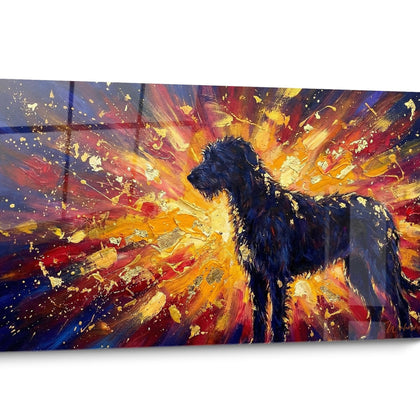
 Irish Wolfhound in Gray Tones Hunting Among Orange and Red Splashes - Autumn Hunt - Irish Wolfhound Edition273,90 €
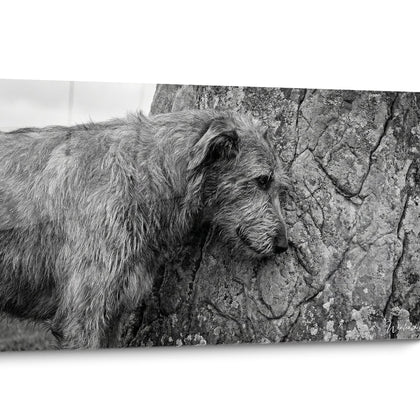
 Canine Portrait Painting with Striking Muzzle - Modern Impressionist Technique - Irish Wolfhound Edition228,90 €
Explore further
In Impressionist Irish Wolfhound Dog Painting
All about Impressionist Irish Wolfhound Dog Painting
- Impressionist Irish Wolfhound Painting Presentation
- Impressionist Irish Greyhound Wall Décor
- Impressionist Canine Art Large Format
- Acquiring an Irish Wolfhound Artwork
The impressionist Irish Wolfhound dog painting celebrates the legendary majesty of the Irish greyhound through a pictorial interpretation that captures the very essence of this ancestral breed. This artistic representation combines the characteristic monumentality of this giant among dogs with the chromatic fluidity inherent to the impressionist movement, creating a decorative work where physical power meets the delicacy of colored brushstrokes. The impressionist approach particularly sublimes the filamentous coat of the wolfhound, transforming each shade of grey, fawn or brindle into a captivating play of light that animates the wall surface of your interior.
Impressionism in service of the Irish greyhound's nobility
The impressionist Irish Wolfhound dog painting visually translates the fascinating duality of this millennial breed, where the ruggedness of wolf hunters meets an almost melancholic gentleness. The characteristic brushstrokes of impressionism faithfully reproduce the unique texture of the rough and dense coat, each chromatic touch evoking the fibrous strands that traditionally protected these dogs from Ireland's rigorous climate.
Why does impressionism magnify the wolfhound's athletic silhouette?
Impressionist technique excels at capturing suspended movement and the elegant racing lines of this longilineal breed. Soft gradations and undefined contours perfectly translate this airy allure despite the imposing stature, creating a sensation of perpetual movement even in a static position. This artistic approach restores the impression of speed and agility that characterizes greyhounds, while preserving the royal dignity historically associated with the Irish Wolfhound, companion dog of Gaelic kings.
The chromatic harmonies specific to wolfhound coats
The impressionist interpretation masterfully exploits the natural range of this breed's coats: deep slate greys, warm fauves leaning toward gold, complex brindles mingling multiple earthy tones. These organic nuances lend themselves ideally to the color juxtapositions of impressionism, where each hue vibrates beside its complementary without ever completely blending. For animal art collectors seeking a stylistic alternative, the impressionist Irish Wolfhound abstract painting proposes a more contemporary geometric deconstruction of this same canine majesty.
Wall integration in high-ceilinged spaces
The natural verticality of the standing Irish Wolfhound finds its perfect echo in wall compositions intended for interiors with generous ceiling heights. A large-format painting accentuates this elevation characteristic of the breed, transforming a wall section into a contemplative window onto the world of giant greyhounds. Libraries with elevated shelving, spacious stairwells or cathedral-like living rooms constitute privileged locations where this impressionist vertical presence deploys its full visual impact, dialoguing with the architecture of the space itself.
Decorative atmospheres for an impressionist greyhound artwork
How to create an authentic Celtic atmosphere around the painting?
The impressionist Irish Wolfhound dog painting naturally becomes the focal point of a staging evoking the Irish highlands and Gaelic cultural heritage. Association with raw materials like thick wools, traditional tweeds or patinated woods reinforces this connection with the geographical origin of the breed. Deep green tones recalling Irish meadows, earthy ochres of peat bogs and grey stone of ruined castles form a coherent environmental palette that enhances the impressionist nuances of the painting.
Complementary decorative elements can include accessories evoking medieval aristocratic hunting without falling into pastiche: sculpted horns, Celtic interlace motifs, artisanal wrought-iron fixtures. This thematic scenography transforms the space into a narrative extension of the artwork, where each element tells a fragment of the secular history uniting the Irish Wolfhound to Irish nobility.
Nuanced lighting to reveal impressionist brushwork
The technical particularities of impressionism require a specific lighting approach to reveal the richness of chromatic superimpositions. Diffuse and adjustable lighting allows appreciation of how colored touches visually blend at distance while remaining distinct up close, reproducing the contemplative experience sought by impressionist painters. Light variations throughout the day subtly modify the perception of tones, literally bringing the wolfhound's coat to life according to the intensity and angle of natural or artificial light.
Which spaces particularly enhance this monumental canine representation?
Rooms dedicated to reflection and contemplation constitute privileged locations for a large-format impressionist Irish Wolfhound dog painting. Private libraries, personal offices or music rooms benefit from this soothing presence that invites meditation without imposing excessive visual agitation. The Irish Wolfhound, historically associated with wisdom and thoughtful loyalty rather than exuberance, establishes an atmosphere of noble serenity perfectly suited to intellectual spaces.
Spacious entrance halls also benefit from the immediate impact created by this imposing breed rendered in large format. The visitor crossing the threshold is welcomed by this protective silhouette whose impressionist softness tempers the intimidation that the monumental size might generate. This visual duality between power and delicacy immediately establishes the character of the interior: refined without being precious, majestic without being ostentatious.
Investing in an impressionist representation of the Irish giant
The symbolic value of the Irish Wolfhound in animal art
Acquiring an impressionist Irish Wolfhound dog painting transcends simple decorative intent to inscribe itself within a multi-secular iconographic tradition. This breed figures among the oldest canine representations in European art, present on medieval illuminations, aristocratic tapestries and court portraits. Possessing a contemporary impressionist interpretation of this canine heritage establishes cultural continuity, linking the current art enthusiast to historical collectors who already celebrated these exceptional dogs.
The specific choice of impressionist approach adds an emotional dimension to this symbolic weight. Where photographic realism fixes the subject in static exactitude, impressionism captures the very soul of the wolfhound: this paradoxical combination of martial strength and almost vulnerable sensitivity that fascinates breed connoisseurs. Fragmented chromatic touches visually translate the characteristic complexity of these gentle giants, making perceptible what ordinarily escapes the photographic lens.
Selection criteria for a quality impressionist canine painting
Evaluating an impressionist Irish Wolfhound dog painting requires particular attention to several distinctive technical aspects. Morphological fidelity remains important even in a non-realistic approach: the characteristic proportions of the breed (limb length, chest depth, head carriage) must remain identifiable despite stylistic freedom. A poorly proportioned impressionist wolfhound loses its racial authenticity and becomes a generic canine representation devoid of specificity.
Mastery of the chromatic palette constitutes a determining indicator of artistic quality. Wolfhound coats present a subtle tonal complexity that only sophisticated colorimetric work can restore: greys are never uniform but crossed with bluish or greenish reflections, fauves contain golden or coppery undertones. A superior-quality impressionist painting reveals this chromatic richness through distinct touch superimpositions rather than uniform applications.
How does large format transform the perception of the artwork?
The generous dimensions of an impressionist painting do more than simply amplify the image; they fundamentally modify the contemplative experience. A monumental format allows for physical appreciation of brushwork gesture, each stroke becoming a perceptible sculptural element that progressively constructs the figurative illusion. This scale brings the viewer closer to the creative act itself, transforming passive observation into active dialogue with pictorial technique.
For the Irish Wolfhound specifically, large format restores authentic proportionality between the spectator and the represented subject. These dogs commonly reaching 80 centimeters at the withers deserve a representation at significant scale that respects their status as the world's tallest canine breed. A small format would artificially miniaturize what should impose its presence, creating cognitive dissonance among connoisseurs familiar with these animals' actual stature.
Where to place an impressionist Irish Wolfhound dog painting in a contemporary interior?
The ideal placement combines optimal visibility from main circulation zones with sufficient viewing distance to appreciate the impressionist optical effect. Walls facing room entrances, visible immediately upon threshold crossing, maximize the impact of this monumental presence while allowing progressive approach gradually revealing the texture of pictorial touches.
Is impressionism suited to modern minimalist interiors?
Paradoxically, an impressionist Irish Wolfhound dog painting integrates remarkably into contemporary streamlined spaces. The fluidity of contours and partial dissolution of forms into colored touches create visual softness that harmonizes with the clean lines of modern furniture, bringing organic warmth and historical depth without burdening minimalist aesthetics.
What is the durability of a large-format impressionist painting?
Large-dimension works generally benefit from superior structural stability thanks to reinforced supports and professional preparation techniques. Chromatic permanence depends primarily on pigment quality and respect for standard environmental conditions: avoiding prolonged direct exposure to intense UV rays and maintaining stable humidity prevents premature alteration.


