


Geometric Running Wall Art
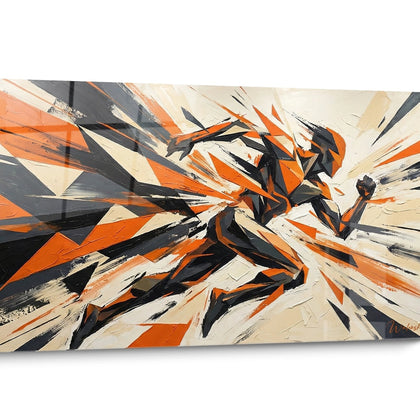
The Running Geometric painting celebrates the energy of running through a clean, modern style. This collection merges abstract art and the sporting world to create minimalist running paintings with dynamic lines. Each graphic composition captures the movement, speed, and determination of runners in a contemporary aesthetic. Perfect for sports and modern art enthusiasts, these geometric sports wall decoration transform your interior into a motivating and inspiring space.
 Abstract Runner Painting - Energy in Motion - Running Edition273,90 €
 Geometric Runner Painting - Modern Art of the Runner - Running Edition273,90 €
 Geometric Art Painting - Green Zen Labyrinth - Running Edition228,90 €
Explore further
In Geometric Running Wall Art


All about Geometric Running Wall Art
- Geometric Running Wall Art Presentation
- Visual Dynamics and Movement
- Sports Decorative Architecture
- Daily Impact and Inspiration
The geometric running wall art transforms the energy of running into a structured visual composition where each line, angle, and form crystallizes athletic power. This artistic approach translates running biomechanics into refined graphic elements, creating a perfect balance between mathematical rigor and athletic fluidity to enhance your training or rest spaces.
Geometry in Service of Athletic Energy
How do angular forms capture the essence of running?
The geometric running wall art deconstructs the runner's movement into angular segments, triangles, and polygons that materialize trajectory, acceleration, and propulsion. This visual fragmentation instantly captivates the eye, creating dynamic reading where each geometric form evokes a specific running phase: ground contact expressed through stable squares, extension through ascending diagonals, aerial suspension through balanced triangles. Large wall formats amplify this sensation of spatial displacement, transforming a static wall into a vector of kinetic energy.
The intersection of straight lines and subtle curves reproduces the runner's muscular tension, this alternation between explosive contraction and controlled release. Geometric compositions with vectorial dominance generate architectural depth that dialogues with modern spaces, particularly industrial lofts, high-end sports facilities, or performance-oriented offices. Unlike the abstract running wall art which prioritizes fluid emotion, the geometric version imposes rational structure on the apparent chaos of athletic movement.
What visual codes reinforce the perception of speed?
The rhythmic repetition of identical forms spatially offset simulates the stroboscopic effect, this impression of seeing multiple successive positions of the same runner. Angular gradients from deep blue to electric white materialize progressive acceleration, while overlapping geometric planes create temporal stratification: the past, present, and future of the running stride coexist in a single composition. This visual narrative technique transforms each viewing into a multisensory experience.
The psychological impact of structured patterns on motivation
Neuroscience demonstrates that organized visual environments promote mental clarity and determination. A large-format geometric running wall art positioned facing a treadmill or in a mental preparation zone activates neural circuits associated with precision and objective-setting. Sharp geometric forms trigger cognitive resonance with the rigor of structured training, progressive training plans, and performance measurement. This visual coherence between decoration and athletic practice unconsciously reinforces daily athletic commitment.
Architectural Integration in Sports and Residential Spaces
Why prioritize monumental dimensions for this type of decoration?
Large-format geometric running wall art creates an architectural focal point that visually structures space while respecting contemporary proportions. In a home gym of minimum 25m², a composition of 150x100cm or larger establishes a proportioned visual presence that absorbs dispersed energy from sports equipment. Vertical geometric lines accentuate ceiling height, amplifying the sensation of breathing room essential during intense cardio sessions.
This monumentality also serves as spatial reference for functional exercises: runners unconsciously use the painting's vertical axes to align their posture, horizontals to calibrate their visual field during stretching. Professional training zones adopt these XXL geometric compositions as active design elements, directly participating in user experience rather than remaining passive decoration. The calculated symmetry or asymmetry of forms subtly guides equipment spatial organization.
What relationship exists between geometric color palette and perceived performance?
The color combinations of geometric running paintings generally oscillate between two registers: analytical cool tones (steel gray, ultramarine blue, graphite black) that evoke precision technology and objective measurement, or energetic contrasts (dynamic orange on anthracite background, electric yellow on navy) that stimulate visual adrenaline production. These choices are not decorative but functional: they directly influence the emotional temperature of the training space.
A large format with cool dominants appeases naturally charged raw-energy space, creating a regulating contrast between the physiological intensity of effort and surrounding visual calm. Conversely, geometric chromatic explosions in a residential office or meeting room inject a dose of competitive adrenaline, constantly reminding of the athletic breakthrough mindset applicable to professional challenges.
How do these compositions dialogue with architectural lighting?
The multiple facets of geometric forms react differently to directional light sources. LED rail lighting positioned at 45° creates shadow and light zones that accentuate visual relief, giving the illusion of three-dimensional depth to flat forms. This luminous interaction transforms the painting into a dynamic element whose appearance evolves from morning to evening, mimicking intensity variations of a training session.
Motivational Catalyst and Runner's Spatial Identity
How does geometrizing movement reinforce athletic identity?
Displaying a geometric running wall art constitutes a clear identity statement: running is not a simple hobby but a structuring life philosophy. The visual rigor of refined forms reflects the mental discipline necessary for regular training, morning outings in all weather, methodical progression of times. This coherence between visual environment and personal values creates a motivational ecosystem where each element reinforces athletic commitment.
For experienced runners preparing marathons or ultra-trails, these monumental geometric compositions function as personal totems, permanent visual reminders of their numbered objectives. The mathematical precision of angles and proportions echoes the precision of kilometer training plans, heart rate zones, split times. This symbolic resonance between artistic form and sporting practice transforms living space into a performance sanctuary.
Which spaces maximally benefit from this structured visual energy?
Beyond obvious home gyms, circulation corridors gain unexpected functionality with a large-format geometric running wall art: they become energetic corridors, mental transition zones between rest and action. Apartment entries equipped with such a painting immediately establish the resident's dynamic and disciplined character. Home offices of sports entrepreneurs thus create a visual bridge between athletic competitive mindset and professional ambition.
High-end running clubs use these XXL compositions in their post-training relaxation spaces, where structured geometry paradoxically aids mental recovery: after the organic chaos of effort, the eye finds rest in rational visual order. Sports physiotherapists also integrate them in their offices to maintain the patient's psychological connection with their practice during rehabilitation phases.
How does this artistic style evolve with sports design trends?
Geometric running aesthetics fits into the "performance design" movement where each visual element justifies its presence through psychological or symbolic function. New compositions incorporate real GPS tracking data transformed into personalized geometric tracings, or stylized elevation visualizations as angular graphics. This hybridization between personal sports data and wall art creates unique pieces charged with athletic memory.
Does a geometric running wall art suit minimalist Scandinavian spaces?
Absolutely, the purity of lines and economy of visual means in geometric compositions harmonize perfectly with refined Nordic aesthetics. Monochrome or bichrome palettes naturally dialogue with white and light wood interiors, bringing necessary dynamism without visual overload.
What impact difference exists between horizontal and vertical formats for this type of painting?
Horizontal format (landscape) amplifies lateral displacement sensation, ideal facing a treadmill where it mimics the fleeing horizon. Vertical format (portrait) accentuates elevation, running posture verticality, particularly relevant in high-ceiling spaces or to evoke hill runs.
How to maintain visual clarity of a large geometric running painting?
The refined nature of geometric forms facilitates maintenance: gentle monthly dusting suffices. The absence of complex textures prevents particle accumulation, while generally matte surfaces of high-quality prints resist disturbing reflections during morning training sessions with raking light.
L'art qui suscite l'envie
Maison belge d'art mural grand format
14 jourspour changer d'avis*
Protection Walenskyincluse
Fabriquéen Italie
FormatXXL
Kit de fixationtoujours fourni
* Hors tableaux personnalisés et tailles personnalisées


