


Contemporary Dance Wall Art
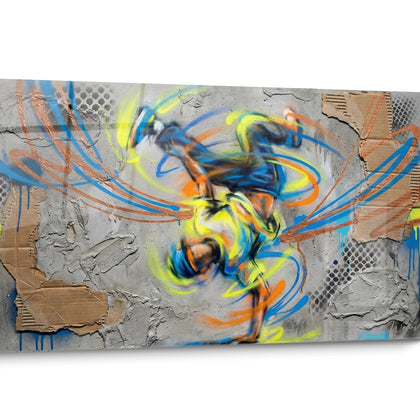
The Contemporary Dance Artwork captures the essence of movement and artistic expression. This collection celebrates the fluidity of bodies in motion, the emotional power and the energy of contemporary dancers in action. Each piece translates the grace, freedom and intensity of modern dance wall art. Perfect for enhancing your interior with elegance, this collection brings dynamism and refinement. Ideal for lovers of choreographic art and sophisticated decoration.
 Contemporary Dance Painting - Energetic Movement - Dance Edition273,90 €
 Fluid Dancer Painting - Aquatic Movement - Dance Edition242,90 €
 Dancing Performers in Motion - Collective Energy - Dance Edition273,90 €
 Dancers Connection Painting - Touching Souls - Dance Edition242,90 €
 Dancer in Motion Painting - Artistic Momentum - Dance Edition273,90 €
Explore further
In Contemporary Dance Wall Art




All about Contemporary Dance Wall Art
- Painting Presentation Contemporary Dance
- Modern Body Expression
- Interior Stage Atmosphere
- Your Painting Choice
A contemporary dance painting captures the essence of modern movement and the free body expression that define this revolutionary art form. These large-format wall artworks visually translate the fluidity of gesture, bodily tensions, and the raw emotion characteristic of contemporary dance. Unlike classic, frozen representations, these visual creations restore the intensity of a live performance, transforming your space into a true gallery dedicated to the art of movement. Each wall representation evokes the temporal suspension of a performance, where the body becomes language and gesture becomes visual narration. These imposing formats celebrate the unique aesthetics of contemporary dance, this fusion of rigorous technique and expressive freedom that breaks with traditional academic codes to explore new choreographic territories.
The Energy of Contemporary Movement Frozen on Your Wall
A contemporary dance painting restores the emotional intensity and bodily dynamics specific to this revolutionary form of stage expression. These large-scale wall compositions capture the organic fluidity of movements, the characteristic body extensions, and the unbalanced postures that define contemporary aesthetics. The work visually translates these moments of suspension where the dancer defies gravity, these expressive muscle contractions, and these sudden releases that punctuate a modern choreography.
How do body lines transform the visual space?
The gestural trajectories represented in a large-format contemporary dance painting create visual vectors that energize the surrounding space. Leg extensions, torso twists, and arm projections generate directional axes that naturally guide the eye through the composition. This living body geometry establishes a visual rhythm comparable to a choreographic score, where each limb traces a narrative line in the pictorial space. Lovers of performing arts immediately recognize these gestural signatures that evoke emblematic choreographers or specific currents of contemporary movement.
The dramatic intensity of expressive postures
These wall representations prioritize moments of maximum tension where the body expresses a pure emotion through its spatial configuration. Bent knees, weight transferred to a single support, arms projected at unusual angles: every anatomical detail participates in the emotional narrative. For artistic practice spaces such as dance studios, a contemporary dance painting serves as a daily source of inspiration, reminding dancers of the total body commitment required by this discipline. In a cultural living room, it evokes the universe of experimental theaters and avant-garde dance festivals.
The connection with the current choreographic universe
These artworks establish a visual dialogue with the aesthetics of international contemporary companies and creators who push the boundaries of movement. Monumental formats allow you to appreciate the anatomical details that characterize this dance: the flexion of contracted feet, the particular quality of footfalls, the use of varied levels from the ground to the jump. For regular viewers of contemporary performances, these representations extend the stage experience lived during shows, creating a continuity between the theater hall and the living space. The abstract dance paintings also explore this gesture, but with a more conceptual and refined approach to body movement.
Recreate the Atmosphere of a Contemporary Stage in Your Interior
Installing a contemporary dance painting in a residential or professional space transposes the unique atmosphere of experimental performance halls directly into your daily life. These large-format compositions function as windows open onto the world of performing arts, evoking the silent concentration of a warm-up, the electric energy of a performance, or the meditative contemplation of a guided improvisation. The often contrasting tones and shadow play recall the dramatic stage lighting that sculpts bodies in motion during performances.
Which spaces benefit most from this performative aesthetic?
Cultural and creative environments find in a contemporary dance painting a decorative element perfectly consistent with their identity: dance schools, cultural centers, coworking spaces dedicated to creative industries, private galleries. In these contexts, the artwork does not simply decorate, it affirms belonging to the world of performing arts and signals a demanding artistic sensibility. Vertical large formats naturally follow the elongation of the represented bodies, creating a continuity between the form of the artwork and its content. For private residences of performing arts enthusiasts, these representations transform a wall into a permanent testimony of a cultural passion.
The psychological impact of frozen movement
Unlike traditional static scenes, a contemporary dance painting visually contains the kinetic energy of a gesture in progress. This tension between material immobility and suggested dynamism creates a particular psychological effect: the viewer mentally perceives the preceding movement and anticipates the sequence of gestures. This implicit narrative stimulates the imagination and maintains visual interest far beyond a purely decorative image. Imposing formats amplify this effect by placing the dancing body at a near-real scale, reinforcing the viewer's kinesthetic identification.
The color palette of modern performances
The wall paintings of contemporary dance frequently adopt the visual codes of the current scene: neutral or abstract backgrounds that isolate the dancing figure, marked contrasts evoking spotlights, sometimes touches of color reminiscent of minimalist costumes or tinted cycloramas. This chromatic sobriety concentrates attention on the essential: the bodily form and its expressive charge. In a contemporary interior with clean lines, this theatrical aesthetic introduces a narrative and emotional dimension without visually overloading the space, rather creating a contemplative focal point that invites reflection on the body as an artistic medium.
Selecting the Contemporary Dance Painting Suitable for Your Decorative Project
Acquiring a contemporary dance painting responds to specific criteria related to the world of performing arts and the desired visual impact. These large-format works are distinguished by their ability to simultaneously evoke the technical rigor of dance and the expressive freedom that characterizes contemporary movement. The choice of a particular representation depends on the choreographic emotion you want to capture: the gravitational release of a controlled fall, the maximum extension of a lateral développé, the dynamic spiral of a rotation, or the powerful anchoring of a posture on the ground.
What stylistic characteristics should you prioritize according to your space?
For professional environments related to dance or performing arts, prioritize representations that capture iconic moments of contemporary gesture: contact-floor, unbalanced lifts, spatial relationships between dancers. Practice studios benefit from images clearly showing muscle engagement and technical precision, serving as a constant visual reference. In a residential context, more refined compositions showing a single dancer in suspension create a meditative focal point without overwhelming the atmosphere. Vertical formats enhance jumps and elevations, while horizontal formats are better suited to floor sequences or lateral trajectories characteristic of contemporary vocabulary.
The authenticity of the represented gesture
A quality contemporary dance painting is recognized by the anatomical accuracy and kinesthetic credibility of the represented posture. True connoisseurs immediately identify whether the artist masters the specific body vocabulary of this discipline: pelvic placement, quality of flexed or pointed feet, authentic relationship to gravity, expressive use of the gaze. These technical details transform a simple representation of moving bodies into a true visual transcription of a choreographic language. Works from photographic captures of professional dancers or created by artists familiar with the theatrical world possess this gestural authenticity that resonates with practitioners and enlightened enthusiasts.
Integration into a collection of contemporary art
These representations naturally fit into a collecting approach focused on the body as an artistic medium and performing arts. They harmonize with other forms of contemporary expression exploring movement, performance, or theatrical aesthetics. To build a visual coherence, consider the balance between detailed figurative representations and more stylized approaches to the body in motion. Discerning collectors particularly appreciate series that explore different phases of the same choreographic sequence or that compare various gestural interpretations of the same emotional concept, creating a true narrative journey through their wall art.
Why choose a large format for a contemporary dance painting?
Generous dimensions restore the real scale of the dancing body and the spatial amplitude of contemporary movements, creating an immersion comparable to that experienced from the front rows of a theater. This monumentality reinforces the emotional impact and allows you to appreciate the anatomical subtleties that enrich this discipline.
Is a contemporary dance painting suitable for minimalist spaces?
Absolutely, contemporary gesture is often accompanied by a refined aesthetic that harmonizes perfectly with minimalist interiors. The dancing figure becomes the sole narrative element in a restrained environment, creating a striking contrast between the organic movement of the body and the strict geometry of modern architecture.
How to identify an authentic contemporary dance wall art rather than a generic pose?
Observe the relationship to the ground, the use of body weight, and the specific quality of the supports: contemporary dance favors weight transfers, controlled imbalances, and a conscious connection to gravity, unlike the aerial postures of classical ballet or the stylized forms of traditional dances. Authenticity is also read in the expressive hands and engaged gaze rather than decorative.


