


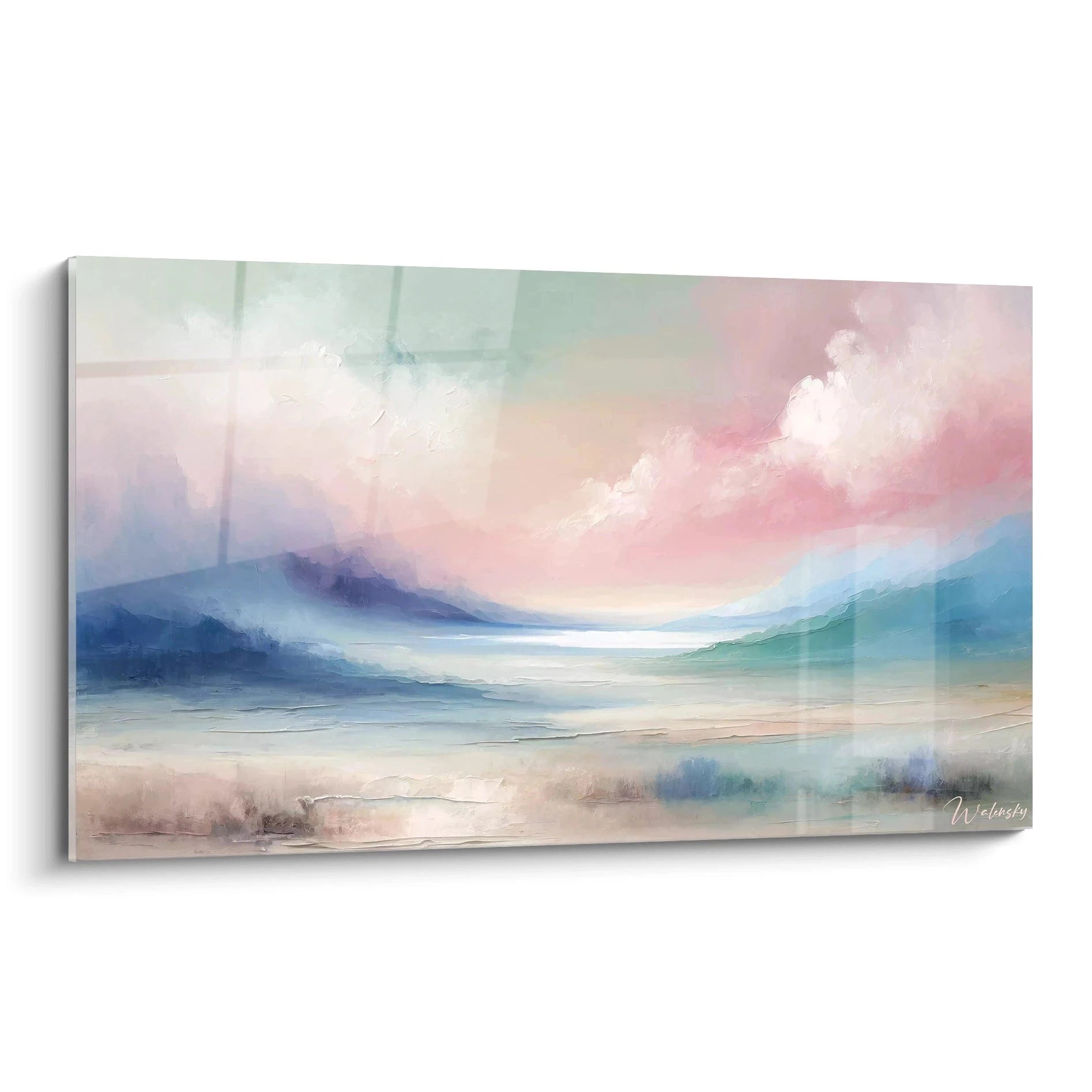


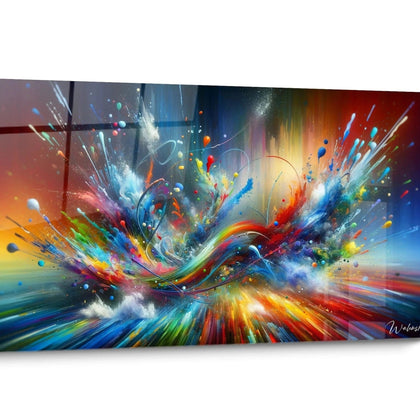
Colorful Fluid Abstract Painting
Our Abstract Colorful Painting Fluid collection celebrates contemporary art in all its organic splendor. Each artwork captures the hypnotic movement of merging colors, creating unique compositions where hues naturally intertwine. These modern abstract fluid painting creations bring depth and character to your spaces.Contemporary colorful abstract art transcends traditional decorative styles to offer a pure and captivating artistic expression.
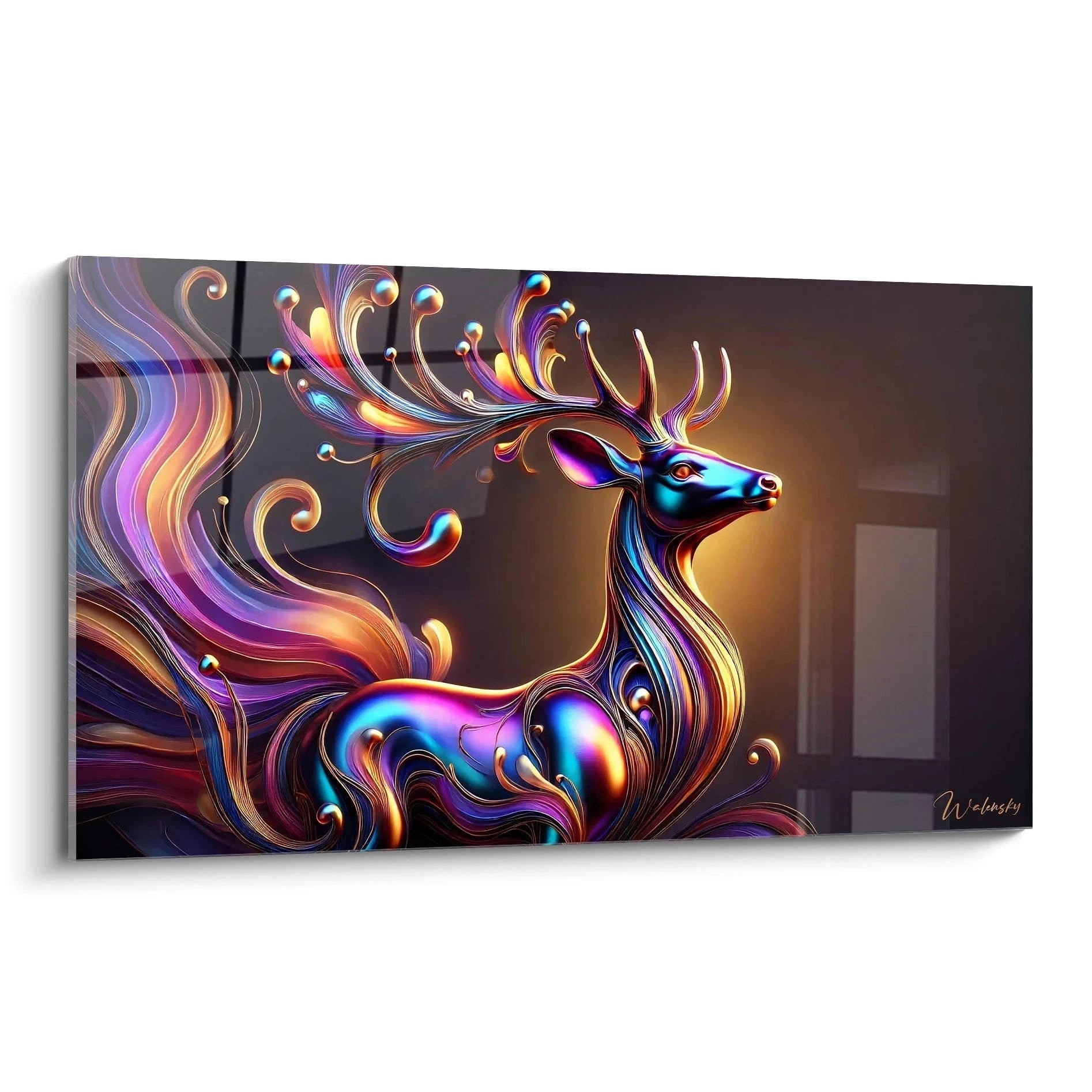
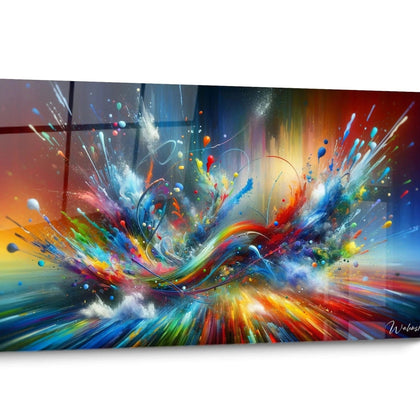
 Colorful Currents Wall Art - Abstract Edition273,90 €
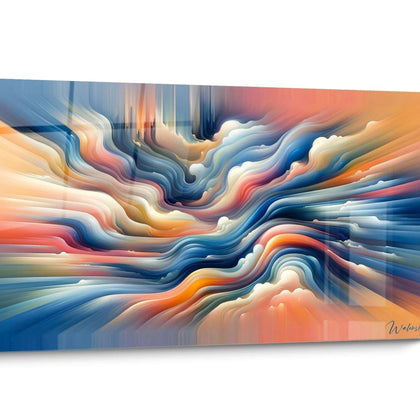
 Abstract Wave Harmony Wall Art - Abstract Edition273,90 €
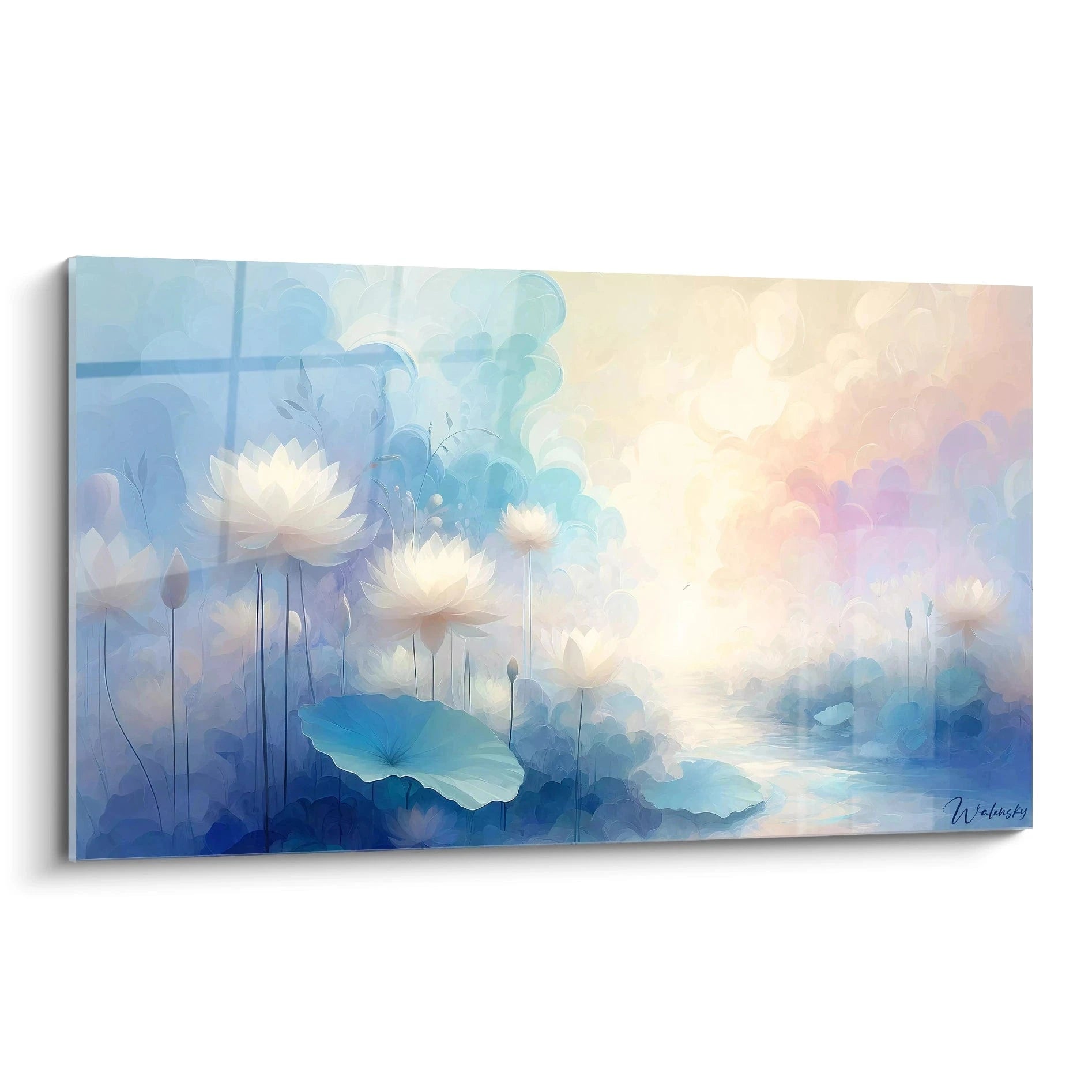
 Vaporized Reverie Colors Abstract Canvas - Abstract Edition273,90 €
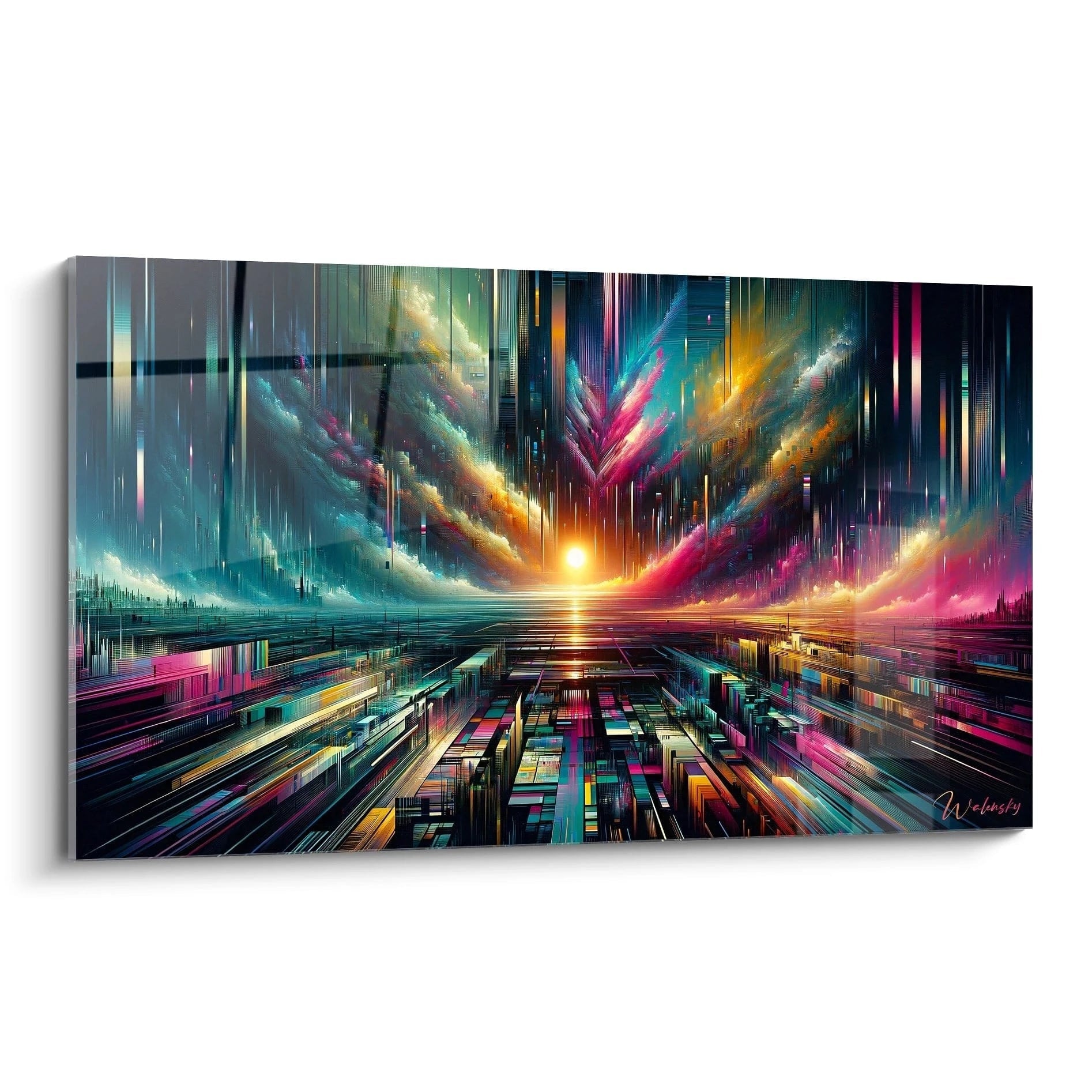
 Chromatic Journey Painting - Abstract Edition273,90 €
Explore further
In Colorful Fluid Abstract Painting

All about Colorful Fluid Abstract Painting
- Presentation of Colorful Fluid Abstract Painting
- Chromatic Dynamics in Motion
- Liquid Depth and Living Matter
- Decorative Impact and Atmospheres
The colorful fluid abstract painting represents the artistic expression of perpetual movement, where pigments seem to defy gravity to create organic compositions in constant visual evolution. This category of wall art captures the very essence of chromatic flows, offering a contemplative experience that radically transforms the atmosphere of a living space. Unlike rigid geometric compositions, these creations focus on the spontaneity of colors that intertwine, merge, and create hypnotic transitions reminiscent of liquid natural phenomena. Their generous format allows for full exploitation of the immersive potential of these pigment flows, creating powerful focal points capable of visually structuring significant architectural volumes.
Colorful Fluid Abstract Painting: Capturing the Art of Chromatic Movement
The aesthetics of colorful fluid abstract painting rests on the unique ability to freeze moments of chromatic transformation, creating the illusion of matter in perpetual motion. These wall compositions exploit the optical properties of gradual transitions, where each nuance blends into the next according to organic trajectories impossible to mechanically reproduce. The large format becomes essential to reveal the complexity of the pigment meanders, allowing the eye to follow the color currents over significant visual distances.
How do chromatic flows influence spatial perception?
Color flows generate directional vectors that naturally guide the eye across the surface, creating a perceptual dynamic that visually expands the surrounding space. In purified contemporary architectures, these colorful abstract paintings fluid bring the necessary visual complexity to counterbalance the simplicity of structural lines. Monumental formats amplify this effect by establishing visual corridors between different chromatic zones, inviting a sequential rather than instantaneous reading.
Phenomena of superposition and illusory depth
The magic happens when several pigment currents meet, creating chromatic fusion zones where tertiary shades unexpectedly appear. These intersections generate a visual stratification suggesting several planes of depth, as if some flows circulated in front of or behind others. For collectors seeking a similar cosmic dimension, the cosmic colorful abstract painting also offers this spatial depth with a stellar orientation. The interaction between opaque and translucent areas creates veiling effects that considerably enrich the visual reading.
Optical vibrations and contrast in motion
Color temperature contrasts - warm versus cool zones - generate visual tensions that keep attention captivated. A colorful fluid abstract painting sophisticated exploits these oppositions to create optical pulsations, zones that seem to advance or recede depending on the angle of observation. Ambient light variations constantly modify these ratios, offering a renewed experience according to the time of day. This reactivity to ambient light transforms the work into a living decorative element, particularly appreciated in reception areas where lighting varies intentionally.
Liquid Materiality and Expressiveness of Pigment Trails
What effect do trails and flows create on a large format?
Vertical or diagonal streaks suggest a creation story where gravity has played a role, conferring a gestural authenticity to the work. On significant dimensions, these chromatic flows acquire a practically tangible physical presence, as if the pictorial matter retained its initial viscosity. The accumulations of pigments at the bottom of the composition create zones of density that visually anchor the whole, particularly effective in vertical spaces such as stairwells or double heights.
Visual texture and perceptible relief
Even without significant tactile relief, the colorful fluid abstract painting generates a complex optical texture thanks to variations in saturation and micro-tonal transitions. Areas where several flows merge present a higher visual density, creating anchor points for the gaze. This textural richness compensates for the absence of figurative motifs, offering sufficient decorative complexity to sustain attention during prolonged observations. Large formats allow you to simultaneously appreciate the coherent overall view and the details of local chromatic turbulence.
Why choose XXL formats for fluid compositions?
Monumental scale radically transforms the experience of the colorful fluid abstract painting by creating an immersive effect where the viewer is visually enveloped by the chromatic flows. The trajectories of the colors require a substantial surface to deploy their full narrative potential, from the point of origin to the progressive dissolutions on the periphery. In high-end commercial spaces or residential entrance halls, these imposing dimensions immediately establish a clear visual hierarchy, positioning the work as a structuring architectural element rather than a simple decorative accessory.
Coherence of palettes and dynamic balance
A restricted but skillfully exploited palette generates more impact than a chaotic profusion of shades. Successful fluid compositions typically use three to five main colors whose interactions naturally create secondary variations. This chromatic economy facilitates decorative integration while maintaining sufficient complexity to avoid monotony. The dynamic balance comes from the unequal but harmonious distribution of colored masses, creating visual tensions resolved by the implicit movement of the flows.
Spatial Integration and Atmospheric Transformation by the Colored Fluid
Psychological impact of chromatic flows in everyday environments
The colorful fluid abstract painting acts as an ambiance modulator, its organic nature bringing a soothing dimension to interiors often dominated by architectural orthogonality. Curved movements and soft transitions effectively counterbalance the austerity of contemporary lines, creating an enriching formal dialogue. In demanding professional spaces, these compositions offer visual pauses allowing the eye to rest on unconstraining forms, indirectly favoring the reduction of cognitive tensions.
Which spaces benefit most from monumental fluid compositions?
Loft-style open volumes or open-plan spaces find in these works an effective way to create distinct visual zones without resorting to physical partitions. A large-scale, colorful, flowing abstract painting, strategically positioned, optically segments the space while maintaining circulatory fluidity. The blind walls of master bedrooms transform into imaginary windows onto chromatic abstract landscapes, particularly beneficial in dense urban environments where exterior views lack interest. Transition spaces such as hallways or landings gain purpose rather than remaining simple passageways.
Perceptual evolution according to lighting conditions
The remarkable characteristic of these compositions lies in their metamorphosis according to ambient lighting. Morning natural light reveals certain tonal subtleties that evening artificial lighting radically transforms. This perceptual variability multiplies the decorative experiences offered by a single work, justifying the investment in premium formats. Reflective adjacent surfaces create additional luminous dialogues, sometimes projecting colored halos that extend the chromatic influence of the work beyond its physical limits.
Decorative associations and stylistic complements
Minimalist furniture amplifies the impact of the colorful flowing abstract painting by eliminating visual competition, allowing the work to fully express its decorative potential. Natural materials such as raw wood or stone bring textural stability that values chromatic fluidity by contrast. The integration of textiles echoing a shade present in the composition creates subtle chromatic echoes reinforcing overall coherence without falling into literal matching. Indirect grazing lighting reveals unsuspected nuances and increases the physical presence of the work in the space.
FAQ : Colorful Flowing Abstract Painting
Is a colorful flowing abstract painting suitable for minimalist Scandinavian interiors?
Absolutely, these compositions precisely bring the chromatic warmth and visual complexity sought by refined Nordic interiors to avoid excessive coldness. The contrast between the formal simplicity of the environment and the richness of the pigment flows creates a particularly sophisticated decorative balance.
How to durably maintain a large-format colorful flowing abstract painting?
A delicate dusting with a dry microfiber cloth is sufficient for monumental wall formats, avoiding any liquid product that could alter the chromatic subtleties. Distance from direct heat sources and avoidance of prolonged sun exposure preserve the vibrancy of the pigments over time.
Do flowing compositions work in spaces with standard ceilings?
Vertical formats work remarkably well by creating an optical elevation that visually compensates for modest ceiling heights, while horizontal compositions widen the spatial perception, particularly effective in narrow rooms requiring a visual gain in width.
Further reading
Our articles on this topic
- What is the difference between Post-painterly Abstraction and Color Field painting?
- How to Master the Pouring Technique for a Successful Abstract Painting?
- The Effect of Cool Colors in the Contemplation of an Abstract Painting
- The Effects of Texture in an Abstract Painting: Sand, Gel Medium and Structure Paste
- Quantum Abstract Art: Contemporary Scientific Inspiration


