


Black and White Face Portrait Wall Art
Our collection Black and White Face Portrait Wall Art celebrates the timeless elegance of monochrome portraiture. Explore captivating works that reveal the full intensity of human expressions through striking contrasts. Each black and white portrait wall art captures the essence and pure emotion of faces, creating a sophisticated atmosphere in your interior. Perfect for a contemporary living room or personal gallery, these artistic face paintings bring depth and character to your spaces.
 Female Face Mirror Painting - Mysterious Reflection - Black and White Face Edition273,90 €
 Expressive Women's Portrait Painting - Melancholy - Black and White Face Edition273,90 €
 Veiled Feminine Face Wall Art - Ethereal Mystery - Black and White Face Edition228,90 €
 Woman Shadows and Light Painting - Mysterious Portrait - Black and White Face Edition228,90 €
 Emotional Woman Painting - Introspection - Black and White Face Edition273,90 €
 Abstract Female Face Wall Art - Reflections of Emotion - Black and White Face Edition273,90 €
 Under the Hat Wall Art - Black & White Edition273,90 €
Explore further
In Black and White Face Portrait Wall Art


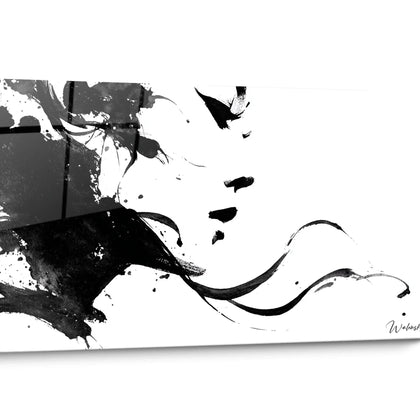
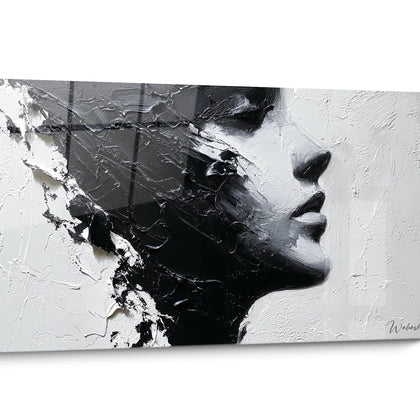

All about Black and White Face Portrait Wall Art
- Black and White Portrait Presentation
- Monochrome Wall Aesthetics
- Captivating Expressions
- Sophisticated Atmospheres
Monochrome wall portraits embody a radically different approach to contemporary decorative art. These large-scale creations transform residential and professional spaces into genuine galleries of emotion. Unlike colorful compositions, a black and white portrait face wall art immediately captures attention through its ability to reveal the very essence of human expression, without chromatic distraction. This visual simplicity amplifies every physiognomic detail, every line of experience, every meditative gaze. Contemporary art enthusiasts seek precisely this narrative intensity that only the shadow-light duality can offer in monumental formats.
The Visual Impact of Large-Scale Monochrome Portraits
Acquiring a black and white portrait face wall art responds to a specific aesthetic quest: creating a dramatic focal point without compromising the chromatic neutrality of a minimalist interior. Imposing formats, often exceeding 120 centimeters, generate an almost physical presence in the living space. This monumentality transforms the represented gaze into a genuine silent interlocutor that dialogues with the inhabitants.
Why prioritize monochromic contrasts for your walls?
Gray nuances create exceptional three-dimensional depth on represented physiognomies. Each sculpted shadow reveals bone structure, while luminous areas emphasize facial expressions with photographic precision. This technique eliminates any visual competition with surrounding colored furniture, enabling harmonious integration into Scandinavian, industrial, or refined contemporary interiors. Discerning collectors particularly seek representations where chiaroscuro emphasizes the natural asymmetries of the human face.
Expressiveness amplified by the absence of color
A large-scale black and white portrait concentrates attention on micro-expressions often lost in polychromatic compositions. The corners of lips, the fine lines around the eyes, variations in skin texture become narrative elements in their own right. This intimate reading of the human face proves particularly sought after for spaces of reflection such as private libraries or executive offices. To explore more deconstructed interpretations, discover our abstract black and white portrait wall art which reinterprets these codes with a fragmented approach.
Adapting monumental formats to architectural volumes
Double-height walls or loft spaces benefit particularly from black and white portraits exceeding two meters. These exceptional dimensions create visual balance with generous volumes, avoiding decorative emptiness effects. Spacious entrance halls profit from this memorable first impression: a monumental face that welcomes and interpellates simultaneously. Interior architects recommend calculating optimal viewing distance (approximately 1.5 times the painting diagonal) to permit overall appreciation without perspective distortion.
The Aesthetic Codes of Monochrome Portrait Walls
Choosing a black and white portrait face wall art implies understanding the different stylistic approaches that define this artistic movement. Unlike classical photographic representations, large-format wall interpretations play with contrast exaggeration, simplification of halftones, or conversely their infinite multiplication to create almost tactile material effects.
The different contrast intensities available
High-definition portraits offer subtle gradation across dozens of gray nuances, imitating the tonal richness of professional silver gelatin prints. Conversely, radical graphic interpretations reduce the palette to four or five distinct values, creating an almost screen-printed effect. This latter approach suits particularly well contemporary interiors with refined lines, where the portrait becomes almost iconic. Gazes directed toward the observer generate immediate psychological connection, while profiles or averted gazes create a contemplative atmosphere.
How do facial expressions transform the atmosphere?
A serene face with half-closed eyelids diffuses calming energy ideal for master bedrooms or meditation spaces. Conversely, an intense frontal gaze injects stimulating energy into reception areas or professional open-spaces. Black and white portraits capturing subtle smiles humanize coworking spaces or medical waiting rooms. This psychological dimension of the represented model choice directly influences the daily perception of inhabitants, far beyond simple decorative function.
The visual texture of monochrome skin tones
High-resolution representations of mature skin reveal a fascinating cartography of lived experience: each line, each pigment spot becomes a graphic element in its own right. This celebration of physiognomic authenticity opposes smoothed aesthetics and meets growing success among collectors sensitive to complex visual narratives. Portraits of youthful faces exploit the perfection of subtle gradations, creating zones of almost ethereal light that contrast with surrounding shadow depth.
Which framing types should be prioritized for maximum impact?
Tight framings on the face, excluding the shoulders, generate almost unsettling intimacy, ideal for private spaces. Formats including the bust create more distanced presence, appropriate for semi-public spaces. Triptychs of aligned portraits create particularly appreciated narrative dynamics in corridors or above XXL sofas.
Spatial Integration of Monumental Black and White Portraits
Installing a large-scale black and white portrait face wall art requires spatial reflection that surpasses simple wall mounting. These works dialogue with existing architecture, modifying volumetric perceptions and creating new visual hierarchies in living spaces.
Creating visual dialogues with interior architecture
Raw concrete walls or exposed brick form ideal settings for monochrome portraits by creating smooth/rough material contrast. Pure white walls amplify the intensity of deep blacks, while anthracite gray walls envelop the work in sophisticated tonal continuity. Spaces with high ceilings benefit from slightly offset vertical positioning, avoiding static symmetry effects. Minimal metal frames preserve visual purity, while borderless mountings create impressions of windows onto parallel dimensions.
The decorative associations that magnify portraits
Accompaniment by XXL plants with graphic foliage (monstera, ficus lyrata) introduces the only acceptable organic chromatic touch without disturbing monochrome sobriety. Suspended matte black metal lighting fixtures create elegant formal echoes. Light wood Scandinavian furniture establishes a particularly sought warmth/coldness balance. Absolutely avoid decorative accumulations: a monumental black and white portrait demands visual breathing space of at least one meter on each side to fully deploy its impact.
Perceptual evolution according to natural lighting conditions
A fascinating phenomenon of black and white portrait paintings lies in their metamorphosis according to time of day and season. Raking morning light sculptures image reliefs, creating micro-shadows that accent three-dimensionality. Zenithal noon lighting slightly flattens contrasts, revealing intermediate nuances. Golden evening light imperceptibly warms clear areas, creating subtle but perceptible chromatic variation. This variability transforms the work into a living element that rhythms inhabitants' days.
Where to position a monumental portrait to maximize its presence?
Walls perpendicular to the main entrance create a progressive revelation effect during space movement. Positioning facing sofas transforms the portrait into permanent vis-à-vis during relaxation moments. Staircases offer fascinating sequential reading as ascension progresses.
Can multiple black and white portraits be associated in the same room?
Triptych compositions of different faces create a private gallery effect particularly prized in lofts. Maintain stylistic coherence (same contrast intensity, same background treatment). Spacing between works should equal approximately 15% of their width to avoid visual saturation.
What is the optimal viewing distance to appreciate a large portrait?
For formats exceeding 150 centimeters, plan minimal viewing distance of 2.5 meters enabling overall comprehension without excessive eye movement. This spatial constraint explains why these works suit ideally large residential volumes or professional spaces generous in area.
L'art qui suscite l'envie
Maison belge d'art mural grand format
14 jourspour changer d'avis*
Protection Walenskyincluse
Fabriquéen Italie
FormatXXL
Kit de fixationtoujours fourni
* Hors tableaux personnalisés et tailles personnalisées


