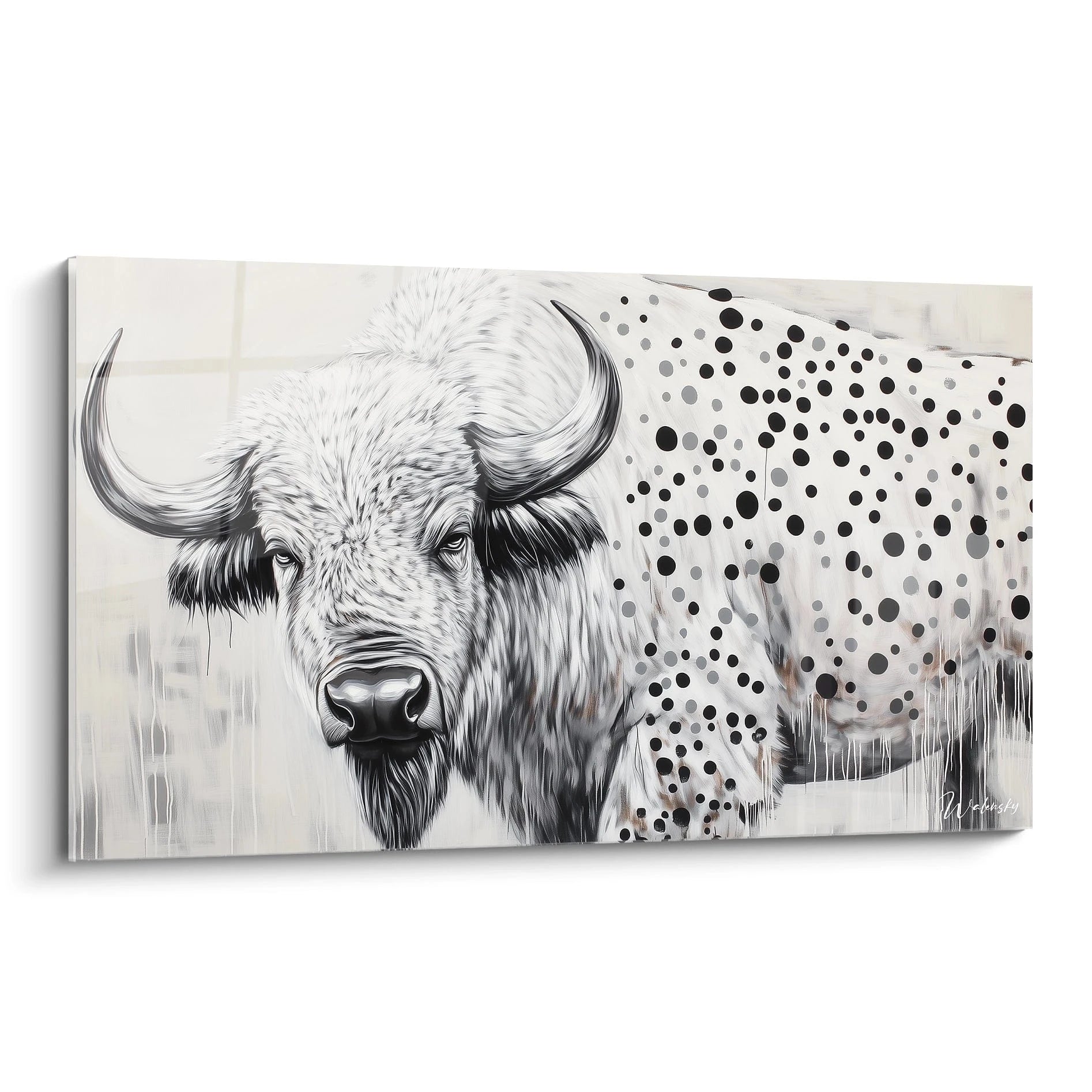
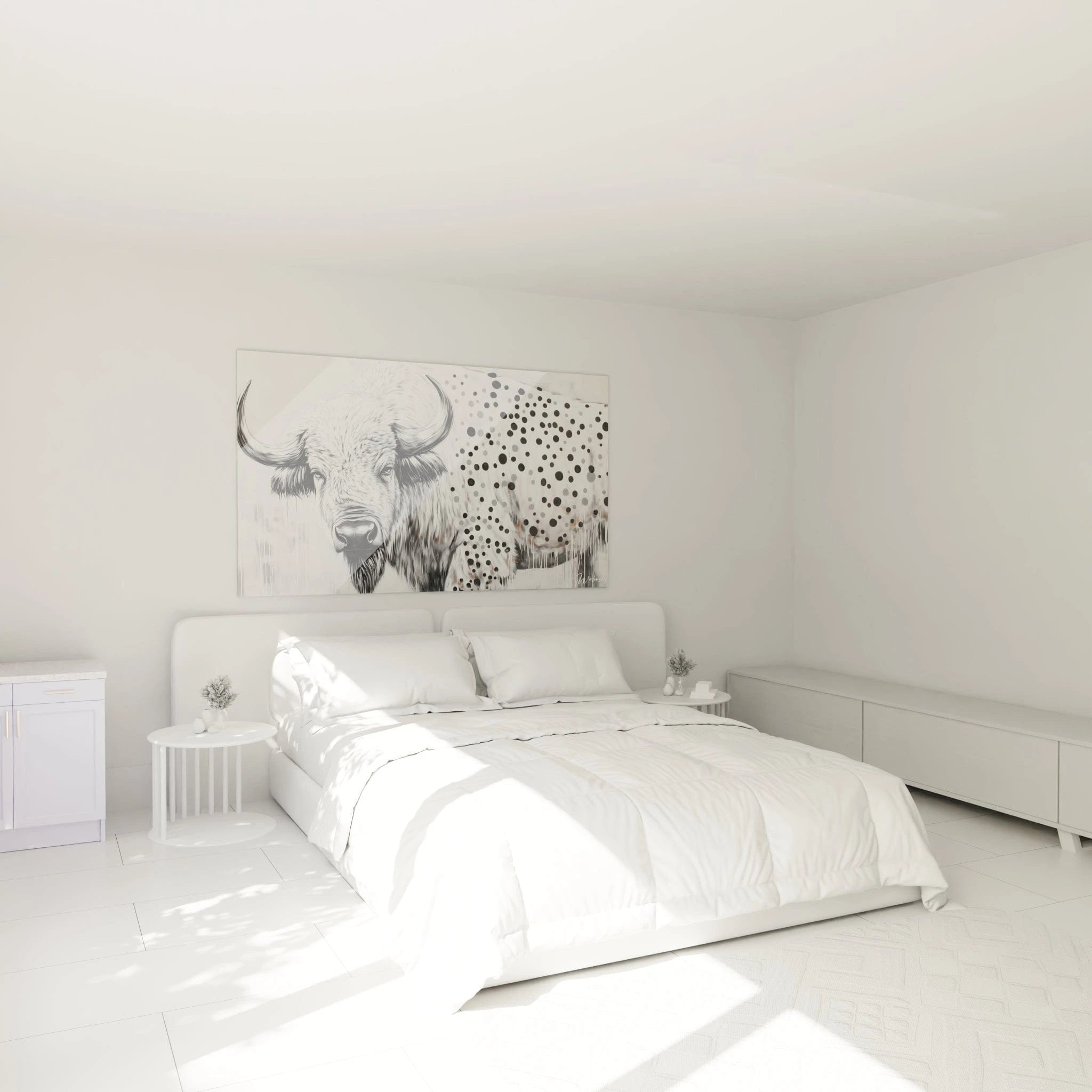
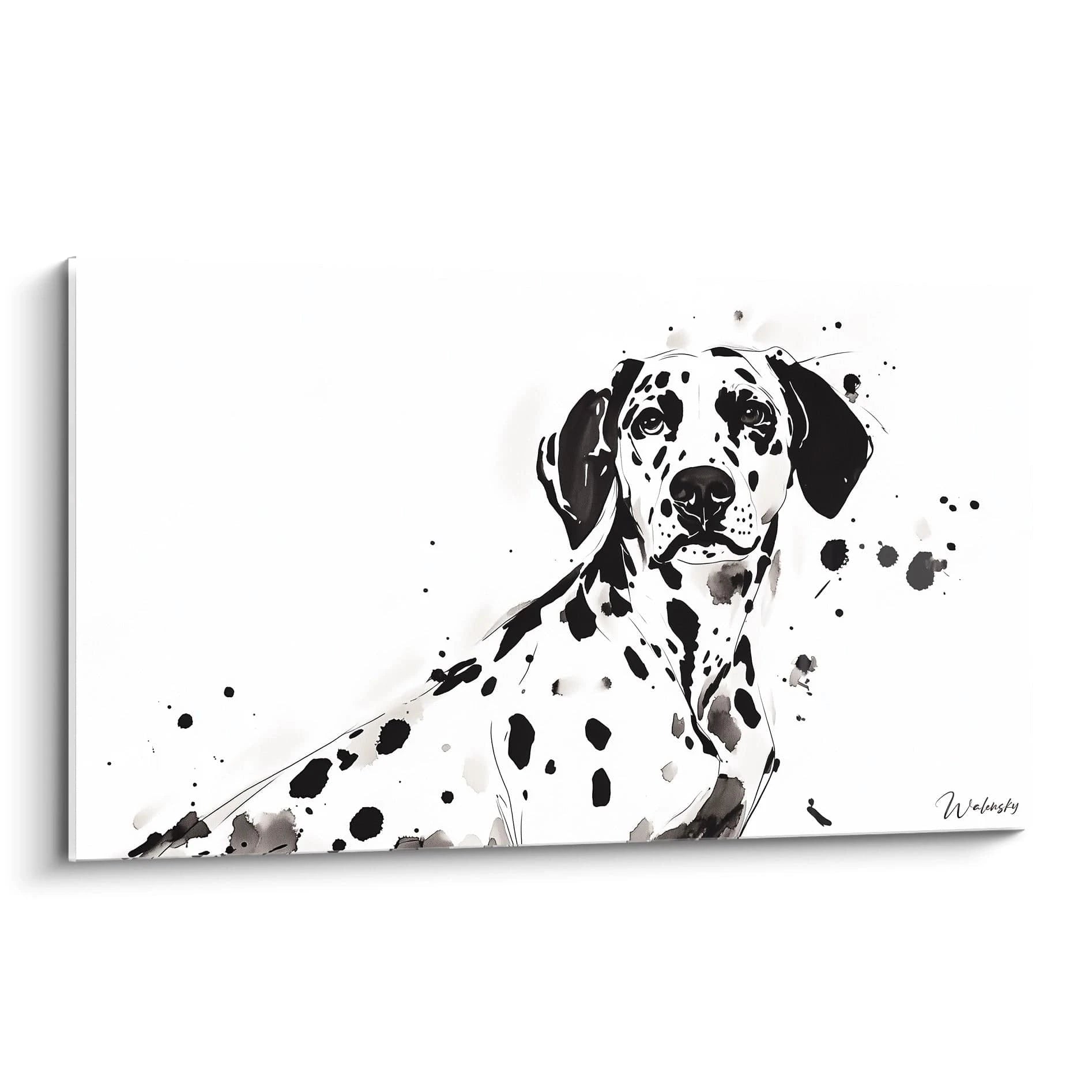
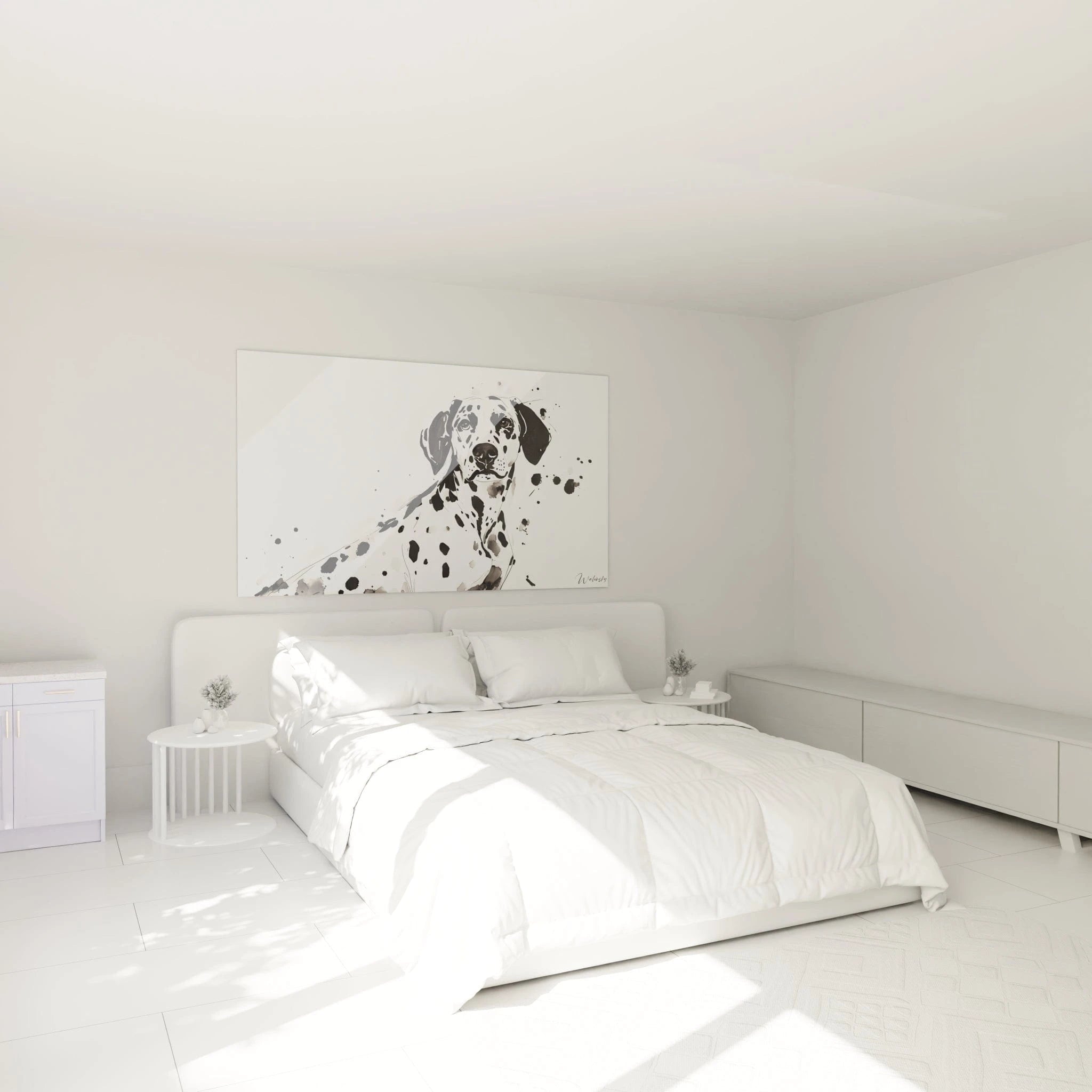
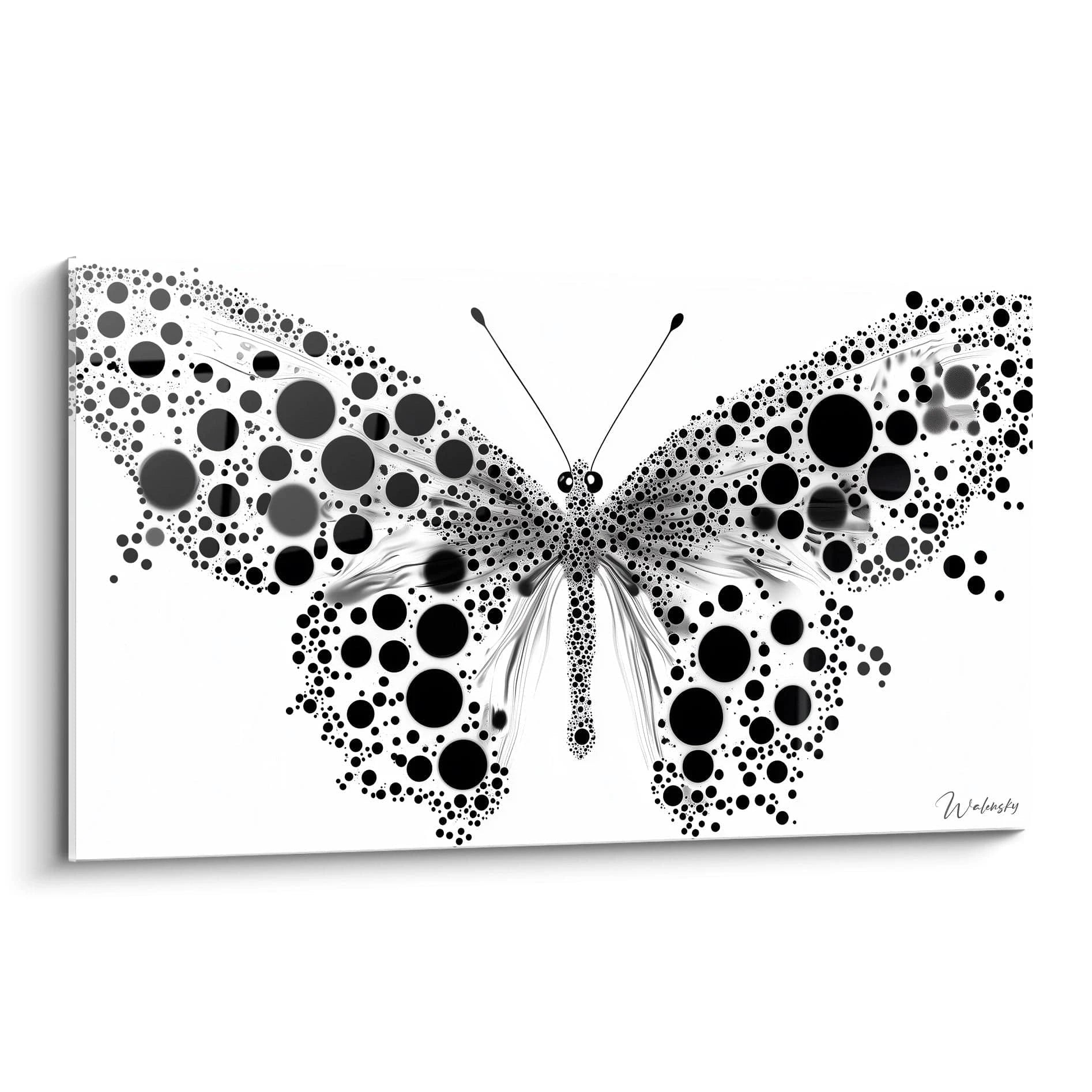
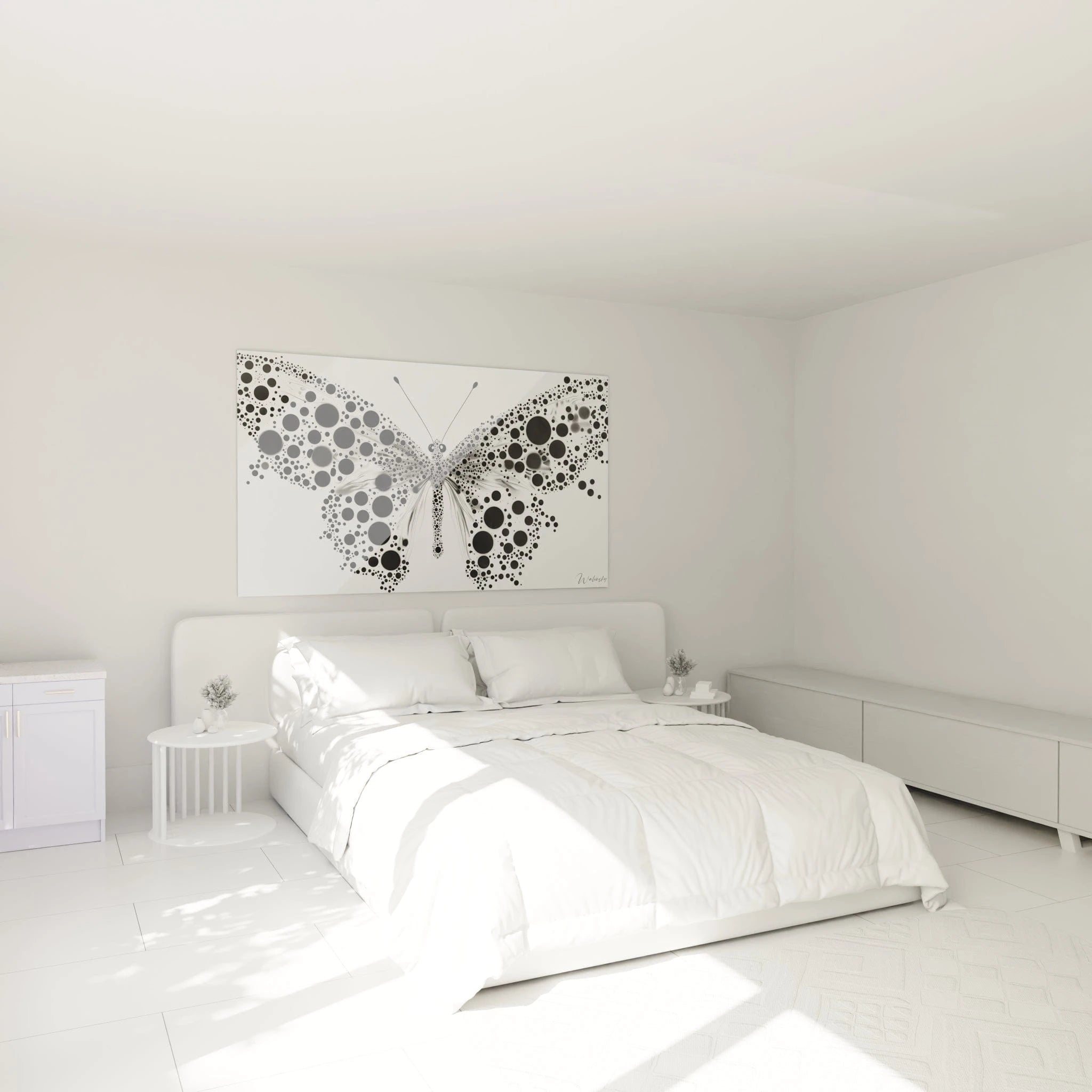
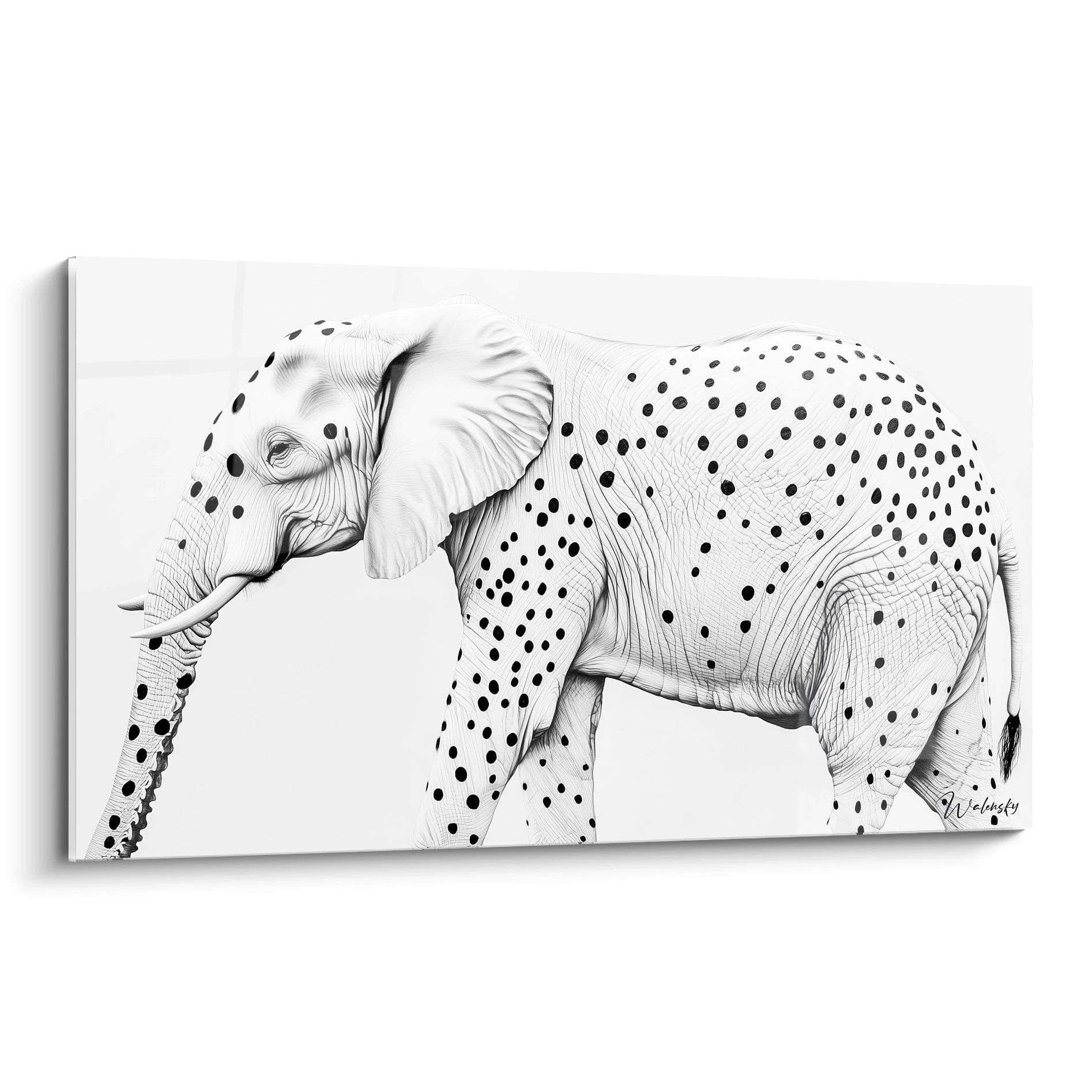
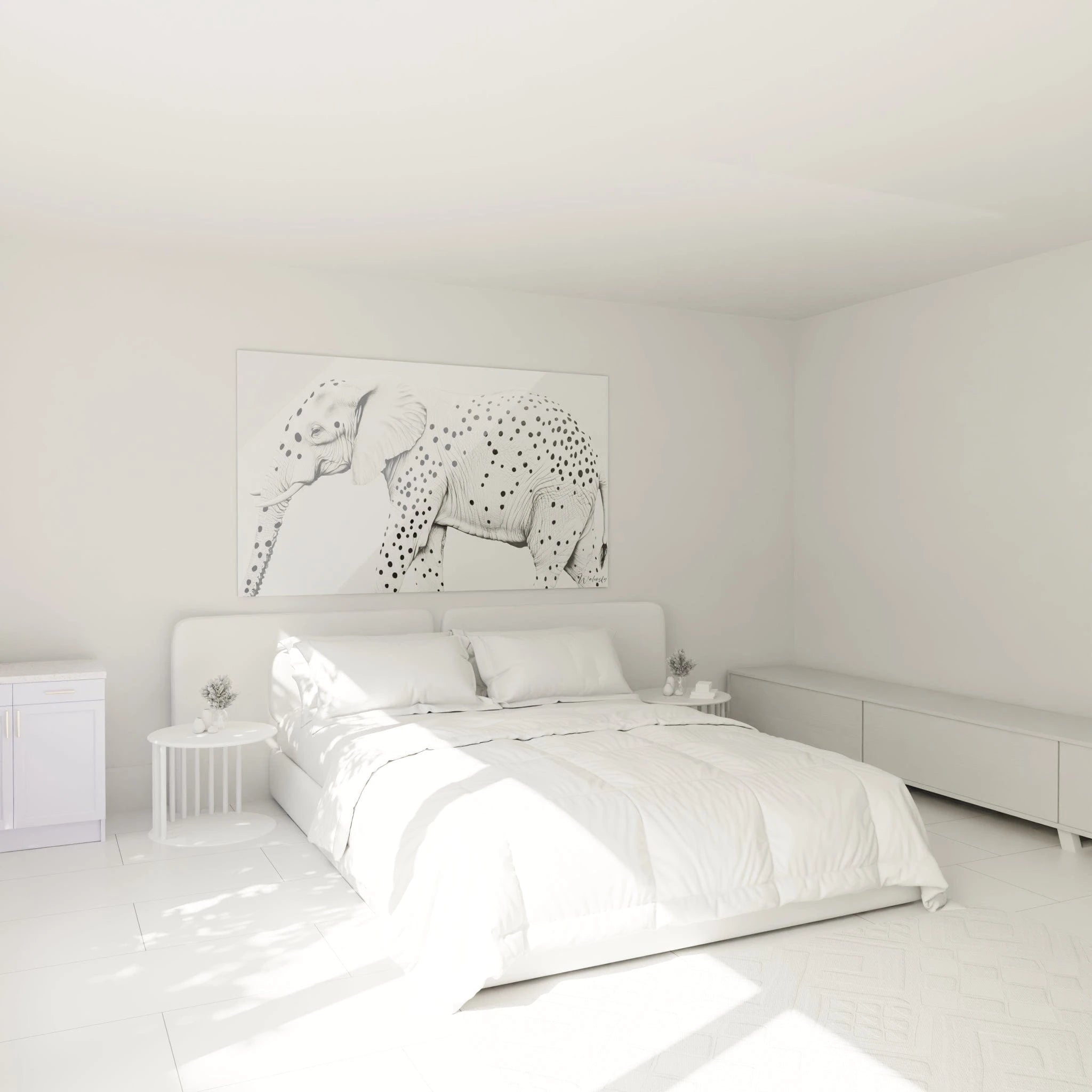
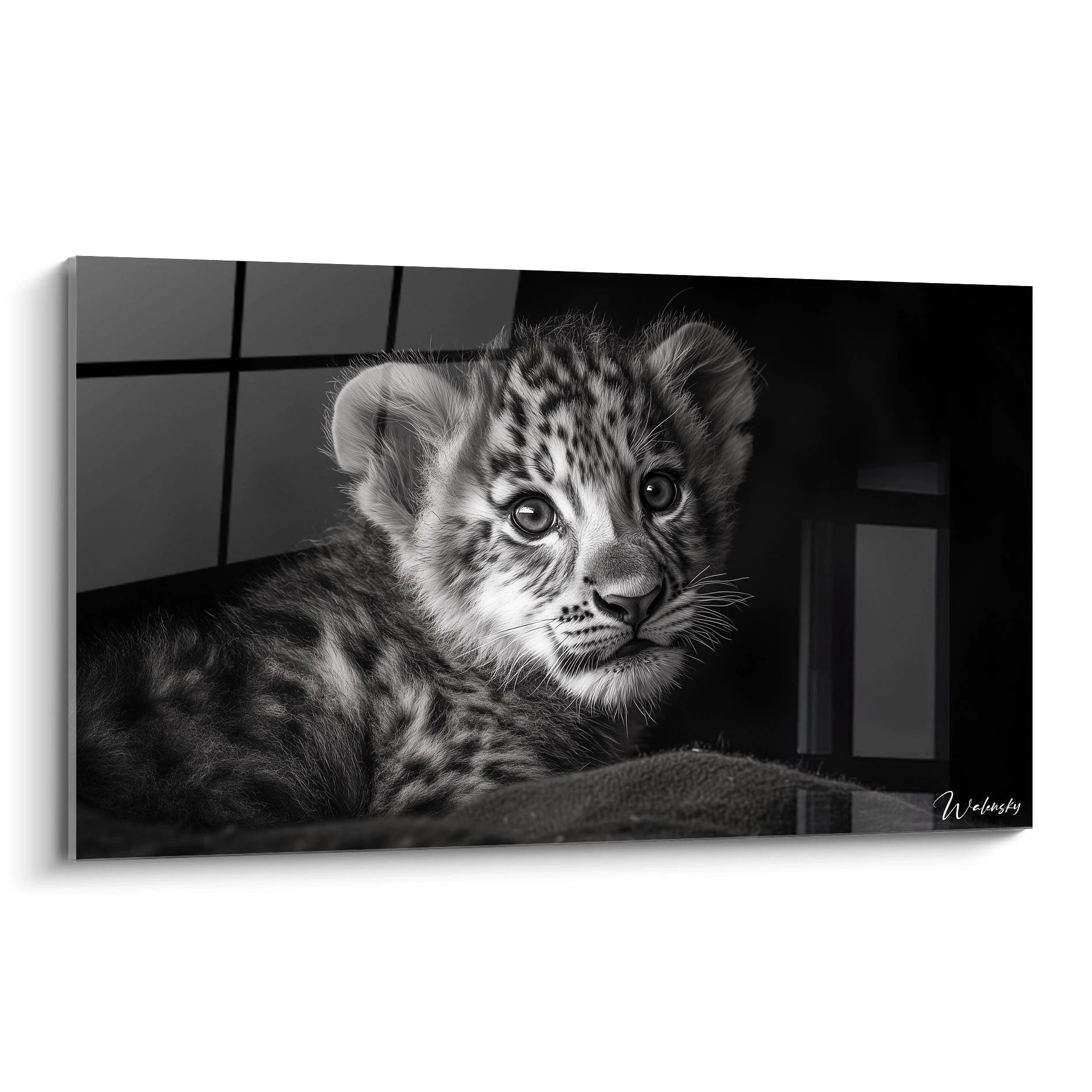
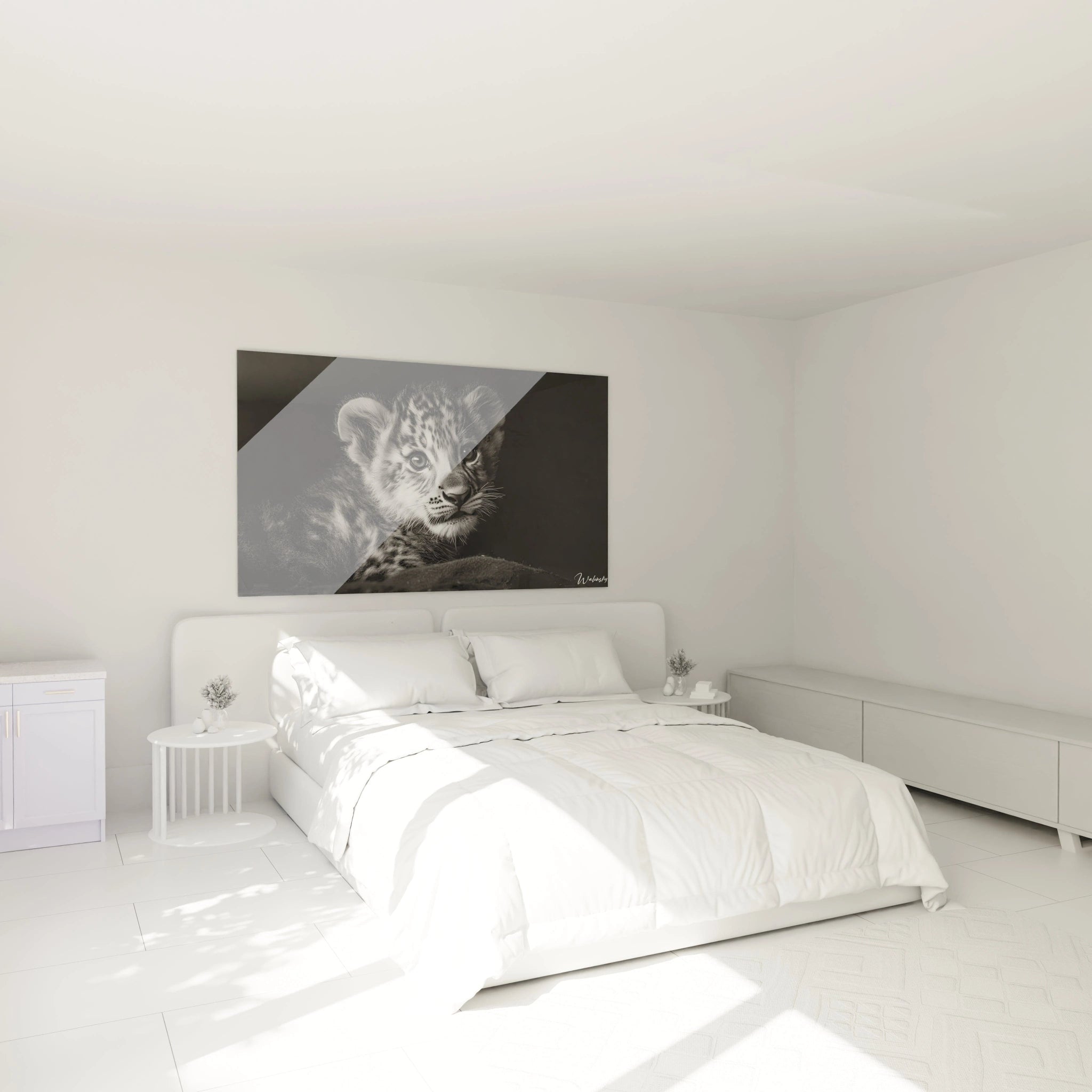
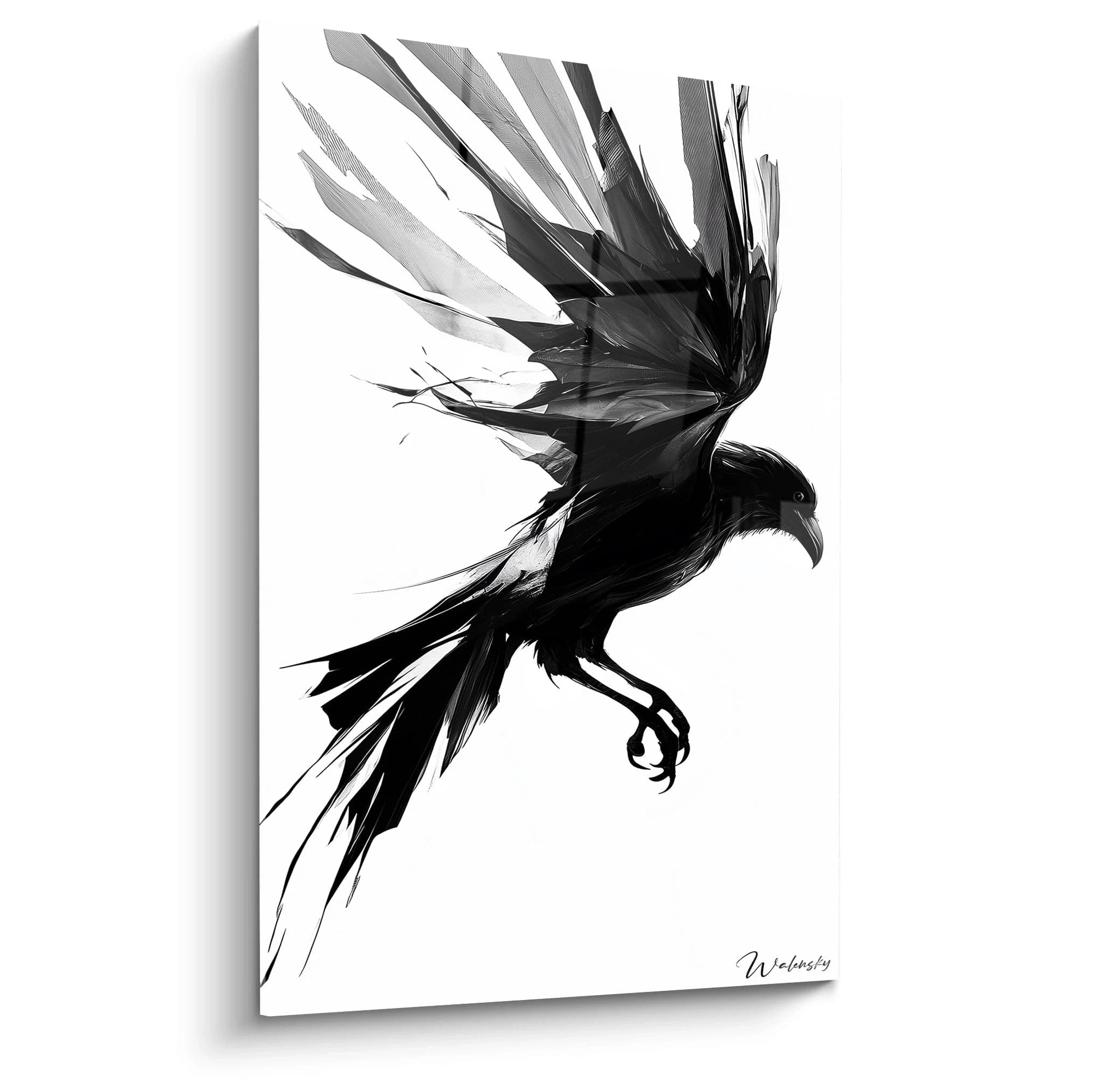
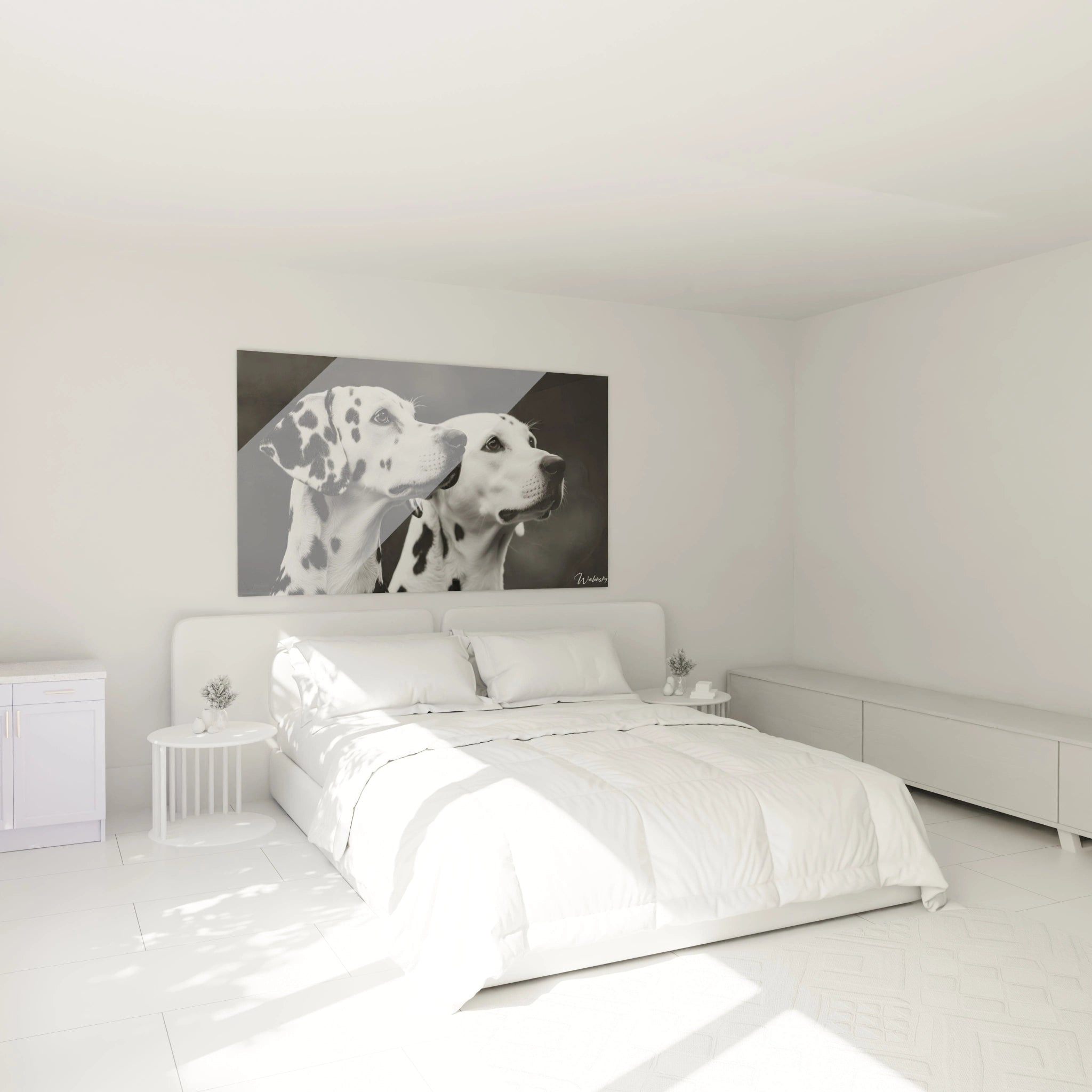
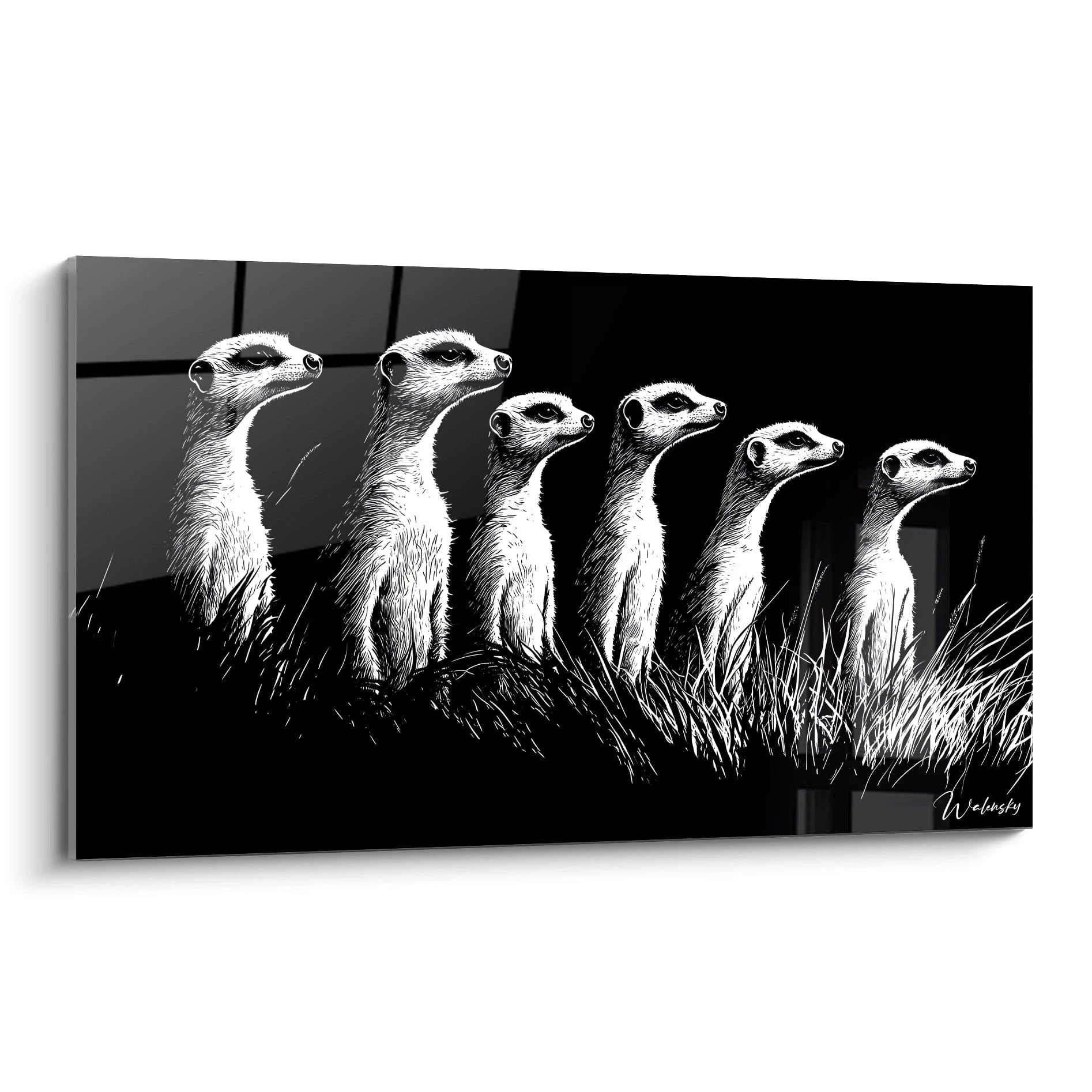
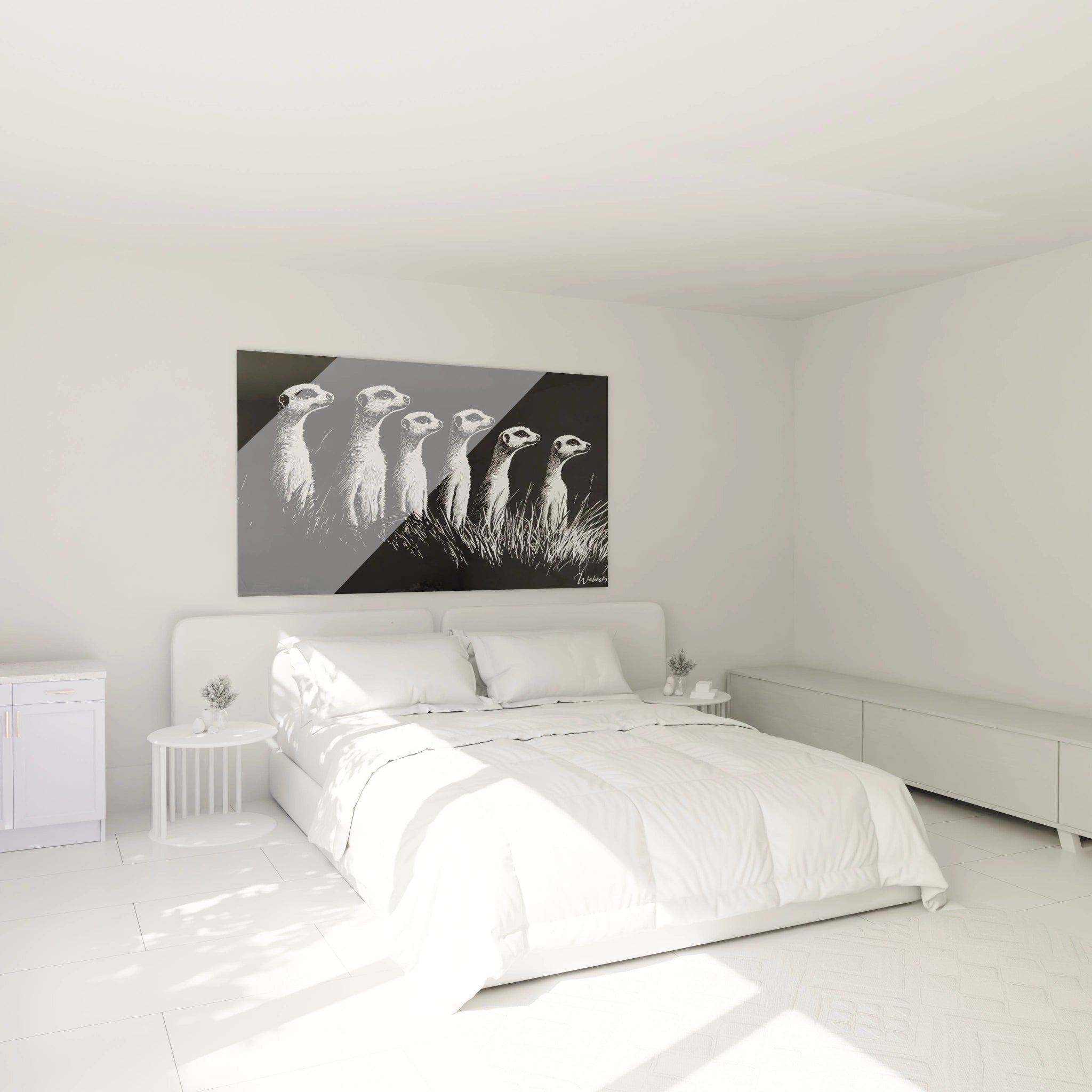
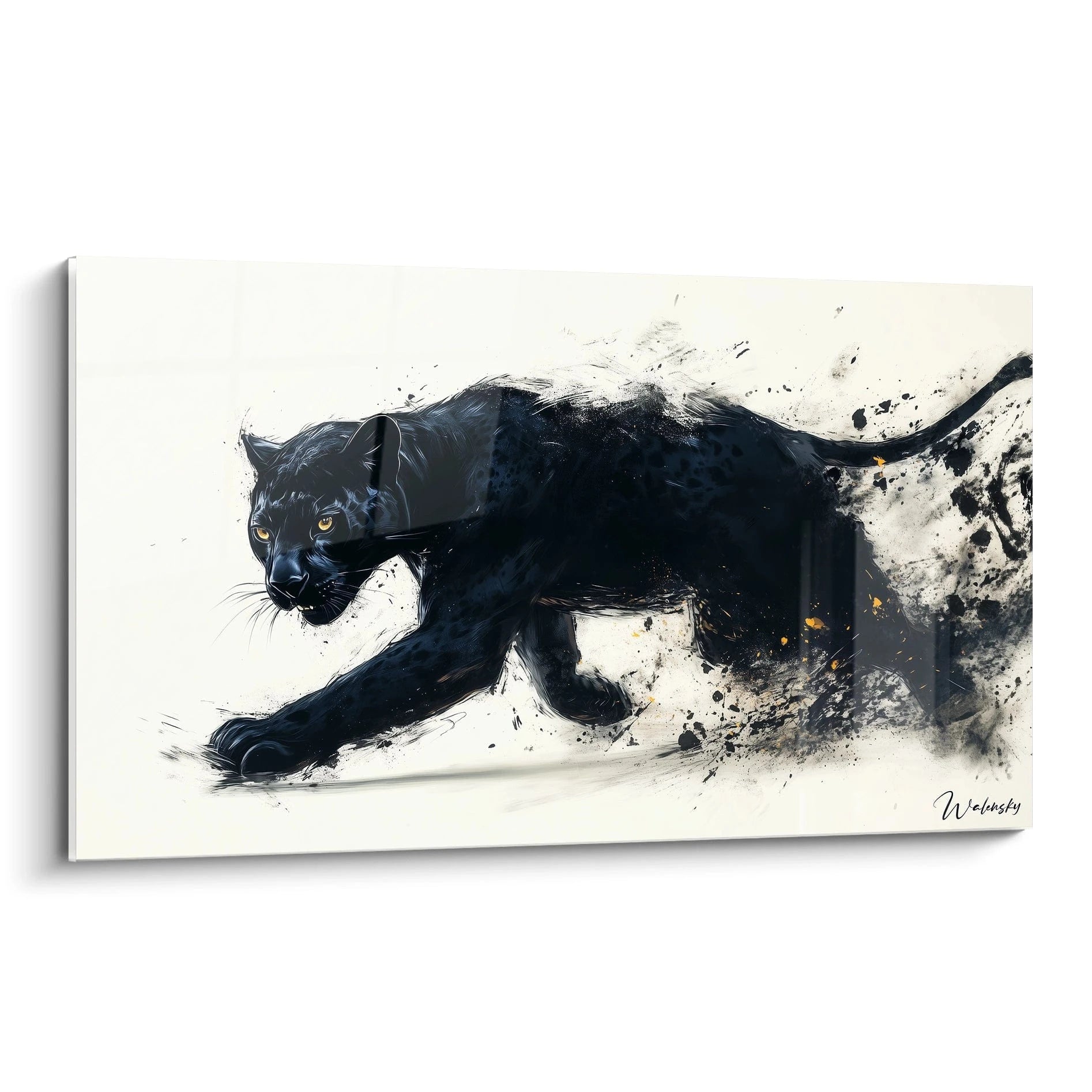
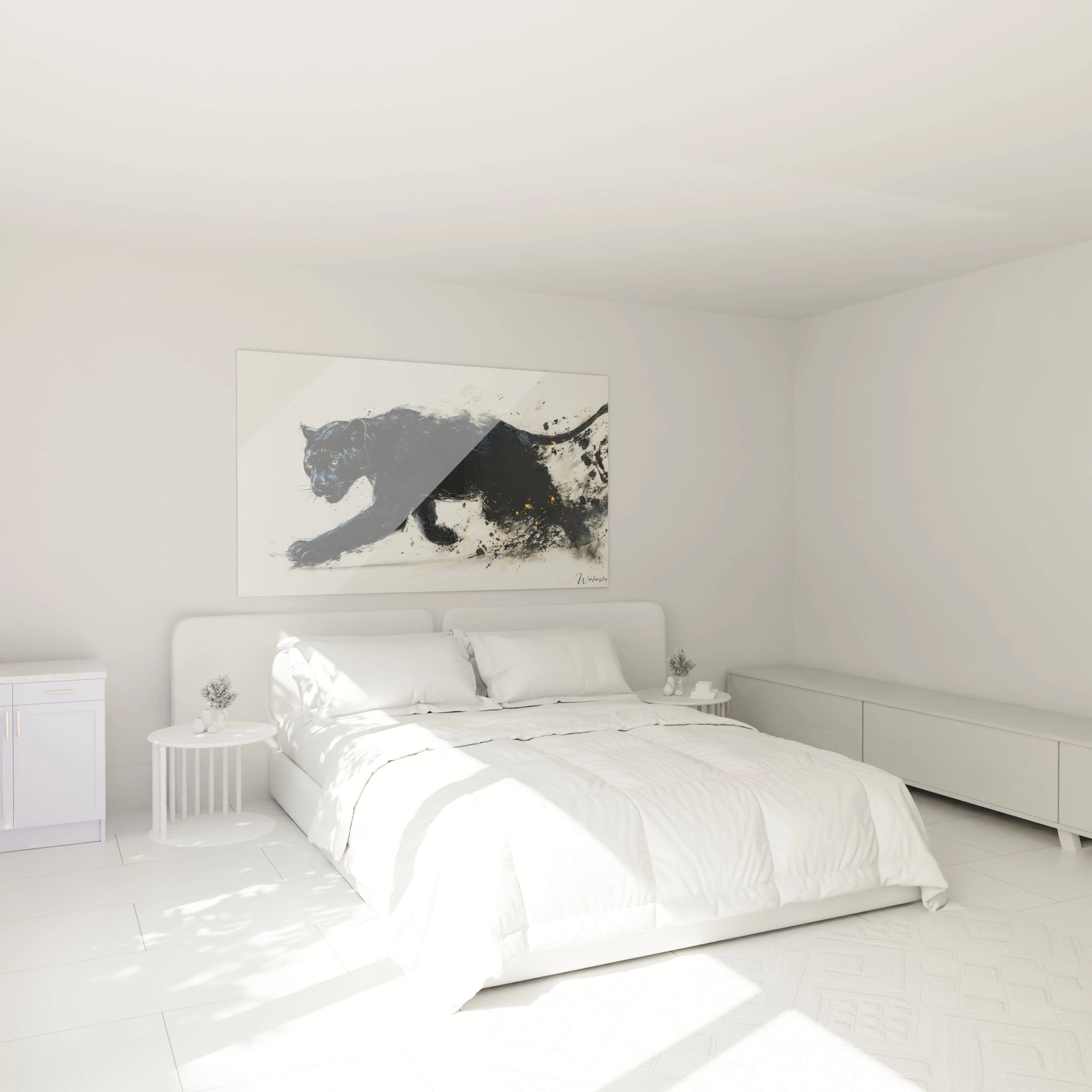
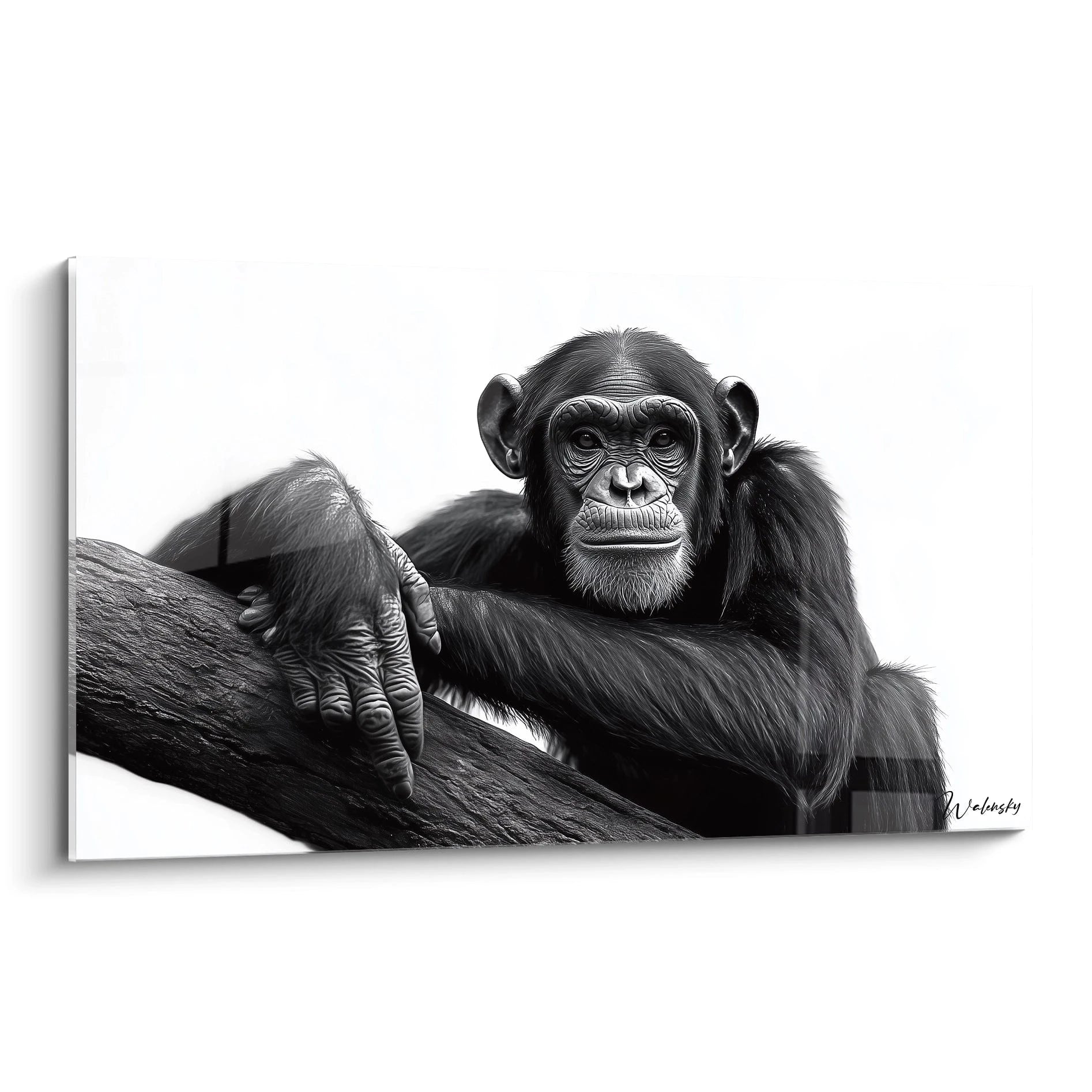
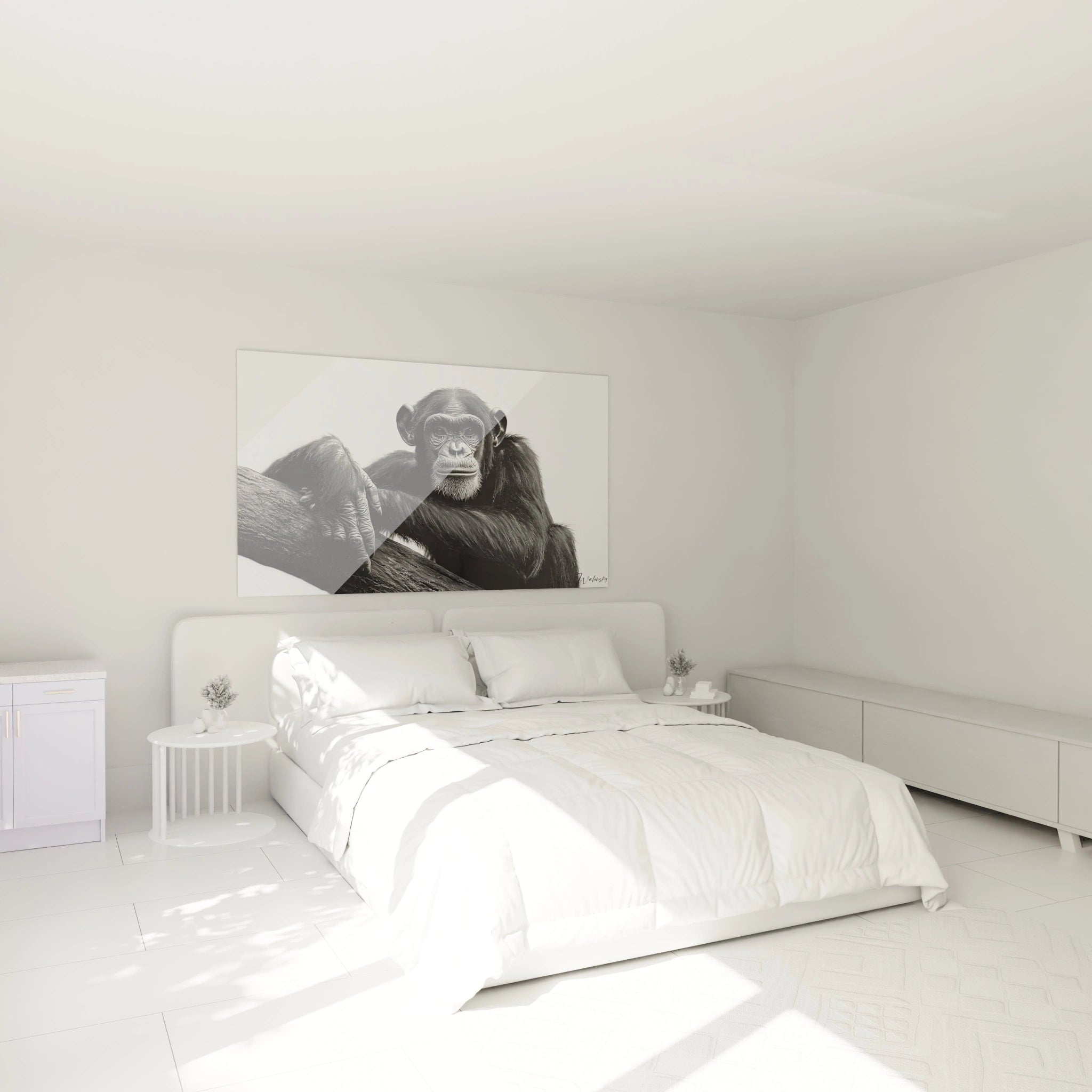
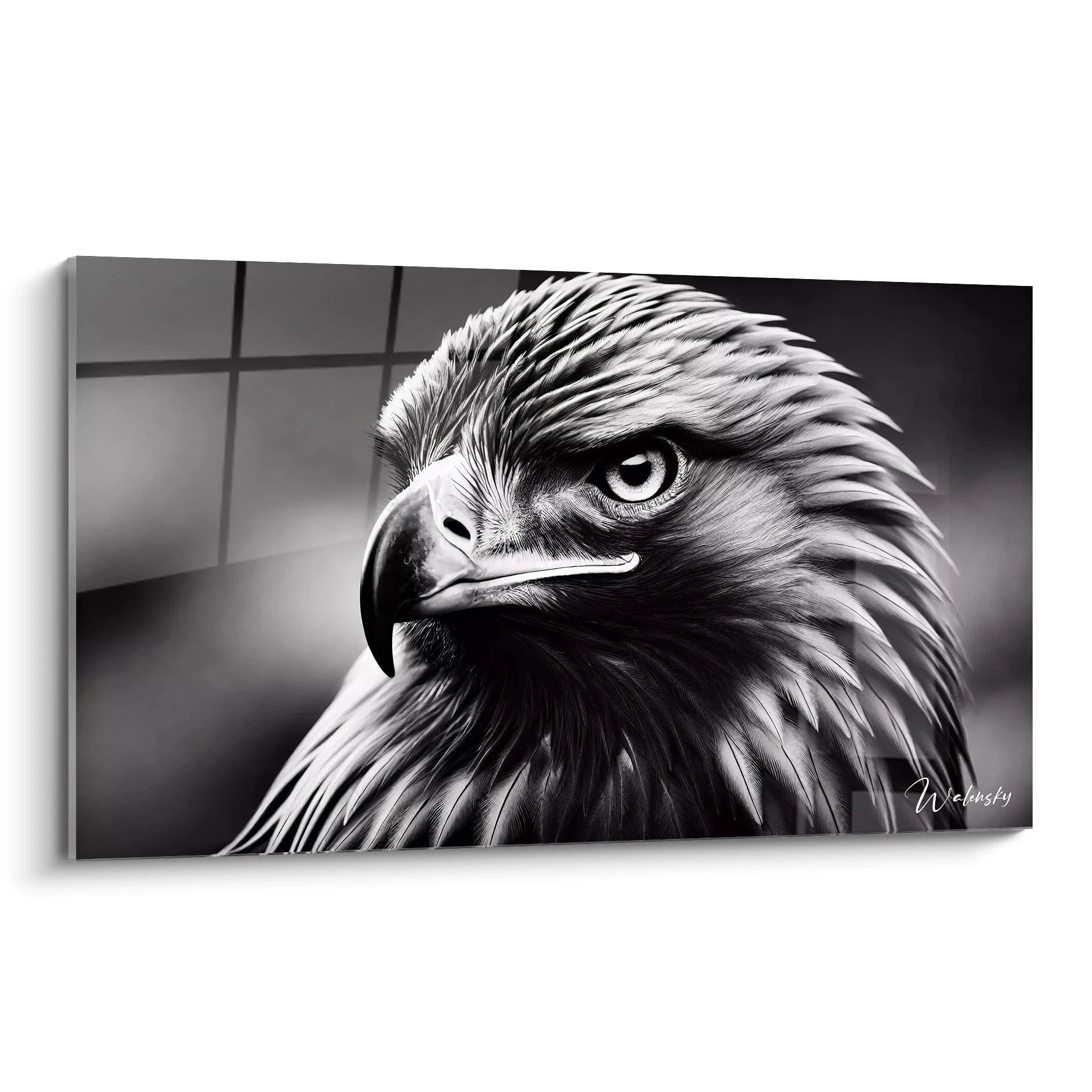
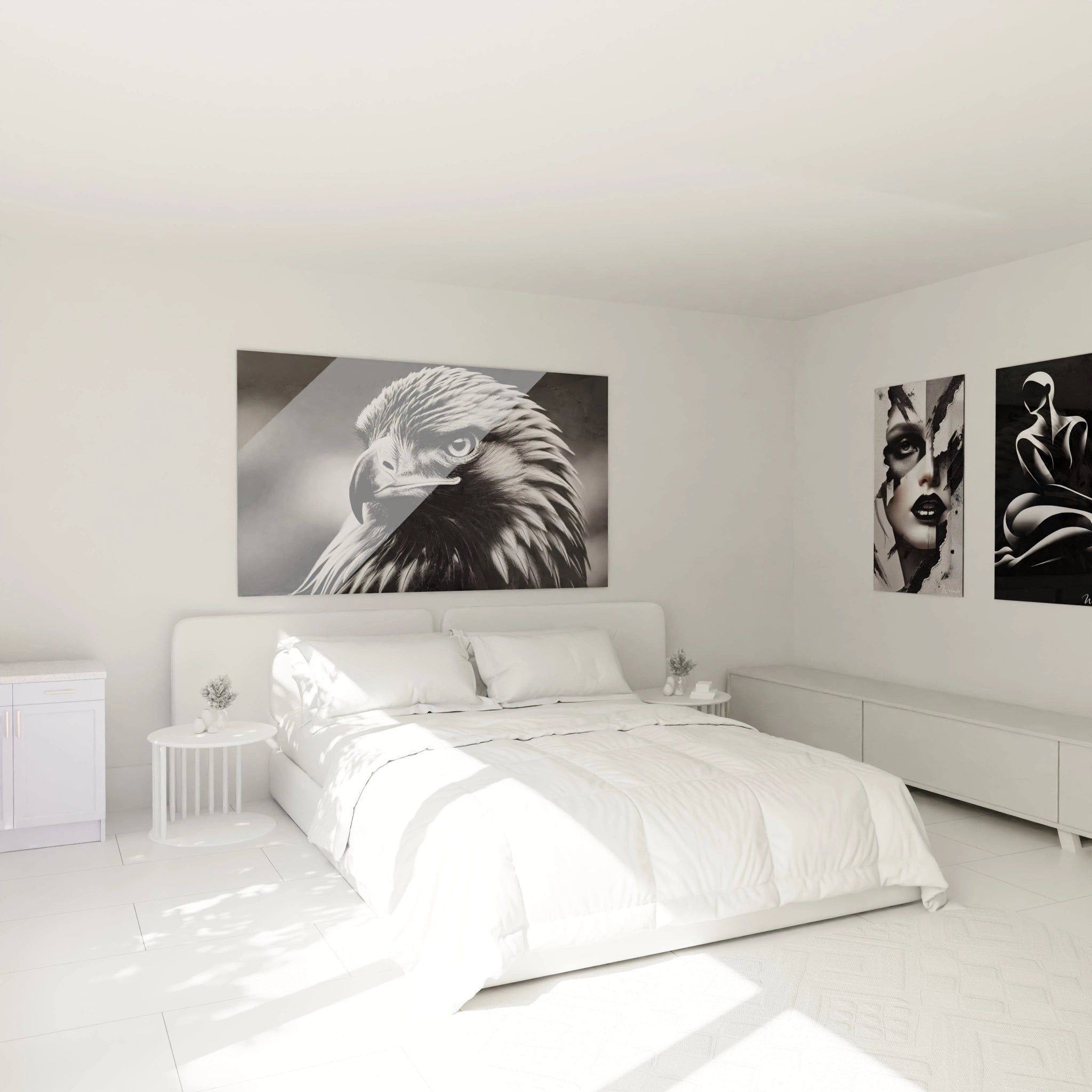
- Presentation Canvas black animals and white
- The psychological impact of black and white animal canvas
- Architectural integration of black and white animal canvas
- Seasonal evolution of black and white animal canvas
Discover the timeless elegance of black and white animal canvases that instantly transform your interior. Unlike traditional colorful representations, these monochrome creations capture the very essence of wildlife with incomparable emotional depth.
Black and white animal representations distinguish themselves through their unique ability to enhance textures, contrasts, and authentic expressions of the animal kingdom. These contemporary graphic works harmonize perfectly with all decoration styles, from Scandinavian minimalism to chic industrial, through refined modernism.
Whether drawn to the majesty of an elephant, the feline grace of a cheetah, or the gentle presence of forest animals, our selection of monochrome canvases animates your walls with character while preserving elegant sobriety.
Explore our different themes to understand how these artistic creations can transform your living space with a presence that is both powerful and subtle, offering a visual experience entirely different from color reproductions.
Black and white animal canvases exercise a fascinating psychological influence on our spatial and emotional perception. Unlike colorful representations that solicit various emotional responses simultaneously, monochrome animal art acts as a powerful mood regulator in our modern interiors.
How do black and white contrasts modify our perception of spaces?
The absence of color in an animal representation creates a unique perceptual phenomenon called "visual expansion". Indeed, the large monochrome surfaces of black and white animal canvases generate an impression of spatial enlargement, particularly beneficial in urban apartments with limited dimensions. Studies in environmental psychology demonstrate that animal forms represented in monochrome create a focal point that visually restructures the entire room, without cluttering it visually.
Animal silhouettes in black and white also possess an exceptional ability to capture attention while soothing the nervous system. Neuroesthete Semir Zeki demonstrated that contemplating monochrome images activates our neural circuits differently, promoting deeper concentration and measurable stress reduction. This neurological reaction is particularly intense with animal representations, which connect our unconscious to primitive archetypes.
- Anxiety reduction of 27% after 15 minutes of exposure to monochrome animal art
- Improved concentration in spaces with graphic animal representations
- Decreased visual fatigue in screen-dominated environments
Why do black and white animal representations create a deeper emotional connection?
The black-white duality in animal imagery activates deep psychological mechanisms linked to our relationship with nature. The absence of chromatic distraction allows us to directly access the emotional essence of the represented animal. Textural details - such as an elephant's wrinkles, a wolf's textured fur, or a feline's penetrating gaze - acquire an almost tactile dimension in large-format monochrome representations.
This phenomenon, which psychologists call "empathetic transfer", is particularly powerful with wild creatures represented in black and white. Our brain, deprived of usual color information, compensates by intensifying analysis of expressions and postures, thus creating a deepened emotional bond with the animal subject. This connection transforms a simple wall decoration into a living presence and silent companion of our daily spaces.
Monochrome animal silhouettes also induce a documented meditative effect. According to research in biophilic design, graphic representations of wild animals stimulate the parasympathetic nervous system, responsible for our state of deep relaxation. Large predators (lions, wolves) in monochrome generate subtle feelings of protection and security, while peaceful herbivores (zebras, deer) reinforce sensations of calm and harmony.
Differentiated impact according to represented animal species
Each animal family, when represented in black and white, elicits distinct psychological reactions in the observer:
- Majestic felines (panthers, lions) generate sensations of controlled power and independence
- Elephants and gorillas evoke ancestral wisdom and emotional stability
- Birds in flight stimulate creativity and sense of freedom
- Marine animals (whales, dolphins) in monochrome reinforce associations with depth and intuition
This diversity of psychological responses allows strategic selection of monochrome animal representations according to the emotional effect sought in each living space. A bedroom will benefit more from soothing silhouettes such as deer or herons, while a work space will be energized by the graphic presence of a predator in action.
Adaptation to daily lighting fluctuations
The distinctive characteristic of black and white animal canvases lies in their visual metamorphosis throughout the hours. Unlike colored works that lose impact as lighting dims, the monochrome contrasts of animal representations intensify in semi-darkness, creating an almost cinematic presence.
This transformative quality generates an evolving artistic experience, where the same work reveals different facets of the represented animal according to natural or artificial lighting conditions. Wildlife photographers specialized in black and white deliberately exploit this phenomenon by capturing their subjects in dramatic lighting conditions that will amplify this effect once the work is displayed in an interior.
Large-format monochrome animal canvases also play an architectural role in defining spatial and temporal transitions in our contemporary habitats. By reflecting and modulating ambient light, they act as "visual clocks" that subtly accompany our circadian rhythms, reinforcing our connection to natural cycles despite urban environment.
Strategic architectural integration of black and white animal canvas
Contemporary architecture is rediscovering the power of monochrome contrasts, particularly through black and white animal canvases that transcend their decorative role to become true visual structural elements. These imposing graphic works establish a unique dialogue with architectural lines, creating unexpected perspectives and redefining spatial perception.
How do large-format monochrome animal representations transform the perceived geometry of spaces?
Large-format black and white animal representations possess a unique architectural property: they create "visual vanishing points" that completely restructure the dimensional perception of a room. Unlike colored works that merely dress a wall, imposing monochrome animal silhouettes generate new directional lines for the eye, capable of:
- Visually correcting structural imbalances in an asymmetrical room
- Elevating ceiling perception through vertical animal postures (giraffes, elephants)
- Widening a narrow hallway through the visual escape created by moving animals
- Unifying fragmented spaces through the visual continuity of monochrome
Interior architects specialized in biophilic design strategically use these canvases as "architectural correctors", notably exploiting the dynamic lines of zebras or the majestic curves of elephants to counterbalance the geometric rigor of modern homes.
Distinctive light interaction with surrounding surfaces
The relationship between black and white animal canvases and surrounding building materials creates a unique light amplification phenomenon. Large-format monochrome pieces act as "modulating reflectors" that capture, transform, and redistribute light according to light and dark areas of the animal representation.
This light dialogue creates particularly striking effects with certain materials:
- On raw concrete walls, monochrome animal contrasts soften industrial harshness
- With metallic surfaces, they create dynamic reflections that animate the space
- Near natural wood, they accentuate veins and organic textures
- Facing large glass panels, they play with variations in natural light throughout the day
This material interaction transforms the overall sensory experience of the habitat, creating what architects call a "modified perceptual envelope" - where the graphic animal presence subtly influences all other surrounding architectural elements.
Implementation strategies according to represented animal morphology
The distinctive silhouette of each animal species in black and white determines its unique architectural potential. Horizontal monochrome large felines are ideal for balancing vertically dominant rooms, while representations of slender animals like giraffes or flamingos visually compensate for overly horizontal spaces.
Architects now develop implementation typologies according to animal morphology and the desired spatial effect:
For spatial transitions, herds in movement (zebras, antelopes) create a visual dynamic that naturally guides from one area to another. Large solitaries (elephant, gorilla) define powerful focal zones that anchor the space. Aquatic animals with fluid lines (rays, whales) bring visual fluidity to compartmentalized spaces.
The communicative dimension of modern spaces finds an unexpected ally in monochrome animal canvases. By playing on the directionality of animal gazes and postures, these works can subtly orient circulation flows, creating an unconscious spatial choreography for inhabitants and visitors.
Resolving acoustic issues through monochrome animal art
One of the recent discoveries in interior architecture concerns the acoustic impact of large-format animal pieces. Monochrome representations on adapted supports contribute to sound regulation in spaces, particularly in contemporary homes with hard reverberant surfaces.
Large black and white animal canvases, when mounted on specific acoustic supports, can significantly reduce sound reverberation while maintaining their aesthetic impact. This dual functionality is particularly sought in:
- Lofts with high ceilings and reflective surfaces
- Multifunctional open spaces requiring acoustically distinct zones
- Home offices where concentration requires sound attenuation
- Master bedrooms where aesthetics must combine with acoustic comfort
This functional architectural integration transcends the traditional role of simple decoration, making black and white animal canvases active components of the overall architectural experience.
The evolution of printing techniques and supports now allows adaptation of these monochrome works to specific constraints of each architectural environment, notably in terms of resistance to hygrometric variations, light exposure, or integration with modern home automation systems.
Seasonal and temporal evolution of black and white animal canvas
The temporal dimension constitutes the most often overlooked aspect when choosing a black and white animal canvas. Yet these monochrome works possess an exceptional metamorphic quality that radically distinguishes them from traditional color representations. This ability to evolve visually through seasons and years makes them living artistic investments rather than static decorative elements.
How do seasons transform the visual impact of monochrome animal canvases?
The seasonal cycle operates a fascinating transformation on black and white animal canvases, particularly large formats. Unlike colored works that maintain relatively stable appearance, monochrome animal representations maintain dynamic dialogue with seasonal light variations:
- In summer, intense direct light accentuates brilliant whites, highlighting the finest details of animal representations
- In autumn, golden and diffused luminosity softens contrasts, revealing subtle gray nuances usually imperceptible
- In winter, rare and low light dramatizes animal silhouettes, creating cast shadows that extend the work onto adjacent walls
- In spring, variable and changing luminosity animates representations through a play of appearance/disappearance of textural details
This cyclical visual respiration gives black and white animal canvases an almost living presence, actively participating in the atmospheric mutations of your home throughout the year. Monochrome large felines appear more imposing in winter light, while bird representations acquire increased lightness in spring atmospheres.
Knowledgeable collectors deliberately select different monochrome animal representations for each cardinal orientation of their home, maximizing this specific seasonal interaction: graphic predators to the north, textured herbivores to the south, dynamic birds to the east, fluid marine creatures to the west.
The distinctive temporal patina of black and white animal representations
Beyond seasonal variations, black and white animal canvases develop a long-term aesthetic evolution that experts call "monochrome patina". Unlike colored works that may lose intensity or undergo chromatic alteration over time, black and white animal representations experience a visual maturation that progressively enriches their presence:
Areas of deep black progressively acquire additional velvety depth, particularly perceptible in representations of large felines or gorillas. Transitions between extreme values develop new intermediate nuances, revealing previously imperceptible details in animal textures such as feathers, scales, or fur.
This temporal evolution creates a special attachment between the work and its owner, who observes these subtle transformations over the years. Unlike ephemeral wall decorations, a quality black and white animal canvas constitutes a visual companion that enriches with time, fully justifying its status as a durable artistic investment.
Circadian rhythms amplified by animal contrasts
The interaction between black and white animal canvases and daily light cycles creates a particular phenomenon of "visual respiration" over a 24-hour period. Monochrome animal silhouettes literally metamorphose from morning to evening:
- At dawn, outlines gradually emerge, creating a gradual appearance of the animal
- During daytime, all textural details assert themselves in optimal balance
- At dusk, certain areas fade while others strengthen, sometimes radically transforming perception of the animal
- In evening, under artificial lighting, new visual interpretations emerge according to angle and color temperature of light sources
This daily metamorphic quality radically distinguishes the experience of black and white animal canvases from colored works. It creates a deep temporal connection with your home, transforming simple decoration into a visual marker of life rhythms.
Large-format monochrome animal canvases also act as mood regulators according to time of day, their visual presence naturally intensifying during transition phases (dawn/dusk) when your home particularly benefits from perceptual anchoring elements.
Evolution of emotional relationship with monochrome animal representations
Perhaps the most fascinating aspect of the temporal experience of black and white animal canvases concerns the evolution of the emotional connection they evoke. Unlike conventional decorations that undergo a phenomenon of "visual habituation" (where the brain progressively "erases" them from consciousness), monochrome animal representations maintain lasting psychological presence.
This attentional persistence is explained by several factors specific to black and white animal representations:
- The archetypal power of animal silhouettes that resonates with our most ancient brain structures
- The infinity of details progressively revealed in interplays of shadow and light
- The ability of monochrome contrasts to stimulate different brain areas according to lighting
- The changing visual dialogue established by the gazes of represented animals
Over time, the relationship with the work evolves from simple aesthetic appreciation toward a form of silent dialogue. Large primates in black and white become almost conscious presences, felines become symbolic guardians, birds become evocators of personal aspirations. This evolving relational dimension explains the deep attachment that owners develop toward their black and white animal canvases.
FAQ on black and white animal canvases
What is the ideal size for a black and white animal canvas in a contemporary living room?
For a contemporary living room, favor large formats (120x80cm minimum) that allow full appreciation of the textural details of monochrome animal representations. The visual impact of a black and white animal canvas depends directly on its dimension - a format that is too small would lose the expressive power characteristic of these works.
Are black and white animal canvases suitable for colorful interiors?
Paradoxically, interiors with bright hues constitute an ideal setting for black and white animal canvases. The contrast between the chromatic environment and the monochrome rigor of the animal representation creates sophisticated visual tension. This deliberate opposition between the colored wall support and the graphic work reinforces the impact of both elements.
How to sustainably maintain a black and white animal canvas?
Preserve the quality of your black and white animal canvas by avoiding prolonged direct UV ray exposure that could alter contrasts. Regular dusting with a soft brush is generally sufficient. For large formats, consider applying specific protective varnish every 5-7 years by a professional to maintain the intensity of deep blacks and brightness of whites.