


Bengal Cat Portrait Wall Art
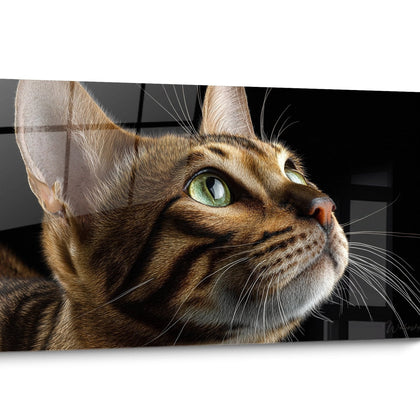
The Painting Bengal cat Portrait captures the wild and refined essence of this exceptional breed. This artistic collection highlights the intense gaze, the tabby coat, and the natural elegance of the Bengal cat in portrait. Each work celebrates feline beauty through carefully crafted compositions that magnify the unique characteristics of this feline with a fascinating temperament. Perfect for lovers of high-end feline wall decoration, this artistic universe brings a sophisticated and warm touch to your interior.
 Bengal Cat Portrait Gaze Upward - Majestic Contemplation - Bengal Cat Edition233,90 €
 Bengal Cat Painting Artistic Portrait - Intense Gaze - Bengal Cat Edition233,90 €
 Bengal Cat Portrait Painting - Golden Gaze - Bengal Cat Edition233,90 €
 Bengal Cat Elegant Painting - Captivating Feline Grace - Bengal Cat Edition233,90 €
 Bengal Cat Sitting Painting - Majestic Portrait - Bengal Cat Edition233,90 €
 Bengal Cat Painting Majestic Portrait - Emerald Gaze - Bengal Cat Edition213,90 €
 Bengal Cat Hyperrealistic Portrait - Golden Gaze - Bengal Cat Edition213,90 €
 Bengal Cat Artistic Portrait - Emerald Gaze - Bengal Cat Edition213,90 €
 Golden Bengal Cat Painting - Mystical Gaze - Bengal Cat Edition213,90 €
Explore further
In Bengal Cat Portrait Wall Art
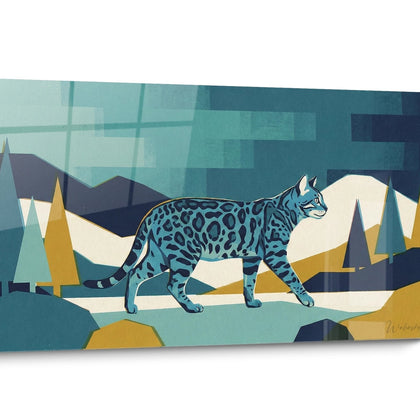
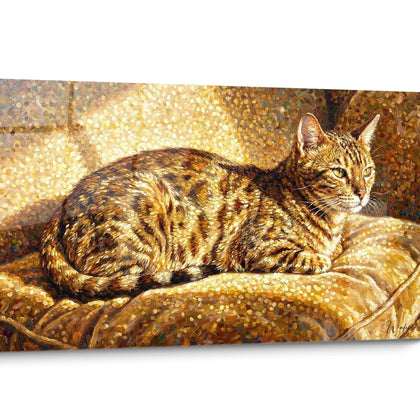
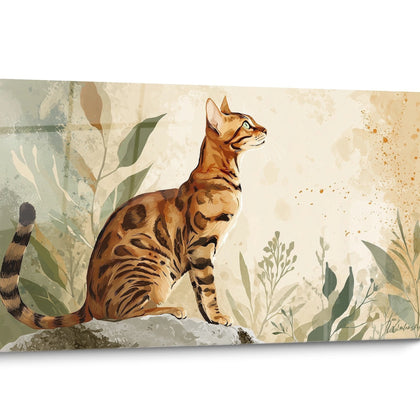
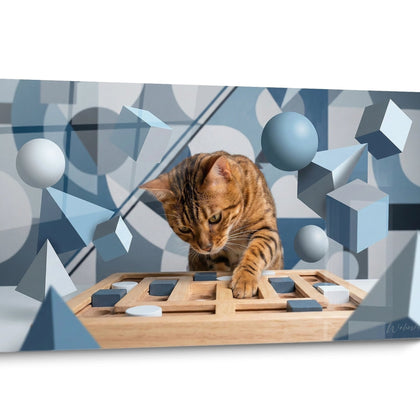
All about Bengal Cat Portrait Wall Art
- Presentation Bengal Cat Painting Portrait
- The Art of the Bengal Feline Portrait
- Expressiveness and Captivating Gaze
- Enhance Wild Elegance
The bengal cat portrait painting captures the majestic essence of this exceptional feline breed through a composition centered on the intensity of the gaze and distinctive markings. Unlike generic representations, this format highlights the unique emotional connection that comes from direct eye contact with a Bengal, creating a living presence in your interior. These large-format works transform each wall into a gallery dedicated to domesticated wild beauty, where every anatomical detail - from the prominent cheekbones to the alert ears - becomes a decorative element in its own right.
Portrait Composition Serving the Bengal Breed
The Bengal cat portrait painting is distinguished by its tight framing that celebrates the unique facial architecture of this breed. The vertical portrait format naturally complements the Bengal's proud posture, creating a visual hierarchy where the amber or emerald gaze becomes the absolute focal point. This compositional approach responds to a specific purchase intention: to install a monumental feline presence without requiring the horizontal space demanded by complete scenes.
Why does the portrait format magnify the distinctive traits of the Bengal?
The vertical orientation concentrates attention on the essential racial markers - the characteristic rosettes that frame the face, the pink nose bordered by black, the white whiskers contrasting with the coat. In a realistic Bengal cat painting, every hair follicle seems to vibrate in the light, creating a three-dimensional texture that only the close-up format allows to be fully appreciated. Collectors seek this visual intimacy impossible to reproduce in panoramic compositions.
Facial anatomy as visual storytelling
The Bengal's prominent cheekbones create photographic shadow plays that artists exploit to structure the composition. The large-format portrait reveals the underlying musculature - the powerful masseter, the prominent zygomatics - transforming the simple face into a map of contained power. For high-end professional spaces such as specialized veterinary clinics or premium breeding farms, this anatomical representation becomes an educational tool as well as an aesthetic statement.
Capturing the expression between wildness and domesticity
The Bengal cat portrait excels at freezing that precise moment when the animal oscillates between feline curiosity and predatory intensity. Slightly dilated pupils, ears in a relaxed alert position, a slight opening of the mouth suggesting a meow - these microexpressions become major narrative elements. A modern Bengal cat painting can accentuate these traits with bold chromatic contrasts, amplifying the emotional impact in contemporary interiors with clean lines.
The Bengal Gaze: Window to Primitive Intensity
In every Bengal cat portrait painting, the eyes are the irresistible magnetic element that justifies the acquisition. Unlike generic feline representations, the Bengal presents an exceptional eye palette - from liquid gold to aquamarine - with a depth of field that only the close-up portrait format can capture. Discerning buyers seek these works to install an emotional anchor point in living spaces, creating a daily visual interaction with the artwork.
How does the portrait amplify the depth of the feline gaze?
The close-up framing allows artists to treat the iris as a miniature cosmos - the radial striations, concentric chromatic variations, specular reflections become colorful galaxies. In formats exceeding 120 cm in height, this amplification transforms the eye into a true luminous installation that captures and diffuses ambient light. Residential spaces with adjustable lighting particularly benefit from this property, the artwork evolving throughout the day like a living organism.
The psychology of direct eye contact
Neuroscience confirms that direct eye contact with a feline, even represented, activates primitive emotional responses. The Bengal portrait cat painting exploits this phenomenon by positioning the gaze at the natural level of human vision. For animal therapists or holistic wellness centers, this gentle visual confrontation becomes a tool for focused meditation, where the controlled intensity of the Bengal offers a contemplative anchor without aggression.
Expressive variations according to the direction of the gaze
A gaze directed frontally at the viewer creates maximum immersive connection, while a slightly shifted angle introduces a mysterious contemplative dimension. Geometric Bengal cat paintings sometimes play with this orientation, fragmenting the gaze into multiple simultaneous perspectives that energize creative spaces such as design studios or private galleries. This multi-angular approach corresponds to buyers seeking continuous visual stimulation rather than a calming presence.
The Tache Robe as a Structural Element of the Portrait
The Bengal portrait cat painting transforms the characteristic rosettes into an architectural decorative motif that structures the entire composition. Unlike solid-colored breeds, each spot on the Bengal functions as a note in a complex visual score, creating rhythms and cadences that the vertical portrait format orchestrates with precision. Collectors invest in these pieces for their ability to introduce a sophisticated organic pattern without falling into the mechanical repetition of industrially printed patterns.
How do the rosettes guide the visual journey?
In a controlled portrait composition, the markings form implicit guidelines that lead the eye from the top of the skull to the chest. Drop-shaped or donut-shaped spots create vectors of movement that animate a static image. For golden Bengal cat paintings, this visual choreography is enriched with metallic nuances that shimmer according to the angle of observation, adding a kinetic dimension to premium domestic or commercial spaces.
The chromatic contrast between coat and background
The neutral background amplifies the complexity of the Bengal's coat, while a textured background dialogues with the rosettes to create illusory depth. Interior designers exploit this property to visually balance monochromatic spaces - a broken white wall welcoming a Bengal portrait in warm tones instantly becomes a dynamic focal point without requiring additional decorative accessories. This aesthetic self-sufficiency justifies the investment in monumental formats.
The coat-face transition as a zone of creative tension
The area where the body markings meet the delicate facial features constitutes a unique artistic exploration territory in the Bengal. Contemporary artists sometimes accentuate this transition to create a natural mask effect, reinforcing the mysterious aura. This approach particularly appeals to buyers of artworks for industrial lofts or converted spaces, where the Bengal’s wild-refined duality resonates with reinterpreted raw architecture.
What canvas size for a portrait Bengal to create an immersive presence?
Formats starting from 100 cm in height allow for a near-realistic facial representation, where the Bengal's muzzle reaches natural proportions that momentarily deceive perception. For residential spaces with standard ceiling height, a Bengal cat canvas of 120-140 cm creates the optimal impact without visually dominating the room, while commercial spaces can accommodate monumental portraits exceeding 180 cm that transform the animal into a totemic icon.
Is a portrait Bengal cat canvas suitable for relaxation spaces like bedrooms?
The intensity of the Bengal's gaze in portrait format creates an active presence that stimulates rather than soothes. These works excel in transitional spaces - entrances, hallways, offices - where their punctual visual impact energizes without fatigue. For bedrooms, prioritize representations with a gaze oriented laterally or half-closed eyes that maintain feline elegance without creating a permanent visual confrontation.
How does a Bengal portrait integrate into an existing animal art collection?
The vertical portrait format harmoniously combines with horizontal works representing other breeds or natural scenes, creating a balanced wall gallery. The Bengal brings an exotic touch that contrasts effectively with classic representations of domestic felines, allowing a visual narrative on the evolution of feline domestication without creating stylistic cacophony.
Do Bengal portraits work in Scandinavian minimalist interiors?
Absolutely, provided you select interpretations with restricted palettes - sand tones, off-white, warm gray - that respect Nordic sobriety while introducing the invigorating organic pattern that these interiors seek. Versions with immaculate backgrounds create a consistent visual breathing space with the philosophy of less-but-better, the Bengal becoming the authorized centerpiece in a purified environment.


