


Abstract Swimming Wall Art
The Swimming Abstract artwork captures the fluid and dynamic essence of the aquatic world through a modern artistic vision. This unique collection transforms the movements of swimmers and the undulations of water into streamlined visual compositions. Each creation evokes grace, fluidity, and the energy of artistic abstract swimming, offering a contemporary interpretation of aquatic sport. Perfect for modern spaces, this collection brings a touch of serenity and abstract aquatic dynamism to your interior.
 Underwater Swimming Wall Art - Abstract Diving - Swimming Edition242,90 €
 Artistic Swimming Painting - Dive into Blue Ocean - Swimming Edition273,90 €
 Abstract Swimming Painting - Aquatic Explosion - Swimming Edition273,90 €
Explore further
In Abstract Swimming Wall Art

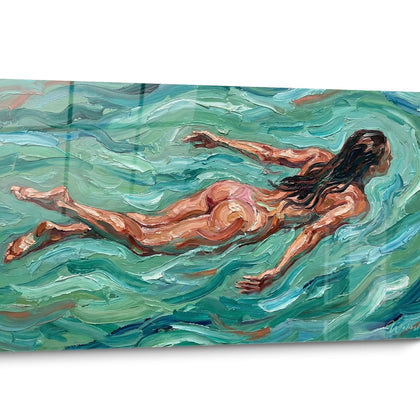
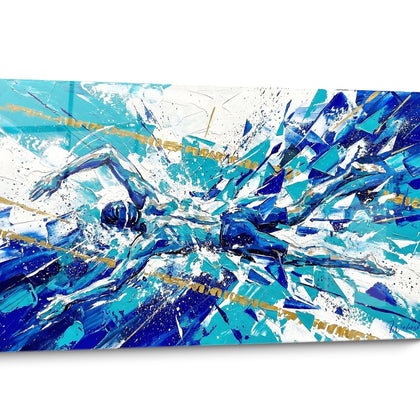
All about Abstract Swimming Wall Art
- Abstract Swimming Painting Presentation
- Abstract Aquatic Energy
- Fluid Movements and Colors
- Decorative Integration
The abstract swimming painting transcends figurative representation to capture the very essence of aquatic movement through chromatic and gestural compositions. This artistic approach transforms undulations, splashes and hydrodynamic flows into visual symphonies where forms dissolve into a free and emotional interpretation. Unlike conventional representations, these large-scale wall creations sublimate the sporting aquatic universe by exploring the pure sensations that immersion and physical effort in water provide. Each composition becomes a visual meditation on fluidity, resistance and liberation that the swimming discipline represents when stripped of any literal narrative to retain only its gestural and chromatic expression.
Gestural Expression of Aquatic Dynamics
The abstract swimming painting is based on a visceral translation of hydraulic forces exerted during each movement in the pool. Contemporary artists capture this kinetic energy through directional brushstrokes, controlled drips and chromatic superimpositions that evoke the turbulence generated by the moving body. This approach far exceeds decorative aesthetics to propose a genuine plastic study of physical phenomena linked to aquatic propulsion.
How do textures evoke the resistance of water?
Abstract compositions exploit mixed techniques to reproduce liquid density: thick impasto suggesting pressure exerted against body surfaces, translucent glazes mimicking the transparency of aquatic layers, projection of materials to simulate suspended particles. These textural variations create a tactile depth that reinforces the viewer's sensory immersion, particularly effective on monumental formats exceeding 150 centimeters that amplify the physical impact of the work.
Color palette and perception of the aquatic environment
The hues exploited go far beyond conventional blues to integrate emerald green nuances, deep turquoise, slate gray and touches of oxidized ochre reminiscent of historic Olympic pool tiles. This chromatic richness transcends mere evocation of water to suggest luminous variations according to depth, training time and effort intensity. Contrasts between saturated zones and faded passages reproduce the alternation between total immersion and respiratory emergence inherent to swimming cycles.
Visual rhythms and sporting cadences
The compositional structure of an abstract swimming painting frequently organizes itself according to repetitive sequences evoking successive lengths, regular leg beats or respiratory rotations. These rhythmic patterns create visual dynamics that unconsciously stimulate the eye to follow a horizontal path, recalling the linear progression of the swimmer in their lane. For spaces dedicated to physical performance such as private training rooms or mental preparation areas, this visual cadence reinforces concentration and the flow state sought.
Which formats should be privileged to maximize immersive impact?
Panoramic horizontal dimensions (180x90 cm minimum) naturally reproduce the geometry of sports pools and amplify the sensation of liquid expanse. Triptychs allow decomposition of movement into successive phases – dive, glide, turn – while exceptional vertical formats can evoke unfathomable depth or the suspended instant of diving. For reception walls in high-end aquatic facilities, works exceeding two meters create a monumental effect that translates the scale of physical engagement required in intensive practice.
Abstract Translation of Swimming Sensations
Beyond visual representation, the abstract swimming painting aims to materialize the kinesthetic perceptions of the swimmer: silent gliding in breath-hold, explosive muscle engagement in the flip turn, the lactate burn of the final meters. This synesthetic dimension radically distinguishes these creations from traditional sporting works by soliciting bodily memory in practicing observers. The compositions play on ambiguity between apparent chaos and underlying organization, a perfect mirror of the swimming experience where initially disordered movement progressively transforms into controlled technical gesture.
Why does abstraction amplify emotional identification?
By eliminating anatomical details and literal representations, the abstract approach allows more intense personal projection. Each viewer mentally reconstructs their own aquatic experience from visual clues: turbulence evoking their own technical difficulties, calmed zones recalling moments of perfect fluidity. This interpretive universality explains why these works particularly resonate in collective spaces of swimming clubs or aquatic centers where converge practitioners with varied backgrounds yet sharing this intimacy with the liquid element.
Materialization of transitory states
Fleeting instants constitute the prime terrain of these compositions: the precise instant when the body penetrates the surface creating this temporary rupture of the aquatic plane, the fraction of a second when manual support finds its optimal grip in the fluid, the gravitational pivot of diving. These micro-events impossible to capture photographically find in gestural abstraction their truest translation, often through diagonal lines of force, chromatic splashes or controlled blur zones. For an abstract swimming painting, this capacity to capture the elusive represents a determining added value against purely decorative approaches.
How do these works influence mental preparation?
Sports psychologists acknowledge the impact of visual environment on positive visualization and the construction of pre-competitive mental routines. An abstract swimming painting placed in a preparation space functions as a visual anchor allowing rapid activation of sought sensations: fluidity, power, relaxation. Compositions dominated by ascending flows can stimulate energy before intense effort, while soothing horizontal harmonies facilitate active recovery and post-training relaxation.
Symbolism of negative spaces
Blank zones, visual silence between intense pictorial gestures, represent moments of breath-hold, passive gliding or respiratory recovery. This alternation between saturation and visual respiration creates a contemplative rhythm that avoids perceptual fatigue on large formats. These negative spaces also allow the gaze to circulate freely, reproducing the experience of spatial disorientation characteristic of total immersion where habitual references of gravity and verticality dissolve.
Architectural Integration and Spatial Enhancement
Installing a large-scale abstract swimming painting requires thorough consideration of the relationship between the work and its built environment, particularly in contexts where humidity, acoustic reverberation and thermal constraints impose strategic choices. Spaces dedicated to aquatic practice – premium changing rooms, adjacent weight training areas, reception zones of aquatic complexes – benefit from reinforced thematic coherence through these creations that establish visual continuity between architectural function and artistic proposition.
Which placements maximize thematic resonance?
Circulation corridors leading to pools constitute strategic locations where these works function as psychological thresholds preparing mentally for immersion. Walls facing dry warm-up areas allow athletes to maintain visual connection with their element during preparatory exercises. In high-end residential contexts equipped with private pools, positioning in pool houses or adjacent verandas creates a visual extension of aquatic space toward relaxation zones, blurring boundaries between inside and outside, dry and wet.
Dialogue with architectural materials
Typical tiled surfaces in aquatic environments – ceramic, porcelain stoneware, mosaic – find a fascinating textural counterpoint in abstract compositions that offer tactile warmth and visual depth. This material opposition between the functional coldness of waterproof coatings and the gestural expressivity of the painting generates dynamic aesthetic tension. Variable reflections on glazed pool wall surfaces also create mirror games with the work, producing doubling and fragmentation effects that enrich visual experience as one moves through the space.
How to manage the specific acoustics of aquatic spaces?
Though primarily visual, large-format paintings participate in acoustic management by partially absorbing excessive reverberations characteristic of volumes with high presence of hard surfaces. This secondary yet non-negligible function improves overall sound comfort, particularly in mental preparation spaces where acoustic calm conditions concentration quality. Compositions with thick textures offer better sound absorption than perfectly smooth surfaces.
Perceptual evolution according to lighting conditions
The zenith natural light typical of modern aquatic complexes radically transforms the appearance of an abstract swimming painting throughout the day. Morning hours reveal cool nuances and accentuated contrasts favoring energetic stimulation, while low evening light softens chromatic transitions and creates cast shadows that enrich perceived depth. This natural variability maintains renewed visual interest for regular practitioners, preventing perceptual habituation that often affects static decorative elements.
FAQ - Frequently Asked Questions
Is an abstract swimming painting suitable for humidity-exposed spaces?
Works intended for aquatic environments require specific protective varnishes and humidity-resistant supports. Anti-UV and water-repellent treatments guarantee optimal durability even in peripheral pool zones where ambient humidity remains permanently elevated.
What is the ideal size for an abstract swimming painting in a professional space?
For public-facing facilities, formats exceeding 180 centimeters in primary dimension create the visual presence necessary to compete with the scale of typical architectural volumes. Private spaces can privilege dimensions of 120 to 150 centimeters that maintain impact without visually dominating living areas.
How does an abstract swimming painting influence practitioner motivation?
The daily presence of artistic representation valuing the practiced activity reinforces positive identification and pride in belonging to the swimming community. Abstract compositions avoiding representations of inaccessible performances allow inclusive personal projection, stimulating for all practice levels without creating discouraging comparison.
Further reading
Our articles on this topic
- Swimming painting for a modern bathroom: the technical and decor guide
- How a Modern Abstract Artwork Can Enhance a Minimalist Design Bathroom?
- Swimming pool painting in aquatic blue: the decorative ally for your hallway or entrance
- Dancer painting: which style to choose to elevate your interior
- Wave ocean painting in acrylic glass: the immersive effect that captures movement
- Transform your bathroom with these 5 abstract geometric artworks
L'art qui suscite l'envie
Maison belge d'art mural grand format
14 jourspour changer d'avis*
Protection Walenskyincluse
Fabriquéen Italie
FormatXXL
Kit de fixationtoujours fourni
* Hors tableaux personnalisés et tailles personnalisées


