

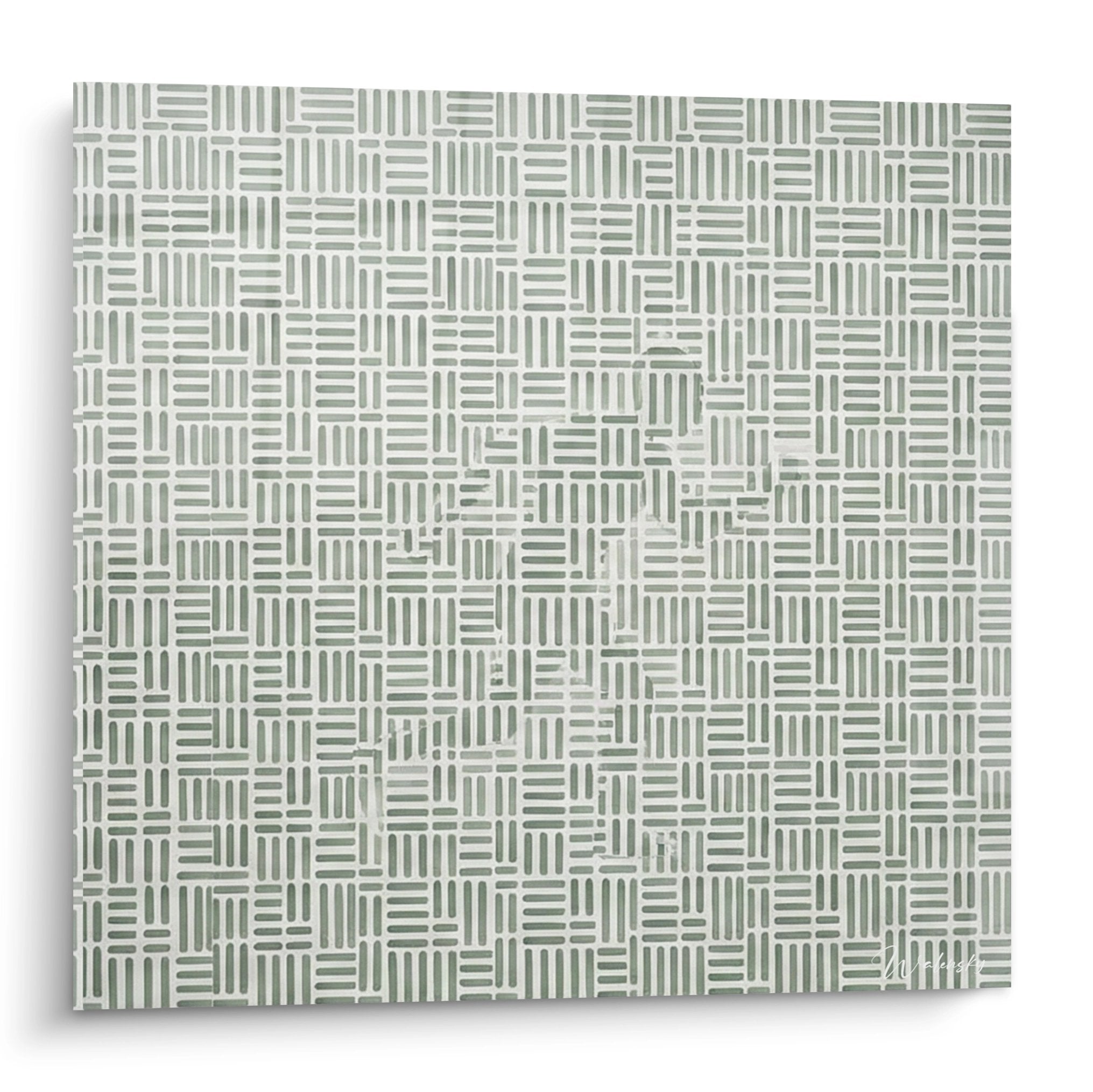






Diving into the World of Abstract Art: An Emotional Exploration
November 11, 2025 · 5 min read · by Walensky
Abstract art, a form of artistic expression that transcends the boundaries of traditional representation, is often perceived as a tangle of colors, shapes, and textures. In this article, we will explore the foundations of abstract art, its iconic movements, and its impact on the world of contemporary art. Whether you are a passionate enthusiast, a novice, or simply curious, here is your guide to understanding this fascinating art form.
Origins of Abstract Art
Abstract art emerged at the beginning of the 20th century, as many artists sought to move away from figurative and realistic representation. This movement was both a response to the social and technological upheavals of the time, and an exploration of emotions and ideas through non-concrete forms.
The Precursors
Before abstract art truly took shape, several artists began experimenting with concepts of abstraction. Figures such as Paul Cézanne and Vincent van Gogh paved the way by deconstructing classical subjects and using color expressively. However, it was only with artists like Wassily Kandinsky and Piet Mondrian that abstract art began to define itself as a distinct movement.
Key Movements in Abstract Art
There are several movements within abstract art, each with its own particularities and impact on the global art scene. Here are some of the most influential:
Cubism
Developed by Pablo Picasso and Georges Braque, Cubism explored the decomposition of subjects into geometric shapes. This approach allowed artists to represent multiple perspectives simultaneously, changing our understanding of space and form.
Abstract Expressionism
This movement, which emerged in the United States after World War II, emphasized individual expression through gestural painting techniques. Artists like Jackson Pollock and Mark Rothko were able to capture intense emotions through works of art that reflect their states of mind.
Color Field
The Color Field, for its part, focuses on the use of vast areas of color. Artists such as Barnett Newman and Helen Frankenthaler used this technique to create visually soothing works that invite contemplation.

The Techniques of Abstract Art
Abstract art is not limited to a style or technique; on the contrary, it encompasses a multitude of approaches that allow artists to express their unique vision. Here are some common techniques you can find in this field:
- Gesture Painting: Using free and spontaneous brushstrokes to create dynamic compositions.
- Collage: Combining different materials such as paper, fabric and other objects to create a three-dimensional work.
- Dripping: A technique popularized by Jackson Pollock, where paint is dripped onto the canvas to create a textured effect.
Abstract Art in the Contemporary World
Today, abstract art continues to evolve and influence many artists around the world. Numerous creators draw inspiration from the foundations of the movement while integrating contemporary elements to make their own interpretation. We will examine some current trends:
Integration of New Technologies
With the advent of digital technology, many artists are turning to technological tools to create their works. Design software and illustration applications allow for exploring abstraction in a new and innovative way. Digital abstract art is becoming increasingly popular, with artists using animations, interactive installations and even virtual reality.
Reflection on Society
The role of abstract art extends beyond personal expression. Many contemporary artists use their works to address social, political and environmental issues. For example, some creators incorporate recycled materials into their works to provoke reflection on sustainability and environmental impact.
Abstract Art and Interior Design
Owning a piece of abstract art can transform the atmosphere of a room. Whether at home or in a workspace, abstract art can stimulate creativity and inspire a sense of tranquility. Here are some tips for integrating abstract art into your interior:
Choosing the Color
Colors play an essential role in creating an atmosphere. Opt for works whose colors complement your space's palette. For example, a canvas with soft hues can bring a touch of serenity to a bedroom, while bright shades can energize an office.
Size and Layout
The size of the artwork should also be considered. A large canvas can be a focal point in a room, while several small works can create an interesting wall gallery. Don’t hesitate to experiment with the layout to find the arrangement you like best.
— Our selection


Artists to Watch
Here are some contemporary artists whose abstract works are a must-see:
- Cecily Brown: Known for her vibrant and energetic compositions, her works blend abstraction and figuration.
- Mark Bradford: Uses a mix of collage and painting to address social themes in his abstract works.
- Kara Walker: Although often more narrative, her work explores themes of race and identity through an abstract lens.
Your First Step into Abstract Art
If you are curious to explore abstract art, one of the best ways to start is to visit museums, galleries, or art exhibitions. Observing the works in person allows you to grasp their nuances and appreciate their depth. Additionally, there are many books and online resources that discuss abstract art, helping you deepen your knowledge and appreciation.
Beyond the Canvas
Ultimately, abstract art is not limited to painting. Far from it, it expresses itself in various forms, including sculpture, interior design, and even fashion. Consider how abstraction can infuse your daily life, whether through works of art, textiles, or accessories inspired by this movement.

Also to discover
Painting Les Liens Invisibles - Contemporary Painting Edition Abstract
233.90€
Discover this painting →An Endless Emotional Adventure
In short, abstract art is a vast and rich territory, where each work tells a unique story and invites reflection. Whether you are an art collector, an aesthetics enthusiast, or simply curious to discover this fascinating world, abstract art has something to offer each of us. Dive into this colorful universe and let your emotions guide your artistic appreciation. You might be surprised by the depth and beauty that reside in abstraction.
Frequently Asked Questions
How to choose the color of an abstract painting according to the room?
Prioritize works whose colors complement your space's palette. A canvas with soft hues brings a touch of serenity to a bedroom, while bright colors energize an office. Colors play an essential role in creating the ambiance of a room.
Is it better to have one large painting or several small ones?
Both options work. A large canvas can be a focal point in a room, while several small works allow you to create an interesting wall gallery. The best thing is to experiment with the layout until you find the arrangement you like best.
Who are the artists behind abstract art?
Paul Cézanne and Vincent van Gogh paved the way by deconstructing classic subjects and using color expressively. But it was with Wassily Kandinsky and Piet Mondrian that abstract art truly defined itself as a movement in its own right, at the beginning of the 20th century.
What are the main techniques of abstract painting?
Three approaches often recur: gestural painting, which uses free and spontaneous brushstrokes for dynamic compositions; collage, which combines paper, fabric and other materials; and dripping, popularized by Jackson Pollock, where paint is dripped onto the canvas.
Explore our collections


