


How to Integrate Animal Art into Your Interior
11 October 2025 · 17 min read · by Walensky
Introduction to Animal Art: Origins and Popularity
Animal art, an artistic celebration of the animal kingdom, traces its roots back to antiquity, where the first depictions of animals appeared in the form of cave paintings. These primitive works, visible in places such as the Lascaux cave in France, testify to the spiritual and cultural importance of animals for ancient civilizations. These representations were used not only to honor animals, but also to immortalize their beauty and power.
Over the centuries, animal art has evolved, infiltrating various cultures and taking on multiple forms. In ancient Egypt, animal motifs were used in hieroglyphs, sculptures, and even funerary masks. Later, during the Renaissance, artists such as Albrecht Dürer introduced highly detailed animal engravings, demonstrating scientific observation and artistic homage.
The Victorian era marks a turning point where animal art becomes particularly popular in aristocratic circles. Animal portraits, often commissioned by noble families to immortalize their horses or hunting dogs, gain notoriety. This movement is amplified in the 19th century, thanks to artists such as Rosa Bonheur, whose works capture the majesty of animals in their natural environment.
Nowadays, this art is experiencing a renewed popularity. Its versatility, combined with a universal appeal for wildlife, makes it a prized decorative choice for private collections and modern interiors. Favored by a diverse audience, it retains an important place in galleries and contemporary homes.
Why Choose Animal Art for Your Interior?
Animal art offers a unique connection to nature and wildlife, adding an authentic and organic dimension to any interior space. In addition to being astonishingly beautiful and unique, it is a form of art that combines aesthetics and symbolic meaning.
A Timeless and Emotional Choice
Animal art transcends the ephemeral trends of interior decoration. Animal representations capture both the power, grace and diversity of the natural world, which evokes an instant emotional attachment. These works invite a moment of escape, while instilling a feeling of tranquility, life or energy – depending on the species represented.
Remarkable Versatility
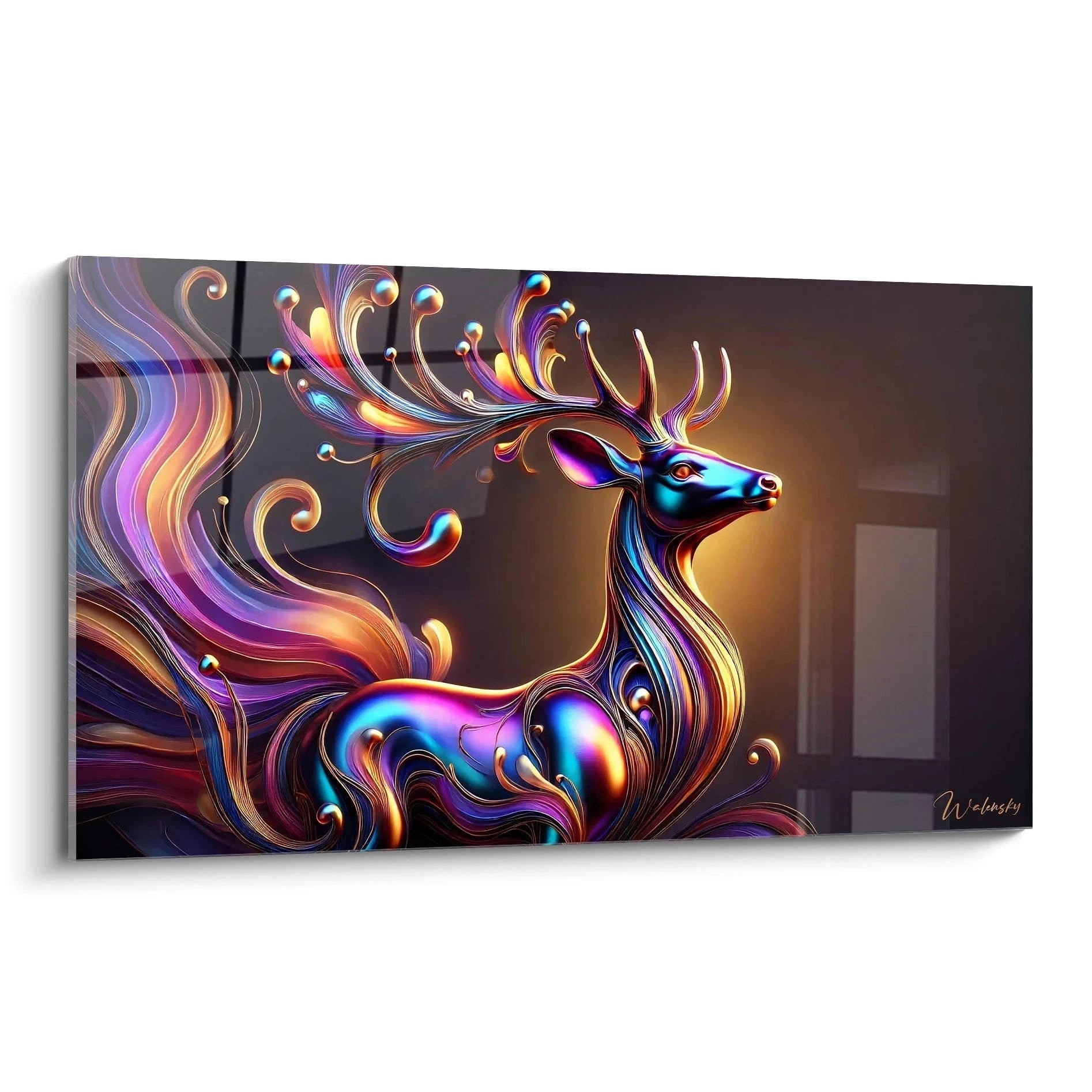
This type of art integrates harmoniously into various decorative styles. Whether it's a minimalist, bohemian, or industrial interior, animal sculptures, paintings, or photographs always find their place. Black and white illustrations bring a modern and refined touch, while the use of bright colors offers dynamism to a more subdued space.
A Way to Express Your Values
Choosing animal art is also a way to echo an ecological sensitivity and admiration for biodiversity. This choice often reflects a deep appreciation for respect for nature. Through works representing fragile or majestic species, owners communicate their values and commitment to the environment.
Valuing Craftsmanship
By favoring unique pieces or creations by artists specializing in animal art, we also celebrate craftsmanship and know-how. Some creations highlight rare artistic techniques, adding cultural and artistic depth to the decoration.
Thus, choosing animal art for your interior is not only decorating; it's telling a story, expressing a vision, and inviting daily contemplation.
The Different Types of Animal Art: Paintings, Sculptures, and Decorations
Animal art comes in various forms, allowing everyone to find a style that suits their tastes and interior. Paintings, sculptures, and decorative objects are the most common variations. Each of these categories offers unique possibilities to enrich a space while celebrating the animal world from different perspectives.
Paintings
Animal paintings often depict portraits of animals in their natural habitat or stylized artistic interpretations. Techniques vary, from watercolor, ideal for light renderings, to oils on canvas, which bring depth and texture. Figurative works highlight precise anatomical details, while abstract representations capture the essence or movement of the animal. These paintings easily find their place in a living room or bedroom to bring a touch of refinement.
Sculptures
Animal art sculptures offer three-dimensional creations that are often powerful and expressive. Made from various materials such as bronze, ceramics, wood, or resin, they can be realistic or contemporary. Bronze sculptures, for example, bring a timeless and chic aspect, while modern versions in recycled metal introduce an industrial aesthetic. They integrate perfectly as centerpiece on a shelf, a console, or in a garden.
Decorations
Decorative objects inspired by wildlife allow for a subtle and versatile integration of animal art. Animal-printed cushions, rugs adorned with wild motifs, or even luminaires resembling animal shapes offer endless options. Minimalist designs adapt easily to contemporary interiors, while more ornate elements suit classic or bohemian spaces. These objects add a unique personality while remaining functional.
Animal art, in its many forms, knows how to adapt to the aesthetic and practical needs of modern interiors, marking a balance between art and nature.
Integration into a Modern Style: Harmony and Minimalism
To introduce animal art into a contemporary interior, the approach must reconcile harmony and minimalism. Modern spaces, often characterized by clean lines and a neutral color palette, require a thoughtful selection of artworks and decorative elements. Rather than cluttering the space, animal art can become a subtle and sophisticated focal point.
The use of natural materials is an excellent way to connect artistic pieces to modern design. For example, wooden, marble, or metal animal sculptures blend perfectly into minimalist environments. These materials provide organic texture while harmonizing with the clean, smooth surfaces typical of contemporary style.
Formats and dimensions also play a crucial role. Large animal paintings or photographs with monochromatic tones can be arranged on a pristine white wall, creating a visual statement without disrupting the overall aesthetic. Alternatively, minimalist sketches framed in thin black metal or light wood frames add a subtle and elegant touch.
Regarding the color palette, it is best to prioritize natural shades to maintain consistency with the modern ambiance. Black, white, beige, and gray harmonize with subtle animal patterns. Patterns inspired by wildlife, such as textures resembling zebra skin or bird feathers, can also be introduced through cushions, rugs, or throws, maintaining a moderate approach.
A balance must be respected to avoid visual overload. Modern animal art does not seek to dominate the space, but to complement the whole, introducing a touch of nature and life without compromising the minimalist spirit.

How to Combine Animal Art with Classic and Traditional Interiors
To harmoniously blend animal art with classic or traditional interiors, it is essential to adopt a thoughtful and balanced approach. These interior styles are characterized by their timeless elegance, noble materials, and refined details. Well-integrated animal art can enhance this aesthetic while adding a touch of authenticity.
1. Choice of materials in harmony with the furniture
The use of solid wood frames, gilded or with aged finishes, acts as a natural extension of a classic interior. Animal sculptures in bronze or stone blend perfectly with ornate furniture and antique decorative objects. These materials convey a sense of coherence and reinforce the sophisticated character of the whole.
2. Prioritize neutral tones and rich palettes
Traditional interiors often rely on soothing color palettes, such as beiges, browns, and deep greens. Animal art in these same tones integrates seamlessly. A painting depicting a hunting scene or a majestic animal in earthy tones naturally asserts itself while remaining true to the classic character of the room.
3. Place the works with care
The placement of the works is just as crucial. A large-format animal painting can become the focal point above an ornate fireplace, while small paintings can be grouped in matching frames to create a balanced gallery wall. An elegant sculpture on a mahogany buffet or a marble coffee table subtly attracts the eye.
4. Use lighting to enhance details
Appropriate lighting can accentuate the textures and reliefs of animal artworks, ensuring their highlighting. Classic lampshades, sconces, or crystal luminaires project rich shadows that emphasize the elegance of the whole without clashing with the surrounding style.
Combining wildlife art with a classic or traditional interior relies on the meticulous selection of pieces, colors, and their arrangement. A harmonious integration not only enhances the nobility of the space but also reflects a timeless admiration for nature and animals.
— Our selection


Creating a Focal Point: Tips for Showcasing Your Wildlife Art
Creating a focal point in a room is essential to visually draw attention. Wildlife artworks, often rich in detail and texture, offer a natural window for structuring and animating the space. Here are several tips to maximize their impact while harmoniously respecting the interior design.
Choosing the Appropriate Artwork
Selecting a work that immediately catches the eye is the first step. Large-sized paintings or photographs of animals, colored or monochrome, work well for this role. The subject should have a marked presence with striking details, such as the intensity of a feline's gaze or the majesty of an elephant in the savanna.
Positioning Strategically
Positioning plays a key role in creating the focal point. It is advantageous to hang the wildlife artwork at eye level, on a central wall or above an important piece of furniture, such as a sofa or fireplace. Avoiding cluttering the surrounding wall ensures that attention remains focused on the main element.
Harmonizing with the Color Palette
To ensure that the artwork integrates, it is important to ensure that the tones of the wildlife art dialogue with the existing palette in the room. For example, a painting depicting tropical birds can be enhanced by similar color accents, such as cushions, rugs, or curtains.
Playing with Lighting
Targeted lighting, such as a spotlight or adjustable lamp, can transform a room into a true exhibition space. This amplifies both the details of the artwork and the depth of its colors. Avoiding shadows or excessive reflections ensures perfect visibility.
Creating Visual Balance
To prevent wildlife art from completely dominating the room, it is important to create a balance. Including complementary decorative elements such as sculptures or minimalist vases can diffuse the energy while maintaining overall harmony.
Materials and Textures: The Importance of Materials in Wildlife Art
In wildlife art, the choice of materials plays an essential role, influencing not only the aesthetic of the artwork but also the emotion it evokes. Textures and materials allow each piece to capture the essence of the represented animal while harmoniously integrating into various interior styles.
The materials commonly used in wildlife art
Wildlife artists exploit a wide range of supports and materials to bring their creations to life. Among the most used are:
- Le bois : Appreciated for its warmth and authenticity, it offers an organic texture that evokes nature. Wooden animal sculptures, often handcrafted, are ideal for warm or rustic interiors.
- Metal : Aluminium, bronze or steel, these materials impart modernity and strength to artworks. Polished or patinated finishes add dynamic reflections, perfect for contemporary environments.
- Ceramic and porcelain : These materials allow for great detail, paying homage to the grace and elegance of certain animals such as birds or felines.
- Fabric and wool : These soft and malleable textures, often used for wall creations or cushions inspired by wildlife, bring a feeling of comfort and closeness.
The impact of textures in perception
Textures are not limited to visual appearance; they also influence tactile and emotional perceptions. A smooth metal sculpture creates an impression of sophistication and robustness, while a wildlife painting painted on raw linen evokes a feeling of returning to nature. Works combining multiple textures, such as a painting integrating reliefs or wooden elements, offer a captivating mix of details.
Why does the choice of materials matter?
The combination of materials and textures allows you to capture the essence of the animal while creating a connection with the environment in which the artwork is placed. A shiny metal artwork can symbolize the resilience of a bird in flight, while a raw wood sculpture recalls the deep roots of wildlife. This dialogue between material and symbolism reinforces the depth of wildlife art in interior spaces.
— Also to discover


Local and Ethical Craftsmanship: Supporting Creators while Decorating your Space
Integrating wildlife art into your interior can also be an opportunity to prioritize works created by local artisans, while adopting an ethical and responsible approach. Choosing unique pieces from traditional craftsmanship allows you to bring unparalleled authenticity to your decoration, while supporting the local economy and sustainable practices.
Why opt for local craftsmanship?
Turning to local creators offers many advantages. Among the main reasons:
- Uniqueness of artworks : Unlike mass-produced objects, handcrafted creations are often made by hand, each being unique in its details and character.
- Connection with the community : Investing in local craftsmanship supports small businesses and regional talents, strengthening the community fabric.
- Reduced environmental impact : By limiting large-scale imports, choosing local works reduces emissions related to transportation and is part of an eco-responsible approach.
Ethics and awareness in the choice of materials
Ethics also plays a key role in the selection of wildlife art pieces. Many local artisans ensure they use environmentally friendly materials, whether it is wood from sustainably managed forests, non-toxic paints or recycled textiles.
Tip: Check if artisans have labels guaranteeing sustainable or fair practices. These certifications are a guarantee of quality and respect for ethical commitments.
Integrating these creations into your interior
To showcase these handmade works, it is essential to think about their location and staging:
- Create Focal Points : Place a sculpture or painting in the center of a room to capture attention and spark curiosity.
- Play with Textures : Combine artisanal pieces with natural materials like wood or stone to enhance the organic feel of the space.
- Mix Styles and Eras : Artisanal animal art can also harmonize with contemporary or vintage elements, adding depth to your decor.
Investing in local and ethical craftsmanship is not only an aesthetic choice but also a gesture of support for passionate creators and a commitment to a more sustainable future.

Embracing Eclecticism: Combining Animal Art with Other Decorative Styles
Associating animal art with other decorative styles offers a unique opportunity to create an eclectic and harmonious interior. This bold mix relies on a subtle balance between contrast and complementarity, allowing you to establish a captivating and personal aesthetic.
Integrate Visual Contrasts
Animal art often features natural textures, earthy colors, or organic shapes. It is possible to play on these characteristics by juxtaposing them with modern decorative elements such as:
- Minimalist furniture with clean lines.
- Metallic accents, such as brass frames or steel tables.
- Geometric patterns, found in rugs or textiles.
These associations create striking visual contrasts that attract the eye while enhancing the animal pieces at the heart of the decor.
Bet on Similarities in Themes or Materials
Alternatively, it is possible to focus on thematic or material similarities to soften the transitions between styles. For example:
- Pair a wooden animal sculpture with rustic or raw wood furniture.
- Integrate animal prints in cushions or curtains, linked to a bohemian environment.
- Merge animal illustrations with botanical posters to reinforce a nature theme.
Layer Different Aesthetics
For a truly eclectic effect, combining more than two decorative styles is a bold and intriguing approach. For example, animal art can coexist with an industrial decor incorporating raw materials like concrete, while introducing vintage touches through decorative objects. The carefully orchestrated layering creates a unique visual narrative where each element tells a story.
Thus, by playing on contrasts, correspondences, and layering, animal art becomes a powerful means of reinventing interior spaces with a bold and creative perspective.
Tips for Maintaining and Preserving Your Animal Art Pieces
Properly maintaining animal art pieces is essential to prolong their beauty and durability. Each piece, whether composed of paint, sculpture, or textile, requires specific care according to its materials and creation method.
1. Protect artworks from the elements
- Avoid direct sunlight exposure : UV rays can fade paintings and damage natural materials, such as wood or fabric.
- Maintain stable humidity : Excessive humidity or fluctuations can cause cracks in paintings or deformation of wooden sculptures.
- Avoid heat sources : Proximity to fireplaces or radiators can dry out or weaken certain works.
2. Clean carefully
- For sculptures : Use a soft brush to dislodge dust, and avoid harsh chemicals that could damage the finish.
- For paintings or photographs : Use a dry, non-fluffy cloth, and never apply water or solvents directly.
- For textiles or tapestries : Vacuum gently on a low setting to remove accumulated dust without risking damage to the fibers.
3. Framing and protection
- Fragile paintings or drawings can benefit from being framed under glass with UV protection. This reduces the risk of damage from light or dust.
- Sculptures can be placed under a glass dome to protect them from external elements.
4. Handling and placement
- Wear cotton gloves when handling to avoid oil or dirt marks.
- Always install pieces in stable and secure locations, away from high-traffic areas where they risk being knocked over.
By following these simple but essential practices, owners can ensure the preservation of their works and enjoy them fully for many years.

Other selected pieces
Majestic Antelope Painting with Golden and Ochre Tones - Wild Gaze - Antelope Edition
233.90€
Discover this painting →Where to Find Unique and Quality Wildlife Art?
To integrate wildlife art into an interior with elegance, it is essential to choose unique and quality works. Several options allow you to find pieces that match different tastes, styles and budgets.
1. Specialized art galleries
Art galleries, both physical and online, are privileged places to discover rare and authentic wildlife works. Some galleries focus exclusively on wildlife art, offering paintings, sculptures or photographs created by specialized artists. These spaces also offer the opportunity to obtain personalized advice.
2. Art markets and fairs
Art fairs and shows are excellent places to find original works. During these events, artists exhibit their creations directly, allowing you to discover a variety of styles and artistic approaches. This is an opportunity to talk to creators to learn more about their inspiration and techniques.
3. Online stores and specialized platforms
Online platforms such as Artsper, Saatchi Art or Etsy gather collections of artists from around the world, including in the field of wildlife. These sites make it easier to search for specific pieces while allowing the acquisition of works at varying prices. Some platforms also offer personalization services.
4. Support local artists
Supporting local artists promotes the acquisition of authentic and unique works. Artists' workshops, cultural associations and regional exhibitions are ideal places to meet creators offering animal representations inspired by local heritage or specific artisanal techniques.
By diversifying its sources, everyone can immerse themselves in the richness of the animal art world while supporting the development of unique talents.
Conclusion: Bring Your Interior to Life with Animal Art
Animal art offers a remarkable opportunity to transform an interior space into a true sanctuary of elegance and nature. By incorporating works inspired by the animal kingdom, it is possible to create a harmonious balance between artistic sophistication and the vitality of a majestic fauna. This type of art is not limited to classic paintings or sculptures; it integrates perfectly into a variety of modern, rustic or minimalist aesthetics.
For a successful interior, it is essential to choose animal art carefully according to the principles of color and dimension harmony. Paintings in neutral tones, for example, can reinforce a soothing atmosphere, while creations in vibrant colors can serve as powerful focal points in a room. Similarly, by opting for raw materials such as wood or metal for animal sculptures, you add character to the space while highlighting its authenticity.
Animal art also evokes emotions and symbolism deeply connected to nature: the courage associated with lions, the wisdom of elephants, or the freedom of birds. These elements contribute to injecting a breath of life and personal meaning into interiors, making each space unique.
Finally, the flexibility and diversity of this art allow it to be adapted to all types of environments, whether it is an office, a living room, or even a bedroom.
Explore our collections


