

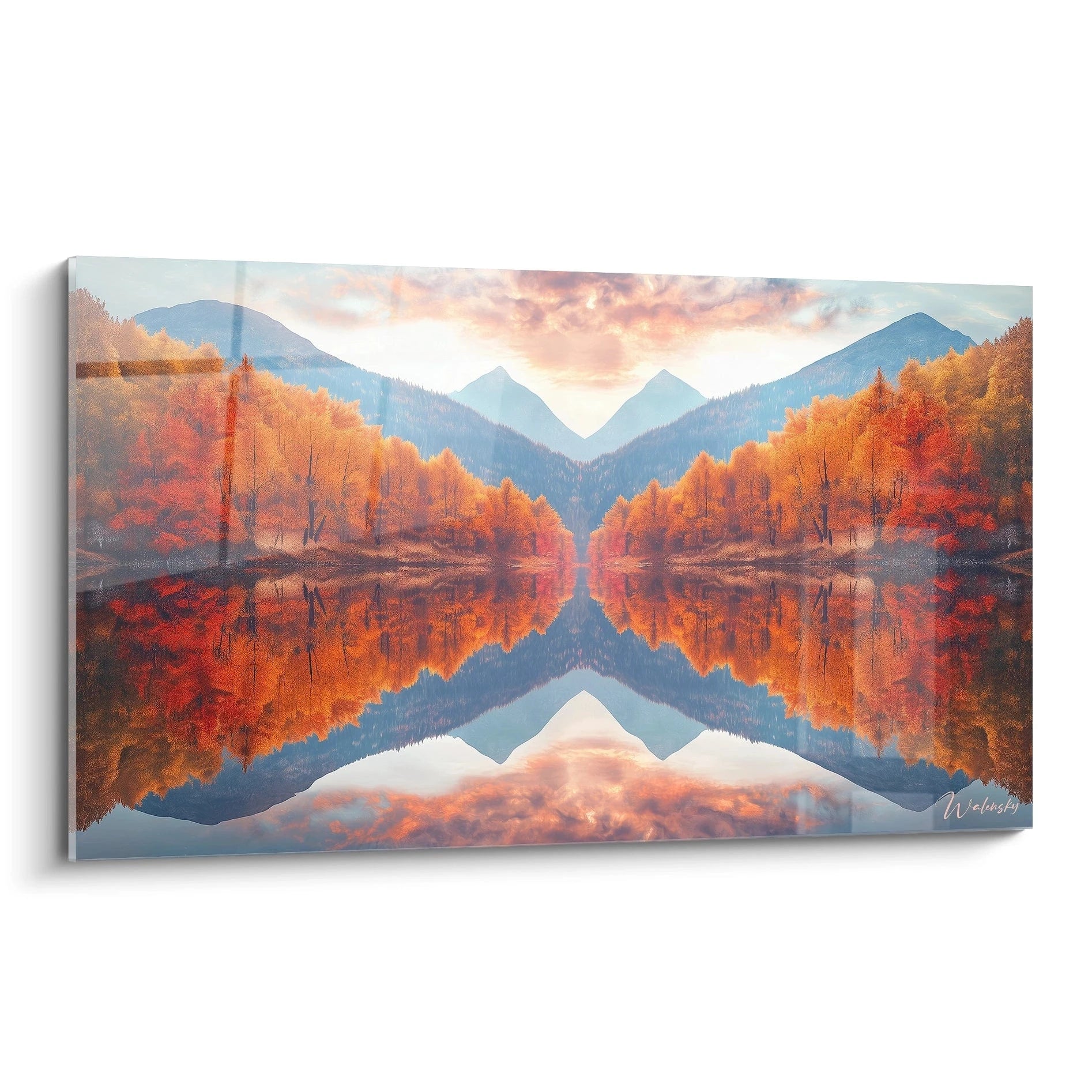






The Best Tips for Decorating with an Abstract Painting
11 October 2025 · 17 min read · by Walensky
Introduction to Abstract Art: Why Choose an Abstract Painting?
Abstract art, characterized by the absence of figurative representation, evokes fascination and questioning. Unlike more traditional artistic styles, it focuses on the expression of emotions, shapes, and colors, opening up an infinitely personal field of interpretation. Choosing an abstract painting to decorate a space is not just an aesthetic decision; it’s also an invitation to explore new perspectives and create a unique atmosphere.
A Dialogue with the Imagination
Abstract paintings stimulate the imagination of each person. They allow for the evocation of various emotions, as they do not dictate a specific narrative or meaning. This type of art leaves room for the freedom to see what is felt, whether it’s an explosion of joy in vibrant hues or serenity in organic shapes. This intimate dialogue between the artwork and its observer makes abstract paintings a perfect option for those who want a personal connection with their decoration.
Artistic and Aesthetic Versatility
Abstract works integrate harmoniously into various interior design styles, whether it’s a minimalist, modern, or eclectic space. Their lack of a defined context gives them a rare flexibility, able to complement a neutral color palette or energize a white wall. They adapt to different dimensions, from small, discreet formats to large, imposing canvases.
A Contemporary Atmosphere
Abstract art, often associated with the avant-garde, brings a contemporary touch to any interior. By choosing an abstract painting, you introduce a work that evokes a spirit of innovation and sophistication. This not only reflects an affirmed artistic taste but also demonstrates an awareness of modern trends.
An Artistic and Emotional Investment
Each abstract painting is a unique piece, and many of them are considered investments in their own right in the art world. Furthermore, they create emotional value, acting as a focal point that sparks discussion and admiration, indelibly marking a room.
Understanding the Emotions and Symbolism Behind Abstraction
Abstract paintings, often perceived as enigmatic or subjective, transcend a simple visual representation to convey raw and profound emotions. They are created to stimulate the imagination and allow for personal interpretation, making them unique and dynamic. Behind each brushstroke and each color choice lies an intention, an emotion, or even a strong symbolism that can enrich a space and spark intriguing conversations.
Abstraction is distinguished by its ability to evoke feelings without being limited by the constraints of physical reality. Rather than representing recognizable objects, artists work with shapes, textures, and colors to express complex ideas or emotional states. For example, warm and saturated tones such as red or orange can invoke passion or energy, while cool shades such as blue or green can inspire serenity and introspection.
Understanding fundamental symbolism can help to better choose a work that resonates with a specific personality or space. Here are some common elements that influence the emotion conveyed by an abstract painting:
- Colors: Each shade communicates an emotion, whether it is soothing, vibrant, or provocative.
- Shapes: Fluid lines generally induce a feeling of softness, while angular shapes convey strength or tension.
- Textures: A rich or impastoed material adds a tactile dimension that accentuates emotional depth.
When an abstract painting is integrated into a decor, it becomes not only an aesthetic element, but also a source of emotional connection. These works have the power to captivate with their mystery and evolve in their meaning according to each person's perspective.
Essential Criteria for Selecting an Abstract Painting
When choosing an abstract painting to decorate a space, several criteria should be considered to ensure visual and emotional harmony. The selection should not only be based on personal preferences, but should also take into account the overall ambiance of the room and the desired effect.
1. Dimensions and Available Space
The choice of painting begins with a precise assessment of the dimensions. A format that is too large can overwhelm the space, while a painting that is too small may go unnoticed. It is important to measure the wall in question and visualize the impact of the painting in its environment. Large works are suitable for example for spacious walls, while several small frames can compose a gallery in a reduced space.
2. Color Palette
Color harmony is an essential criterion. An abstract painting should ideally complement the color palette of the room without clashing with it. Neutral tones integrate easily into different decorative styles, while vibrant or contrasting hues can become dynamic focal points. The goal is to create a balance between the colors of the painting and those of the furniture, rugs, or curtains.
3. Style and Emotion Conveyed
Each abstract painting conveys a particular energy or emotion, whether it is soothing, stimulating, or intriguing. It is advisable to choose a work in line with the desired atmosphere in the room. For example, fluid shapes and soft colors are suitable for a relaxing bedroom or living room. On the other hand, bold compositions and marked contrasts enrich modern or industrial spaces.
4. Consistency with the Decorative Style
The artwork should integrate into the overall design of the room. In a minimalist interior, a painting with a clean design prefers simple lines and subtle tones. Bohemian or eclectic decors, on the other hand, allow for more freedom and wonderfully welcome works with complex patterns and rich colors.
5. The Frame or the Absence of a Frame
The choice of frame plays a predominant role in the final effect. A classic or modern frame can emphasize the artwork and harmonize with the decor. However, a framed painting, simply stretched on canvas, emphasizes the abstraction itself and often adapts to contemporary interiors.
6. The Quality of the Artwork
Particular attention should be paid to the quality of the materials and the execution. An authentic canvas artwork, for example, offers a texture and depth that often surpasses printed reproductions. This criterion is all the more important when it comes to an artistic investment.
These criteria, combined with personal reflection, contribute to finding the ideal artwork that naturally integrates into the space while reflecting aesthetics and personality.

Favorite
Golden and gray explosion painting on white background - Radiant burst - Abstract modern edition
233,90€
Discover this paintingChoose the Right Location for a Strong Visual Impact
The placement of an abstract painting plays an essential role in how it transforms a space. A work, however captivating, can lose its effect if it is poorly positioned. It is therefore crucial to identify strategic zones for optimal visual impact while taking into account the proportions and specificities of the room.
Adapt the artwork to the available space
The ideal location should allow the painting to breathe and be fully appreciated. It is recommended to:
- Respect the proportions : A small artwork can get lost on a large wall, while an imposing painting could make a small space oppressive.
- Avoid clutter : Installing an abstract painting in an area overloaded with decorative objects risks diluting its visual effect.
Focus on focal points
An abstract painting thrives in strategic spaces that attract the eye, such as:
- The main wall of a living room : Above a sofa or fireplace, it becomes the center of attention.
- An entrance wall : A well-placed painting immediately sets the artistic tone of the house.
- The space above a piece of furniture : Placed above a buffet or bed, it creates a harmony between the artwork and the furniture.
Consider the light
Light plays a key role in highlighting artworks. Adequate lighting, whether natural or artificial, will accentuate colors and textures. The artwork should not be exposed directly to bright light to avoid distracting reflections or potential fading.
Consider the hanging height
Hanging at the right height is crucial for comfortable viewing. Ideally, the center of the artwork should be at eye level for an average adult, approximately 1.5 meters from the floor. This rule ensures a visual balance in the room.
Finally, carefully considering the placement contributes to highlighting not only the artwork, but also the entire space it occupies.
— Our selection


Harmonize Your Interior with the Artwork's Colors
Choosing an abstract artwork that integrates perfectly into your interior requires particular attention to colors. The colors of an artwork can complement or contrast those of your space, thus dictating a specific atmosphere.
Identify the dominant color palette of your room
First, observe the main existing tones in the room: walls, furniture, textiles, and decorative accessories. Take into account the dominant and secondary colors. For example, if your living room is dominated by neutral tones like beige or gray, a painting with soft pastel tones can reinforce this harmony. Conversely, if you want to create a contrast, opt for a vibrant piece with rich color accents like red, blue, or orange.
Play with shades and contrasts
When choosing an artwork, it is possible to play with different shades. You can:
- Repurpose a color present in the space to reinforce visual unity.
- Create a focal point with a contrasting color, avoiding overloading the whole with too many disparate tones.
- Mix warm and cool tones, but in a balanced way, to establish a feeling of harmony.
Rely on the psychology of colors
Colors influence emotions. Warm tones like red and yellow bring energy and dynamism, while cool tones like blue or green promote serenity. When choosing an abstract artwork, consider the atmosphere you want to create in each room.
Tip: Lighting also plays a crucial role. Test the artwork's colors under different natural and artificial lighting conditions before finalizing your choice.
By focusing on these aspects, it becomes evident that an abstract artwork can not only decorate but also enhance your interior.
Play with Proportions and Dimensions to Balance the Space
When decorating with an abstract artwork, mastering proportions and dimensions is essential to visually balance the space. A disproportionate artwork can disrupt the harmony of a room, while a well-dimensioned work amplifies its appeal and complements the overall arrangement.
Consider the size of the artwork in relation to the wall
One of the first steps is to evaluate the size of the artwork in relation to the wall where it will be hung. A large room requires a sufficiently imposing artwork to avoid appearing insignificant. Conversely, a smaller space will benefit from a more modest work to avoid visual overload. The 2/3 proportion rule is often highlighted: the artwork should occupy approximately two-thirds of the width of the furniture or surface below it, such as a console or sofa.
Play with shapes and formats
The choice between a vertical or horizontal artwork depends on the shape of the available wall space. A vertical artwork can accentuate the height of a wall, creating an impression of elegance and space, while a horizontal artwork gives a feeling of width and balances long walls. Triptychs and multi-panel compositions offer an interesting alternative, allowing proportions to be adapted dynamically.
The impact of borders and framing
The frame also influences the perceived dimensions. A wide frame can weigh down a small artwork, while a minimalist frame or the complete absence of a frame highlights the artwork itself without overwhelming the space.
Finally, it is important to ensure sufficient spacing around the painting so that it can shine without being cluttered. This contributes to a harmonious arrangement and allows the entire interior decoration to breathe.
— Also to discover


Creating a Visual Focus with an Abstract Painting
An abstract painting is a powerful tool for attracting attention in a space and establishing a distinct visual focal point. When carefully chosen and placed, it harmonizes the entire decor while immediately capturing the eye.
Choosing the ideal painting
To create an effective visual focus, it is crucial to select an abstract painting that stands out through its colors, texture, or composition. Large-scale works, with bold tones or marked contrasts, can transform a neutral wall into a true centerpiece. However, it is essential to consider the dimensions of the space. A painting that is too small may go unnoticed, while a disproportionate painting may visually overwhelm the room.
Strategic placement
The position of the painting strongly influences its ability to retain attention. Installing the painting in the center of an empty wall or above key furniture, such as a sofa or fireplace, naturally guides the eye and structures the room. It is recommended to place the artwork at eye level to optimize its impact, especially in living or reception areas.
Color harmony
The tones of the abstract painting should harmonize with the color palette of the room, without blending into the decor. A canvas in complementary or contrasting shades can create an interesting balance. For example, a vibrant painting in a room dominated by neutral tones injects vitality and dynamism.
Additions and lighting
Adequate lighting amplifies the visual effect of the abstract painting. Directional lighting, such as track lights or wall spotlights, can accentuate the textures and tones of the artwork. Completing the painting with decorative elements, such as plants or subtly matching furniture, further reinforces its role as a central point.
Mixing Abstract Style with Other Decoration Genres
Combining an abstract painting with other decoration styles can transform a space, creating a harmonious balance or a striking contrast. The versatility of abstract art allows it to be integrated into a variety of decors, whether they are modern, industrial, classic, or bohemian.
1. Combining Abstract with Minimalist Style
An abstract painting can perfectly complement a minimalist design. With its clean lines and generally contemporary palette, abstract art adds a vibrant and aesthetic focal point while respecting the simplicity of the environment. For maximum impact, it is advisable to choose a work with bright colors in a primarily monochrome room.
2. Integrating into a Classic Decoration
For a traditional or classic decor, an abstract painting can act as a striking element. The combination of solid wood furniture, Persian rugs, and ornate details with a modern abstract artwork brings a touch of freshness and modernity. This breaks the formal appearance without altering the overall elegance.
3. Mix with a Bohemian Ambiance
In a bohemian setting, layered textures, eclectic patterns, and earthy tones blend remarkably well with abstract art featuring organic shapes. Opting for works inspired by nature or neutral colors allows for a harmonious integration of both styles.
4. Contrast with an Industrial Design
Industrial spaces, often characterized by raw materials such as concrete or metal, lend themselves particularly well to mixing with colorful abstract paintings. This contrast immediately catches the eye and softens the austerity of the industrial elements.
With a thoughtful strategy, abstract art can establish itself as a visual enrichment tool capable of adapting or standing out in all types of interiors.

Lighting and Highlighting the Details of an Abstract Painting
Lighting plays a primordial role in highlighting an abstract painting. It not only reveals the textures and nuances of colors, but also captures attention on the subtle details of the work. A good choice of lighting can transform the visual impact of a painting and strengthen its role in the decor of a room.
Choosing the right type of lighting
It is essential to choose suitable lighting to sublimate an abstract painting. Here are some effective options:
- Direct lighting with spotlights or directional lamps : Allows to concentrate the light on the painting, thus emphasizing the textured or relief details.
- Dim LED lighting : An energy-efficient technology that offers uniform and soft light to preserve the colors of the painting.
- Natural lighting : The use of daylight, if well managed, can make the colors of an abstract painting even more vibrant.
Orientation and intensity
The orientation of the light is crucial. An angle of about 30 degrees is often recommended to avoid unpleasant reflections and shadows that are too marked. In parallel, it is relevant to adjust the light intensity according to the needs of the work. Too intense light could crush the subtleties of the painting, while too weak lighting would risk tarnishing it.
Playing with contrasts
To optimize the visual impact, it may be interesting to integrate light contrasts in the room. For example, combining a weaker lighting in the environment with a focused light on the painting allows to highlight it as a centerpiece of the decoration.
« Lighting is, in essence, the tool that sculpts visual art in space. »

Other selected pieces
Painting Red and Yellow Samurai in the Sun - Return of the Warrior - Artistic Edition abstract
233,90€
Discover this painting →Mistakes to Avoid when Using an Abstract Painting to Decorate
Choosing an abstract painting to enhance a space is an artistic and personal endeavor. However, certain frequent mistakes can compromise the visual impact and harmony of your interior decor. Here are the main ones to avoid to get the most out of your artwork.
1. Ignoring Proportions and Dimensions
A poorly proportioned abstract painting can unbalance the space. A work that is too small might go unnoticed, while an oversized painting could risk overwhelming the room. It is essential to measure the available space and consider the surrounding furniture before making a choice.
2. Neglecting Color Coherence
An abstract painting whose colors clash with your existing palette can devalue the overall arrangement. It is advisable to integrate complementary or harmonious shades to create a unified atmosphere. This does not mean that contrasts are to be banned, but their use should be considered.
3. Placing the Artwork in the Wrong Place
Installing an abstract painting at the wrong height or in a poorly lit location can impair its visibility and impact. As a general rule, the artwork should be positioned at eye level and benefit from appropriate lighting, whether natural or artificial.
4. Overloading the Space with Too Many Elements
Hanging an abstract painting in a room already saturated with decor can reduce its effect. Abstraction requires space to fully express itself. Ensure that the artwork has a wall or relatively clear space to maximize its visual impact.
5. Ignoring the Overall Style of the Decor
An abstract painting that does not match the style of the room can clash. A minimalist interior prefers streamlined works, while a classic decor might require a more subtle piece. Always ensure that the chosen abstraction integrates harmoniously.
Respecting these points will help to better showcase the artwork, while ensuring aesthetic harmony in the decorated interior.
How to Personalize Your Decor with Abstract Art
Abstract art offers a unique opportunity to add a personal touch to your interior decor. Due to its diversity of colors, shapes, and textures, it allows it to adapt to different styles and tastes. Choosing the right abstract piece can transform an ordinary room into a sophisticated and meaningful space.
1. Choose colors that match the desired atmosphere
The colors of an abstract work play an essential role in personalizing your decor. Warm tones like red or orange can add energy and warmth to a room, while cool shades like blue and green evoke serenity. It is advisable to select a work whose colors harmonize with those of your furniture or to use a contrasting piece to create an interesting visual effect.
2. Consider the dimensions of the space
The proportions of the selected abstract art must be adapted to the size of your room. A large canvas can become the centerpiece in a spacious living room, instantly attracting the attention of visitors. Conversely, smaller formats are better suited to modest spaces or wall compositions where several works can coexist.
3. Play with frames and arrangement
Although abstract art is often presented without a frame, adding modern or minimalist borders can amplify its integration into your space. Furthermore, the arrangement on the wall — vertical, horizontal, or in a gallery — contributes to defining the visual character of your decor. It is useful to experiment with several configurations before fixing the paintings.
Tip: Proper lighting can enhance the textures and subtle details of artworks, giving them a new dimension.
4. Incorporate your personal inspirations
Abstract art allows you to express aspects of your personality. A work created by a local artist or inspired by themes that are dear to you will bring an authentic narrative to your decor. This gives you the opportunity to create a deeply personal and welcoming environment.
Investing in abstract art to personalize your interior promotes a decoration that is both aesthetic and emotional. The choice and placement of a work should reflect your emotions and desires, while remaining consistent with the surrounding space.
Conclusion: Abstract Art as an Expression of Your Style and Personality
Integrating an abstract painting into a living space is not simply about aesthetics. It is a unique opportunity to reveal a part of one's identity and individuality through the universal language of art. Unlike other more figurative forms of art, abstract art is distinguished by its ability to evoke the imagination of each viewer in a subjective and personal way. This quality gives it a central role in interior decoration, as a reflection of tastes, emotions and even beliefs.
Choosing an abstract painting to decorate a room involves having a vision that goes beyond colors and shapes. It is a process based on the harmony between art, space and the people who will live there. Whether it is a painting with intense and dynamic colors to evoke energy and passion, or a work with soft and soothing tones to create an atmosphere of serenity, each choice reveals specific traits of your personal style.
It is also important to note how abstract art fits into different spaces and contexts. In a minimalist setting, a bold piece can become the focal point and give character to the environment. Conversely, in an atmosphere rich in textures and details, a subtle abstract painting can unify the space subtly and elegantly.
Thus, beyond their decorative dimension, abstract paintings act as vehicles of expression, where each stroke, each hue and each composition becomes a gateway to the unique personality of those who choose to introduce them into their homes.
Frequently Asked Questions
How to choose the size of an abstract painting for your wall?
Measure the wall before making any purchase and visualize the effect of the painting in its environment. A format that is too large overwhelms the room, a format that is too small goes unnoticed. Large works are suitable for spacious walls, while several small frames compose a pretty gallery in a reduced space.
Where to hang an abstract painting in the house?
Prioritize spaces that naturally attract the eye: the main wall of the living room, above a sofa or fireplace, where the work becomes the center of attention. A hallway wall sets the artistic tone upon arrival, and the space above a sideboard or bed creates a harmony with the furniture.
What colors of abstract painting for a relaxing bedroom?
For a relaxing atmosphere, opt for fluid shapes and soft colors, which are well suited to a bedroom or living room. Cool shades like blue or green inspire serenity and introspection, while warm and saturated tones, red or orange, evoke passion and energy.
Should an abstract painting have a frame?
Both options work well. A classic or modern frame highlights the artwork and harmonizes it with the decor. Conversely, a painting without a frame, simply stretched on canvas, emphasizes the abstraction itself and is particularly well suited to contemporary interiors.
Explore our collections


