



Animal Decor: Transform Your Walls with Art
11 October 2025 · 17 min read · by Walensky
Introduction: Animal Art, A Timeless Trend
Animal art has always held a prominent place in the artistic and decorative landscape. This artistic movement, which celebrates the beauty, majesty and diversity of the animal kingdom, transcends eras without losing its relevance. Animal representations, whether figurative or stylized, evoke both a deep connection with nature and an imagination imbued with symbolism.
In the 18th and 19th centuries, animal art flourished with artists such as Rosa Bonheur or Sir Edwin Landseer, who captured in their works the nobility of animals, revealing their soul and personality. Today, this tradition is evolving in various forms, from classic paintings to minimalist contemporary creations. The message remains universal: a recognition and celebration of the interconnectedness between humans and animals.
In interior decoration, artworks featuring animals take on a particular dimension. They add character, tell a story and often reflect the tastes and values of the occupants. These works are integrated into various styles:
- Naturalistic illustrations, ideal for an interior inspired by nature.
- Abstract creations, which allow for free interpretation and modernize spaces.
- Exotic representations, perfect for adding a touch of travel and escape.
Supported by the diversity of materials, techniques and creative approaches, animal paintings blend harmoniously into all kinds of environments. Whether for a bohemian, minimalist or classic atmosphere, they captivate and evoke emotion while transforming walls into living art galleries.
Why Choose Animal Art?
Choosing animal paintings to decorate your walls offers a unique combination of style and symbolism. These artistic works easily integrate into various types of interiors while bringing a touch of personality and connection with nature. Whether for a modern living room, a cozy bedroom or a professional office, animal paintings can enrich the atmosphere while captivating attention.
A Diversified Artistic Expression
Animal paintings are available in a multitude of styles, such as realism, abstract art, watercolor, or pop art. This allows everyone to find a work that reflects their tastes and harmonizes with their space. Hyperrealistic paintings of a tiger in its natural habitat or abstract representations of birds in flight, for example, can become powerful focal points in a room.
A Meaningful and Symbolic Emotional Connection
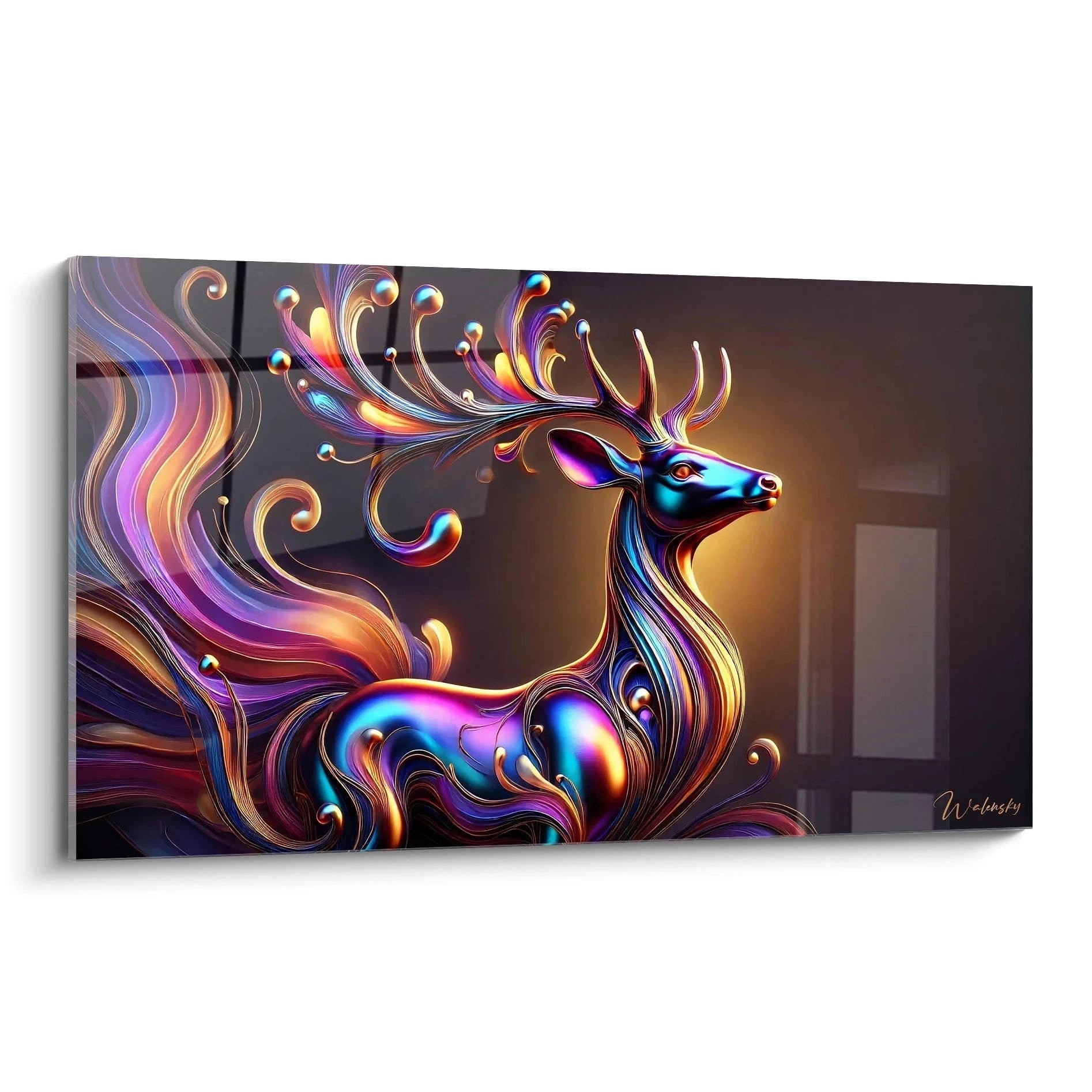
Animals are steeped in cultural and spiritual symbolism. A painting depicting a lion can symbolize strength and courage, while a deer evokes serenity and elegance. Displaying animal art allows you to convey emotions and tell stories through aesthetic choices.
A Connection with Nature
In a world where urban life predominates, introducing animal paintings into your home fosters a sense of proximity to wildlife. Whether it's an illustration of wildlife or more familiar creatures like cats or dogs, these works bring a natural, soothing, and timeless touch.
A Decorative Flexibility
Animal paintings harmonize with different decorative schemes. They can be placed alone as a centerpiece or combined in a gallery wall for a more artistic effect. Their variety of formats, colors, and materials allows for complete personalization, whether the wall is monochrome or richly textured.
Animal paintings are therefore not only decorative elements, but also windows open onto emotion, art, and nature.
The Different Styles of Animal Decoration
Wall decoration inspired by the animal kingdom comes in several captivating styles, each bringing a unique atmosphere to your interior. These artistic creations allow you to explore various visual expressions, while offering a personal and bold touch to any space.
1. The Realistic Style
Realism highlights the meticulous details and precision of animal illustrations. Paintings, photographs, or drawings in this style captivate with their authenticity and ability to faithfully reproduce the texture of fur, feathers, or scales. Perfect for those who appreciate a nature-true aesthetic.
2. Abstract Art
For a modern and offbeat design, abstract art interprets the contours and characteristics of animals in a bold way. Here, geometric shapes, vibrant colors, and unconventional patterns transform animals into visual icons. This style energizes minimalist or contemporary spaces.
3. Black and White
Black and white, timeless and versatile, offers a touch of elegance to your walls. Whether it's sketches or monochrome photographs, this style emphasizes contrast and shapes. It is perfectly suited to sophisticated and refined interiors.
4. Minimalism
Minimalism relies on simple lines and discreet compositions. Animal paintings in this style prioritize the essentials, using few colors or details to convey their message. This choice is ideal for zen and modern spaces.
5. The Whimsical Style
Finally, whimsical representations transform animals into dreamlike or caricatured figures. Illustrations full of pastel colors, naive drawings, or playful scenes will delight lovers of creativity and originality, while lightening the atmosphere of a room.
Each style responds to different tastes and atmospheres, allowing animal decoration enthusiasts to find the perfect option to personalize their walls.

How to Choose an Animal Painting That Suits Your Interior
When selecting an animal artwork to complement a space's decor, several key factors must be considered. The choice should not be limited to a simple aesthetic preference; it should also harmonize with the style, colors, and overall ambiance of the room.
Consider the style of your interior
First and foremost, stylistic harmony is essential. If the interior adopts a minimalist decor, a modern and streamlined animal artwork with neutral tones will integrate perfectly. For a rustic or bohemian ambiance, representations of animals in oil paint or on wood bring a welcome warmth. Contemporary interiors, on the other hand, can benefit from abstract or graphic paintings with bold animal motifs.
Choose the right dimensions
Proportions play a major role in choosing a painting. A large painting can become a focal point in a spacious living room or above a sofa, while a smaller painting will be better suited to an entrance or reading corner. As a general rule, it is important to respect a visual balance to avoid the artwork dominating the space excessively or disappearing within it.
Analyze the color palette
The painting's color palette should harmonize with the tones already present in the room. For example: in a space with soft tones like beiges or light grays, an animal artwork with similar shades will reinforce the coherence. Conversely, a white room can accommodate a colorful work to create a dynamic contrast.
Think about the desired atmosphere
Each animal representation evokes a certain energy. Birds can convey a sense of freedom and elegance, while a tiger or a wolf will express strength and boldness. It is important to choose the subject based on the atmosphere you want to create. This amplifies the visual effect while reinforcing the identity of the space.
Consider the materials and finishes
Finally, the materials used in the artwork's design also influence its aesthetic rendering. Canvas prints offer a modern and subtle look, while a wooden or metal frame can add a classic or industrial touch. A painting with textured details will bring more depth, creating a captivating focal point.
By considering these different aspects, it becomes easier to choose an animal artwork that is perfectly in harmony with your interior.
— Our selection


Materials and Techniques: Painting, Print or Engraving?
The choice of materials and techniques plays an essential role in the creation and visual impact of animal paintings for wall decor. Each method brings its own aesthetic and unique charm, allowing to meet different styles and preferences.
Paintings: A Unique Handcrafted Work
Paintings offer an authentic and artisanal touch. Handcrafted, they guarantee unique pieces. This technique often uses oil paints for deep textures and vibrant details, or watercolors for an incomparable softness and lightness. These works are perfect for those seeking an artistic and timeless atmosphere.
An oil painting depicting a majestic lion or an elegant flamingo can become the focal point of a room thanks to its artistic power.
Prints: A Blend of Practicality and Modernity
Prints, made using high-resolution printers, allow for faithful reproduction of details and color nuances. Ideal for collections with varied designs, this process is economical and popular. Canvas prints offer an illusion of traditional painting, while aluminum printing brings a contemporary and minimalist touch.
- Canvas Print : ideal for a natural and matte finish.
- Aluminum Print : for a smooth effect and vibrant colors.
Engraving: A Refined and Textured Aesthetic
Engraving, whether on wood, metal, or glass, combines craftsmanship and sophistication. This technique, often used for stylized or abstract motifs, imparts a textured and timeless effect. Wood engravings evoke a natural and rustic connection, while metal engravings bring an industrial and modern style.
Thanks to a variety of techniques and materials, each wall mural can adapt to the atmosphere of the space it adorns. Owners can thus align their choices with their personality or with the overall style of their interior.
Featured Animals: Wild, Domestic, and Mythical
Animals are a timeless source of inspiration for wall decor. They breathe soul and distinct energy into the spaces they inhabit, offering a range of aesthetic possibilities depending on whether they are wild, domestic, or mythical. The choice of these representations can transform a room into a true artistic sanctuary.
Wild Animals: A Touch of Raw Nature
Works of art featuring wild animals bring a deep connection with nature and a sense of adventure. Lions, elephants, tigers, or exotic birds such as flamingos and parrots, symbolize strength, elegance, and exoticism. These paintings can be used to create a striking contrast in a modern living room or to accentuate a bohemian-chic style.
Domestic Animals: A Familiar Sweetness
Representations of domestic animals, such as dogs, cats, or horses, exude warmth and conviviality capable of transforming any interior into a welcoming place. These paintings evoke familiar and comforting emotions. They are ideal for living spaces such as bedrooms or personal offices, often adding a playful and personalized touch.
Mythical Animals: A Fantastic Dimension
Mythical creatures such as unicorns, dragons, or phoenixes breathe an air of mystery and magic. These fantastic figures embody dreams and legends, adding a unique dimension to wall decor. Paintings of this kind are often prized in children's rooms or in artistic spaces, where imagination reigns supreme.
Whatever animal is chosen, these paintings serve a dual purpose: to visually enrich the space while reflecting personal sensibilities.
— Also to discover


Create a Wildlife-Inspired Gallery Wall
A wildlife-inspired gallery wall is a captivating way to transform any space using artworks centered on animals. This trend combines the beauty of nature with sophisticated interior design, while allowing for infinite personalization to reflect a unique style.
Step 1: Select Varied Works of Art
To begin, choose a range of artworks that illustrate the animalworld. This may include:
- Figurative paintings showcasing wildlife such as lions, elephants, or owls.
- Black and white photographs capturing intimate moments in the animal kingdom.
- Modern or abstract illustrations that interpret animal forms in an artistic way. A mix of styles and formats (large pieces, smaller works) offers visual richness and a captivating contrast.
Step 2: Choose a Consistent Color Palette
Prioritize a palette that complements the existing decor while highlighting the details of the artworks. For example:
- Neutral or earthy tones, such as beige and brown, pair perfectly with images of natural fauna.
- Golden or metallic accents add a touch of elegance when accompanying paintings depicting birds or exotic animals.
Step 3: Plan a Harmonious Layout
Before hanging your paintings, test different compositions on the floor. An asymmetrical arrangement can evoke a dynamic energy, while a symmetrical approach creates a more balanced and formal ambiance. Ensure that the artworks are spaced evenly to avoid visual clutter.
Step 4: Add Complementary Elements
To reinforce the theme, integrate a few decorative details:
- Sculpted objects such as wooden or metal animal figurines.
- Frames made of natural materials, such as bamboo or rattan, for an organic aesthetic. This type of layering adds another dimension while amplifying the visual harmony of the wall.
Creating an animal-inspired gallery wall allows you to transform a room while paying homage to the beauty of the animal world.
Pairing Animal Paintings with Other Decor
When it comes to wall decor, choosing an animal painting goes beyond the artwork itself. Associating these pieces with other decorative elements requires thoughtful harmonization to create visual balance and a refined atmosphere in the space.
Play with colors and textures
An animal painting can become the focal point of the room if it integrates harmoniously into the existing color palette. If the artwork depicts an animal in neutral tones, such as black, white, or beige, it is advisable to pair it with accessories in similar shades to maintain a soothing harmony: rugs, cushions, or discreet vases. Conversely, paintings vibrant with color, such as a depiction of an exotic parrot or tiger, pair well with complementary colored elements, such as curtains or boldly toned lighting fixtures.
Mix decorative styles
Associating animal paintings with various styles allows you to create captivating and balanced interiors. For example, a minimalist deer drawing on canvas combines perfectly with Scandinavian decor featuring clean lines and natural materials. In an industrial interior, a painting depicting a wild animal, such as a wolf or lion, can be enhanced by metal furniture and raw wood finishes.
Add complementary elements
To reinforce an animal theme, adding decorative accessories with motifs or textures inspired by nature is an excellent option. Leopard-print cushions, zebra-patterned rugs, or lush green plants extend the effect of the painting and create a cohesive ensemble. However, it is essential not to overload the space to avoid an excessively thematic rendering.
Consider the lighting
Finally, lighting plays a key role. A wildlife painting, whether classic or contemporary, requires appropriate lighting to highlight its details and colors. A wall sconce or a directed spotlight can accentuate the painting, while also contributing to the overall atmosphere of the room.

Tips for Maintaining and Preserving Your Wall Art
To preserve the beauty and charm of wildlife paintings adorning your walls, regular and adequate maintenance is essential. Wall art, especially those made of delicate materials such as canvas or paper, require careful care to ensure their durability over time.
1. Preserve the ideal location
The choice of location plays a key role in the preservation of paintings.
- Avoid exposing your wall art to direct sunlight, as UV rays can cause colors to fade.
- Maintain a sufficient distance from heat sources, such as radiators, which could damage the materials.
- Prefer low-humidity areas to prevent the formation of mold or deformation on the surface of the canvas.
2. Clean with care
Cleaning is an important step to preserve the brilliance of your paintings.
- Gently dust with a dry microfiber cloth to avoid scratches.
- Avoid using chemicals or water on painted or printed works.
- In case of stubborn stains, prefer the intervention of a professional to prevent irreversible damage.
3. Framing and protection
A quality frame can extend the life of your paintings.
- Invest in a frame with UV-resistant glass for extra protection against fading.
- Make sure the back of the frame is well sealed to prevent dust and insects from entering.
- Opt for secure hanging systems to prevent accidental falls.
4. Periodic inspection
Regularly inspect your paintings for signs of wear. Addressing quick maintenance can help correct minor degradation before it worsens.

Other selected pieces
Painting Tortue force tranquille - terrestrial turtle edition
213,90€
Discover this artwork →Emotional and Symbolic Impact of Animal Paintings
Animal paintings transcend their decorative role to convey deep emotions and varied symbols, thus influencing the atmosphere of the spaces they occupy. Each animal representation carries within it meanings related to culture, beliefs, or human psychology, creating a unique impact on the viewer.
Some animals embody universal traits. Lions, for example, often symbolize royalty, power, and courage. Incorporating a painting depicting this majestic predator can give a room an atmosphere of strength and ambition. Conversely, birds, such as hummingbirds or swallows, introduce notions of hope, freedom, and lightness, ideal for bringing a soothing energy to a living room or meditation space.
The emotion evoked by these works is not limited to universal symbols. The way artists capture expressions, posture, or even the texture of fur or feathers can create a personal connection with viewers. For example, a painting of a dog with a loyal gaze can evoke loyalty and friendship, particularly touching animal lovers. These artistic details often elicit an immediate and instinctive emotional response.
The choice of colors and backgrounds in these paintings also complements their impact. An animal presented in warm tones, such as orange or gold, refers to vitality and energy, while cool shades, such as blue or gray, evoke serenity and introspection. Finally, the strategic placement of these paintings can reinforce their symbolic message, transforming them into true visual souls of the walls they occupy.
Where to Buy Quality Animal Paintings
To acquire high-quality animal paintings, several options are available to decoration enthusiasts. Whether you prefer local craftsmanship, online commerce, or art galleries, it is essential to know where to look to find unique works adapted to every interior space.
1. Specialized e-commerce sites
Online platforms specializing in wall decoration, such as Etsy or Made in Design, offer a wide range of animal paintings. These sites often showcase independent artists, offering original and varied creations. Some of them also allow for custom impressions, an ideal option for an interior that reflects a personal touch.
2. Local art galleries
Local galleries represent an excellent opportunity to buy quality artworks. They allow you to support artists from the region while discovering unique pieces. Many contemporary artists incorporate animals into their representations, offering modern and captivating perspectives.
3. Craft markets and fairs
Craft markets or art fairs are often the preferred place to find animal paintingspainted by hand. These events allow you to interact directly with creators and better understand the story behind each work.
4. Art and design shops
Some stores specializing in art and design offer a beautiful selection of printed paintings and animal paintings. These stores offer carefully selected products, combining aesthetics and lasting quality.
Investing in an animal painting is not only a matter of decoration – it is also an act of valuing art. Shopping at reputable places often guarantees the authenticity and durability of each piece chosen.
Conclusion: Bring the Beauty of Nature into Your Home
Introducing animal paintings into an interior space instantly transforms the atmosphere while subtly connecting your walls to nature. These artistic pieces are more than just decorations; they bring a breath of life inspired by the wild world and an aesthetic depth that transcends fleeting trends.
Each choice of animal painting allows you to reflect a particular facet of personality, tastes, or even values. Whether it's the delicate lines of a bird in flight symbolizing freedom or the majestic bearing of a lion embodying strength, an animal painting becomes much more than a visual detail, but an element of individual story.
These works harmoniously integrate into different decorative styles. An oil painting of a fox pairs perfectly with a rustic or Scandinavian interior, while a black and white abstract interpretation of an elephant is ideally suited to a minimalist or modern ambiance. This provides great creative flexibility, allowing interior design to remain flexible and evolve over time.
The choice of materials, finishes, and colors also plays a key role in highlighting these animal artworks. A natural wood frame can accentuate the connection with nature, while a metal frame gives a more contemporary look. Whatever frame is chosen, animal paintings captivate with their emotional power and timelessness.
Incorporating wildlife-inspired works into your home is also a tribute to biodiversity and fosters a visual dialogue between nature and art.
Frequently Asked Questions
What styles of animal paintings are there?
Five mainly. Realism, precise down to the texture of fur and feathers. Abstract art, which transforms the animal into a visual icon. Black and white, elegant and contrasting. Minimalism, reduced to the essentials. And the whimsical, dreamlike or caricatural style, with pastel colors.
What animal painting for a minimalist interior?
A modern and refined work, with neutral tones, integrates best. For a rustic or bohemian ambiance, oil or wood representations bring warmth. A contemporary interior welcomes abstract or graphic paintings with bold animal motifs.
What does a lion or deer painting symbolize?
The lion evokes strength and courage, the deer serenity and elegance. Animals are full of cultural and spiritual symbolism, so hanging an animal artwork is like conveying an emotion and telling a story through an aesthetic choice.
Which painters marked the art of animal painting?
Rosa Bonheur and Sir Edwin Landseer, in the 18th and 19th centuries, affirmed the genre by capturing the nobility of animals, their soul and their personality. This tradition continues today, from classic paintings to minimalist contemporary creations, with a universal message.
Explore our collections


