

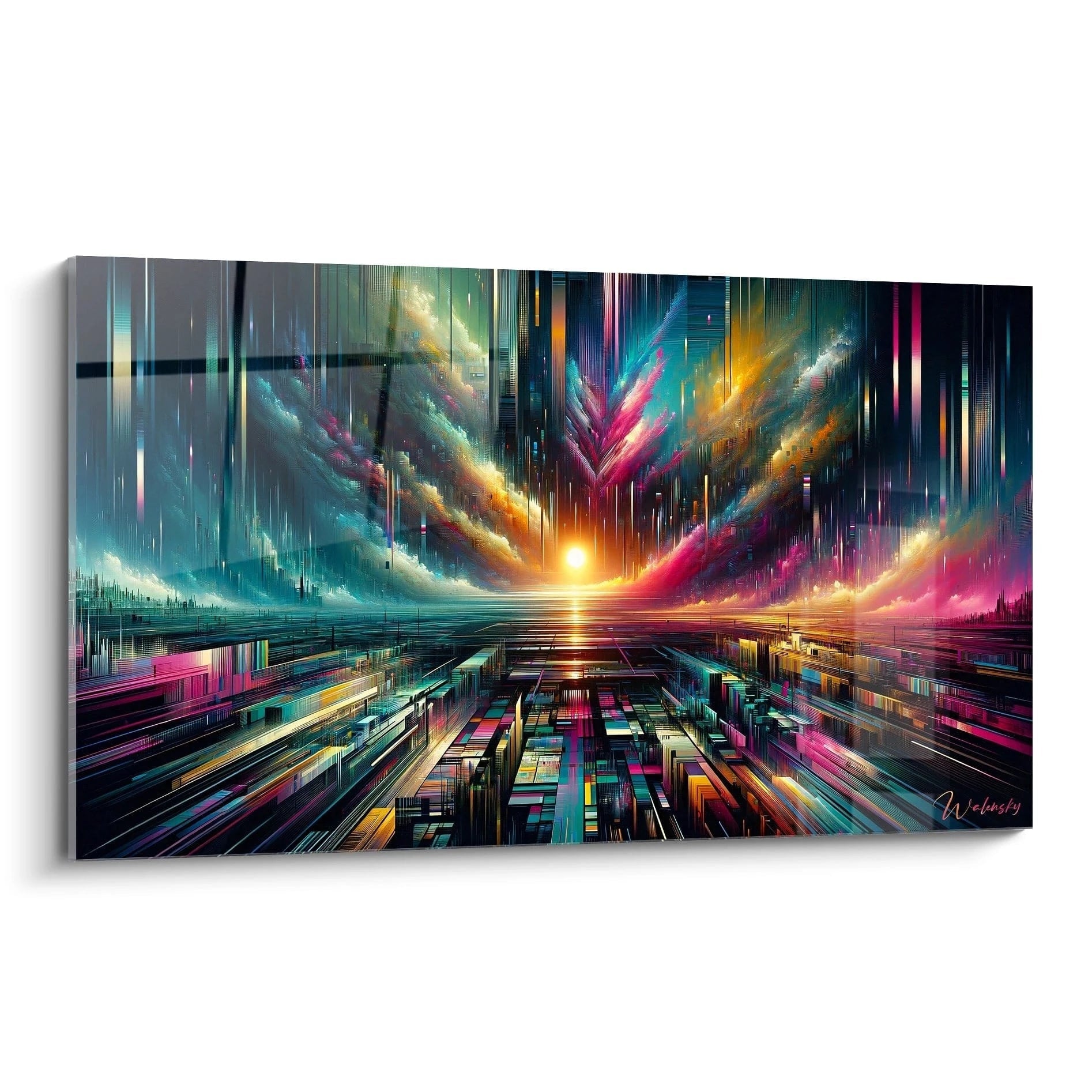
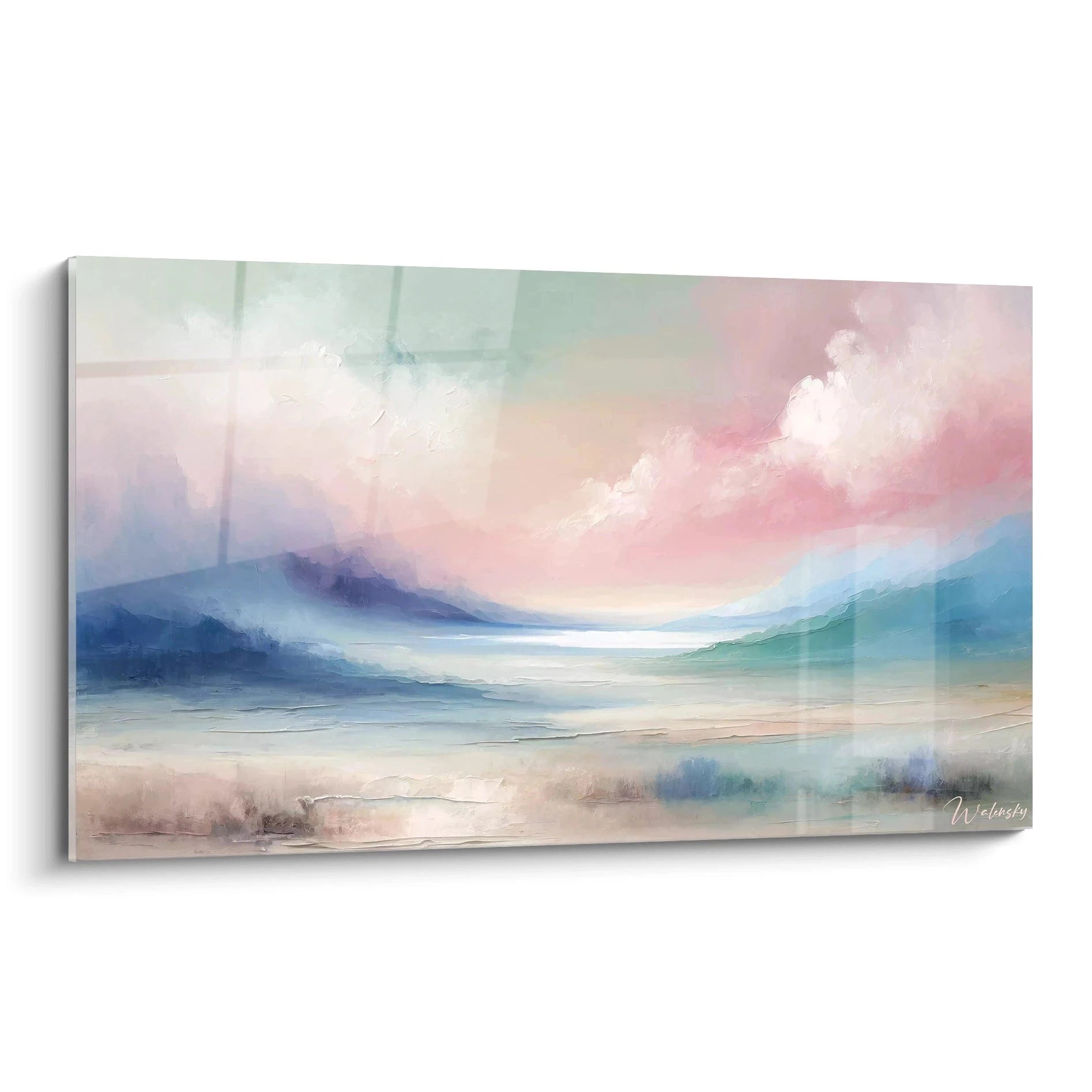

5 Tips for Choosing an Elegant and Modern Abstract Painting
October 11, 2025 · 14 min read · by Walensky
Understanding Abstract Art: Lines, Colors, and Emotions
Due to its non-figurative nature, abstract art invites the viewer to interpret shapes, lines, and colors without relying on a realistic or recognizable representation. It seeks to convey universal ideas, sensations, and emotions that transcend the limitations of figurative art. Understanding this aesthetic universe requires particular attention to the fundamental visual elements that compose the work.
1. Lines: Structure and Movement
Lines in abstract art play a key role in guiding the viewer's gaze or creating an internal dynamic within the work. They can be curved, straight, horizontal, or diagonal, each evoking a particular sensation. A curved line can inspire fluidity and softness, while a diagonal line can intensify energy and tension. The choice of lines often reflects the artist's intention and the emotion they wish to evoke.
2. Colors: Vibrations and Meanings
Color is often at the center of abstract art, its role being both expressive and symbolic. Vibrant palettes can evoke joy or exuberance, while neutral or dark tones can inspire reflection or melancholy. Certain shades may also have cultural or personal connotations, which reinforces the emotional impact of the work. The use of contrasts and harmonies plays a crucial role in capturing attention and provoking reflection in the observer.
3. Emotions: The Personal Interpretation
One of the most fascinating characteristics of abstract art is its ability to evoke different emotions in each individual. Unlike other forms of art, where themes are often explicitly defined, abstract art leaves room for the imagination and the subjectivity of the viewer. This freedom makes each experience unique, deeply connecting the work to the person contemplating it.
Abstract art is thus defined by its conceptual and visual richness, engaging both the senses and the intellect.
Define Your Style: Classic Elegance or Minimalist Modernity
When choosing an abstract painting, defining your personal style is a fundamental step. Two main orientations often predominate: classic elegance and minimalist modernity. These styles reflect both aesthetic preferences and a lifestyle, and the choice between the two can transform the ambiance of an interior with subtlety and refinement.
Classic elegance: a tribute to timeless sophistication
A classic style favors compositions with rich, deep colors like burgundy, gold, or navy blue. These works, often marked by harmonious contrasts and complex motifs, blend perfectly into spaces decorated with solid wood furniture, delicate lighting, or sumptuous textiles. Abstract paintings in this register can include elements evoking cultural or historical themes that bring a sense of nostalgia and charm to the room. They find their place in rooms with ornate moldings, high-end offices, or spaces that value luxury and distinction.
Minimalist modernity: sleek and bold
For those who prefer a contemporary and airy atmosphere, minimalist modernity is an ideal option. Here, abstract paintings are characterized by simple lines, geometric shapes, and a restricted palette of neutral or monochrome colors, such as white, gray, or black. These works complement spaces with sleek furniture, light-colored walls, and accessories reduced to the essentials. They are in line with current trends that emphasize concepts such as visual calm and functionality. This style is ideal for urban apartments, design lofts, or modern offices.
Points to consider
- The dimensions of the painting : Classic spaces generally opt for imposing works, while minimalist interiors prefer more discreet pieces.
- Harmony with the overall decoration : Each painting style should blend with the materials, colors, and textures already present in the environment.
- The desired emotion : A classic painting can evoke warmth and majesty, while a minimalist painting often inspires calm and reflection.
Adopting a clearly defined style helps establish a visual unity while reflecting your personality.

Editor's Pick
Painting Wavy red and white - Suspended breath - Modern abstract Edition
233.90€
Discover this paintingChoosing the Ideal Size for Your Interior Space
Choosing the size of an abstract painting is a crucial step to ensure it integrates harmoniously into your interior space. A work that is too large can dominate the room and create a feeling of clutter, while one that is too small can appear insignificant and visually get lost. Here are some essential factors to consider when selecting dimensions.
1. Consider the Size of the Wall
Before buying a painting, it is essential to measure the wall where it will be hung. A common rule is that the work should occupy approximately 60 to 75% of the available wall space, especially if the wall is empty. For walls that are already decorated with other elements, it is recommended to choose a size that allows the whole to breathe.
2. Consider the Nearby Furniture
The neighboring furniture plays an important role in the visual harmony. For example, if the painting will be placed above a sofa or a console, its width should not exceed two-thirds of the width of the furniture in question. This creates a visual balance and prevents the work from appearing disproportionate.
3. Choose According to Ceiling Height
Ceiling height also deserves attention. In a room with a low ceiling, a vertical painting can visually lengthen the space. Conversely, a horizontal painting is more suitable for a room with high walls and high ceilings.
4. Think About Negative Space
Leaving empty space around the painting is essential to highlight the work. Sufficient negative space allows attention to be drawn to the painting without compromising the aesthetic balance of the room.
By paying attention to these details, it becomes possible to transform an abstract work into a centerpiece that enhances your interior.
Harmonizing the Painting's Colors with Your Decoration
Choosing an elegant and modern abstract painting requires particular attention to the color palette to create a visual harmony with your interior environment. Colors play an essential role in establishing a consistent and soothing atmosphere in a space. Therefore, it is crucial to consider your existing decoration before making a choice.
To begin with, it is advisable to assess the dominant shades in the room where the painting will be placed. This includes the tones of the walls, furniture, curtains, and decorative accessories. An abstract work of art can either complement these tones by opting for similar colors, or add a subtle contrast by adding complementary hues. For example, in a space with neutral tones, a painting with splashes of bright colors can offer a striking focal point, while a painting in pastel shades will accentuate a soft and discreet decoration.
Furthermore, it is advisable to reflect on the overall style of the room. In a minimalist interior, paintings with monochromatic tones or streamlined shapes blend in naturally. On the other hand, an eclectic or bohemian space could welcome an explosion of enriching colors and textures. Metallic shades, such as gold or silver, are particularly suitable for contemporary and sophisticated atmospheres.
Finally, the lighting in the room should also be taken into account. Natural light will highlight paintings with bright colors, while subdued lighting will enhance the elegance of deeper tones. A careful analysis of the environment contributes to selecting a work that harmoniously integrates into the existing setting.
Evaluating the Quality and Materials of the Work
When selecting an abstract painting, it is crucial to focus on the quality and materials of the work to guarantee both its durability and its aesthetics. A well-designed painting should reflect the artist's skill and intentions while using supports and elements that ensure its longevity.
Quality of materials
The canvas and paints used play a central role in the appearance and resistance of the work over time. High-quality canvases, such as those made of linen or thick cotton, ensure better color absorption and better hold. Professional-grade acrylic or oil paints are also essential, as they offer more vibrant pigments and a more durable finish. It is advisable to check if a protective varnish layer has been applied to preserve the colors from humidity and UV rays.
Design and manufacturing
A well-executed abstract painting should also demonstrate meticulous work. It is important to inspect the finishes, including the edges of the canvas and how it is stretched on the frame. Uniform tension without creases or distortions ensures that the work retains its original appearance over the long term. Furthermore, a solid frame, made of solid wood for example, provides crucial support and often complements the aesthetic appearance.
Additional points to consider
Signature and provenance: An artist's signature or a certificate of authenticity increases the value and guarantees originality.
Mixed techniques: Added textures, such as collages or relief elements, should be carefully examined to ensure they are securely attached.
By paying attention to these aspects, we can ensure that we choose a work that combines visual beauty and craftsmanship quality.
— Our selection


Setting a Budget: Finding a Balance Between Quality and Cost
When choosing an elegant and modern abstract painting, defining a clear budget from the outset is essential. This process helps to frame the search and avoid unexpected expenses, while ensuring that the quality of the artwork chosen reflects your expectations.
Understanding cost variables is the first step. Abstract paintings vary considerably in price depending on several factors, including:
- Size : A large piece will take up more space and often requires more time and materials, a point that directly influences its cost.
- Materials used : For example, a canvas painted with high-end pigments or complex textures will generally be more expensive.
- The artist’s reputation : Emerging artists often offer more accessible prices compared to those already established whose works are considered investments.
- Technique : Compositions requiring sophisticated techniques, such as the use of a palette knife or multiple layers, can increase prices.
Evaluating value for money is an essential step to ensure long-term satisfaction. Buyers should consider criteria such as the durability of the artwork and its aesthetic impact. Investing in a cheaper but low-quality painting can lead to regrets. A pragmatic balance between cost and quality is therefore recommended.
It is also advisable to keep some flexibility to allow for spending slightly more if a particular piece exceeds expectations on an emotional or visual level. In this case, the additional expense can often be justified by the satisfaction and lifespan of the artwork. Setting a realistic budget, while allowing for a small margin, avoids compromising aesthetics for purely financial considerations.
— Also to discover


Explore the Works of Emerging or Recognizable Artists
When choosing an elegant and modern abstract artwork, paying particular attention to the choice between works by emerging or already established artists can make all the difference. These two categories offer distinct advantages, depending on individual aesthetic preferences and expectations.
Works by emerging artists: a bold and innovative bet
Investing in the creations of emerging artists can be an excellent opportunity to discover avant-garde and unique styles. These talents often dare to explore less conventional artistic expressions, while experimenting with new techniques and bold color palettes. Their work frequently reflects a contemporary identity that perfectly complements modern interiors.
Opting for a work by an unknown artist also allows you to support independent art and acquire pieces that may be valuable in the future.
Furthermore, these pieces are often more accessible in terms of price, offering excellent value for their aesthetic appeal. This can be an ideal option for those seeking a statement artwork without exceeding their budget.
Works by established artists: a guarantee of prestige and timelessness
Works by renowned artists offer undeniable appeal through their symbolic signature and artistic heritage. Their style is often associated with a certain timelessness, making them a safe choice for those who prioritize elegant pieces with established values. Whether it's reproductions of modern masters or originals from prestigious collections, they often bring a sophisticated character and a strong personality to any space.
Purchasing this type of artwork also represents a form of cultural and financial investment. Owning a piece signed by a renowned artist not only increases the perceived value of your decor but can also enrich your assets in the long term.
Choose according to your aesthetic sensitivity
To refine your decision, it is essential to carefully observe how each artwork resonates with your own artistic sensibility. Innovative and bold works by emerging artists suit those who want to reflect a dazzling modernity, while paintings by established artists blend better into refined and traditional spaces.

Consider the Emotions and Visual Impact of the Work
When choosing an abstract painting, it is essential to consider the emotions it evokes. An abstract work, although it does not directly represent recognizable objects or scenes, can evoke a range of feelings from serenity to vibrant energy. This emotional power lies in fundamental elements, such as colors, shapes, and textures, which directly influence how the work dialogues with the viewer.
Colors play a primordial role in this perception. Warm hues such as red, orange, or yellow can convey vibrant and dynamic emotions, while cool shades such as blue or green often invite contemplation and tranquility. By taking into account emotional preferences or the desired atmosphere in the space, the buyer can easily guide their choices.
Furthermore, the shapes and lines present in the painting modulate the visual impact. Gentle curves and organic arrangements can bring a sense of harmony and fluid movement, while sharp angles or marked graphic contrasts generate a more intense energy. It is crucial to examine these elements in relation to the environment where the artwork will be displayed.
Finally, the overall visual impact of an abstract painting depends on how it integrates into a space. A minimalist piece can be enhanced by a captivating and bold painting, while a more cluttered environment requires a work that subtly dialogues with its decor. Thus, analyzing the combined effects of emotions and visual impact provides a harmonious balance between the painting and its setting.
Learning About the History and Inspiration Behind the Painting
The history and inspiration behind an abstract painting can reveal much more than its simple aesthetics. Understanding what motivated an artist to create a work allows you to enrich the experience and forge a deeper connection with it. Informed art lovers and collectors often take the time to learn about the context in which a piece was created.
Some abstract paintings are inspired by strong emotions, personal events, or historical periods. Others find their roots in specific artistic movements such as abstract expressionism or constructivism. Furthermore, the choice of colors, shapes, and textures can reflect a direct response to the environment, whether it is natural, urban, or socio-cultural. This approach helps the viewer to better interpret and appreciate the subtleties of the chosen work.
To explore these aspects, consulting the artist's biography can offer important insights. Many galleries and online sites offer detailed descriptions of works, often accompanied by anecdotes about their creative process. Exhibition catalogs and interviews with the artists themselves can also prove valuable.
When a work is chosen taking into account its history, it becomes more than just a decorative object. It acquires a unique meaning that enriches its role in an interior. This also allows you to engage in captivating conversations about art, while asserting a refined and thoughtful taste.

Making a Sustainable Choice: Think About Timelessness for Your Collection
Opting for an elegant and modern abstract painting does not mean succumbing to ephemeral trends. It is essential to choose works that stand the test of time, favoring timelessness and durability in your collection. Abstract art, by its universal nature, offers a wide range of possibilities for integrating pieces that remain relevant and harmonious over the years, regardless of trends.
To assess the timelessness of a painting, it is important to pay attention to several aspects. First, colors play a key role. Neutral tones or balanced palettes, such as black and white, earthy tones, or pastel shades, easily integrate into different styles of decoration and evolve without losing their visual impact. These color choices are often favored in design interiors that value a refined and sophisticated aesthetic.
The combination of simplicity and complexity is also a criterion to be favored. Minimalist compositions, with clean lines and geometric shapes, add a touch of modernity without becoming outdated. Conversely, more complex works, offering a wealth of detail and textures, can captivate and intrigue over time while telling a unique story.
Furthermore, the choice of material influences the physical durability of the artwork. High-quality canvases and paintings using pigments resistant to time guarantee a longer lifespan and reduce the need for costly restorations.
Before finalizing an acquisition, considering the long-term aesthetic impact is essential. A timeless artwork integrates into your interior without requiring frequent decorative adjustments, while reflecting your personal tastes in a lasting and elegant way.
Frequently Asked Questions
What size canvas should I choose for above a sofa?
Above a sofa or console, the width of the canvas should not exceed two-thirds of the furniture's width. This proportion creates a visual balance and prevents the artwork from appearing disproportionate to the surrounding furniture.
Vertical or horizontal canvas depending on ceiling height?
In a room with a low ceiling, a vertical canvas visually lengthens the space. Conversely, a horizontal format is more suitable for rooms with high walls and ceilings. Ceiling height should therefore be given particular attention before any purchase.
What abstract painting for a neutral-toned decor?
In a space with neutral tones, a painting with splashes of bright colors creates a striking focal point. If the decor is soft and discreet, pastel shades will accentuate it gently. It all depends on the desired effect: a marked contrast or continuity.
What colors for a minimalist abstract painting?
The minimalist style favors simple lines, geometric shapes, and a restricted palette of neutral or monochrome colors: white, gray, or black. These works complement a clean furniture, light walls, and accessories reduced to the essentials, ideal in an urban apartment or design loft.
Explore our collections


