


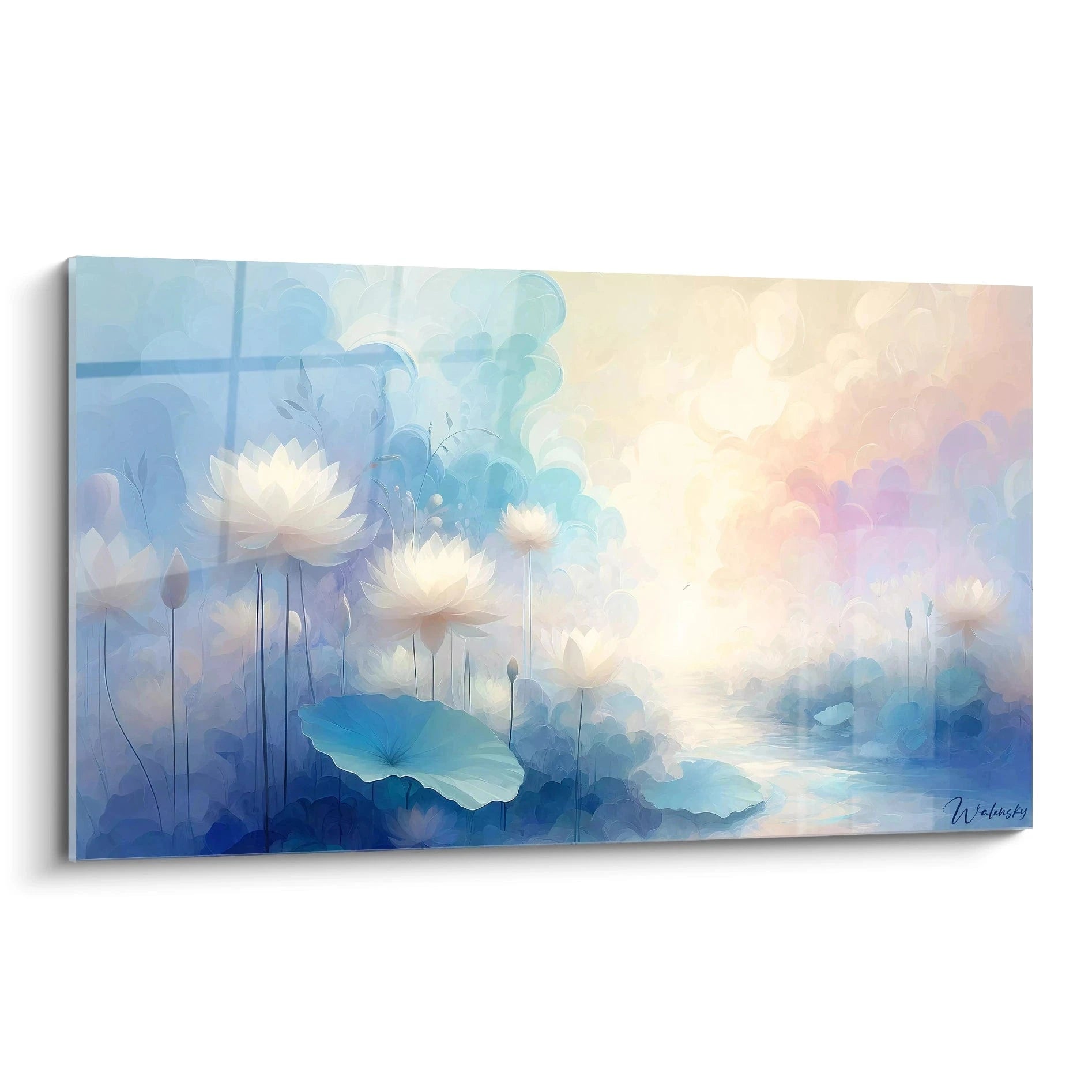
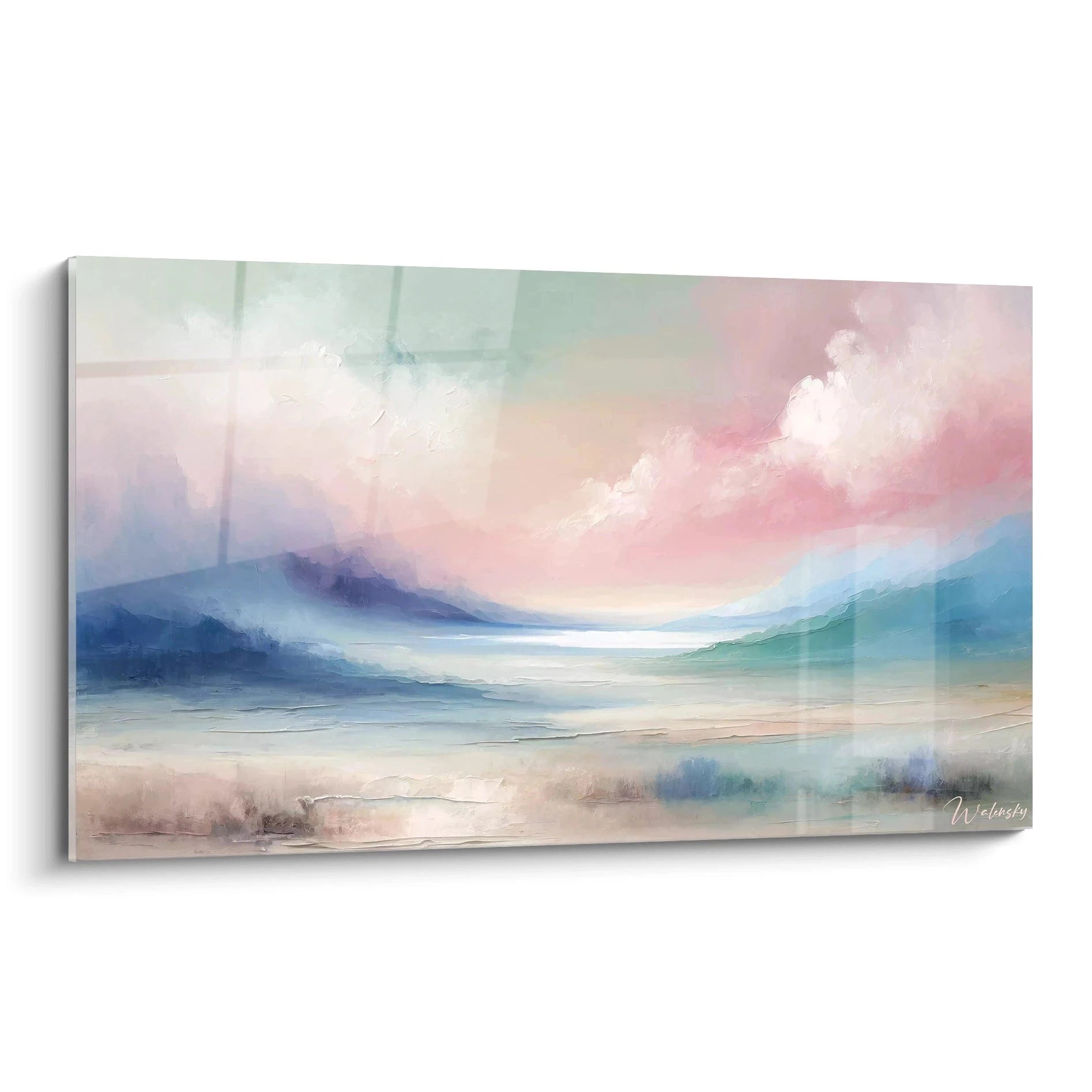

Get Inspired by Minimalist Design for Perfect Wall Decor
October 11, 2025 · 19 min read · by Walensky
Introduction to Minimalist Design : A Clean Aesthetic
Minimalist design, often described as the art of doing more with less, rests on fundamental principles that highlight simplicity, functionality, and understated elegance. Originating from the modernist movements of the 20th century, it focuses on the idea of decluttering spaces by eliminating excess to leave room only for the essentials. This aesthetic favors an intentional approach where each element plays a specific role, without superfluity.
In a wall decor context, minimalism translates into thoughtful choices regarding colors, shapes, and materials. Color palettes are generally neutral, integrating shades like white, gray, and beige, which promote a sense of space and tranquility. In addition, clean lines and simple geometric shapes strongly influence compositions and arrangements, bringing a subtle visual balance.
Key principles of minimalist design
- Sobriety : Prioritize discreet and streamlined elements, avoiding superfluous ornaments.
- Functionality : Each wall decor element must have a reason to be, responding to an aesthetic or practical need.
- Negative spaces : Leaving empty areas on the wall can contribute to better highlighting the chosen pieces.
This style also emphasizes natural materials such as light wood, metal, and stone, which blend perfectly into a modern and soothing environment. For example, a wall adorned with a single abstract artwork or a black and white frame expresses the very essence of minimalism while adding an artistic touch.
By respecting these principles, minimalist design creates a visual harmony that invites serenity, transforming a simple wall into an elegant and timeless composition.
The Foundational Principles of Minimalist Design
Minimalist design rests on a philosophy that prioritizes the essential while eliminating the superfluous. It is an approach that highlights simplicity, harmony, and functionality. The fundamental principles of this style are broken down into several key aspects that guide its application in wall decor and beyond.
1. The importance of negative space
Minimalism places great value on negative space—the unoccupied areas in a design or composition. This space provides visual breathing room, avoids clutter, and highlights essential elements. In wall decor, this can be translated into a modest staging where one or two elements only, such as a painting or photograph, occupy the space without clutter.
2. Functionality first
Every integrated element must have a clear function. Purely decorative objects without utility are carefully avoided. When designing a minimalist wall, practical solutions such as sleek shelves or hooks can add both an aesthetic element and tangible utility.
3. Reduced color palette
The shades used in minimalism are often subdued, neutral, and monochrome: white, gray, beige, or even black. These colors foster a sense of tranquility and create an ideal backdrop for highlighting each chosen detail. A minimalist wall decor will adopt this palette to maintain a soothing visual continuity.
4. Natural materials and simple textures
Materials play a central role in minimalist design. Light wood, matte metal, transparent glass, or natural textiles bring a sense of authenticity. Textures, for their part, remain discreet, offering just enough contrast to enrich the composition without dominating it.
5. Balance and clean lines
Another pillar of minimalism is visual balance. Simple geometric shapes and straight or slightly curved lines are preferred to maintain visual harmony. When it comes to decorating a wall, frames with clean edges, symmetrical shelves, or abstract works of art contribute to this essential balance.
By applying these principles, the wall becomes more than just an architectural element; it embodies a declaration of simplicity and timeless elegance.
Why Choose Minimalism in Wall Decor?
In wall decor, minimalism rests on the idea of “less is more.” This style offers a streamlined vision that highlights the essential and creates a harmonious atmosphere. Several reasons explain why this choice is not only aesthetic but also functional.
Promotes a Calming Atmosphere
Minimalism allows you to avoid visual clutter. By reducing decorative elements to the bare minimum, it produces a feeling of calm and serenity. Walls cleaned of visual excess offer a breathable space, conducive to relaxation, which promotes mental well-being.
Highlights Each Element
In a minimalist decor, each object hung or displayed on the walls takes on a particular importance. A carefully selected piece of art, such as an abstract painting or monochrome photograph, becomes the focal point of the room. This style magnifies each detail in place of an accumulation of elements.
Easily Adapts to All Spaces
Whether in a small apartment or a large house, minimalism suits all sizes and types of spaces. It offers flexibility, as fewer elements are needed to create a visual impact. This also reduces the need to balance different or cumbersome styles or colors.
Encourages Sustainability and Timelessness
By prioritizing simple, quality elements, this approach proves durable. Unlike seasonal decorative trends, minimalism remains timeless. Walls decorated in a minimalist style do not require frequent changes, which contributes to saving time and resources.
In summary, choosing minimalism for your wall decor is not just an aesthetic choice, but also embodies a lifestyle philosophy valuing simplicity, functionality, and elegance.

Editor's Pick
Abstract Painting Fluid Movement - Elegant Whirl - minimalist edition
232,90€
Discover this paintingChoose Colors : Neutral, Softness and Harmony
The choice of colors in a minimalist wall decor primarily relies on a thoughtful and subtle palette that favors visual balance. Neutral tones, soft colors, and delicate harmonies come into play to transform a space without overloading it with visual elements.
Why prioritize neutral colors?
Neutral shades such as off-white, beige, light gray, and taupe offer a clean backdrop. These colors create a calm and timeless atmosphere, ideal for minimalism. They also allow decorative objects, such as frames or works of art, to stand out without appearing intrusive. The use of neutral tones promotes a visual uniformity essential for maintaining the desired simplicity.
The importance of softness in the chosen palette
Soft colors, such as pastels, bring a subtle touch of warmth and personality while respecting minimalist codes. For example, shades like dusty rose, light blue, or sage green can introduce emotion into the room while maintaining a sense of lightness. These tones avoid weighing down the space and reinforce a feeling of calm.
Creating a luminous harmony
To achieve visual harmony, it is recommended not to use more than three dominant colors. They should complement each other naturally without causing dissonance. A gradient approach, where a single color is declined in several shades, can also reinforce the unity of the room. This continuity in colors gives a sense of balance and fluidity.
A carefully selected palette acts as a silent base, highlighting the elegance and simplicity rendered by the minimalist design.
Materials and Textures : Emphasize Simplicity
In minimalist design, the choice of materials and textures plays an essential role in creating a harmonious and refined decor. The approach focuses on highlighting the intrinsic quality of the materials and their visual interaction with the space. Every detail counts, and simplicity becomes the key to sublimating walls without overloading them.
Natural Materials for an Authentic Feel
The use of natural materials is a pillar of minimalism. They evoke a connection with nature while adding a warm aesthetic. Popular options include:
- Raw or light wood : It introduces an organic texture and an inviting color palette. Wood panels or minimalist wall shelves are often used.
- Stone and concrete : These surfaces bring a contemporary touch while remaining simple and unobtrusive. For example, a polished concrete wall creates a subtle but captivating contrast.
- Natural textiles : Linen, cotton, or even jute are perfect for wall frames or curtains in soft tones that complement the structure of the walls.
Subtle Texture to Create Depth
Minimalist walls do not necessarily have to be smooth and monotonous; a subtle texture can enrich the visual composition:
- Matte finish paint : It softens the reflection of light and promotes a soothing atmosphere.
- Embossed or striated panels : Subtle but refined, they can add an element of surprise to an otherwise plain wall.
- Textured wallpaper : Minimalist yet expressive, it offers options such as discreet geometric patterns or monochromatic hues.
Neutral Colors to Highlight Materials
Neutral palettes – off-white, beige, light gray – serve to enhance the chosen materials. They reinforce their character without diverting attention and naturally integrate into a simplified aesthetic. This choice also guarantees timelessness and adaptability to different furniture or accessory styles.
By adopting the right materials and textures, walls become not only functional but also true elements of minimalist art.
— Our selection


Minimalist Artworks: Selection and Arrangement
Minimalist art, characterized by its aesthetic simplicity and streamlined approach, integrates perfectly into a modern and sophisticated wall decoration. The selection and arrangement of these works require an understanding of the fundamental principles of minimalism as well as a reflection on the harmony of spaces.
Selection criteria for artworks
When selecting minimalist artworks, several key elements should be considered:
- Neutral or limited color palette : Monochrome hues or subtle contrasts reinforce the serenity of the space. Blacks, whites, grays or pastel shades are preferred.
- Geometric and linear forms : Sculptures, paintings or drawings featuring clean lines and simple shapes align with the minimalist aesthetic.
- Discreet textures : Matte finishes, light reliefs or natural materials (wood, metal, concrete) add depth without visually overloading the whole.
- Evocation of subtle emotions : Minimalist works often captivate by their ability to evoke a calm and introspective contemplation, rather than a sensory overload.
Arrangement techniques to optimize space
A thoughtful arrangement highlights the visual impact of the works while preserving spatial balance.
- Centering and alignment : A well-thought-out symmetry helps maintain visual coherence. The works can be centered relative to a piece of furniture or positioned along an imaginary line.
- Balanced spacing : Sufficient space between each piece creates a sense of order and allows each work to breathe visually.
- Integration into the overall space : Bare and spacious walls serve as an ideal backdrop to showcase minimalist artworks. The use of aerial hangers, such as wall rails, reinforces elegance.
- Size Combinations : Combining large and small artworks creates a harmonious visual rhythm while preventing excessive uniformity.
Design enthusiasts who appreciate minimalism will benefit from prioritizing an approach that values the simplicity and functionality of each piece, while exploring subtle contrasts in their interior decor.
— Also to discover


Frames and Mounts: Prioritize Sobriety
When it comes to integrating minimalist design into wall decor, the choice of frames and their presentation play an essential role. Frames should be perceived as complementary elements, not visual distractions. A sober and streamlined approach allows you to enhance the space while highlighting the artworks or images they contain.
Frame Choices
Minimalist frames are characterized by their simple lines, neutral colors, and lack of superfluous details. Here are some criteria to consider:
- Materials : Frames made of natural wood, lightweight metal, or high-quality plastic offer a modern and timeless aesthetic.
- Colors : Prefer neutral tones such as white, black, or gray to blend harmoniously with different interior styles.
- Thickness : Thin borders are perfect for avoiding visually weighing down a wall composition.
Organization and Arrangement
The placement of frames strongly influences the overall impression. A thoughtful arrangement promotes visual harmony:
- Symmetrical arrangement : Ideal for an orderly and structured look, it goes well with rooms with rectilinear design.
- Asymmetrical arrangement : Creates a more dynamic effect while remaining balanced if the distances between the frames are well proportioned.
- Solo paintings : A single large framed piece can become a true centerpiece, perfect for minimalist decors.
Hanging Tip
The hanging height of frames should be carefully calibrated. A standard height places the center of the frame about 145 cm from the floor, ensuring a natural perspective. In the case of multiple compositions, aligning the frames at the level of their upper or lower edges simplifies visual uniformity.
By adopting these principles, frames will cease to be simple supports to become subtle, yet decisive elements in a minimalist wall decor.
Spatial Organization: The Importance of Balance on the Wall
Balance in wall decor is a key element for maintaining the visual harmony of a room. An unbalanced composition can create a feeling of overload or emptiness, disrupting visual comfort. In minimalist design, where each element has a specific place and role, spatial organization is essential to avoid clutter.
Fundamental Principles of Visual Balance
Symmetry : Symmetry is based on the idea of distributing objects equally on either side of a central axis. For example, two identical frames hung on either side of a mirror create a sense of order and stability.
Asymmetry : Unlike symmetry, asymmetry allows you to play with different sizes, shapes, or textures while maintaining visual coherence. A bold artwork can balance several small elements arranged spontaneously.
Focal point : Creating a central focus acts as a visual anchor. This can be a framed large canvas or a specific wall composition, immediately attracting attention and organizing the space around.
Techniques for Preserving Harmony
- Uniform spacing : Maintaining regular spacing between objects avoids a cluttered effect. This technique is particularly effective for gallery walls.
- Neutral palettes : The subdued colors used as a background highlight decorative elements without overwhelming the whole.
- Coordination with furniture : Integrating the wall with the surrounding furniture contributes to unifying the room, avoiding visual breaks.
Respecting these principles simplifies the overall aesthetic, creating a minimalist and serene atmosphere while reinforcing the readability of the design.
— In the same spirit


Add Plants for a Natural Minimalist Touch
Within a minimalist design, integrating plants on walls can infuse a space with a lively and soothing touch. Plants, with their organic and timeless appearance, blend perfectly with clean lines and neutral colors characteristic of minimalism. This allows to balance the potential coldness of the style while creating a welcoming and harmonious environment.
Favor Wall and Hanging Plants
The use of wall or hanging plants is particularly suitable for wall decor. Living walls, for example, create a significant visual impact without overloading the room. In addition, hanging supports such as macramé or light shelves give a feeling of lightness while adding a vertical and fluid dimension.
Choose Simple and Easy-to-Care-for Plants
In a minimalist spirit, it is best to choose small and easy-to-care-for plants. Succulents, air plants (tillandsias), or climbing philodendrons are excellent choices. Their clean aesthetic aligns perfectly with the principles of minimalist design while requiring little care.
Adopt Purified Containers for Plants
To maintain visual consistency, the pots and cachepots used must reflect the simplicity of minimalism. Materials such as terracotta, white ceramic, or raw concrete bring an elegant neutrality, while geometric shapes allow to reinforce the structured aspect.
Ultimately, by skillfully combining subtle plants and understated design elements, it is possible to transform a blank wall into a work of art that breathes serenity and natural elegance.

Other selected pieces
Tableau Flux Noir Envoûtant - minimalist abstract edition
232.90€
Discover this artwork →How to Avoid the « Too Little » in Minimalist Design
Minimalist design is often associated with elegance and simplicity, but it can sometimes give an impression of emptiness or monotony if it is poorly executed. Avoiding the « too little » in minimalism requires a careful balance between restraint and visual richness. This requires careful consideration to maintain harmony without falling into austerity.
1. Choose strong key elements
Every element of a minimalist wall decoration should be intentional and meaningful. A striking frame, a subtle work of art, or even a well-designed mirror can serve as a focal point while respecting the minimalist principles. It is essential to prioritize pieces that attract the eye without overwhelming the space.
2. Play with textures and materials
To avoid a too flat decoration, textures and materials must be carefully integrated. For example, a white wall can be enriched by wooden frames, brushed metal, or ceramic objects. These variations bring a subtle contrast, while maintaining the minimalist aesthetic.
3. Use a thoughtful color palette
A restricted palette does not necessarily mean a lack of diversity. Adding subtle nuances, such as earthy tones or pastels, can enhance visual depth. Colors should be harmonious and in line with the overall atmosphere to avoid any feeling of coldness.
4. Integrate emptiness intentionally
Emptiness, in minimalism, is a powerful tool, but it must be used with discernment. Rather than leaving large empty spaces at random, it can be useful to place objects at strategic points, thus creating a visual rhythm and balance.
5. Rely on lighting for highlighting
Lighting plays a crucial role in a minimalist decoration. Abundant natural light or a thoughtful placement of luminaires can amplify the impact of wall elements by accentuating their texture and shapes.
By a combination of these principles, it becomes possible to respect the minimalist spirit while avoiding the pitfall of the « too little ».
Minimalist Design Inspiration: Examples and Case Studies
Minimalism in wall decoration embodies an aesthetic that focuses on simplicity, elegance, and functionality. It is about playing with space, textures, and colors in a thoughtful way to create harmonious and balanced interiors. To better understand the impact of minimalist design, here are some striking examples and case studies that highlight its fundamental principles.
Inspiring Examples
- Linear art in monochrome : A recurring example in minimalist spaces is the use of monochromatic linear drawings. These works, often made on white or neutral backgrounds, create a strong visual impact while remaining understated. They bring an artistic touch without overwhelming the atmosphere of the room.
- Textured geometric panels : Relief geometric patterns, made on wood or plaster panels, constitute an elegant solution for decorating a wall. This combines utility and aesthetics by adding a subtle character to the space without unnecessary opulence.
- Minimalist photography : Black and white photos centered on simple subjects, such as calm landscapes or sleek architectural forms, create a soothing and contemplative atmosphere on walls.
Notable Case Studies
- Tokyo urban apartment : In this Japanese interior, white walls are adorned with wooden frames containing abstract sketches. Bare walls are not perceived as austere but contribute to an atmosphere of zen and serenity.
- Swedish Scandinavian house : Here, wall decoration relies on the integration of floating shelves serving as supports for carefully selected objects. The absence of visual clutter, combined with pastel shades, reflects the typical balance of Nordic minimalism.
- Modern professional spaces : A Berlin-based design company used gray felt acoustic panels on the walls, serving as both decorative elements and sound insulators, proving that functionality and aesthetics can coexist harmoniously.
These examples demonstrate that minimalist design is never monotonous when well executed, and relies on subtle concepts to enrich a space.

Mistakes to Avoid in Minimalist Wall Decor
Minimalist wall decor, while elegant and streamlined, can quickly lose its impact if certain common mistakes are made. It is essential to maintain a balance between simplicity and style. Here are the frequent pitfalls to avoid.
1. Overloading walls with superfluous elements
The minimalist concept relies on a streamlined approach. Adding too many decorative elements, such as cluttered frames or unnecessary accessories, can break the visual harmony. Each piece hung must have a clear meaning or function.
2. Ignoring proportions and scale
An imbalance between the size of objects and the wall space can create a disordered effect. For example, a small solitary frame on a large empty wall may appear insignificant, while an oversized artwork could dominate the space. It is important to find suitable proportions.
3. Neglecting the color palette
Choosing shades that do not complement each other or that contrast too strongly with the rest of the interior can harm the overall aesthetics. Minimalism tends towards neutral or subtle tones that promote uniformity.
4. Using low-quality pieces
An excess of cheap or unsustainable decoration can diminish the sought-after elegance. Minimalism emphasizes quality over quantity. An authentic artwork or a well-made element has more impact than a multitude of generic objects.
5. Forgetting the importance of negative space
Empty space on a wall is not a problem to be solved, but an element to be valued. Too much filling of this space can make the whole thing oppressive. Appreciating the void reinforces the minimalist style.
By avoiding these mistakes, minimalist wall decor becomes a subtle and balanced art that breathes sophistication and modernity.
Integrating Minimalism into Different Types of Interiors
Minimalism adapts to various types of interiors, thanks to its ability to highlight the essentials while respecting the harmony of spaces. Each interior style can benefit from the simplicity and sobriety of minimalist design, which relies on clean lines, neutral color palettes, and a strategic use of decorative elements.
Classic Interiors
In a classic interior, the integration of minimalism translates to a reduction of superfluous ornaments while retaining the inherent elegance of the style. Walls can be decorated with understatedly framed artworks or mirrors with simple shapes. The moldings and cornices, typical of this type of interior, can be streamlined while adding a discreet charm.
Contemporary Spaces
Contemporary environments particularly welcome minimalism. The focus will be on modern materials such as concrete, glass, or metal, combined with elegant lines. Walls can be used as canvases for abstract or monochrome pieces, creating a subtle contrast and a visual focal point.
Bohemian Interiors
Bohemian interiors, often rich in textures and patterns, can integrate touches of minimalism to balance the overall look. Wall decorations such as tapestries or round mirrors can be carefully arranged to find a visual harmony. The choice of elements should prioritize quality over quantity.
Rural Homes
In a rustic or rural setting, minimalism can be introduced through natural materials such as raw wood or exposed stone. Wall decorations, such as floating shelves, highlight simple functionality while respecting the authenticity of the space.
By adapting minimalism to different interior styles, it becomes possible to enrich each space while ensuring a clean and timeless aesthetic.
Conclusion: Finding Beauty in Simplicity
In a world where visual abundance can sometimes be overwhelming, minimalism reminds us that less is often more. Minimalist design applies this philosophy to wall decor by focusing on balance, functionality, and refined elegance. Simple, but intentional choices create soothing spaces, inviting free contemplation of shapes, colors, and textures.
A minimalist wall reflects a harmony that transcends fleeting trends, opting for timeless elements. Lovers of minimalism generally favor neutral palettes, such as beige, white, gray, or earthy tones. These soothing colors act as a discreet backdrop, allowing each wall element to stand out with subtlety and impact.
This approach also favors the judicious use of lines and geometric shapes. For example, an abstract work of art, a simple black frame, or a narrow shelf can become true aesthetic statements. It is about appreciating each element as an essential component, while avoiding superfluous clutter.
Minimalism also includes a thoughtful approach to negative space. The void then becomes an ally, allowing the room to breathe and give depth to the walls without visual overload.
When adopting these concepts in wall decor, it is useful to keep key principles in mind:
- Prioritize quality : It is better to have one perfect element than several mediocre objects.
- Seek a visual intention : Each piece should tell a story or have a personal meaning.
- Subscribe to a sustainable aesthetic : Minimalism emphasizes timeless choices, easy to integrate into different contexts.
This approach fosters the emergence of enchanting spaces, restoring nobility to simplicity by creating interiors imbued with serenity and visual balance.
Frequently Asked Questions
What colors should I choose for a minimalist wall decor?
Neutral tones form the foundation: white, off-white, beige, light gray, taupe, sometimes black. They create a calm and timeless backdrop that highlights each frame or artwork without making it intrusive, while giving a sense of space and tranquility.
How many paintings to hang on a minimalist wall?
Minimalism prefers only one or two elements, for example a painting or photograph that occupies the wall without cluttering it. The empty spaces are as important as the artwork: this negative space allows the composition to breathe and highlights the chosen piece.
Is the minimalist style suitable for a small apartment?
Yes. It adapts as well to small apartments as to large houses, since few elements are needed to create a visual impact. Fewer objects also means fewer colors and styles to balance, which significantly simplifies the layout of reduced surfaces.
What materials go well with a clean wall decor?
Light wood, matte metal, transparent glass, stone and natural textiles naturally integrate into this style. Their textures remain discreet: they bring just enough contrast to enrich the composition without dominating it or breaking the sought-after tranquility.
Explore our collections


