





Why Do Some Abstract Paintings Resonate With Us More Than Others?
October 11, 2025 · 3 min read · by Walensky
Why do some abstract paintings "speak" to us more than others? This fundamental question fascinates both art lovers and contemporary neuroscientists. Far from being a simple subjective preference, our attraction to certain abstract works is rooted in precise neurobiological mechanisms that mobilize different areas of our brain and reveal the fascinating secrets of our aesthetic perception.
Why some abstract paintings speak to us - The neurological mechanisms
Contemporary neuroscience reveals that when faced with abstract paintings, our brains activate specific regions distinct from those stimulated by traditional figurative art. According to in-depth research from the National Academy of Sciences, abstract art stimulates the prefrontal cortex more than others, which is responsible for reflection and complex symbolic interpretation. This increased activation explains why some abstract paintings generate more intense and memorable emotional reactions.
At the same time, the amygdala, a neural center of our emotions, plays a decisive role in our aesthetic appreciation. When faced with an abstract work that "speaks" to us, this structure is massively activated, establishing an immediate emotional connection. Remarkably, 62.5% of art students (Source: Boston College) intuitively distinguish professional creations from children's achievements, proving that our brain unconsciously perceives artistic intentionality and refined technical mastery.
Abstract paintings and brain activation - Psychological distance
The scientific theory of psychological distance sheds light on our variable sensitivity to abstract paintings. Our cognitive system processes stimuli differently according to their psychological proximity to our daily lives. Abstract works evoking concepts distant from our routine activate holistic, contemplative and introspective thinking, opening up specific neurological pathways.
This psychological distance allows abstract paintings to establish connections with our deepest "inner territories". Abstract art helps us to "tap into our feelings by distancing our cognitive functions from concrete details". Thus, a monochrome composition by Rothko moves without figurative representation: it directly stimulates our mental abstraction mechanisms and our primitive emotional sensitivity.
- Pure colors trigger immediate limbic responses
- Non-figurative shapes unleash our creative imagination
- The absence of narrative favors maximum personal projection

Why we prefer some abstract paintings - The role of personal experience
Our personal history fundamentally determines which abstract paintings resonate with us. The brain constantly mobilizes episodic memory to establish meaningful correspondences with the works, creating this instinctive recognition that makes us say that a creation "speaks" to us. This active quest for meaning intensely stimulates neural networks and generates deep cognitive gratification.
Creators who have experienced psychological trials frequently evolve towards abstraction, like Willem de Kooning after his Alzheimer's disease. This clinical observation demonstrates that abstract paintings convey complex psychic states that our brain intuitively decodes, establishing an authentic emotional resonance.
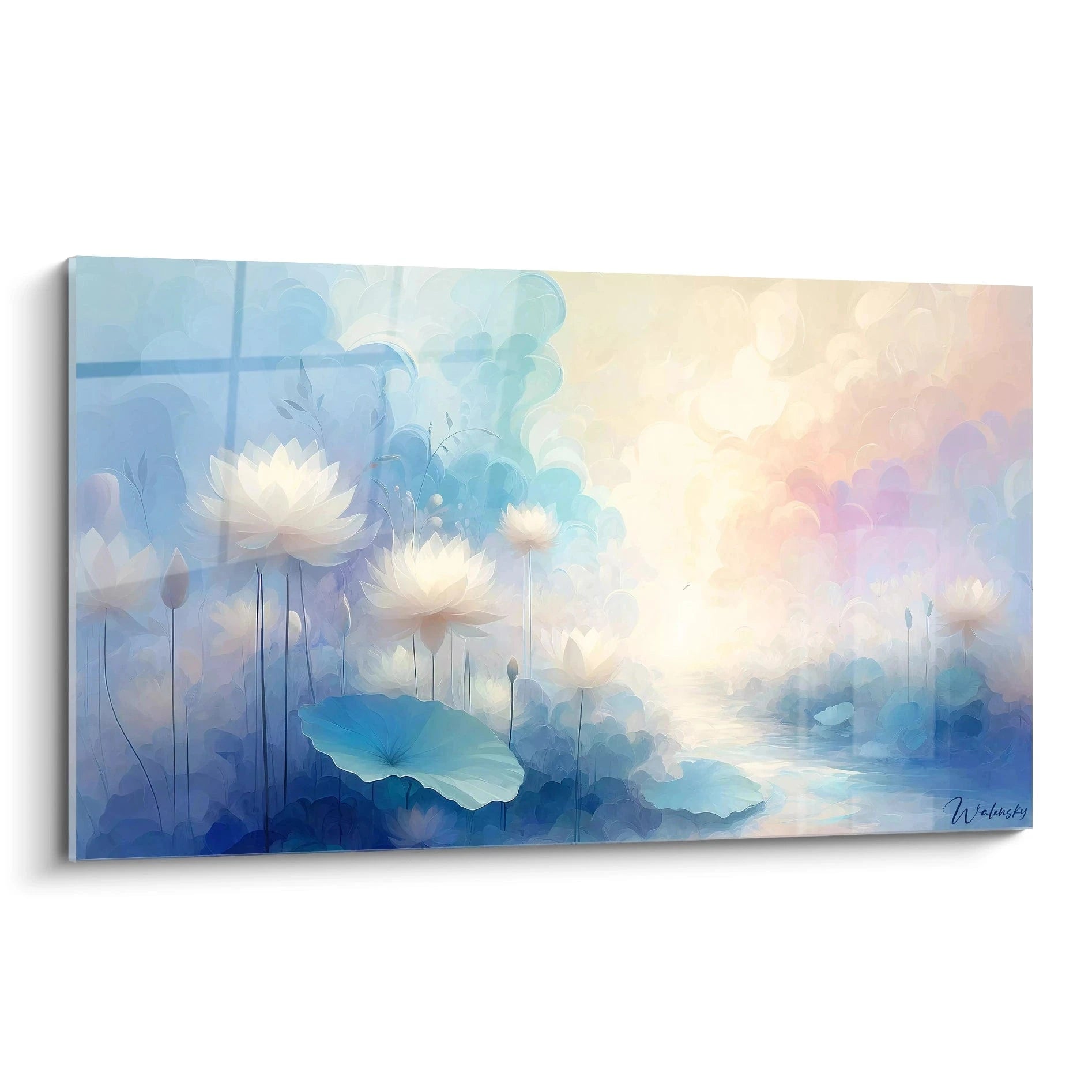
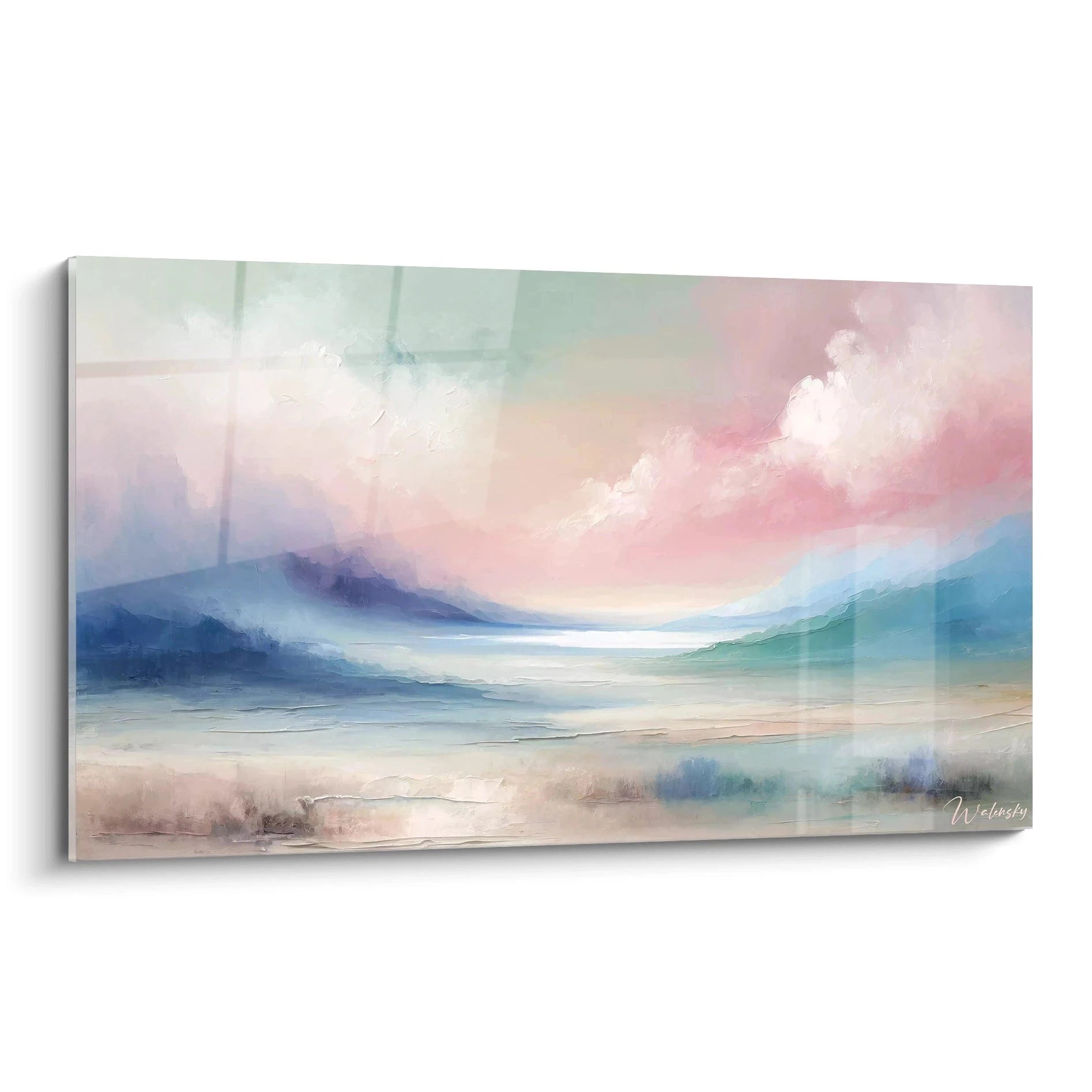
The creations of the abstract paintings collection abstract paintings perfectly illustrate this expressive richness. Each observer naturally projects their personal references onto these works, scientifically explaining why the same canvas upsets some viewers while leaving others indifferent.
Abstract Paintings and the Search for Meaning - Stimulated Neural Activity
Confronted with abstract paintings, our brain automatically triggers an intense decoding process that remarkably stimulates overall neural activity. This cognitive "search" for recognizable forms gives the work its neurological "power". The nervous system treats abstract art as an intellectual challenge, releasing satisfaction neurotransmitters when unexpected connections are discovered.
The most striking abstract compositions maintain a subtle balance: accessible enough to remain understandable, and enigmatic enough to sustainably stimulate our cognitive engagement. This creative tension explains the lasting appeal of masters like Kandinsky or Mondrian.
Optimizing Our Connection to Abstract Paintings - Plasticity and Learning
Neuroplasticity fortunately allows us to develop our sensitivity to abstract paintings throughout life. Regular exposure to abstract art promotes the formation of specialized neural connections in aesthetic appreciation. This neurological adaptability explains why arts education deeply enriches our visual perception.
In a rigorous study, 79.25% of participants (Source: Boston College) spontaneously identify the superior quality of professional works, regardless of their artistic training. This intuitive discrimination is refined with repeated exposure. Abstract paintings gradually become more eloquent as we refine our gaze and enrich our personal visual culture.
— Our selection


