

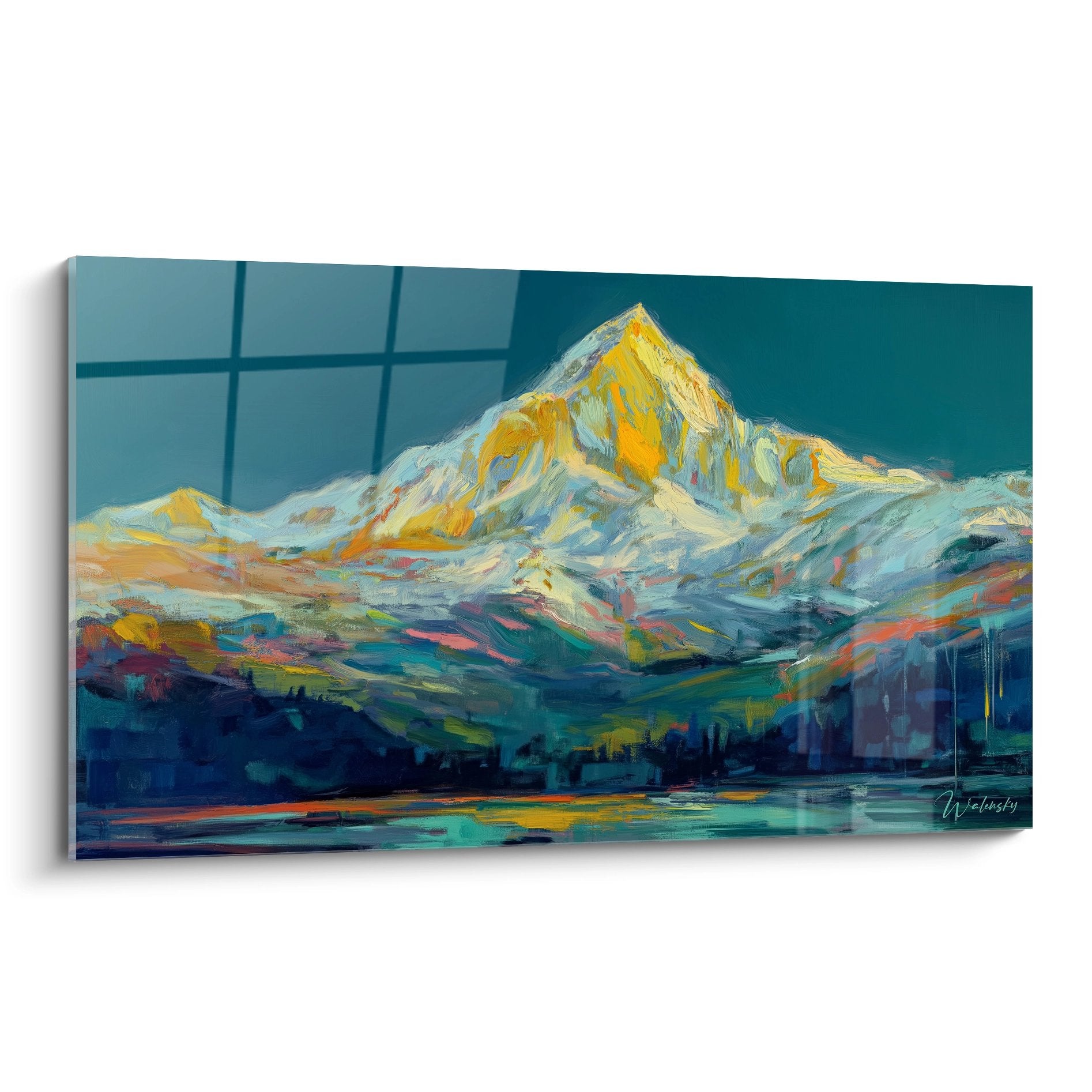






Palette knife techniques in abstract painting: texture and relief effects
October 11, 2025 · 3 min read · by Walensky
The palette knife is revolutionizing the approach to abstract painting by allowing artists to create textural and relief effects that are impossible to achieve with a traditional brush. This ancestral technique is experiencing a spectacular revival today, transforming the flat surface into a true pictorial sculpture.
Palette knife techniques for creating relief effects in abstract painting
Applying acrylic paint directly with a palette knife produces striking reliefs that catch the light from different angles. Contemporary artists master three fundamental techniques: spreading thick layers that build volume, scraping to reveal the underlying layers and create transparencies, and overlaying fresh material to allow spontaneous blending.
Every stroke of the palette knife creates ridges and valleys that give a three-dimensional dimension to the abstract work. This sculptural approach fundamentally transforms the perception of pictorial art, where texture becomes just as important as color in building artistic meaning.
The impasto technique, inherited from masters such as Van Gogh, finds its freest expression in abstract painting. By applying color directly from the tube, the palette knife preserves the natural texture and enables authentic textural effects. Wide knives suit large textured areas, while fine blades create precise details.

Impasto and texture: optimizing the palette knife in abstract art
Impasto is the very essence of relief effects in abstract painting. This thick application technique turns every stroke of the palette knife into a sculptural gesture charged with intention. Impasto becomes a plastic language where thickness and texture communicate directly with the viewer's emotion.
Professional artists recommend "heavy body" acrylic paints, which retain tool marks perfectly and dry without cracking. These specific formulations allow durable textural effects that withstand the physical stresses of time.
Incorporating additional materials expands creative possibilities: fine sand for grainy textures, marble powder for pearly effects, or texturing mediums for structured reliefs. These elements create rough surfaces that catch the light dramatically. According to recent studies, 75% of contemporary abstract works incorporate at least one relief technique (Source: Institut d'Art Contemporain de Paris).
- Direct thick painting : generous application without dilution
- Selective scraping : revealing underlying layers
- Controlled layering : progressive construction of material
- Textured incorporation : adding granular materials
Managing drying time is crucial. Contrary to popular belief, thick impasto dries faster than thinned layers, allowing artists to work "alla prima" - a fresh-on-fresh technique that preserves abstract spontaneity.
Applications of the abstract palette knife for textures and layering
Layering created with the palette knife offers unmatched visual depth in abstract painting. This multilayer approach plays with transparency and opacity, creating complex textural effects where each stratum tells part of the pictorial story. Discover abstract paintings that perfectly illustrate these contemporary techniques.
Application by contrasting zones generates captivating visual tensions. Artists exploit the differences in texture between smooth brushed areas and rough areas made with the palette knife, creating a constant dialogue between softness and material brutality. This duality is the soul of modern abstract expression.
The "wet on wet" technique reveals its full potential with the palette knife : colors blend naturally on the canvas, creating organic transitions impossible to plan. Controlled accidents become aesthetic revelations, turning error into creative innovation.
Perfecting texture effects with advanced palette knife techniques
Expertise in textural effects requires a fine understanding of the physical properties of each tool. Metal palette knives offer surgical precision for fine details, while plastic models allow softer, more organic relief effects.
Controlling the angle of attack radically changes the final rendering. A palette knife held perpendicular creates sharp edges, while a shallow angle produces smoother spreading. This gestural mastery distinguishes the amateur from the professional in abstract painting.
Maintenance techniques optimize the durability of relief effects. Applying suitable varnish preserves textures without flattening them, ensuring the lasting impact of the visual effect. Works treated this way retain their luminous appeal for decades.
The palette knife transcends the simple tool to become a direct extension of artistic emotion, transforming every gesture into a unique textural effect and every canvas into an abstract tactile landscape where the creative soul resonates.
— Our selection


Explore our collections


