Abstract art triggered a major aesthetic revolution at the beginning of the 20th century, fundamentally redefining our conception of beauty. This radical transformation continues to influence our relationship with contemporary aesthetics and overturns codes established for centuries.
Abstract art breaks with traditional canons of beauty
Abstract art marks a historical break with the mimetic tradition that has dominated since antiquity. Pioneers like Wassily Kandinsky abandoned figurative representation around 1910 to explore a new visual language. This aesthetic revolution rejects the Platonic idea that beauty resided in the balance of proportions and imitation of nature.
The arrival of abstract art in the 20th century has completely transformed the notion of beauty in art, where beauty is no longer a question of faithful representation of reality, but rather of emotional impact. Abstract artists thus liberate beauty from its representational constraints to create a new aesthetic paradigm. This liberation allows for the exploration of unprecedented visual universes, where emotion takes precedence over recognition.
Abstract beauty expresses itself through pure forms and colors
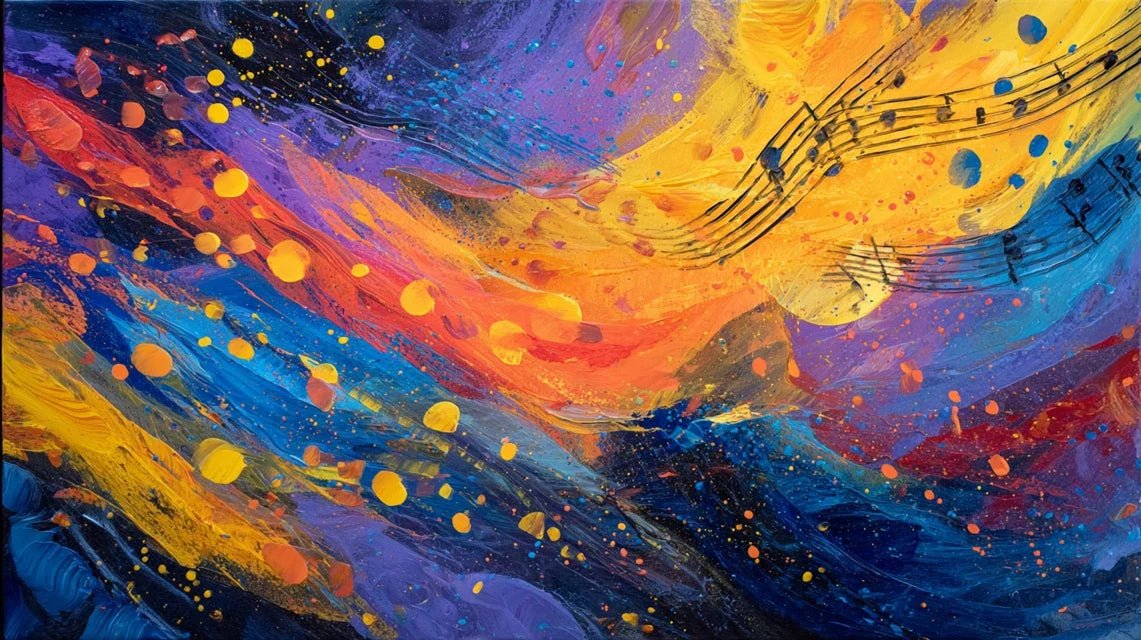
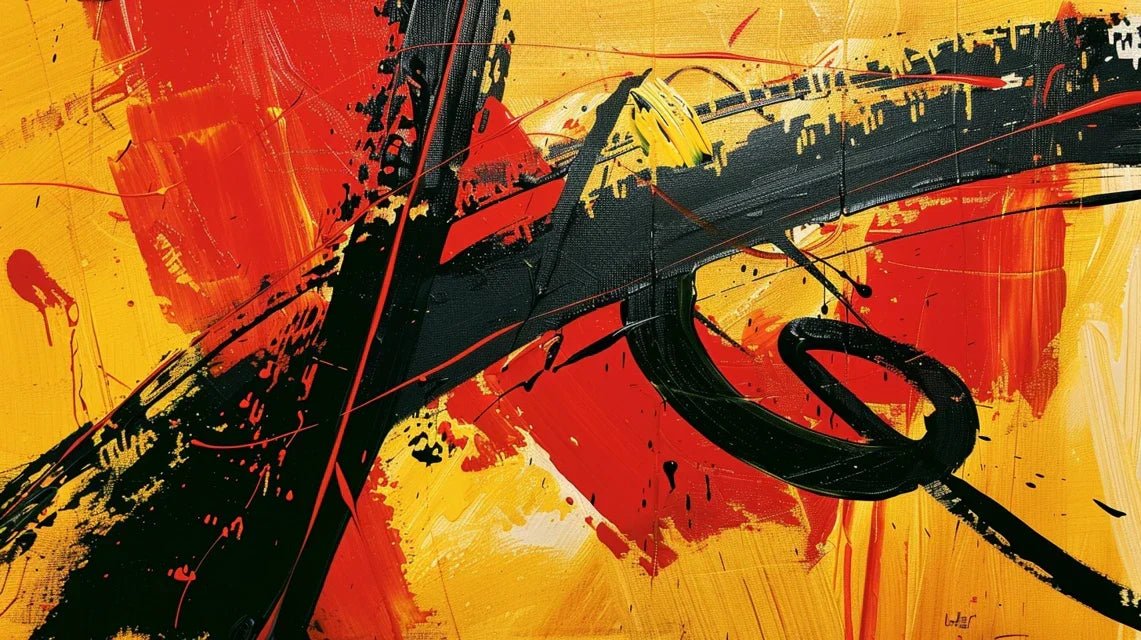
In abstract art, beauty emanates directly from the fundamental visual elements: color, form, line, texture. Kandinsky develops his theory of "inner necessity," advocating that the beauty of color and form becomes a language of the soul. Colors acquire an unprecedented expressive autonomy, capable of transmitting emotions without figurative reference.
This revolutionary approach establishes that 65% of the emotions felt in front of an abstract work come solely from chromatic harmony (Source: Munich Institute of Applied Aesthetics). Abstract beauty is built on principles of pure composition, where each visual element contributes to a coherent aesthetic ensemble. These principles engender an immediate sensory experience that transcends intellectual understanding. Discover how these principles are embodied in contemporary abstract artworks that perpetuate this revolutionary tradition.
Aesthetic reinvention by the pioneers of abstract art
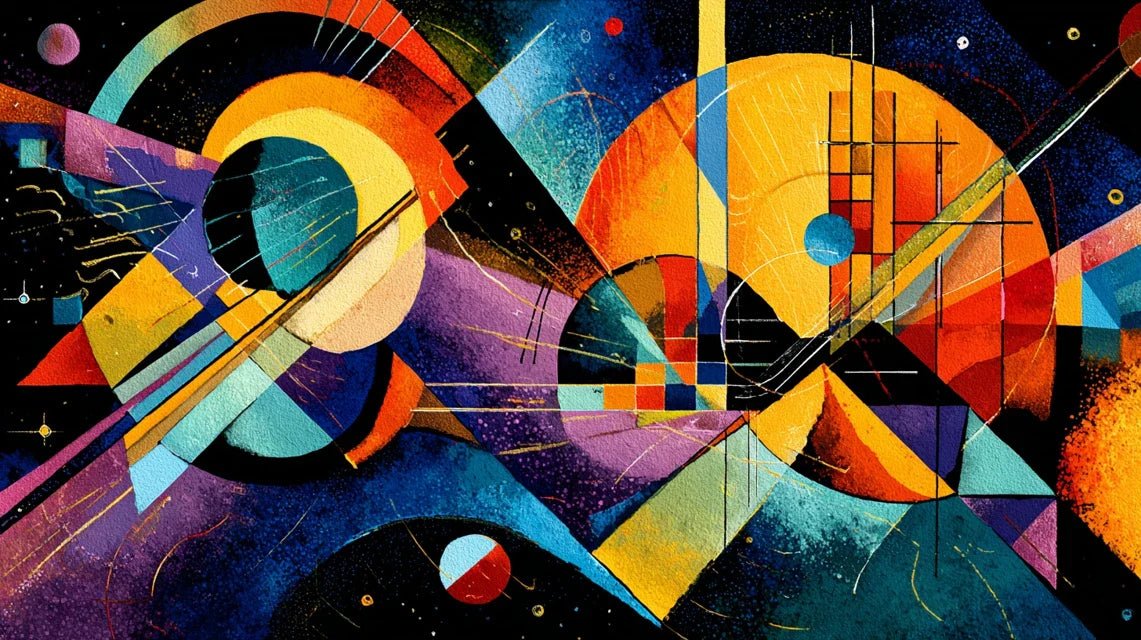
Kandinsky, Malevich and Mondrian can be considered as the precursors who reinvent the space of the canvas. Each develops his own vision of abstract beauty: Kandinsky explores color-music synesthesia, Malevich radicalizes with his pure geometric forms, while Mondrian purifies to primary colors and black lines.
These aesthetic innovations transform the very perception of what constitutes beauty. Tobey's white writing is described as "luminous, metaphysical and elegiac," drawing inspiration from his own inner life. This spiritual approach to abstract beauty opens up unexplored avenues of expression and establishes new aesthetic criteria based on emotional intensity rather than representational fidelity.
New expressions of beauty in modern abstraction
Contemporary abstract art continues to reinvent aesthetic codes with constantly renewed creativity. Modern and contemporary art has not broken with beauty and has never sought to free itself from it, but has shifted the question of beauty from an academic legislation to new criteria. This evolution allows for the emergence of multiple definitions of beauty, each bringing its particular richness.
Modern abstract beauty now integrates:
- The texture as an autonomous aesthetic element, creating tactile dialogues
- The spatial interaction between forms and void, generating dynamic tensions
- The temporality in the perception of the work, evolving according to the gaze
- New materials as sources of unexplored beauty
These innovations considerably broaden the spectrum of aesthetic possibilities and allow artists to explore uncharted visual territories.
The contemporary impact of this reinvented abstract beauty
The influence of this reinvention permeates all creative disciplines. Abstract art shapes modern design through organic motifs, textural games and a regeneration of space. This aesthetic abstraction permeates our everyday environment: architecture, graphic design, fashion, interior decoration.
Baumgarten's theory in the 18th century already proposed to re-evaluate sensible knowledge, a particularly relevant concept for approaching contemporary artistic proposals. This sensory approach to beauty finds its most accomplished and universal expression in abstract art.
Abstract art has thus revolutionized our understanding of beauty, moving from a normative aesthetic to a subjective and experiential approach. This transformation continues to enrich our relationship with the beautiful, proving that abstract beauty is not a break but an infinite expansion of human aesthetic possibilities. It paves the way for a democratization of the aesthetic experience, where everyone can develop their own sensitivity to beauty.