



Geometric Abstraction versus Lyrical Abstraction: Two Opposing Approaches
October 11, 2025 · 3 min read · by Walensky
20th-century abstract art revolves around two fundamentally opposed movements: geometric abstraction and lyrical abstraction. These diametrically different approaches reveal a deep division in the very conception of non-figurative art, creating an aesthetic debate that continues to this day.
Geometric Abstraction versus Lyrical Abstraction: Fundamental Definitions
Geometric abstraction is characterized by the exclusive use of simple geometric shapes arranged in a rigorous two-dimensional space. This approach favors straight lines, right angles, and primary colors (red, blue, yellow), categorically rejecting any representation of the natural world. The geometric artist seeks universality through mathematical rationality.
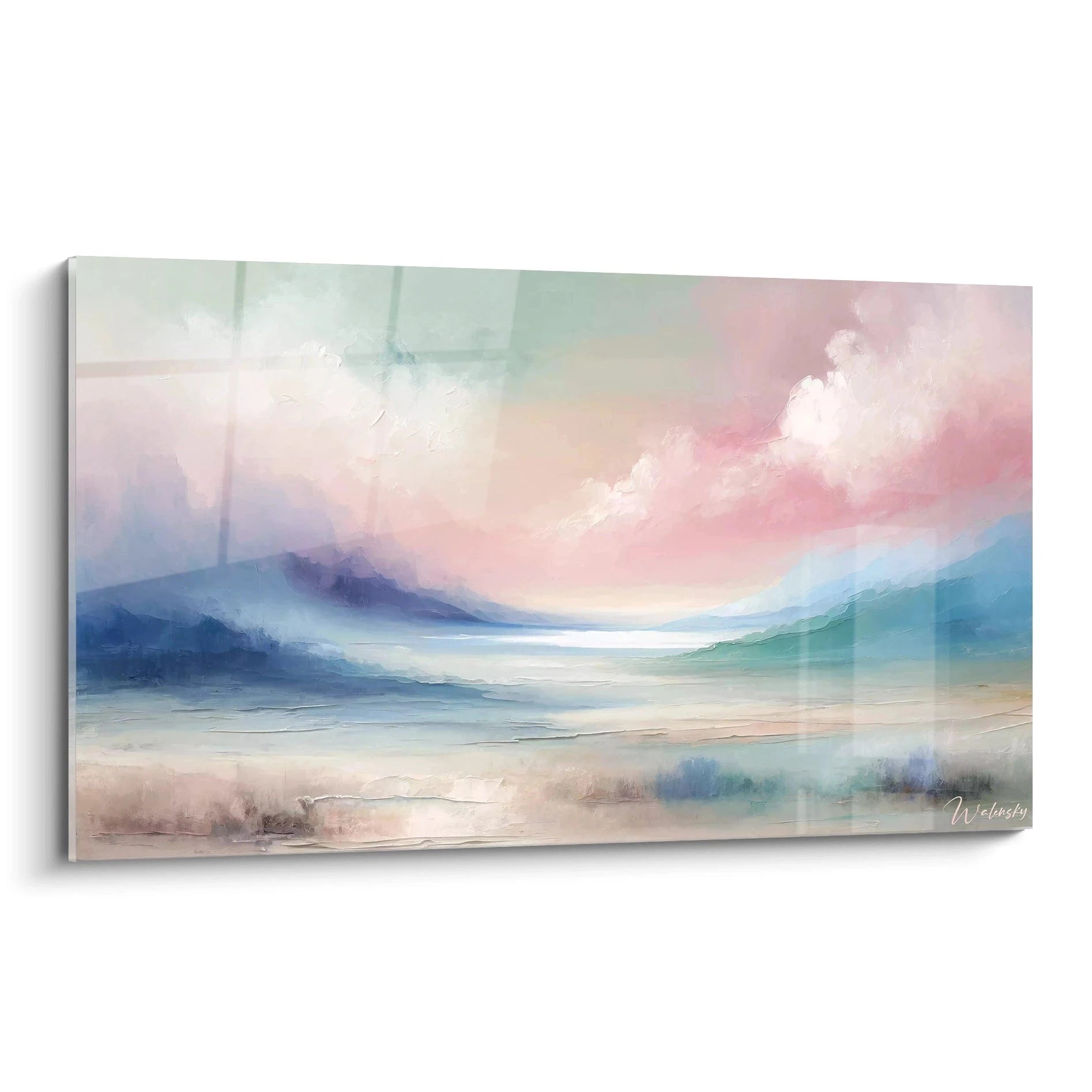
In contrast, lyrical abstraction claims absolute plastic freedom to express the deepest individual emotions. This opposing approach emphasizes spontaneous gesture, freely mixed vibrant colors, and revolutionary techniques such as paint projection, canvas scraping, or direct action painting. The lyrical artist prioritizes emotional expression over rational construction.
This fundamental opposition reflects two incompatible artistic philosophies: one mathematical and constructed, seeking perfect order, the other intuitive and emotional, celebrating creative unpredictability.
Technical Characteristics of Geometric and Lyrical Abstraction
Geometric abstraction imposes strict technical constraints on its practitioners. The De Stijl movement, for example, formally prohibits oblique and curved lines, considering them compromises. Artists use only perfect rectangles, squares, and circles, organized according to precise and immutable mathematical principles. Colors are applied in uniform blocks without nuances or gradients.
This geometric approach requires rigorous planning: each element is calculated, measured, and positioned according to strict rules. Improvisation is banned in favor of methodical construction.
Lyrical abstraction adopts a diametrically opposite approach when it comes to technique. Lyrical artists prioritize:
- The speed of execution and total improvisation
- Gestural techniques such as dripping, action painting, or tachism
- The free superposition of colors without predefined rules
- The use of unconventional tools (spatulas, projections, drips)
- The bodily expression in the act of painting
These opposing approaches generate radically different visual results: implacable geometric order versus controlled artistic chaos.
Opposing Approaches: Geometric Rationality versus Lyrical Spontaneity
The philosophy of geometric abstraction seeks universality through pure rationality. Mondrian stated that he wanted to create an art "constructed with awareness but not with calculation", aiming for absolute harmony through pure geometry. This approach systematically rejects individual emotion in favor of a universal plastic language understandable by all.
Lyrical abstraction defends a fundamentally opposite vision, privileging "the direct expression of individual emotion" without rational filter. Lyrical artists believe that creative spontaneity reveals profound psychic truths, totally inaccessible through cold rational construction.
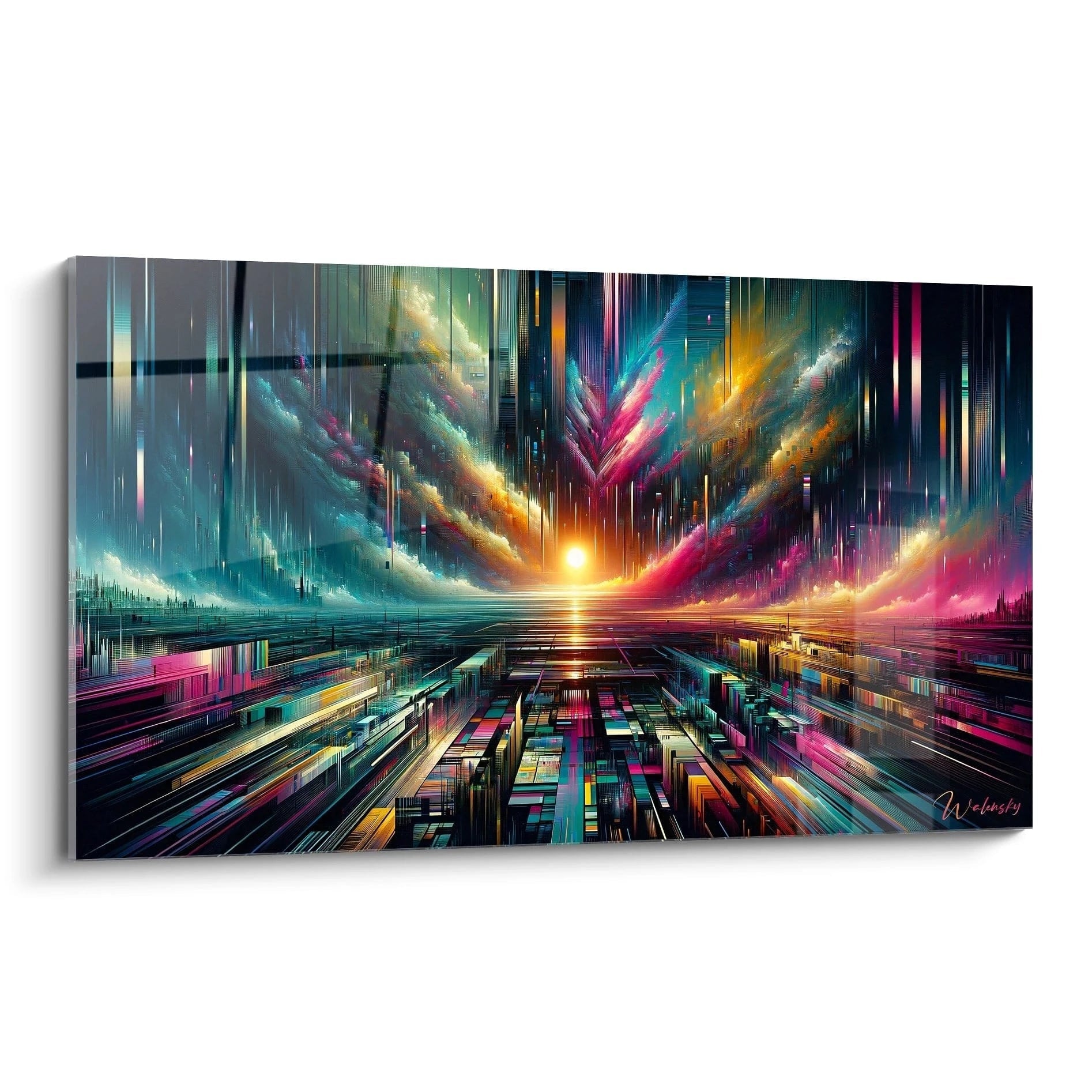
This ideological opposition is concretely manifested in the works produced. Discover striking examples of these abstract paintings perfectly illustrating these contrasting artistic approaches.
Revealing statistics: 78% of art collectors immediately distinguish a geometric work from a lyrical work (Source: Institut d'Art Contemporain de Paris). This ability to recognize immediately demonstrates the effectiveness of these opposing approaches.

Our favourite
Colored geometric shapes painting - Abstract symphony - Abstract geometric edition
233,90€
Discover this artworkKey artists of the two opposing approaches to abstraction
Geometric abstraction has iconic figures with immediately recognizable styles:
- Piet Mondrian: strict orthogonal compositions, clean black lines
- Kazimir Malevich: radical suprematism with the famous "Black Square"
- Paul Klee: poetic but structurally rigorous geometry
- Josef Albers: systematic geometric color researches
Lyrical abstraction reveals artistic personalities diametrically opposed by their creative approach:
- Vassily Kandinsky: pioneer of free gestural "improvisations"
- Jackson Pollock: revolutionary action painting and projection techniques
- Pierre Soulages: controlled but deeply spontaneous gesture
- Georges Mathieu: rapid public execution, spectacle of creation
These artists perfectly embody the radical opposition between methodical rational construction and unfiltered direct emotional expression.
Contemporary applications of geometric versus lyrical abstraction
The lasting influence of these two opposing approaches persists massively in current contemporary art. Geometric abstraction today influences digital graphic design, modern minimalist architecture and technological user interfaces. Its rigorous mathematical logic adapts perfectly to contemporary technical constraints.
Lyrical abstraction finds its applications in modern art therapy, spontaneous digital expression and certain innovative forms of urban street art. Its opposing approach consistently prioritizes raw emotional authenticity over calculated formal perfection.
The contemporary art market values these opposing approaches differently: geometric works particularly appeal to institutional collectors and businesses, while lyrical abstraction attracts those seeking personal emotional authenticity.
This persistent duality between rational geometric abstraction and emotional lyrical abstraction continues to fundamentally structure contemporary artistic creation, proving the lasting relevance of these two fundamentally opposed visions of modern abstract art.
Explore our collections


