




Abstract Art as a Pedagogical Tool: Developing Childhood Creativity
October 11, 2025 · 3 min read · by Walensky
Abstract art reveals exceptional pedagogical potential for developing childhood creativity. Unlike traditional approaches centered on reproduction, this artistic form liberates the child from figurative constraints and authentically stimulates their imagination. This revolutionary approach transforms learning into a true multisensory creative exploration.
The components of abstract art as a pedagogical foundation
Abstract art rests on three fundamental pillars that make it a privileged pedagogical tool. First, geometric shapes stimulate spatial recognition and develop logical thinking in children. This visual stimulation activates the areas of the brain responsible for analysis and mental structuring.
Next, pure colors allow for direct sensory exploration, fostering spontaneous emotional expression. Each shade evokes specific sensations and encourages children to develop their emotional language. Finally, varied textures stimulate touch and enrich the multisensory experience, creating lasting neurological connections.
These components act as catalysts for cognitive development. 85% of neural connections are formed before the age of 5 (Source: Harvard Center on the Developing Child), a critical period where abstract art maximizes its impact on childhood creativity.
Concrete examples of pedagogical applications:
- Observation of Kandinsky paintings to develop color-emotion association
- Manipulation of abstract materials to stimulate fine motor skills and coordination
- Free creation without imposed models to liberate imagination and personal expression
- Tactile exploration of textured surfaces to enrich the sensory experience
Techniques for integrating abstract art into creative pedagogy
Effective integration of abstract art in pedagogy requires specific methods adapted to child development. The "creative scribbling" technique constitutes an ideal entry point: it allows the child to create abstract shapes and then transform them according to their overflowing imagination. This approach develops divergent thinking and encourages spontaneous innovation.
In parallel, the active observation method consists of presenting abstract works to children by inviting them to verbalize their unique perceptions. This technique strengthens neural connections related to language and creativity. The tactile approach, using materials of different textures and consistencies, complements this device by stimulating overall sensory development.
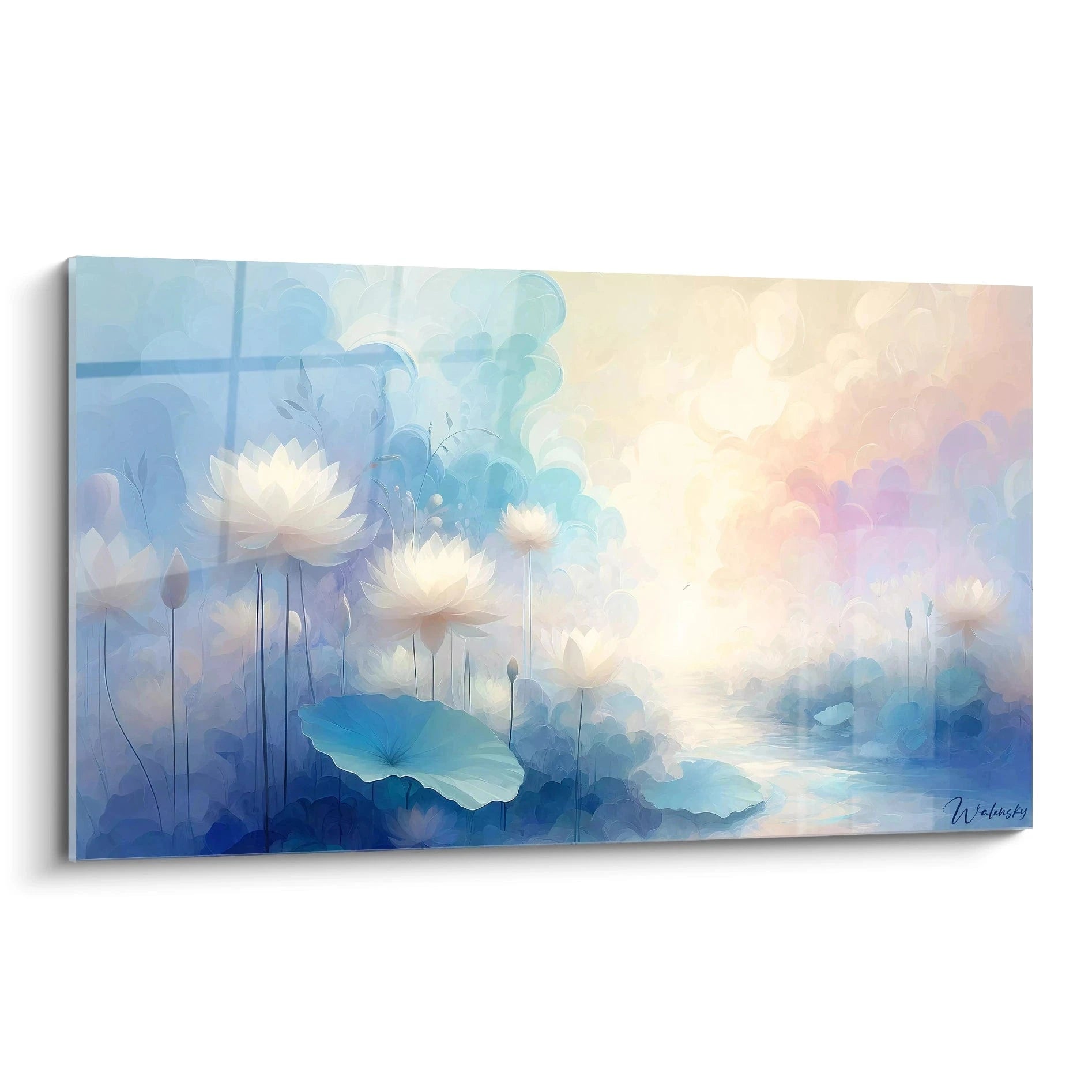
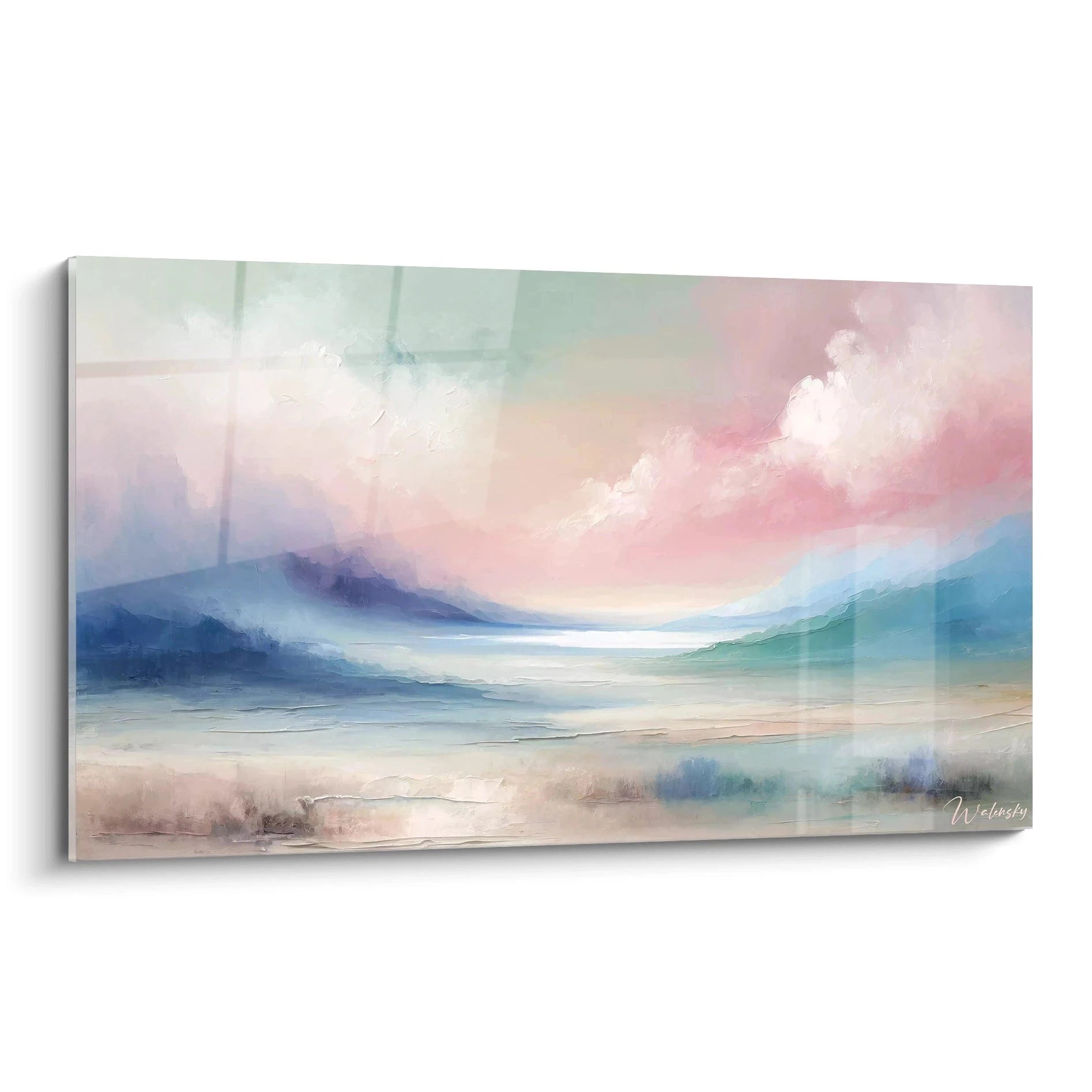
These abstract paintings serve as a pedagogical support for developing visual analysis and creative interpretation in children. They are stimulating visual references that continually nourish the child's imagination.

Our favourite
Golden and grey explosion painting on white background - Radiant brilliance - Modern abstract edition
233,90€
Discover this artworkConcrete applications of abstract art to develop childhood creativity
The practical applications of abstract art as an educational tool can be broken down into targeted and progressive activities. Free painting workshops without representative instructions constitute the basic activity: they allow for the authentic expression of childhood creativity. These sessions develop creative autonomy and sustainably reinforce self-confidence.
Furthermore, games involving associations between abstract shapes and emotions enrich emotional intelligence. Children gradually learn to translate their sensations into visual creations, a fundamental process for artistic development. This emotional translation also develops empathy and self-understanding.
Abstract collage activities allow for deeper exploration of compositions and chromatic contrasts. This technique develops the sense of aesthetics and the ability to organize space visually in a harmonious way.
Significant statistics confirming effectiveness:
- 92% of children regularly exposed to abstract art show improvement in their creative abilities (Source: Journal of Creative Behavior)
- Abstract art activities increase divergent thinking by 40% in children aged 4 to 8 (Source: Creativity Research Journal)
— Our selection


Optimizing pedagogical methods through abstract art
Pedagogical optimization through abstract art requires a progression carefully adapted to age and developmental capabilities. For 3-5 year olds, it is advisable to prioritize free sensory exploration with varied and safe materials. 6-8 year olds benefit more from exercises combining observation of abstract works and guided personal creation.
The educational tool is considerably enriched by verbalizing creations and expressing feelings. Children develop their artistic vocabulary and structure their creative thinking in a coherent way. Evaluation is primarily based on the creative process rather than the final result, preserving the spontaneity of childhood creativity.
78% of teachers trained
in abstract art observe significant progress in their students' creativity after six months of regular practice (Source: Educational Psychology Review).Durability and long-term impact of abstract art as an educational tool
The lasting impact of abstract art on childhood creativity is measured by the acquisition of transferable skills applicable in all areas of learning. Children develop flexible thinking and a remarkable ability to adapt to new situations. This mental plasticity promotes creative problem solving throughout professional and personal life.
The neuroplastic benefits persist into adulthood according to recent research in neuroscience. The brain areas stimulated by abstract art during childhood maintain increased creative activity well into maturity. This positive influence has a lasting impact on professional innovation and adaptation to societal changes.
Thus, abstract art as an educational tool effectively prepares children for future challenges by cultivating their creative adaptability and openness to continuous innovation.

You may also like
Colored geometric shapes painting - Abstract symphony - Abstract geometric edition
233,90€
Discover this artwork →Explore our collections


