


Stained glass style wall art
Explore our exclusive collection of stained glass style wall art, blending tradition and modernity in unique creations. These artworks capture and diffuse natural light, creating a magical atmosphere in your interior. The richness of vibrant colors and precision of patterns evoke the ancestral art of cathedral stained glass while perfectly adapting to contemporary spaces. Each luminous creation is meticulously crafted to offer you an exceptional piece that captures every eye. Let yourself be captivated by these artworks that transform your décor and bring character and originality to your interior.
 Lunar Wisdom Painting - stained glass edition233,90 €
 Arcadian Vision Artwork - Stained Glass Edition233,90 €
 Amber Gaze Artwork - Stained Glass Edition233,90 €
 Astral Duality Wall Art - Stained Glass Edition233,90 €
 Spring Blossom Wall Art - Stained Glass Edition233,90 €
 Nataraja Luminous Artwork - Stained Glass Edition233,90 €
 Nocturnal Watchers Painting - stained glass edition232,90 €
In the same family
Also explore the theme 🔥 The Originals 🔥
-
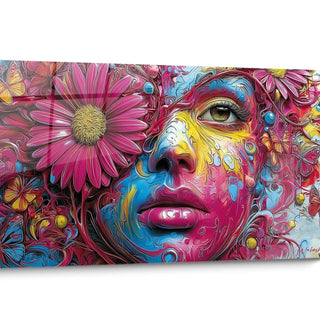 View all393
artworks
View all393
artworks
-
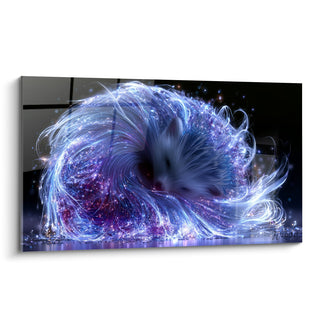 Spectral Animals33
artworks
Spectral Animals33
artworks
-
 Colors Gone Wild31
artworks
Colors Gone Wild31
artworks
-
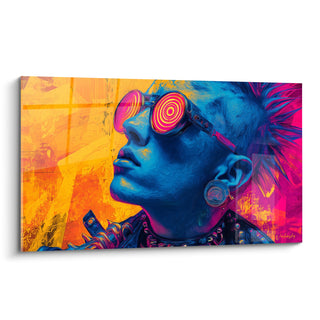 Cyberpunk111
artworks
Cyberpunk111
artworks
-
 Epoxy (Style)47
artworks
Epoxy (Style)47
artworks
-
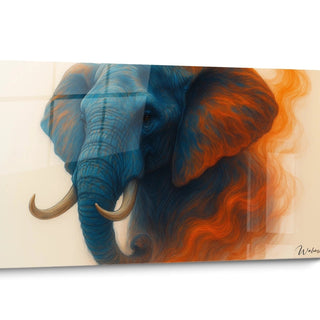 Fluid Mythoscene10
artworks
Fluid Mythoscene10
artworks
-
 Originals Black Gold14
artworks
Originals Black Gold14
artworks
-
 Abstract Relief10
artworks
Abstract Relief10
artworks
-
 Statue10
artworks
Statue10
artworks
-
 Crochet Style25
artworks
Crochet Style25
artworks
-
 Porcelain Style8
artworks
Porcelain Style8
artworks
-
 Trompe-l'oeil8
artworks
Trompe-l'oeil8
artworks


All about Stained glass style wall art
- Overview Stained Glass Art
- Stained Glass Art Luminous
- Contemporary Stained Glass Art
- Decorative Stained Glass Art
Discover the fascinating world of stained glass artworks, these luminous art pieces that transform your interior into a majestic space bathed in shimmering colors. Unlike traditional wall decorations, stained glass artworks offer a unique visual experience through their interaction with natural and artificial light.
Modern stained glass artworks combine the ancestral art of stained glass with contemporary decorative concepts. Each piece becomes a focal point in your space, creating an incomparable atmosphere when light passes through it. Whether you seek a statement piece for your living room, an artistic creation for your entrance hall, or a decorative element for your living space, stained glass artworks add an extra dimension to your décor.
Our collections of large-format stained glass artworks are designed to captivate and radically transform the ambiance of your space. The vibrant transparency of stained glass creates light effects impossible to reproduce with other types of wall art. Explore our different collections to find the stained glass artwork that will enhance your interior and reflect your personality.
In the sections below, discover the unique aspects of luminous stained glass artworks, the contemporary creations that reinvent this traditional art, and the multiple decorative possibilities offered by these exceptional works.
Luminous Stained Glass Art: The Art of Transfigured Light
Luminous stained glass artworks represent an exceptional category of wall art where light becomes an active element of the work. Unlike classical paintings that simply reflect light, a stained glass artwork interacts with it, transforms it and projects it into the surrounding space, creating a dynamic and evolving visual experience throughout the day.
What makes luminous stained glass artworks unique?
The primary characteristic of a luminous stained glass artwork lies in its ability to transform a room's ambiance according to the intensity and direction of light. At sunrise, warm colors may predominate, while cooler tones take over as the day progresses. This natural color variation is impossible to achieve with traditional wall artworks.
Large-format stained glass artworks are particularly impressive when strategically placed to capture natural light. East-facing placement will enhance morning colors, while west-facing orientation creates blazing atmospheres at day's end. This temporal dimension adds an extra depth to the artistic experience.
- Dynamic interaction with natural and artificial light
- Chromatic variations throughout the day
- Colored light projections on surrounding surfaces
- Three-dimensional effect thanks to material translucency
Technical considerations for installing luminous stained glass artworks
Installing a luminous stained glass artwork requires particular thought regarding placement and lighting. Unlike classical wall artworks that can be hung almost anywhere, stained glass artworks reach their full potential when traversed by light. For spaces without appropriate windows, installing a dedicated LED lighting system can recreate this magical effect.
The distance between the stained glass artwork and the light source directly influences the intensity and sharpness of color projections. Optimal spacing of 15 to 25 cm between the artwork and the source produces defined projections while avoiding potential overheating issues with certain lighting types.
How to choose the ideal location for your stained glass artwork?
Selecting the ideal location for a luminous stained glass artwork depends on several factors specific to this type of work. Unlike traditional artworks that can be hung on any wall, stained glass requires particular consideration of geographic orientation and the presence of natural or artificial light sources.
Through-rooms with east-west exposure are particularly well-suited to enjoy light variations throughout the day. Spacious entrance halls, stairwells with light shafts, or mezzanines constitute privileged locations for large-format stained glass artworks.
To maximize visual impact, installing a stained glass artwork in front of an underused window can transform a basic light source into a permanent chromatic spectacle. Modern stained glass artworks no longer need to be sealed in fixed frames like their cathedral ancestors, allowing much greater installation flexibility.
Specific maintenance for light-exposed stained glass artworks
Maintaining a luminous stained glass artwork differs significantly from caring for other wall artworks. Dust and fingerprints are more visible when light passes through the stained glass, requiring more frequent cleaning. Use a microfiber cloth slightly dampened with a non-abrasive product specifically designed for glass surfaces.
UV protection is also essential to preserve the vibrancy of colors in stained glass artworks exposed to direct sunlight. Some modern stained glass artworks incorporate UV filters, but it's recommended to verify this feature before purchase if the intended location receives significant sun exposure.
Large-format luminous stained glass artworks require regular inspection of joints and fasteners, as combined weight and differential heating of materials can cause mechanical stress over time. This preventive maintenance ensures the longevity of your artistic investment.
Contemporary Stained Glass Art: Fusion of Ancestral Art and Modern Design
Contemporary stained glass artwork represents a fascinating evolution of traditional stained glass art. While historical stained glass was primarily associated with religious buildings, contemporary creations have transcended these limitations to become sophisticated decorative elements for modern interiors. This artistic metamorphosis now allows majestic pieces to be integrated into minimalist or design-oriented living spaces.
What are the distinctive characteristics of contemporary stained glass artworks?
Contemporary stained glass artworks distinguish themselves through innovative approaches to materials, techniques, and themes. Unlike traditional stained glass that exclusively used colored glass assembled with lead, modern creations incorporate complementary materials such as brushed metal, stainless steel, or resin elements that increase durability and enable bolder designs.
Geometric abstraction often dominates contemporary compositions, creating sophisticated light effects through precise cutting and minimalist assemblies. Contemporary artists favor clean lines and distinct forms that harmonize seamlessly with modern architecture featuring large glass surfaces or streamlined interiors.
- Use of mixed and innovative materials
- Geometric and abstract designs
- Modern assembly techniques without lead
- Possible integration of LED or luminous elements
The evolution of modern stained glass artwork creation techniques
Technological revolution has considerably influenced contemporary stained glass artwork design. 3D modeling software allows artists to visualize precisely how light will interact with different glass pieces before fabrication even begins. This approach reduces trial-and-error and enables creation of works perfectly adapted to the space and specific light orientation of the installation site.
Glass fusing techniques have also transformed the aesthetics of modern stained glass artworks. Unlike traditional methods requiring numerous assembled glass pieces, fusion allows creation of continuous surfaces with subtle gradients and fluid color transitions, offering a more contemporary and refined aesthetic.
Fastening systems have also evolved to enable easier and more secure installation of large formats. Floating frames create the illusion that the stained glass artwork hovers slightly before the wall, amplifying the depth and lightness effect characteristic of contemporary creations.
Integration of stained glass artworks in contemporary architecture
Harmonious integration of stained glass artworks in contemporary architecture represents a stimulating challenge that modern creators have met brilliantly. Current spaces, characterized by large openings and significant ceiling heights, provide an ideal setting for large-format stained glass artworks that can serve as semi-transparent space dividers while preserving natural luminosity.
Lofts and mezzanine apartments constitute particularly suitable locations for large suspended stained glass artworks. These works can be installed at height, creating light projections that animate the vertical space often underutilized in modern interiors with high ceilings.
Commercial and corporate buildings also adopt contemporary stained glass artworks as architectural differentiation elements. In reception halls or waiting areas, these monumental works create a memorable first impression and reflect the company's visual identity while improving acoustics thanks to the sound-absorbing properties of textured glass.
Customization and adaptation to minimalist spaces
Contemporary stained glass artwork customization allows perfect integration into minimalist interiors where each decorative element must be carefully selected. Modern glass artists closely collaborate with interior architects to create works that complement the space rather than dominate it, using restricted color palettes or patterns that echo existing architectural lines.
Monochromatic stained glass artworks with subtle variations in tones and textures represent a major trend in streamlined contemporary spaces. These sophisticated creations offer strong visual presence without overwhelming the space, while creating changing light effects that bring dynamism and depth to the environment.
For spaces with impressive dimensions such as double-height entrances or cathedral-like living rooms, stained glass artworks can be designed as monumental diptychs or triptychs that visually structure the space while preserving light circulation. This modular approach also facilitates installation and transport of these large-scale works.
Decorative Stained Glass Art: Artistic Brilliance and Interior Harmony
Decorative stained glass artworks represent an exceptional category of wall art that transcends mere ornamental function to become a transformative space element. Unlike classical wall artworks that remain static, decorative stained glass artworks constantly interact with their environment, creating perpetual dialogue between light, color, and architectural space.
Why choose a decorative stained glass artwork over other wall art?
Choosing a decorative stained glass artwork represents a deliberate decision to introduce an extra dimension into your interior space. Unlike traditional wall artworks that exploit only visual surface, stained glass artworks transform the very quality of light that enters and circulates in your interior, creating an immersive and evolving experience.
Large-format decorative stained glass artworks function as architectural light filters that modify the general atmosphere of a room. They can soften harsh direct light that's too intense, diffuse a soothing colored ambiance, or visually warm a minimalist space that would otherwise lack personality.
- Transformation of the light quality in space
- Creation of evolving chromatic ambiances
- Three-dimensional effect thanks to light projections
- Personalization of atmosphere according to time of day
Strategic placements to maximize decorative impact
Strategic positioning of a decorative stained glass artwork can significantly amplify its visual and emotional impact. Transition spaces such as stairwell landings, wide corridors, or vestibules constitute privileged locations where the work can be appreciated from different angles as you move through the home.
Spacious bathrooms represent an unexpected yet particularly well-suited location for moisture-resistant decorative stained glass artworks. When installed near a natural light source, they transform this functional space into a wellness sanctuary bathed in soft, changing colors.
Home offices or work spaces also benefit from the presence of a decorative stained glass artwork that can filter potentially dazzling exterior light while creating an atmosphere conducive to concentration and creativity. Certain specific tones such as translucent blues and greens are particularly recommended for these productivity spaces.
How stained glass artworks influence spatial perception?
Decorative stained glass artworks exert considerable influence on spatial perception through their unique light interaction. When placed perpendicular to a window, they can create color zones that visually redefine space boundaries and give the impression of a more structured and dynamic room.
Large vertical stained glass artworks emphasize ceiling height and create an impression of elevation, particularly valuable in urban spaces with restricted dimensions. This vertical expansion illusion is amplified when the work features ascending patterns or chromatic gradients evolving from dark to light.
For open spaces like living room-kitchens or lofts, suspended stained glass artworks can serve as semi-transparent visual dividers that define functional zones without completely blocking views or light circulation. This decorative solution offers an elegant alternative to traditional partitions while preserving the fluidity characteristic of contemporary layouts.
Chromatic harmony between stained glass artwork and interior decoration
Harmonious integration of a decorative stained glass artwork in an existing interior requires reflection on chromatic complementarity between the work and surrounding decorative elements. Unlike traditional artworks presenting fixed colors, stained glass offers a dynamic palette that evolves according to the intensity and angle of incident light.
Stained glass artworks with warm dominant tones like ambers, ochres, or deep reds bring sensation of comfort and intimacy to contemporary minimalist spaces often characterized by neutral tones. This visual warmth is particularly appreciated in regions with long winters where natural light can appear cold and insufficient.
Conversely, stained glass artworks with cool dominants such as cerulean blues or water greens create sensation of extended space and freshness, ideal for southern interiors exposed to intense light. These works can visually lower the perceived temperature of a space while effectively filtering direct solar glare.
Stained Glass Artwork FAQ
What is the difference between a stained glass artwork and traditional stained glass?
A stained glass artwork is an independent artistic work designed to be hung or installed as a wall decorative element, while traditional stained glass is generally integrated directly into building architecture, often replacing a window. The stained glass artwork offers greater installation flexibility and can be easily moved, unlike traditional stained glass which is fixed.
Do stained glass artworks require special maintenance?
Stained glass artworks require delicate cleaning with a soft cloth slightly dampened with a product specifically designed for glass surfaces. It's recommended to avoid prolonged exposure to direct sunlight to preserve color vibrancy, unless the work is specifically treated against UV rays. Annual inspection of joints and fasteners is advised for large pieces.
How to choose the ideal size of a stained glass artwork for my space?
The ideal size for a stained glass artwork depends on several factors: available wall dimension, usual viewing distance, space lighting intensity, and desired effect. For an impressive statement piece, favor a format of at least 100x150 cm that will allow appreciation of details and light effects. For more restricted spaces, stained glass artworks of 60x80 cm can create significant visual impact without overwhelming the space.
Further reading
Our articles on this topic
- Wall art and glass walls: playing with transparency and light
- What artworks for a house with large bay windows?
- Spiritual Artwork: A Quest for Meaning and Visual Transcendence
- Traditional and Ethnic Artwork: A Richness of Cultures and Visual Heritage
- Optical Effect Paintings: Play with Perception and Attention
- Wall art in a conservatory or very bright room: be aware of reflections


