


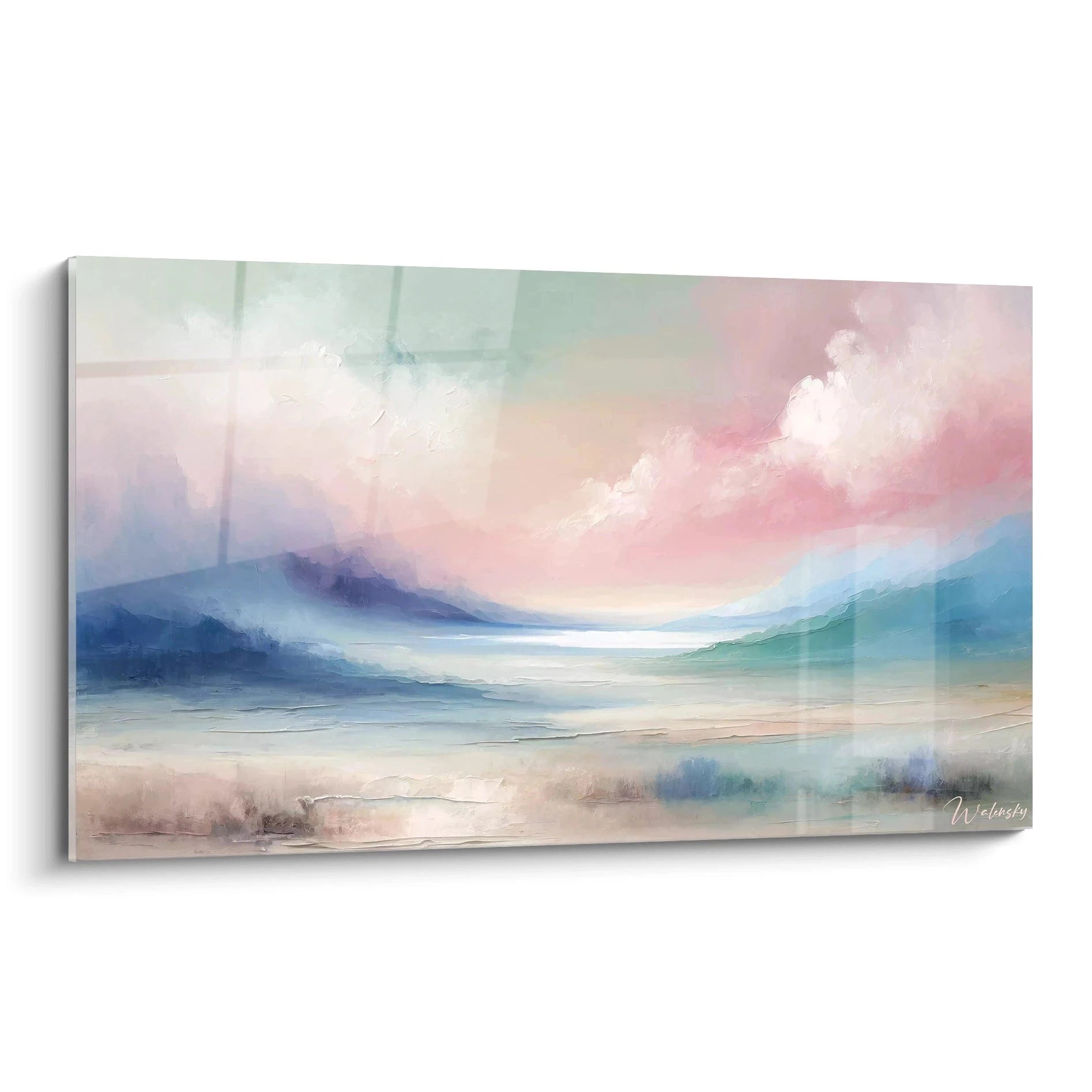


Modern Tree of Life Wall Art
Our Collection Tree Painting Modern Life reinvents this millennial symbol with a refined contemporary aesthetic. Each Wall Decoration Tree of Life combines timeless spirituality and minimalist design to create captivating works. These artistic creations transform your spaces into true havens of serenity. Perfect for the living room, bedroom or zen space, these Contemporary Tree of Life Paintings bring harmony and depth to your interior decoration.
 Tree of Life Zen Dance of Seasons Wall Art273,90 €
 Tree of life canvas with autumn colors and golden foliage on panoramic canvas - Autumn Symphony - Tree of life edition242,90 €
 Majestic tree painting with golden branches on nuanced beige background - Golden Wisdom - Tree of Life Edition242,90 €
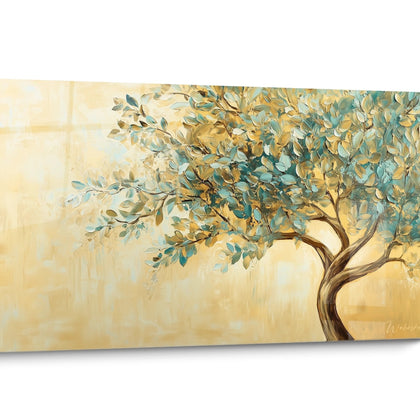
 Beige and Green Textured Tree Foliage Wall Art on Cream Background - Natural Harmony - Tree of Life Edition242,90 €
 Turquoise and Cream Tree Wall Art with Windswept Foliage - Eternal Breath - Tree of Life Edition242,90 €
 Tree with golden and ochre leaves canvas on textured beige canvas - Autumn Symphony - Tree of Life Edition242,90 €
 Majestic tree artwork with golden foliage in golden light - Eternal Radiance - Tree of Life Edition273,90 €
 Majestic Tree with Golden Foliage on Beige Background Wall Art - Autumn Splendor - Tree of Life Edition273,90 €
 Golden Leaves Tree Wall Art on Beige and White Background - Autumn Light - Tree of Life Edition273,90 €
 Tree painting with golden branches on pearlescent white background - Autumn light - Tree of life edition273,90 €
 Golden tree artwork in beige and white tones on textured canvas - Golden Serenity - Tree of Life Edition273,90 €
 Majestic Tree of Life Wall Art with Golden and Caramel Nuances on Ivory Background - Timeless Elegance - Tree of Life Edition273,90 €
 Wall art with golden and beige tones on cream background - Golden Serenity - Tree of Life Edition273,90 €
 Golden foliage tree artwork on luminous beige background - Autumn Symphony - Life Tree Edition273,90 €
 Majestic tree artwork with golden and turquoise foliage on beige background - Autumn Symphony - Tree of Life Edition273,90 €
 Tree painting with golden and turquoise foliage on luminous beige background - Golden Serenity - Tree of Life Edition273,90 €
 Tree Wall Art with Golden and Soft Green Leaves on Light Beige Background - Golden Serenity - Tree of Life Edition273,90 €
 Canvas with golden foliage on misty background - Autumn Light - Tree of Life Edition273,90 €
 Tree wall art with golden and cream tones on soft green background - Autumn light - Tree of life edition228,90 €
 Tree Dance of the Seasons - Life Tree Edition Wall Art228,90 €
 The Legacy of Souls Wall Art - Zen Tree of Life Edition273,90 €
 The Spirit of Nature Wall Art - Zen Tree of Life Edition273,90 €
 Tree and Wind Fusion Wall Art - Tree of Life Zen Edition273,90 €
 Eternal Tree of Life Wall Art - Zen Tree of Life Edition273,90 €
Explore further
In Modern Tree of Life Wall Art
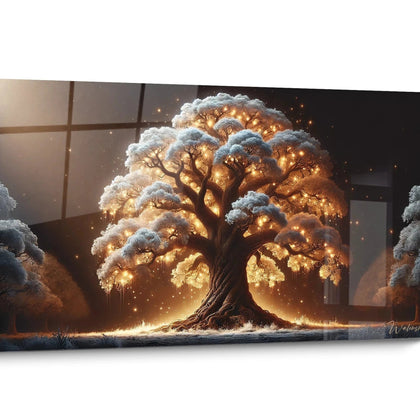
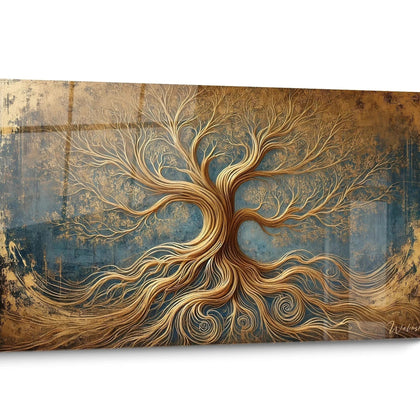
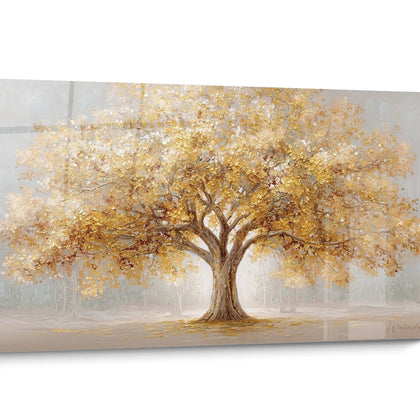

All about Modern Tree of Life Wall Art
- Presentation of Modern Tree of Life Painting
- Contemporary Design & Minimalism
- Architectural Integration
- Visual Impact & Ambiance
The modern tree of life painting transcends simple wall decoration to become a true architectural signature in contemporary spaces. This refined representation of the ancestral symbol adapts perfectly to the aesthetic requirements of current interiors, where graphic lines and geometric sobriety define decorative excellence. Unlike traditional versions, this contemporary variation favors angular lines, asymmetrical compositions, and monochrome or two-tone color palettes, creating a monumental presence suitable for the generous volumes of lofts, renovated Haussmann apartments, and architect-designed homes.
TheMinimalist Aesthetic of the Modern Tree of Life Painting
The modern tree of life painting is distinguished by its reductionist approach, eliminating all superfluous elements to retain only the symbolic essence. Clean lines replace complex branches, while geometric structures redefine the traditional organic silhouette. This stylistic transformation perfectly responds to the visual codes of Scandinavian, industrial, and neo-minimalist interiors, where every decorative element must justify its presence by its expressive power.
How do graphic lines transform the ancestral symbol?
The contemporary interpretation favors linear segments and right angles that contrast with natural curves. This geometrization of life creates a fascinating visual tension, particularly striking on monumental formats where each branch becomes a guiding line that structures the wall space. Asymmetrical compositions break traditional symmetry to generate architectural dynamism that dialogues with exposed beams, metal structures, or contemporary screens.
Color palette and visual impact in large spaces
Monochrome black and white variations dominate the offer of the modern tree of life painting, exploiting radical contrast to maximize wall presence. Black on white creations create a spectacular silhouette that stands out as a focal point in double-height spaces and open-plan spaces. Conversely, white lines on dark backgrounds bring ideal graphic brightness for accent walls in anthracite or navy blue. Some creations introduce gilded or copper metallic touches that capture natural light throughout the day.
The influence of Scandinavian design on modern representations
The Nordic movement has profoundly influenced the evolution of the modern tree of life painting towards functional simplicity. Hygge codes value natural symbols treated with restraint, where spiritual symbolism is expressed without ostentation. This approach translates into airy compositions, generous negative spaces, and an economy of plastic means that paradoxically amplifies the emotional charge. To discover even more conceptual interpretations, explore our collection of abstract tree of life paintings which pushes stylization to graphic deconstruction.
Integrating a Modern Tree of Life Painting into Contemporary Architecture
Installing a modern tree of life artwork requires architectural consideration that goes beyond simple wall mounting. In contemporary spaces characterized by generous ceiling heights and continuous wall surfaces, this type of creation becomes a structuring element that redefines visual proportions. XXL formats, frequently exceeding 150 centimeters in width, fully exploit the blind walls of open kitchens, cathedral entrances, or stairwells to create moments of contemplation in the domestic journey.
Which spaces particularly value this wall decoration?
Lofts with exposed brick walls are the preferred setting for the modern tree of life artwork. The contrast between the raw texture of the support and the crispness of the contemporary lines generates a particularly appealing material-graphic dialectic. Transitional spaces such as wide hallways and stair landings also benefit from this monumental presence, which transforms functional areas into private galleries. In open living rooms, the artwork is ideally positioned behind the main sofa or on the wall perpendicular to the bay windows to avoid reflections while capturing indirect light.
Dialogue with contemporary furniture and raw materials
The modern tree of life artwork establishes formal correspondences with minimalist furniture featuring exposed structures. Metal table legs, black steel shelves, or wire suspensions create a network of lines that visually respond to each other. Raw materials such as polished concrete, untreated wood, or oxidized metal form natural chromatic associations with the restricted palettes of these creations. This material consistency unifies the space while preserving the visual hierarchy where the artwork retains its status as a dominant element.
Implementation strategies in modern professional spaces
Beyond residential interiors, the modern tree of life artwork invests in tertiary spaces where the symbolism of growth and rooting resonates with entrepreneurial values. The reception halls of technology startups, the waiting rooms of consulting firms, and coworking areas adopt these representations that communicate stability and innovation simultaneously. Panoramic formats are particularly well-suited to reception walls where they reinforce the visual identity without competing with functional signage.
The Emotional and Symbolic Impact of the Modern Tree of Life Artwork
Beyond its formal qualities, the modern tree of life artwork conveys a symbolic charge that enriches the daily spatial experience. Contemporary stylization does not diminish the archetypal power of the symbol but makes it accessible to current sensibilities that prioritize suggestion over literal representation. This controlled abstraction allows each observer to project their own interpretation, transforming the artwork into a meditative support adaptable to the different phases of life of the occupants.
How does this decoration influence the interior atmosphere?
Installing a modern tree of life artwork subtly modifies the emotional tone of a space by introducing an organic dimension into potentially cold environments. Ascending lines naturally suggest growth and aspiration, generating a vertical dynamic that psychologically elevates the gaze and spirit. This stylized plant presence compensates for the absence of nature in urban interiors without falling into the picturesque or outdated decorative style. Asymmetrical compositions create a productive visual tension that maintains attention and avoids the monotony of overly symmetrical arrangements.
Universal symbolism adapted to contemporary lifestyles
The tree of life symbol transcends cultures and eras, carrying meanings of connection, lineage, and balance between the earthly and the celestial. Its modern transposition preserves this semantic richness while inscribing it within a contemporary aesthetic. For young couples setting up their first home, the work symbolizes newly planted roots and future development. Families see it as a representation of their evolving genealogy, while independent professionals appreciate the metaphor of organic growth and resilience.
Complementarity with natural elements in interior design
The modern tree of life painting fits perfectly into the biophilic design trend, which reintroduces nature into the habitat. Unlike living plants that require maintenance and specific conditions, this permanent representation offers a constant vegetal presence, insensitive to variations in light or prolonged absences. The combination with real indoor plants creates an interesting stratification between representation and reality, where the wall graphic dialogues with organic volumes of ficus, monsteras, or indoor olive trees. Handcrafted ceramic or raw concrete planters reinforce this material continuity.
Can a modern tree of life painting be combined with other wall artworks?
The combination works particularly well with monochrome abstract compositions or large-format black and white photographs, provided that sufficient visual distance is maintained. It is preferable to arrange them on different walls rather than a wall gallery, which would dilute the strength of the main symbol. Vertical formats naturally complement the orientation of the painting.
What is the aesthetic lifespan of a modern tree of life painting?
Unlike ephemeral decorative trends, the modern tree of life painting is based on timeless minimalist codes that transcend fashions. Its chromatic neutrality and refined geometry guarantee lasting aesthetic relevance, comparable to Scandinavian design classics. The investment is justified by this stylistic longevity, which accompanies successive changes in interior design without requiring replacement.
How does a modern tree of life painting adapt to changes in interior decoration?
Its formal neutrality is precisely its major adaptive advantage. When changing color palettes or furniture styles, the work retains its coherence thanks to its universal graphic character. It works just as well with an evolution towards warm earth tones of raw Sienna as with a turn towards cool blue-gray hues, its linear structure naturally integrating into different successive decorative contexts.
Further reading
Our articles on this topic
- Wall art as a manifesto for a sustainable and thoughtful lifestyle
- Universal sacred wall art, natural cycles and silence on the wall
- Personal Development Artwork, a Visual Companion on Your Inner Journey
- Adaptive Smart Art Clock, Wall Art That Adapts to Time
- A wall art inspired by dreams or mental projections
- Modern Sacred Geometry Wall Art, Mandalas and Contemporary Spirals


