


Tree of Life Zen Wall Art
The Painting Tree of Zen Life embodies serenity and harmony in your interior. This collection captures the spiritual essence of the sacred tree, a universal symbol of balance and connection. Each artwork reveals clean lines and soothing tones that invite meditation. Perfect for creating a zen decoration and soothing, this painting integrates ideally into a living room, bedroom or relaxation space. The symbolic tree of life brings a touch of timeless and spiritual elegance to your decor.
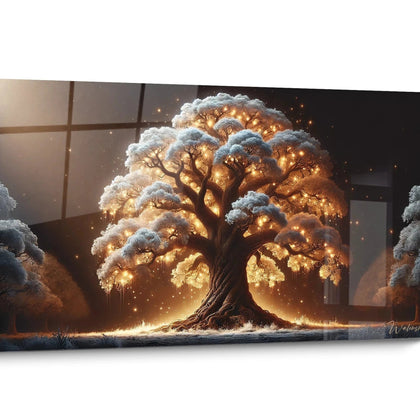
 Night Tree Wall Art - Zen Life Tree Edition273,90 €
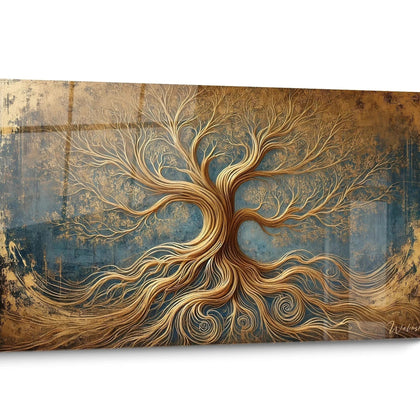
 Ancient Tree Wall Art - Life Tree Zen Edition273,90 €
 Tree of life canvas with autumn colors and golden foliage on panoramic canvas - Autumn Symphony - Tree of life edition242,90 €
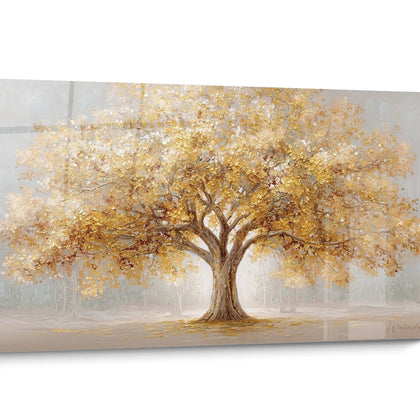
 Majestic tree painting with golden branches on nuanced beige background - Golden Wisdom - Tree of Life Edition242,90 €
 Beige and Green Textured Tree Foliage Wall Art on Cream Background - Natural Harmony - Tree of Life Edition242,90 €
 Turquoise and Cream Tree Wall Art with Windswept Foliage - Eternal Breath - Tree of Life Edition242,90 €
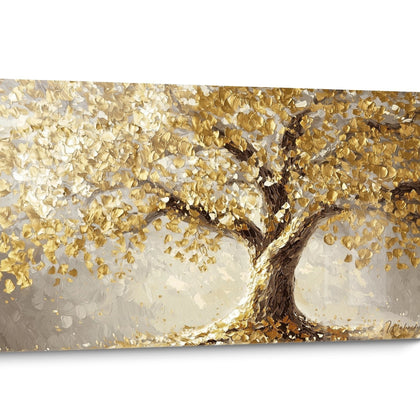
 Tree with golden and ochre leaves canvas on textured beige canvas - Autumn Symphony - Tree of Life Edition242,90 €
 Wall art tree with sinuous golden branches over mountainous landscape - Millennial wisdom - Tree of life edition242,90 €
 Majestic tree artwork with golden foliage in golden light - Eternal Radiance - Tree of Life Edition273,90 €
 Majestic Tree with Golden Foliage on Beige Background Wall Art - Autumn Splendor - Tree of Life Edition273,90 €
 Golden Leaves Tree Wall Art on Beige and White Background - Autumn Light - Tree of Life Edition273,90 €
 Tree painting with golden branches on pearlescent white background - Autumn light - Tree of life edition273,90 €
 Ancient tree artwork with spread branches and ochre golden foliage under divine light - Symbol of eternity - Tree of life edition273,90 €
 Golden tree artwork in beige and white tones on textured canvas - Golden Serenity - Tree of Life Edition273,90 €
 Majestic Tree of Life Wall Art with Golden and Caramel Nuances on Ivory Background - Timeless Elegance - Tree of Life Edition273,90 €
 Wall art with golden and beige tones on cream background - Golden Serenity - Tree of Life Edition273,90 €
 Golden foliage tree artwork on luminous beige background - Autumn Symphony - Life Tree Edition273,90 €
 Majestic tree artwork with golden and turquoise foliage on beige background - Autumn Symphony - Tree of Life Edition273,90 €
 Tree painting with golden and turquoise foliage on luminous beige background - Golden Serenity - Tree of Life Edition273,90 €
 Tree Wall Art with Golden and Soft Green Leaves on Light Beige Background - Golden Serenity - Tree of Life Edition273,90 €
 Canvas with golden foliage on misty background - Autumn Light - Tree of Life Edition273,90 €
 Tree wall art with golden and cream tones on soft green background - Autumn light - Tree of life edition228,90 €
 Tree Dance of the Seasons - Life Tree Edition Wall Art228,90 €
 Eternal Tree of Life Wall Art - Zen Tree of Life Edition273,90 €
Explore further
In Tree of Life Zen Wall Art

All about Tree of Life Zen Wall Art
- Zen Tree of Life Wall Art Presentation
- Symbolism and Spirituality
- Space Harmonization
- Benefits and Practices
The zen tree of life wall art embodies the perfect fusion of Eastern philosophy and contemporary aesthetics. This large-format mural transforms spaces dedicated to meditation, contemplative practices and environments conducive to mental peace. Unlike classical decorative representations, this work follows a profound spiritual approach, serving as a visual support for mindfulness exercises and energetic grounding. Generous dimensions allow for total immersion in the symbolism of rootedness and spiritual expansion, creating a focal point for zazen or yoga sessions. Each branch evokes inner journey while roots remind us of the importance of connection to earth in meditative practices. This type of creation particularly appeals to practitioners of Eastern disciplines, holistic therapists and those creating a personal sanctuary dedicated to spiritual development.
The Spiritual Dimension of Zen Tree of Life Wall Art
The zen tree of life wall art transcends mere decorative function to become a true vertical mandala. In Zen Buddhist tradition, the tree represents progressive awakening, each branch symbolizing a step of consciousness toward enlightenment. This large-dimension mural artwork accompanies daily meditation rituals by offering a visual support for concentration and letting go.
How does zen iconography transform our perception of the tree of life?
Zen aesthetics applied to this universal symbol prioritizes simplicity and natural asymmetry. Bare branches evoke wabi-sabi, the Japanese philosophy celebrating imperfection and impermanence. The minimalist zen tree of life wall art rejects excessive ornamentation to retain only the tree's essence, creating a breathing visual space conducive to mental peace. Neutral tones and subtle contrasts facilitate meditation without overstimulating the nervous system.
The tree as bridge between microcosm and macrocosm
In zen teachings, the tree of life illustrates the connection between the practitioner and the entire universe. Roots plunging into earthly depths symbolize the grounding necessary for contemplative practices, while branches rising toward the sky represent spiritual aspiration. Installing a zen tree of life meditation wall art in a dedicated space creates a visual cartography of the inner path. This representation supports visualization and conscious breathing exercises by offering a tangible metaphor for energetic circulation. Therapists specializing in holistic medicine and mindfulness instructors frequently use this imagery to guide patients toward deep centering.
The visual codes of Buddhist serenity
The color choice of a zen tree of life wall art draws directly from Japanese contemplative gardens. Shades of stone gray, moss green and sand beige reproduce the atmosphere of Buddhist temples where inner silence reigns. This soothing palette acts on the parasympathetic nervous system by promoting muscle relaxation and cortisol reduction. The large-format work becomes a therapeutic element in its own right, particularly recommended for integrative psychotherapy consultation spaces or restorative yoga studios. To deepen this spiritual dimension, some collectors combine their purchase with a zen abstract tree of life artwork exploring other facets of this timeless symbol.
Creating a Personal Sanctuary with Zen Tree of Life Wall Art
Which placement fosters energetic grounding?
Installing a zen tree of life wall art requires reflection on energetic flow circulation according to adapted feng shui principles. Unlike standard decorative works, this type of creation requires a clear wall facing where one can sit in meditation position. The eastern zone of the room, associated with the wood element in Taoist cosmology, constitutes the optimal location to strengthen energies of spiritual growth and personal renewal. Practice spaces require a minimum two-meter distance between the meditation seat and the artwork to allow gentle focus without eye tension.
Creating an atmosphere conducive to silent contemplation
The zen tree of life wall art large size structures the meditation space by defining an essential vertical axis for postural alignment practices. Visually rooted roots create a downward force line that facilitates grounding during extended zazen sessions. This verticality dialogues with traditional personal sanctuary accessories: zafu meditation cushion, Tibetan singing bowl and natural incense burner. Everything together creates a coherent environment where each element reinforces contemplative intention. Advanced practitioners report significant improvement in meditation quality when the gaze can naturally rest on this symbolic representation during transition phases between concentration and letting go.
Which harmonious complements for an authentic zen space?
Decoration around zen tree of life wall art in Japanese style follows principles of sobriety and meditative functionality. Natural elements dominate: river stones arranged in circles, bamboo branch in cylindrical vase, or small sand garden. Indirect lighting through rice paper lamps diffuses soft luminosity that preserves the contemplative atmosphere without creating disturbing reflections on the artwork's surface. Natural textiles like raw linen or hemp for floor cushions extend this refined aesthetic. This sensory coherence transforms the room into a true domestic dojo where spiritual practice integrates naturally into daily life.
The spatial impact of monumental formats
The generous dimensions of a zen tree of life wall art profoundly modify space perception. This imposing mural presence creates an immersion effect comparable to Buddhist monastery frescoes. The gaze doesn't merely observe the work but literally enters its composition, following the branch path like a contemplation trail. This monumental scale suits spaces exclusively dedicated to meditative practice, spiritual retreat centers and psychosomatic therapy offices where the visual environment actively participates in the therapeutic process.
The Therapeutic Virtues of Zen Tree of Life Wall Art
How does this visual support influence meditative states?
The zen tree of life wall art functions as a fixation point during open-eyes meditation practiced in certain zen schools. This technique, called kasina in Buddhist traditions, uses a visual object to stabilize the mind's wandering attention. The tree's organic structure with its natural ramifications offers sufficient complexity to maintain contemplative interest without excessively stimulating mental activity. Contemplative neuroscience confirms that this type of gentle focusing activates the default mode network of the brain, fostering introspection and intuitive creativity.
The tree as metaphor for therapeutic work
Psychotherapists integrating mind-body approaches use zen tree of life psychotherapy wall art as a projection support during sessions exploring emotional experience. Roots symbolize foundational experiences and unconscious memories, while branches represent personal potentialities and resources to develop. This visual cartography facilitates guided visualization exercises and contemplative EMDR. The monumental format allows patients to physically indicate tree zones corresponding to different dimensions of their experience, creating concrete externalization of inner processes. This approach proves particularly effective in emotional regulation therapies and post-traumatic resilience protocols.
Nervous system regulation through contemplation
Extended observation of zen tree of life wall art activates the relaxation response identified by cardiologist Herbert Benson. Organic forms and the tree's natural asymmetry trigger a sense of biological familiarity, our brain instinctively recognizing these patterns present in nature. This subconscious recognition induces lowered blood pressure and slower heart rate. Waiting areas of holistic practitioners, rest rooms in hospital settings and stress management centers systematically integrate this type of imagery to prepare patients for care or facilitate recovery. Imposing formats amplify this effect by creating a soothing presence impossible to ignore, even in peripheral vision.
Supporting daily mindfulness practices
The zen tree of life wall art transforms any room into a constant reminder of contemplative intention. Facing the endless solicitations of modern life, this visual presence functions as an anchor for returning to the present moment. Informal meditation practitioners – this conscious attention integrated into daily activities – use the artwork as a signal for mental pause. A simple glance at the branches becomes a micro-moment of conscious breathing that interrupts automatic thought flow. This reminder function justifies installation in transition spaces like hallways or landings where repeated passages create multiple opportunities for reconnection to self.
Where should you place zen tree of life wall art to maximize its meditative benefits?
Prioritize a wall where you can sit comfortably at a distance of 2 to 3 meters, ideally in the eastern zone of your space according to feng shui, to promote energetic grounding and postural alignment during your daily contemplative practices.
Is zen tree of life wall art suitable for restorative yoga practices?
Absolutely, its soothing presence and rootedness symbolism perfectly complement restorative yoga's deep relaxation postures by creating a focal point that facilitates mental letting go and parasympathetic nervous system regulation during extended holds.
How to choose the ideal color palette for zen tree of life wall art?
Opt for tones inspired by Japanese contemplative gardens – stone gray, moss green, sand beige or ink black – that reproduce Buddhist temple atmosphere and naturally promote cortisol reduction while supporting meditation entry without excessive visual stimulation.
Further reading
Our articles on this topic
L'art qui suscite l'envie
Maison belge d'art mural grand format
14 jourspour changer d'avis*
Protection Walenskyincluse
Fabriquéen Italie
FormatXXL
Kit de fixationtoujours fourni
* Hors tableaux personnalisés et tailles personnalisées


