


Modern African Face Wall Art
The Modern African Face Painting elevates contemporary artistic expression by celebrating the cultural richness of the African continent. This unique collection highlights captivating portraits that blend ancestral traditions and avant-garde aesthetics. Each work of contemporary African art captures the intensity of gazes, the nobility of features, and the spiritual depth of the faces depicted. Perfect for a chic ethnic wall decoration, this collection transforms your interior into a vibrant and sophisticated art gallery.
 African Woman Painting Autumn - Goddess with Golden Leaves - African Face Edition273,90 €
 African Woman Painting - Coral Petals - African Face Edition273,90 €
 African Woman Artwork - Queen with Red Pearls - African Face Edition273,90 €
 African Woman Painting - Golden Elegance - African Face Edition273,90 €
 African Woman with Necklace Painting - Contemporary Ethnic Portrait - African Face Edition273,90 €
 African Woman Autumn Painting - Floral Metamorphosis - African Face Edition273,90 €
 African Woman Autumn Painting - Seasonal Metamorphosis - African Face Edition228,90 €
 Contemplative African Woman Painting - Golden Elegance - African Face Edition228,90 €
 African Woman Painting - Modern Profile - African Face Edition228,90 €
 Colorful African Woman Painting - Modern Tribal Portrait - African Face Edition273,90 €
 Two African Women Profile Painting - Ethnic Harmony - African Face Edition273,90 €
 African Woman Painting with Oranges - Tropical Portrait - African Face Edition228,90 €
 African Woman Goddess Floral Painting - africa edition273,90 €
 African Painting Cubic Reflections - Africa edition273,90 €
 African Wall Art Visual Melody - Africa Edition273,90 €
 African Wall Art Pearls of Wisdom - africa edition273,90 €
 African Woman Wall Art Geometric Beauty - Africa Edition273,90 €
 African Woman Wall Art Floral Crown - Africa Edition273,90 €
 African Woman Sunflower Goddess Wall Art - Africa Edition273,90 €
 African Woman Floral Beauty Art - Africa Edition273,90 €
 African Woman Painting Tribal Soul - africa edition273,90 €
 African Wild Beauty Wall Art - Africa Edition228,90 €
 African Wall Art Modern Vision - Africa Edition228,90 €
 African Wall Art Heir to the Lands - Africa Edition228,90 €
Explore further
In Modern African Face Wall Art
-
 African Face Wall Art148
artworks
African Face Wall Art148
artworks
-
 African Face Black and White Wall Art8
artworks
African Face Black and White Wall Art8
artworks
-
 Golden African Face Wall Art24
artworks
Golden African Face Wall Art24
artworks
-
 African Face Pop Art Wall Art7
artworks
African Face Pop Art Wall Art7
artworks
-
 African Face Street Art Wall Painting4
artworks
African Face Street Art Wall Painting4
artworks
-
 African Face Portrait Wall Art24
artworks
African Face Portrait Wall Art24
artworks
-
 Colorful African Face Wall Art24
artworks
Colorful African Face Wall Art24
artworks
-
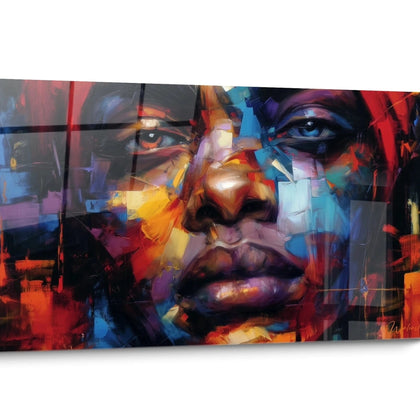 Abstract African Face Canvas Art20
artworks
Abstract African Face Canvas Art20
artworks
-
 African Face Profile Wall Art24
artworks
African Face Profile Wall Art24
artworks
-
 African Tribal Face Wall Art24
artworks
African Tribal Face Wall Art24
artworks


All about Modern African Face Wall Art
- Modern African Face Painting Presentation
- Aesthetics and Cultural Identity
- Contemporary Architectural Integration
- Acquisition and Asset Appreciation
The modern African face painting represents an exceptional fusion between the ancestral heritage of the African continent and contemporary aesthetic codes. These large-scale wall artworks celebrate the beauty of African features through refined compositions that radically transform the atmosphere of residential and professional spaces. Their monumental presence instantly captures attention while infusing authentic cultural depth into design interiors.
The Contemporary Expression of African Beauty
The Reinterpretation of African Aesthetic Canons
The modern African face painting transcends traditional representations by adopting minimalist graphic lines that magnify characteristic bone structure, sculpted cheekbones, and the natural elegance of sub-Saharan physiognomy. This refined approach intentionally contrasts with folkloric iconography to propose a universal and timeless vision. Contemporary artists favor sophisticated color palettes combining deep ochres, burnt sienna tones, and coppery metallic touches that evoke both the warmth of savannas and urban refinement.
The available monumental formats allow appreciation of each expressive detail: the intensity of the gaze, the symbolic texture of adornments, or the graceful curve of the neck. These generous dimensions transform the portrait into a true artistic statement capable of structurally organizing a spacious living room or an imposing entrance hall.
What symbolism do these modern facial representations convey?
Beyond the decorative aspect, each modern African face painting embodies a powerful identity affirmation in contemporary interiors. These artworks celebrate the phenotypic diversity of the continent while questioning dominant Western aesthetic standards. For collectors from the African diaspora, these wall creations function as memorial anchors that reconnect domestic space to cultural roots.
The chosen facial expressions oscillate strategically between contemplative serenity and affirmed determination, offering a multiplicity of emotional readings. This narrative ambivalence considerably enriches the daily experience of occupants, with the artwork's gaze evolving according to moments of the day and the viewer's state of mind. Some compositions also integrate geometric patterns inspired by adinkra symbols or kente fabrics, thus creating visual bridges between figuration and modern African abstract face painting.
The Influence of Pan-African Artistic Movements
The modern African face painting continues the trajectory of cultural renaissance movements that emerged since independence. From Harlem Renaissance influences to contemporary Afrofuturist currents, these artworks synthesize several decades of artistic exploration. Current creators dialogue with the legacy of figures like Ben Enwonwu or Marlene Dumas while incorporating digital image processing techniques that accentuate dramatic contrast between shadows and light.
This artistic lineage confers significant cultural legitimacy to acquisitions, particularly valued by buyers wishing to constitute a coherent collection reflecting the evolution of African art toward international recognition.
Harmonization with Current Architectural Environments
How to integrate these monumental portraits into minimalist spaces?
The successful integration of a modern African face painting in a contemporary interior rests on understanding visual balance. In residential configurations favoring Scandinavian minimalism or industrial aesthetics, these artworks function as organic focal points that humanize refined volumes. Their presence introduces an essential emotional dimension in spaces sometimes austere dominated by polished concrete, brushed steel, or lacquered surfaces.
Large formats are particularly powerful in double-height lofts or open spaces where they structure spatial perception. Positioned facing main circulation zones, they create moments of obligatory contemplation that rhythm the movement of occupants. The warm color palette of these portraits advantageously contrasts with the cold tonalities typical of contemporary architecture, generating sophisticated visual tension.
Dialogue with Design Furniture and Noble Materials
The modern African face painting establishes fascinating visual conversations with contemporary designer furniture. Associated with cognac leather seating, solid walnut coffee tables, or brass sculptural lighting, it composes refined neo-ethnic ambiances highly sought after by interior architects. These material combinations subtly evoke traditional African craftsmanship without falling into folkloric recreation.
The rich pictorial textures of these artworks - whether superimposed glazes or expressive impasto - dialogue remarkably with the tactile surfaces of contemporary furniture. This multisensoriality considerably enriches spatial experience, particularly in high-end professional environments such as international law offices or premium coworking spaces targeting cosmopolitan clientele.
Optimization of commercial and hotel spaces
In the hospitality sector, the modern African face painting has established itself as a powerful signaling element for establishments claiming distinctive cultural identity. Boutique hotels, fusion restaurants, and concept stores use it strategically to instantly communicate their values of cultural openness and authenticity.
The available monumental formats allow optimal visibility even in substantial commercial volumes, while visually resisting competition from luminous signage and commercial furniture. Their ability to generate strong memorable recognition with clientele makes them particularly profitable decorative investments for establishments seeking to differentiate themselves in saturated markets.
Acquisition Strategies and Asset Appreciation
Selection criteria for sustainable investment
The acquisition of a modern African face painting requires evaluation of several determining qualitative parameters. The stylistic coherence of the artist, documented through their portfolio, guarantees controlled aesthetic evolution rather than opportunistic production. Discerning buyers favor creators demonstrating authentic artistic research into contemporary African identity representation, beyond commercial stereotypes.
Execution quality verifies notably in the treatment of physiognomic details: anatomical precision of facial modeling, subtlety of chromatic transitions in skin tones, or expressive depth of the gaze. These technical elements distinctly differentiate artworks intended for lasting appreciation from ephemeral decorative productions. The imposing formats also require particular attention to structural stability to guarantee optimal preservation over several decades.
Which spaces best valorize these monumental artworks?
The strategic positioning of a modern African face painting considerably amplifies its visual impact and asset appreciation. The blind walls of stairwells constitute privileged locations where the artwork benefits from prolonged visibility during daily vertical movements. Residential reception spaces - vestibules, reception rooms - also exploit their ceremonial dimension perfectly.
In professional environments, strategic meeting rooms and VIP reception spaces leverage the symbolic charge of these portraits to subtly communicate values of inclusion and global cultural awareness. This positive instrumentalization contributes to financially valorizing the initial investment by inscribing it within a coherent corporate communication strategy.
Constitution of a coherent thematic collection
Sophisticated collectors frequently develop thematic ensembles around the representation of the African diaspora in contemporary art. The association of multiple modern African face paintings by different artists allows exploration of stylistic diversity while maintaining conceptual unity. This serial approach substantially increases overall asset value compared to isolated acquisitions.
The evolution of valuations on the secondary market for contemporary African art demonstrates consistent appreciation over two decades, particularly for emerging creators benefiting from progressive institutional recognition. This favorable economic dynamic positions these acquisitions as pertinent cultural investments within an asset diversification strategy.
Does a modern African face painting suit Scandinavian interiors?
Absolutely, this association precisely creates a sophisticated cultural contrast highly sought by contemporary decorators. The chromatic warmth of African portraits warms refined Nordic palettes while introducing narrative depth into spaces sometimes perceived as cold.
Do these wall artworks require specific maintenance?
Large formats primarily demand attention to regular dusting with adapted tools avoiding any abrasive contact. Prolonged exposure to direct light must be controlled to preserve pigment intensity, particularly for organic tones sensitive to photodegradation.
Can one associate multiple modern African face paintings in the same space?
The creation of thematic wall galleries works remarkably with these portraits provided respecting chromatic or stylistic coherence. Varying formats allow dynamic compositions in triptych or wall accumulation that amplify visual impact while demonstrating certain curatorial sophistication.
Further reading


