









African Face Black and White Wall Art
The Painting African Face Black and White celebrates the timeless elegance of contemporary African art. This collection highlights the authentic beauty of portraits through striking contrasts and a refined aesthetic. Each African portrait monochrome captures the intensity of expressions and the cultural richness of the continent. These sophisticated works bring a touch of black and white ethnic art to your interior, creating an elegant and contemplative atmosphere.
 African Woman Profile Painting - Ancestral Heritage - African Face Edition273,90 €
 African Profile Portrait Painting - Modern Contemplation - African Face Edition228,90 €
 African Woman Turban Painting - Elegant Portrait - Black and White Characters Edition273,90 €
 African Woman Portrait Painting - Timeless Elegance - Black and White Characters Edition273,90 €
 Portrait Painting Soul of Origins - African Face Edition228,90 €
 Face Wisdom of Ancestors Painting - African Face Edition228,90 €
 Face Painting Peace of Sacred Braids - African Face Edition273,90 €
 Portrait Painting Stoic Determination - African Face Edition273,90 €
Explore further
In African Face Black and White Wall Art
-
 African Face Wall Art148
artworks
African Face Wall Art148
artworks
-
 Golden African Face Wall Art24
artworks
Golden African Face Wall Art24
artworks
-
 African Face Pop Art Wall Art7
artworks
African Face Pop Art Wall Art7
artworks
-
 African Face Street Art Wall Painting4
artworks
African Face Street Art Wall Painting4
artworks
-
 African Face Portrait Wall Art24
artworks
African Face Portrait Wall Art24
artworks
-
 Colorful African Face Wall Art24
artworks
Colorful African Face Wall Art24
artworks
-
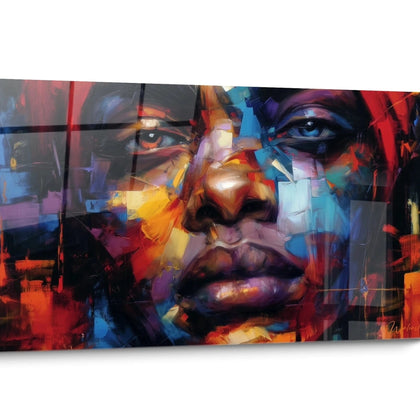 Abstract African Face Canvas Art20
artworks
Abstract African Face Canvas Art20
artworks
-
 African Face Profile Wall Art24
artworks
African Face Profile Wall Art24
artworks
-
 African Tribal Face Wall Art24
artworks
African Tribal Face Wall Art24
artworks
-
 Modern African Face Wall Art24
artworks
Modern African Face Wall Art24
artworks


All about African Face Black and White Wall Art
- African Face Artwork Black and White Presentation
- The Art of Monochrome African Portraiture
- Elevate Your Spaces with an African Face
- Symbolism and Decorative Impact
The black and white African face artwork embodies the timeless elegance of monochrome ethnic portraiture. This form of artistic expression captures the emotional intensity and cultural depth of African features through striking contrast between shadows and light. By eliminating color, the artist reveals the pure essence of the subject, highlighting every anatomical detail, every facial expression, and every identity marker with remarkable precision. These large-scale wall murals instantly transform a contemporary interior into a personal art gallery, offering a powerful focal point that dialogues with modern architecture. The monochrome format amplifies the visual presence of the portrait, creating dramatic tension that inexorably draws the eye and invites prolonged contemplation.
The Elegance of Monochrome Contrast in African Portraiture
The black and white African face artwork masterfully exploits the power of chromatic contrast to reveal the distinctive bone structure and captivating facial expressions characteristic of African physiognomy. The removal of color concentrates attention on tonal gradations, raking light effects that sculpt prominent cheekbones, noble foreheads, and penetrating gazes. This minimalist approach paradoxically amplifies the emotional impact of the portrait, transforming every expression line into visual narrative, every shadow cast into narrative element.
How does monochrome reveal the authenticity of African features?
The two-tone palette eliminates all chromatic distraction to reveal the natural geometry of African faces in their raw authenticity. Photographers and artists specializing in this genre use lateral lighting techniques that create spectacular modeling, accentuating skin texture, traditional scarification, or facial ornaments. These large-format wall compositions allow appreciation down to the finest details of micro-expressions that testify to the wisdom, dignity, or resilience of the portrayed subject.
Techniques of Visual Depth in Monochrome
Creators of black and white African face artworks master the art of chiaroscuro to generate striking three-dimensional impression. Unlike color representations that can flatten the image, monochrome stratified in multiple shades of gray creates atmospheric depth where the subject seems to literally emerge from the wall surface. This illusion of relief works particularly well in spaces with indirect lighting that naturally extends the artwork's own contrasts.
Emotional intensity amplified by the absence of color
Without the mediation of warm or cool hues, the monochrome African portrait establishes direct psychological connection with the observer. Visual psychology studies demonstrate that black and white favors more immediate emotional reading of facial expressions, the brain compensating for the absence of color through increased analysis of micro-expressions and facial body language. For collectors seeking contemporary African wall decoration, this emotional dimension constitutes a decisive argument, transforming the artwork into an almost living presence in domestic or professional space. If you appreciate graphic refinement, also explore our collection of abstract African face artwork that pushes formal stylization even further.
Architectural Integration of Monochrome African Portraiture
Installing a large-scale black and white African face artwork requires thoughtful consideration of the relationship between the work and its architectural environment. These monumental portraits function as sculptural interventions in space, creating visual dialogues with the room's structural elements. In industrial lofts with raw concrete or exposed brick walls, monochrome establishes natural tonal harmony while introducing the humanity and emotional warmth necessary to counterbalance material coldness.
Which spaces best showcase a large monochrome African portrait?
Reception spaces such as open living rooms, imposing entrance halls, or mezzanines particularly benefit from the presence of a monochrome African face in wall format. The natural verticality of human portraiture complements architectural elevation of cathedral ceilings or double heights, guiding the eye upward while visually anchoring the space. In high-end professional environments such as law offices, creative agencies, or boutique hotels, these works signal sophisticated cultural positioning and affirmed aesthetic sensitivity.
Staging Strategies for Monumental Wall Portraits
The large-format black and white African face artwork requires a clear wall area that functions as presentation stage. Interior designers recommend maintaining a visual perimeter of at least 50 centimeters around the work to preserve its maximum visual impact. Pairing with furnishings featuring clean, geometric lines reinforces the portrait's presence without creating visual competition. Noble materials such as tanned leather, ebony wood, or brushed metals establish material correspondences that enrich the reading of the whole composition.
Dialogue between monochrome and surrounding color palette
Contrary to common belief, a black and white portrait does not condemn you to entirely monochrome decoration. On the contrary, it functions as a chromatic neutralizer allowing bold color accents in furnishings or textiles without risking visual chaos. A mustard-yellow sofa, terracotta cushions, or an indigo rug can coexist harmoniously with a monochrome African face that absorbs and unifies these disparate elements. This decorative flexibility constitutes a strategic advantage for evolving interiors where color trends change without requiring replacement of the main artwork.
Symbolic Dimension and Cultural Resonance of African Portraiture
Acquiring a black and white African face artwork transcends mere decorative intent to inscribe itself in an affirmation of identity and assumed cultural positioning. These monumental portraits function as visual markers of contemporary pan-African sensibility, celebrating the phenotypic diversity of the continent while questioning dominant Western aesthetic canons. The choice of black and white adds timeless dimension that removes the work from passing trends, creating visual bridge between historical ethnographic photographic portraits and current urban artistic expressions.
What emotional presence does a large African face generate in an interior?
Owners of large-format black and white African face artworks regularly testify to a transformation of spatial atmosphere after installation. The direct or introspective gaze of the portrayed subject creates quasi-physical presence in the room, subtly modifying behaviors and social interactions. Living spaces become places of contemplation where guests are naturally drawn toward the work, triggering conversations about art, identity, and contemporary African aesthetics. This conversational dimension transforms the portrait into a social catalyst, well beyond its primary decorative function.
Representation of African Dignity and Nobility
The monochrome African portrait participates in deconstructing visual stereotypes by presenting faces imbued with dignity, wisdom, and inner strength. Artists often select subjects whose features—marked by age, experience, or cultural traditions (scarification, ornaments, elaborate hairstyles)—tell individual and collective stories. This narrative dimension transforms each work into a contemporary anthropological document, preserving and celebrating cultural expressions sometimes threatened by global homogenization.
Artistic investment and heritage appreciation
Discerning collectors consider large-format black and white African portraits as long-term cultural investments. The rarity of quality museum-level original pieces, combined with growing interest in contemporary African art on the international market, confers significant heritage appreciation potential on these works. Limited edition pieces numbered and signed by recognized photographers or artists constitute strategic acquisitions that combine daily aesthetic pleasure with medium-term economic relevance.
Does a black and white African face artwork suit all decorative styles?
Absolutely. The chromatic neutrality of black and white allows harmonious integration into environments as varied as minimalist Scandinavian style, urban industrial aesthetics, refined contemporary design, or even revisited classical interiors. The monochrome portrait functions as stylistic transition element, creating visual bridges between furnishings and accessories from different periods.
Why choose large format for a black and white African face artwork?
Large format exponentially amplifies the emotional impact and spatial presence of the portrait. A face represented at human scale or larger establishes a psychological relationship of equality or majesty with the observer, radically transforming perceptual dynamics. Anatomical details, skin textures, and micro-expressions become legible and create paradoxical proximity despite the physical distance of contemplation.
How to maintain a large-scale black and white African face artwork?
Wall portraits require minimal but regular maintenance. Monthly dusting with a dry microfiber cloth suffices to preserve contrast sharpness. Avoid direct exposure to sunlight, which can alter deep blacks over time. For humid rooms, prioritize formats protected by anti-UV and water-resistant treatments that guarantee artwork longevity in variable environmental conditions.


