


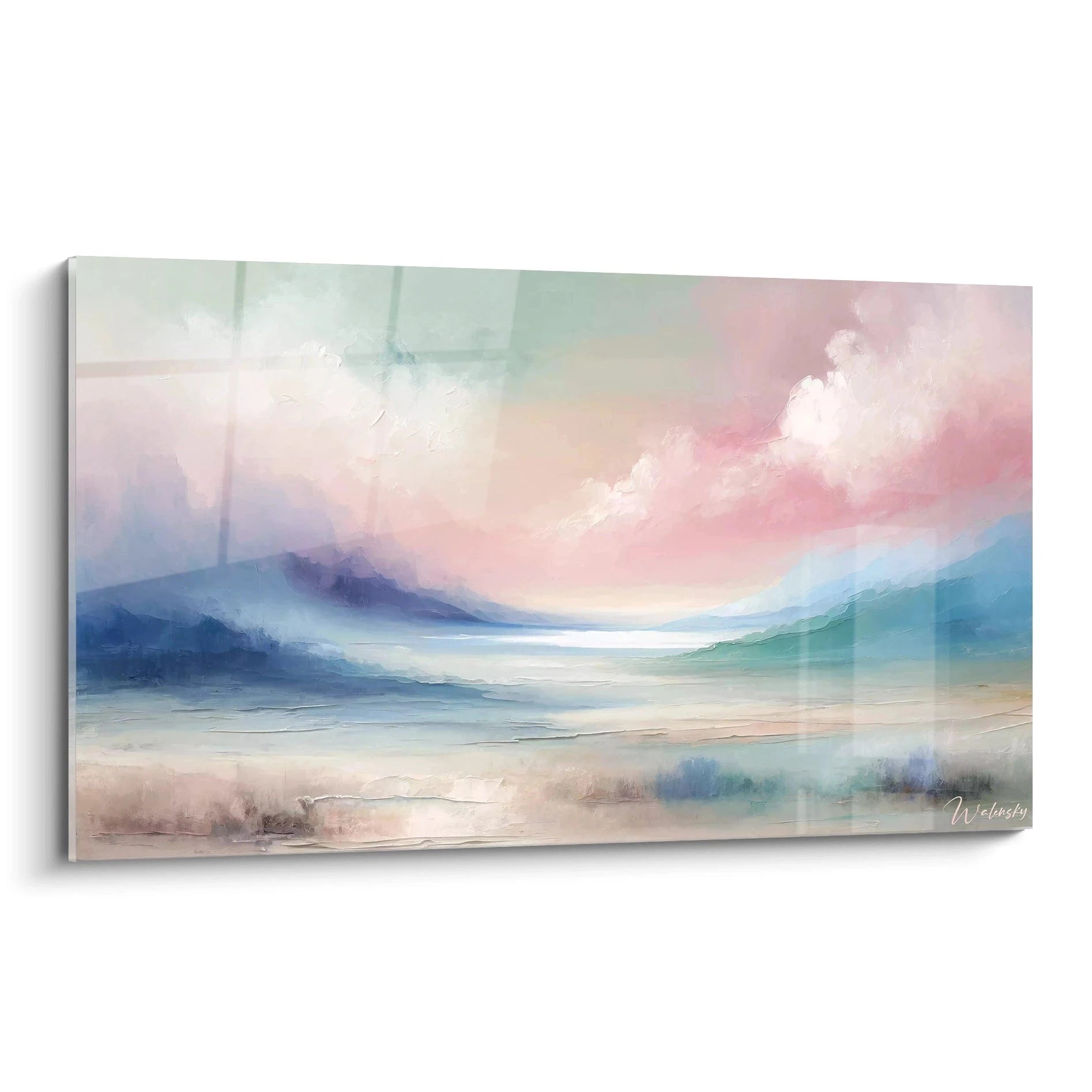


Landseer Dog Turquoise Wall Art
The Painting Dog Landseer Turquoise sublimates the majestic beauty of this iconic breed. This exclusive artistic collection captures the natural elegance of the Landseer with an enchanting turquoise palette, creating a soothing and sophisticated atmosphere. Each creation highlights the noble character of this dog Landseer wall art, perfect for canine art enthusiasts. Transform your interior with these artworks dog Landseer that bring refinement and serenity to your living spaces.
 Black and White Landseer Jumping in Brilliant Turquoise Water - Aquatic Momentum - Landseer Edition273,90 €
 Moving Landseer Dog on Turquoise and Coral Background - Artistic Dynamism - Landseer Edition273,90 €
 Landseer Dog Painting Grey and Turquoise Waters - Aquatic Majesty - Landseer Edition273,90 €
 Leaping Landseer Wall Art in a Whirlwind of Coral and Turquoise Colors Artistic Style - Unbridled Force - Landseer Edition273,90 €
 Landseer Painting with Vibrant Turquoise and Orange Hues - Faithful Portrait in Flamboyant Colors - Landseer Edition228,90 €
Explore further
In Landseer Dog Turquoise Wall Art
-
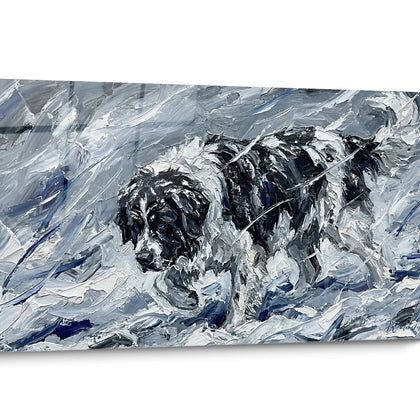 Landseer Dog Canvas33
artworks
Landseer Dog Canvas33
artworks
-
 Landseer Dog Painting Black and White9
artworks
Landseer Dog Painting Black and White9
artworks
-
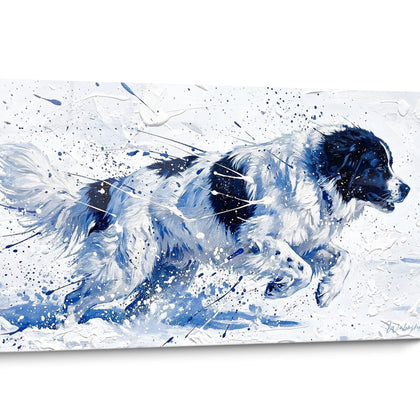 Landseer Dog Watercolor Wall Art3
artworks
Landseer Dog Watercolor Wall Art3
artworks
-
 Abstract Landseer Dog Wall Art4
artworks
Abstract Landseer Dog Wall Art4
artworks
-
 Landseer Dog Golden Painting5
artworks
Landseer Dog Golden Painting5
artworks
-
 Realistic Landseer Dog Painting6
artworks
Realistic Landseer Dog Painting6
artworks
-
 Landseer Dog Maritime Wall Art5
artworks
Landseer Dog Maritime Wall Art5
artworks
-
 Vintage Landseer Dog Wall Art4
artworks
Vintage Landseer Dog Wall Art4
artworks


All about Landseer Dog Turquoise Wall Art
- Turquoise Landseer Dog Wall Art Presentation
- Turquoise Elegance for Refined Interiors
- Majestic Character of the Landseer
- Large Format Turquoise Wall Decor
The turquoise Landseer dog wall art represents a remarkable fusion between the elegance of an emblematic canine breed and a contemporary color palette with profound aquatic tones. This large-format wall composition celebrates the nobility of the Landseer Newfoundland through an artistic prism where dominant turquoise brings freshness and sophistication. Designed to transform spacious living areas, this wall art asserts itself as a decorative masterpiece for enthusiasts of large-scale wall compositions seeking to honor the presence of this historic breed. Turquoise nuances offer a refreshing alternative to traditional representations, creating a striking visual dialogue between canine heritage and modern aesthetics.
The Chromatic Impact of Turquoise in Contemporary Interiors
The turquoise Landseer dog wall art establishes itself as a preferred decorative solution for spaces requiring visual breathing room. Turquoise tones bring the characteristic aquatic depth that evokes simultaneously the serenity of lagoons and the invigorating energy of glacial Nordic waters, creating an atmosphere paradoxically both soothing and stimulating.
Why choose turquoise dominance to represent the Landseer?
This bicolor Newfoundland breed historically maintains inseparable ties with the aquatic realm, excelling in maritime rescues. Turquoise visually translates this ancestral nautical essence while modernizing traditional canine iconography. This chromatic composition allows integrating animal tribute into design environments where classical tones seem outdated.
Harmonization with contemporary noble materials
Turquoise nuances dialogue remarkably with several materials prized in high-end interior design. The turquoise Landseer dog wall art particularly enhances interiors combining polished concrete with blue-gray reflections, white cerused oak furniture, cognac-patinated leather or brushed steel. These associations create sophisticated contrasts where canine representation integrates naturally into a thoughtful palette.
For those seeking an alternative interpretation, the abstract Landseer dog wall art offers a less figurative approach while preserving the characteristic essence of this emblematic breed.
Spatial psychology of large-format turquoise compositions
Installing a monumental work with turquoise dominance significantly modifies the volumetric perception of a space. This hue possesses the remarkable property of visually enlarging wall surfaces while creating a sensation of intimacy. The majestic animal subject simultaneously anchors the composition, avoiding the dispersion effect sometimes generated by abstract monochromes.
The generous formats recommended for this composition – exceeding 120 centimeters – guarantee immediate impact upon entering the room. This affirmed presence suits particularly cathedral-like living rooms, rehabilitated industrial lofts or residential entrance halls requiring strong identity markers.
The Presence of the Landseer Immortalized by Wall Art
Distinctive anatomy and artistic treatment of the bicolor Newfoundland
The turquoise Landseer dog wall art captures the impressive proportions that distinguish this specific Newfoundland variety from the classic breed. Its bicolor white and black coat, powerful build and gentle expression find new interpretive dimension when transposed into a turquoise chromatic register. This reinterpretation respects morphological codes while proposing an artistic vision freed from realistic conventions.
Artists generally favor the accentuation of characteristic muscle masses, the evocative texture of dense and waterproof coat, as well as the emblematic benevolent facial expression of this lineage. Turquoise treatment allows dramatically amplifying these anatomical particularities through reinforced interplays of light and shadow.
How does this representation honor the maritime heritage of the Landseer?
Named after British animal painter Edwin Landseer who immortalized these rescue dogs in the 19th century, this breed remains intrinsically linked to heroic nautical narratives. Turquoise reactivates this maritime dimension often obscured in terrestrial representations. The palette evokes the ocean depths these dogs instinctively brave to rescue the shipwrecked.
This original aquatic connection fully justifies the chromatic orientation, transforming a simple canine representation into visual allegory of the centuries-old bonds uniting this breed with marine elements. For sailing enthusiasts, coastal residences or maritime history passionate collectors, this work resonates with particular relevance.
Valorization of spaces dedicated to canine passions
Newfoundland or Landseer owners frequently seek artistic celebrations worthy of their companion. The turquoise Landseer dog wall art transcends simple framed photography to offer a conceptual interpretation elevating the breed to the rank of decorative icon. This approach suits particularly domestic spaces where refined aesthetics and assumed animal passion coexist.
The recommended monumental dimensions reflect the impressive actual stature of these peaceful giants, creating satisfying scale correspondence. A format smaller than 100 centimeters would not do justice to the characteristic body mass that visually defines this breed among the largest in the canine world.
Symbolism of the Landseer in modern domestic iconography
Beyond faithful representation, the Landseer conveys sought-after symbolic values: unwavering loyalty, quiet courage, selfless devotion and gentleness despite physical strength. The turquoise Landseer dog wall art updates these archetypes in contemporary visual language, allowing their integration into decorative universes distant from the traditional rustic register where these dogs habitually appear.
Integration Strategies for XXL Animal Wall Compositions
Privileged destinations for monumental turquoise formats
The turquoise Landseer dog wall art requires thorough spatial reflection to fully reveal its potential. Double-height living rooms constitute the ideal environment, offering the visual distance necessary to appreciate the overall composition. Main stairwell walls also benefit remarkably from these generous formats that accompany architectural verticality.
Spacious executive offices, high-end professional practices or premium waiting areas find in this work a balance between affirmed presence and accessible sophistication. Animal iconography transcends stylistic divisions while affirming memorable visual identity.
What furniture to associate with large-format turquoise animal composition?
The furniture placement under or near the turquoise Landseer dog wall art requires clear visual hierarchy. Deep sofas in emerald velvet or pearl gray create harmonious chromatic continuity without visual competition. Low horizontal walnut bookcases offer a stabilizing compositional base for these imposing vertical formats.
Streamlined metal consoles maintain focus on the primary wall work. Avoid multiplying peripheral decorative objects that would fragment the impact of this composition intended to dominate its immediate environment visually.
Architectural lighting to enhance turquoise nuances
Turquoise tones present particular sensitivity to light color temperatures. Neutral white LED spotlights (4000K) preserve chromatic fidelity without excessive yellowish or bluish alteration. Installing adjustable lighting rails allows experimenting with different incidence angles revealing variable textures and depths according to different times of day.
Indirect peripheral lighting creates a valorizing halo amplifying monumental presence without direct glare. This technique suits particularly reception space installations where the work becomes a natural focal conversation point.
Seasonal rotation and decorative renewal
Contrary to common assumptions, a large-format turquoise wall art accommodates peripheral decorative adjustments seasonally remarkably well. Winter textiles in terracotta or mustard bouclé wool create warm complementary contrasts. Summer periods harmoniously welcome natural fibers like cream linen or blonde jute amplifying the aquatic freshness of dominant tones.
This decorative flexibility contradicts the frequent argument that monumental animal compositions permanently freeze the visual identity of a space. The turquoise Landseer dog wall art functions as a stable chromatic anchor allowing precisely renewed accessory variations.
Patrimonial investment in contemporary animal art
Museum-quality canine representations experience constant revaluation on the decorative art market. Large formats combined with iconic subjects like the Landseer constitute enduring acquisitions transcending ephemeral trends. This patrimonial dimension justifies the initial investment for collectors prioritizing lasting value over fleeting fashion.
Is the turquoise Landseer dog wall art suited to minimalist Scandinavian interiors?
Absolutely, the turquoise palette harmonizes naturally with Scandinavian fundamentals: blonde wood, natural textiles and refined chromaticism. The animal subject brings emotional warmth sometimes absent from overly rigid Nordic interiors.
What minimum viewing distance to appreciate a large-format turquoise Landseer dog wall art?
Ideally plan a distance equivalent to 1.5 times the diagonal of the work for comfortable overall perception. For a 150-centimeter format, plan approximately 2.5 meters optimal viewing distance allowing simultaneous apprehension of the entire compositional ensemble.
How to clean a turquoise Landseer dog wall art without altering the pigments?
Use exclusively a dry microfiber cloth to gently dust the surface. Avoid any liquid product, even neutral ones, which could create irreversible halos on turquoise areas particularly sensitive to infiltrations.


