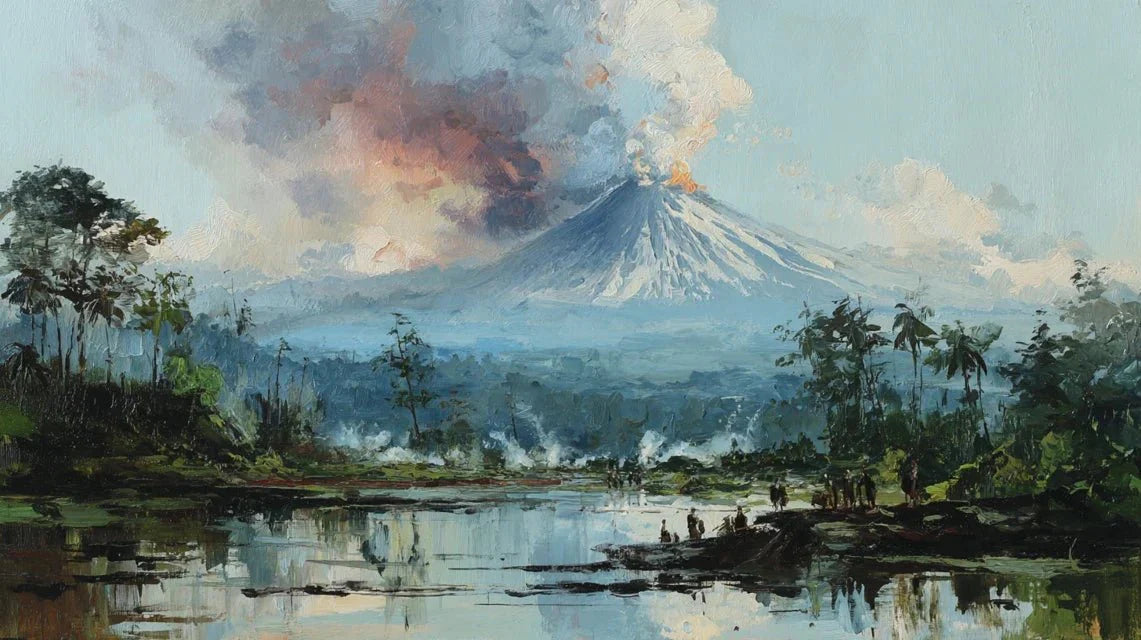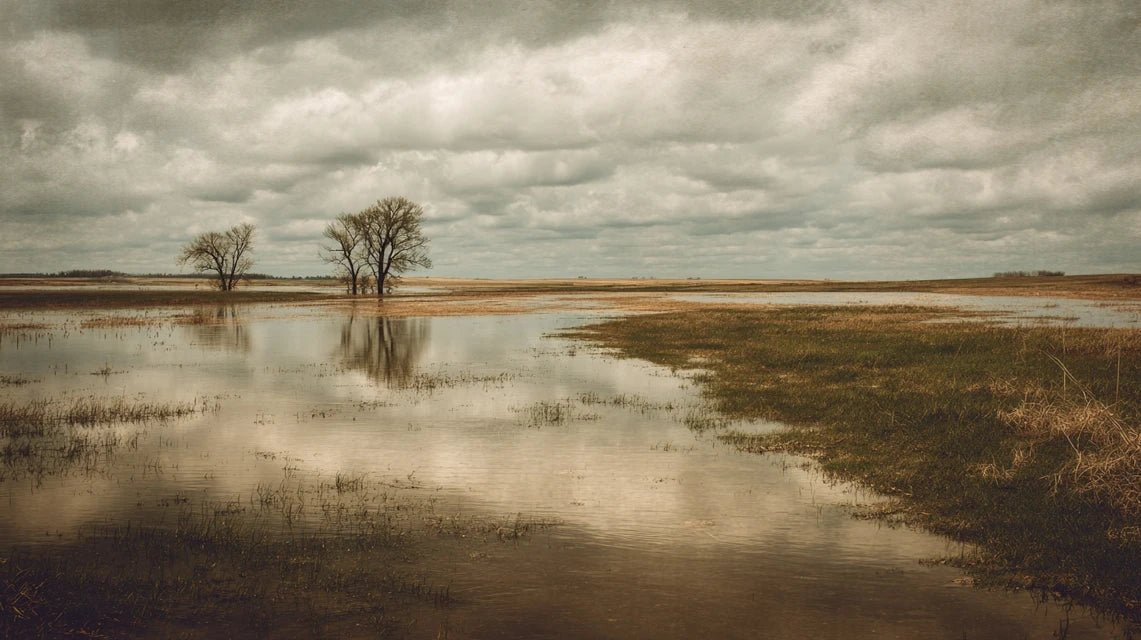
Flooded meadows offer a visual spectacle of rare intensity. These water-transformed expanses create ephemeral landscapes where reflections, changing lights and organic textures blend together. Capturing these aquatic environments takes more than just a click: it's about grasping the soul of these evolving territories. Between sky and earth, water acts as a natural mirror, multiplying artistic possibilities. Photographers and painters tackling these flooded meadow landscapes discover a unique field of expression, where each moment offers a different composition. Mastering this discipline requires a deep understanding of natural conditions and a particular sensitivity to humid atmospheres.
Light as a sculptor in flooded meadows
The low-angle light of morning or evening radically transforms the appearance of a flooded meadow. These privileged moments, known as golden hours, reveal subtle nuances in aquatic reflections. The calm water then becomes a perfect reflective surface, capturing the orange and pink hues of the sky. Experienced photographers prefer these moments when contrasts soften naturally. Morning mist adds a mysterious dimension, creating vaporous veils that envelop the emerging vegetation. For enthusiasts looking for inspiration, landscape paintings offer excellent examples of light treatment in these aquatic environments. Zenithal light, although less popular, can also produce interesting effects by accentuating the textures of the water and the patterns created by submerged vegetation. Observing light variations throughout the day becomes an essential exercise to anticipate the best shooting conditions.
Composing with reflections and natural symmetry
The reflections in the water constitute the signature element of flooded meadow landscapes. This natural duplication of the world offers fascinating symmetrical compositions. The challenge is to decide what proportion to give to reality and what proportion to the reflection in the framing. Some artists opt for a perfectly balanced division, creating a captivating visual ambiguity. Others prefer to break this symmetry by introducing disruptive elements: a ripple, an emerging branch, a bird crossing the frame. Isolated trees in the middle of the waters become favorite subjects, their silhouette multiplying in the liquid mirror. The management of sharpness also plays a crucial role: should you prioritize focus on the real subject or its reflection? This technical question becomes a major artistic decision. Clouds reflected create paintings within paintings, adding a vertiginous spatial depth to the final composition.
Capturing the subtle movement of water and vegetation
Unlike appearances suggest, a flooded prairie is never completely static. The wind creates delicate ripples that transform reflections into abstract impressions. Mastering shutter speed then becomes essential to visually translate this dynamic. A fast shutter speed freezes every detail of the small waves, creating a crystalline texture. Conversely, a long exposure smooths the water surface, giving it a silky and dreamlike appearance. The grasses and reeds partially submerged oscillate in the breeze, drawing organic patterns that are constantly changing. Some artists choose to capture this movement using panning or multiple exposures. Key elements to watch include:
- Concentric ripples created by insects or raindrops
- Trails of floating vegetation following invisible currents
- Water birds disturbing the surface as they move
- Wind variations instantly changing the appearance of reflections
This temporal dimension adds a narrative complexity to flooded prairie landscapes, telling the story of an ecosystem in constant evolution.
The color palette of temporary wetlands
The colors of a flooded prairie vary considerably depending on the season and time of day. In spring, the vibrant greens of new vegetation contrast with the deep blues of accumulated water. Autumn brings ochre, rust and golden tones, creating particularly photogenic warm harmonies. Winter sometimes transforms these spaces into frosted landscapes, where ice adds crystalline textures and silver reflections. White balance management dramatically influences the final atmosphere: cool tones accentuate the melancholic and mysterious character, while warm hues evoke serenity and peace. Dramatic skies reflected in the water amplify this color richness, especially during sunrise and sunset. Some photographers prefer the sobriety of monochrome treatments, which reveal the graphic structure of the landscape by eliminating color distraction. This approach highlights the tonal contrasts and subtle textures of the aquatic environment.
Integrating the ecological dimension into artistic representation
An inundated prairie landscape is more than just an aesthetic subject: it's a fragile and temporary ecosystem. Contemporary artists are increasingly integrating this ecological dimension into their creative approach. Capturing these spaces becomes an act of testimony to natural cycles and environmental transformations. The presence of migratory birds, amphibians or aquatic insects enriches the visual narrative. These living elements add scale and biological context to compositions. Some creators document the seasonal variations of a single location, creating series that tell the complete story of the flooding cycle. This approach raises public awareness of the importance of these wetlands, which are often threatened. Shooting techniques must respect the fragility of these environments: avoid excessive trampling, prioritize telephoto lenses for animal observations, choose non-invasive observation positions. The art of inundated prairie landscapes thus becomes a vector of environmental awareness, combining visual beauty and a relevant ecological message.
Capturing inundated prairie landscapes represents a complete artistic exercise that requires both technique and sensitivity. These ephemeral environments offer unique visual opportunities, where water radically transforms usual perspectives. Mastering light, reflections, movement and color allows creating works that transcend simple documentation. By also integrating an ecological awareness, the artist contributes to valuing these precious natural spaces. Each inundated prairie tells a different story, inviting a constantly renewed visual exploration.
Frequently Asked Questions
What is the best time to photograph an inundated prairie?
The golden hours, just after sunrise or before sunset, offer ideal light for capturing inundated prairies. The grazing light reveals reflections and creates soft atmospheres. A misty morning adds a particularly photogenic mysterious dimension. Also prefer days with dramatic clouds that reflect in the water.
How to manage reflections in prairie landscape compositions?
Reflections can be exploited in several ways: by creating perfect symmetry with a 50/50 division of the frame, or by breaking the balance with disruptive elements. Adjust your shooting angle to control the intensity of reflections. A calm water surface produces perfect mirrors, while slight ripples create interesting impressionistic effects.
What color palette characterizes inundated prairies?
Colors vary depending on the seasons: vibrant greens in spring, golden and ochre tones in autumn, silvery hues in winter. Reflections of the sky add deep blues or rosy tints depending on the time. White balance dramatically influences the atmosphere: cool tones for a melancholic effect, warm tones for a serene and soothing ambiance.