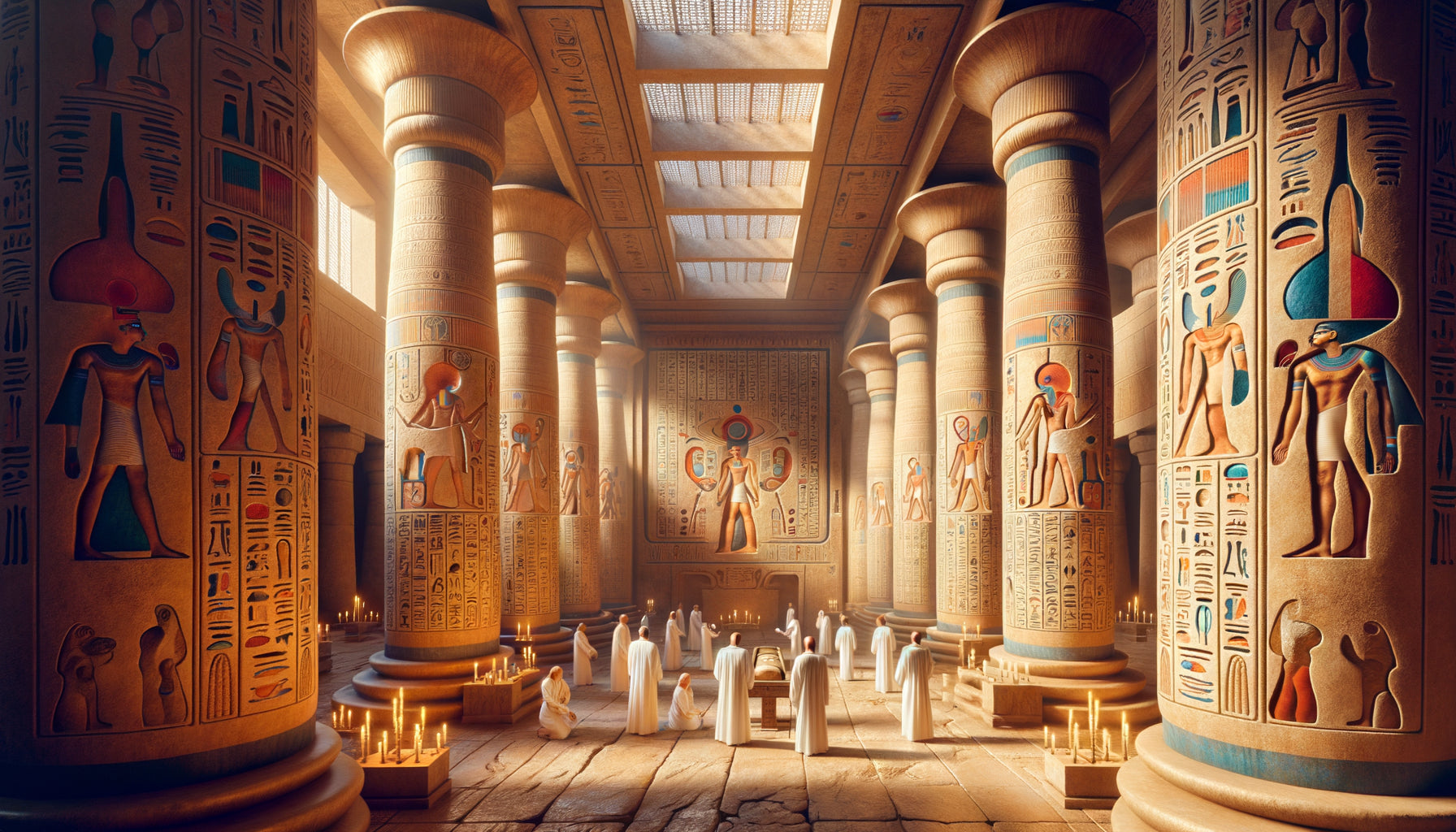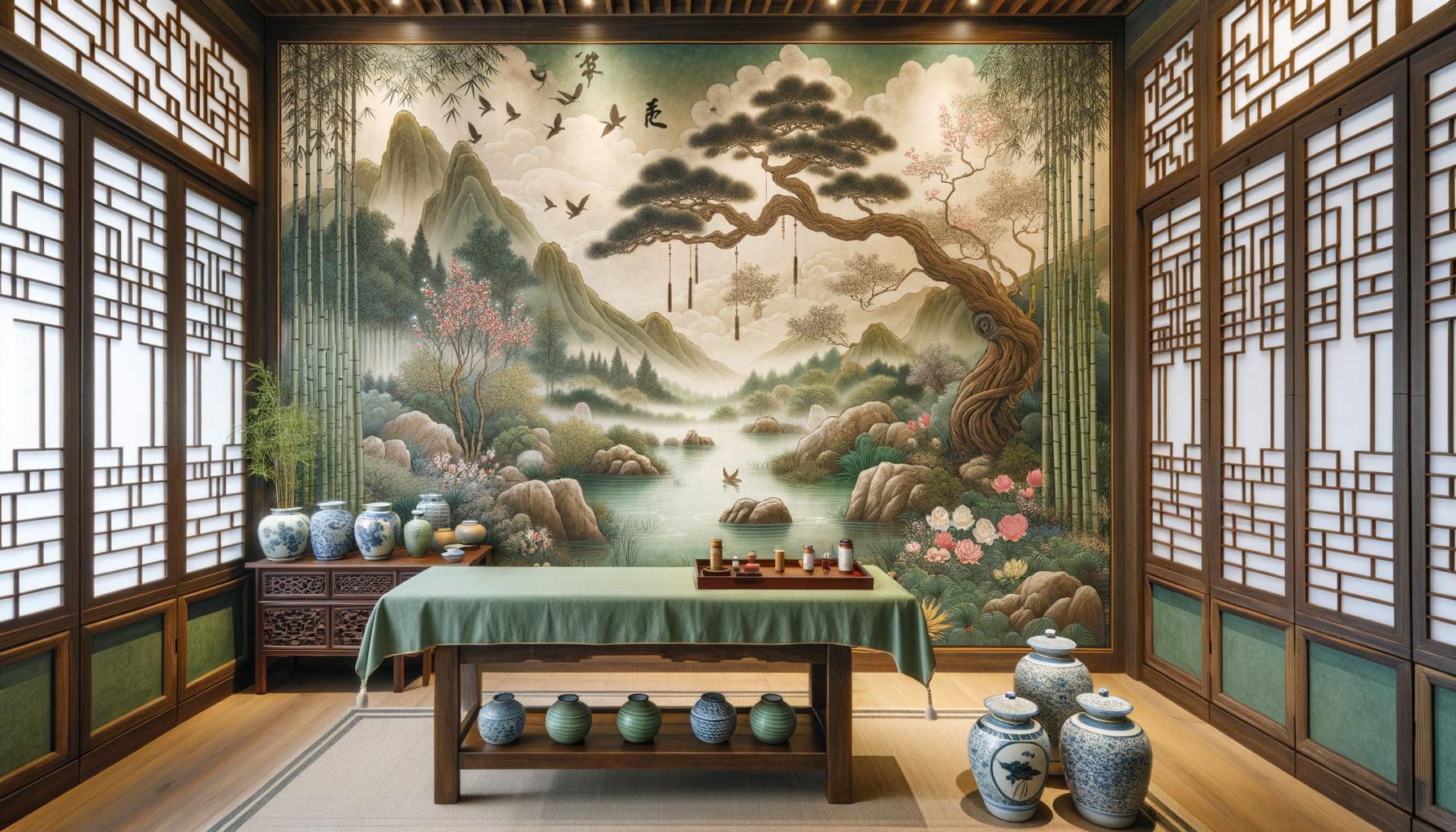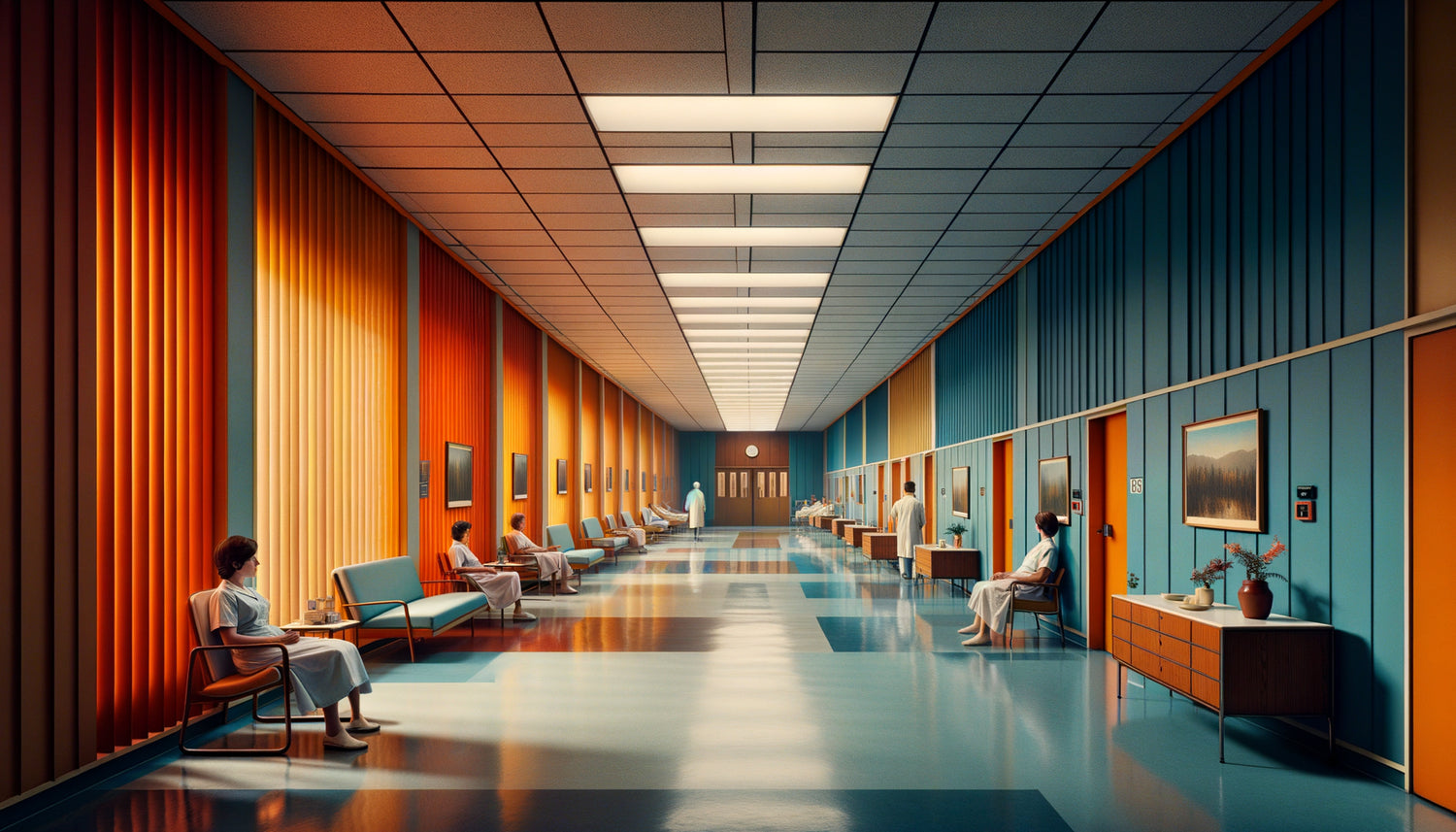
In 1968, something extraordinary was happening in the corridors of Massachusetts General Hospital in Boston. The aseptic white walls were giving way to immense colored surfaces that seemed to float in space. Oceanic blues, warm reds, bright yellows radically transformed the hospital environment. This silent revolution bore a name: Color Field painting, and it would redefine the way we design care spaces.
Here's what the influence of Color Field brought to American hospitals: a measurable reduction in patient anxiety thanks to soothing large chromatic surfaces, a humanization of medical spaces traditionally cold and impersonal, and a new understanding of the therapeutic power of pure color.
For decades, American hospitals looked like laboratories. White on white. Harsh lighting. Icy atmosphere. Patients felt diminished, anxious, reduced to their pathology. Hospital architects and administrators were desperately seeking solutions to soften these environments without compromising hygiene and functionality.
The meeting between the medical world and the Color Field art movement was not accidental. It responded to a humanistic urgency and took place in an era of profound social transformation. Let me tell you how this unlikely alliance changed the face of American medicine.
When Rothko meets hospital architecture
The Color Field movement, embodied by artists such as Mark Rothko, Barnett Newman and Helen Frankenthaler, explored color as a pure emotional experience. These monumental canvases, composed of large chromatic planes without narrative details, created a total sensory immersion. They invited contemplation, appeasement, a form of visual meditation.
Hospital architects in the 1960s, influenced by the modernist current and research in environmental psychology, quickly grasped the therapeutic potential of this approach. At Yale University, pioneering studies demonstrated that patients exposed to colorful environments recovered faster and consumed less analgesics.
The design of American hospitals then underwent a radical mutation. Architects began integrating murals with saturated hues into waiting rooms, bedrooms and even operating rooms. These colored surfaces, directly inspired by the Color Field, did not decorate the space: they structured it, creating zones of visual calm and emotional appeasement.
The psychology of color at the service of care
The influence of Color Field on hospital design was not simply aesthetic. It was based on a deep understanding of color psychology. Deep blues, characteristic of Rothko's works, were deployed in intensive care units to lower blood pressure and promote relaxation.
Bright yellows and warm oranges found their place in pediatric wards, stimulating optimism in young patients. Emerald greens, evoking nature and renewal, adorned rehabilitation centers. Each choice chromatique responded to a specific therapeutic goal, transforming the hospital into a global healing instrument.
Spaces that breathe
The genius of Color Field applied to hospitals lay in its ability to create espaces respirants. Unlike complex patterns or cluttered decorations, large monochrome surfaces offered a visual refuge for the tired eyes of patients. The eye could rest, the mind wander without being solicited by aggressive stimuli.
This minimalist yet intensely colorful approach contrasted radically with traditional hospital environments. Corridors became unwitting art galleries, rooms sanctuaries of healing. The mouvement Color Field had succeeded where functionalist architecture failed: to humanize medical space without denaturing it.

Iconic cases that set a precedent
The Rochester Methodist Hospital, in Minnesota, remains one of the most spectacular examples of this influence. In 1966, its extension integrated monumental wall panels in turquoise and coral tones, creating a resolutely non-institutional atmosphere. The testimonies of patients spoke of an unexpected feeling of sérénité inattendue, a decrease in preoperative apprehension.
In San Francisco, the Kaiser Permanente Medical Center adopted a palette inspired by the works of Helen Frankenthaler, with subtle gradations of pinks and mauves in the maternity wards. This gentle chromatic approach accompanied new mothers through a moment of emotional vulnerability, transforming the childbirth experience.
These hôpitaux américains des années 1960 became innovation laboratories where art and medicine merged. Architects collaborated directly with Color Field artists to design optimal therapeutic environments, marking a definitive break with the coldness of past hospital settings.
The contemporary legacy of a colorful revolution
The influence of Color Field on hospital design didn't remain confined to the 1960s. It laid the foundations for what we now call therapeutic design or healing environment design. Research in neuroaesthetics now confirms what these pioneers sensed: color directly affects our nervous system, hormone production, and emotional state.
Contemporary hospitals systematically integrate chromotherapy consultants and designers specializing in care environments. Patient rooms often have lighting systems that allow modulation of the chromatic ambiance according to individual needs, extending the spirit of Color Field into the digital age.
Bringing this philosophy home
This chromatic revolution in hospitals offers valuable lessons for our private spaces. If pure color can soothe an anxious patient in a medical context, imagine its power in your daily life. The principles of Color Field applied to design translate wonderfully into residential interiors.
An entire wall painted in a deep blue transforms a bedroom into a sanctuary of rest. A golden yellow surface in a workspace stimulates creativity without aggression. The minimalist approach of Color Field, with its large areas of uninterrupted color, creates an unparalleled sense of space and mental clarity.

How to integrate this therapeutic aesthetic
To recreate the soothing effect of Color Field-influenced hospitals, prioritize generous surfaces over small, scattered color accents. A full panel of wall in a saturated but calming shade will have infinitely more impact than an accumulation of multicolored decorative objects.
Opt for pure, unmixed colors that evoke the pigments used by Rothko or Newman. Avoid complex patterns: the strength of Color Field lies in its meditative simplicity. In a living room, a large panel of ultramarine blue will create a natural zone of contemplation. In an entrance hall, a warm ochre wall will welcome with kindness.
Lighting plays a crucial role. The artists of Color Field obsessively worked the light to reveal the emotional depth of their colors. In your interior, prioritize indirect light sources that caress colored surfaces rather than assaulting them, creating this characteristic floating color sensation.
Transform your space into a sanctuary of well-being
Discover our exclusive collection of wall art for medical offices that perpetuates the soothing legacy of Color Field in contemporary care spaces.
Towards emotionally intelligent architecture
The history of Color Field’s influence on American hospitals in the 1960s teaches us a fundamental truth: our environments shape our inner state. These visionary architects understood that healing is not limited to medication and surgery. The space itself can become therapeutic.
Today, as we spend most of our time indoors, this lesson resonates with renewed urgency. Our homes, offices, living spaces deserve the same chromatic attention as these pioneering hospitals. Each wall is an opportunity to create well-being, each color an invitation to emotional balance.
The Color Field movement reminds us that art is not decorative but essential. That beauty is not superficial but deeply linked to our psychological health. By integrating these principles into our daily spaces, we extend this silent revolution that humanized American medicine more than half a century ago.
Imagine yourself in your living room, surrounded by these soothing large expanses of color. Visualize the transformation of your state of mind after a stressful day, when your gaze rests on that deep blue that seems to absorb your tensions. That’s exactly what patients in those visionary hospitals felt. This therapeutic power of pure color is within your reach, in your own space.
Start modestly: choose a wall, a color that intuitively calls to you. Let it breathe, without cluttering it with frames or shelves. Observe how it subtly changes your mood, your energy, your perception of space. You have entered the living legacy of Color Field and its silent revolution of well-being through color.