


Wall Art for Tropical Spa
Our Tropical Spa Painting collection transforms your wellness space into an exotic sanctuary. Immerse yourself in a paradisiacal atmosphere with works evoking tropical lushness, turquoise waters, and the serenity of islands. Perfect for creating a spa decor tropical ambiance, these wall creations bring a touch of escape and tranquility. Ideal for institutes, massage centers, or bathrooms, they invite deep relaxation. Explore our zen tropical wall art to transform each session into a soothing sensory journey.
 Monstera Wall Art N°1 - Nature Edition273,90 €
 Hibiscus Wall Art No. 2 - Nature Edition273,90 €
 Hibiscus Painting No. 1 - Nature Edition273,90 €
 Jungle of Colors Wall Art - Palm Tree Nature Edition273,90 €
 Lagoon and Palm Trees Wall Art - Beach Landscape Edition273,90 €
 Mystery Jungle Painting - Jungle Landscape Edition273,90 €
 Enchanted Forest Wall Art - Nature Edition273,90 €
 Tropical Underwater Wonder Canvas - Limited Edition🥇273,90 €
 Golden Mirage Under Cobalt Sky - Signature Edition273,90 €
Explore further
In Wall Art for Tropical Spa
-
 Wall Art for Spa449
artworks
-
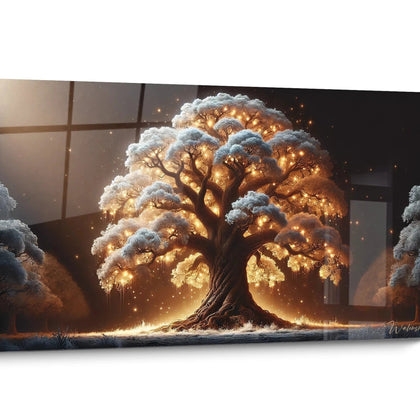 Zen Spa Wall Art24
artworks
-
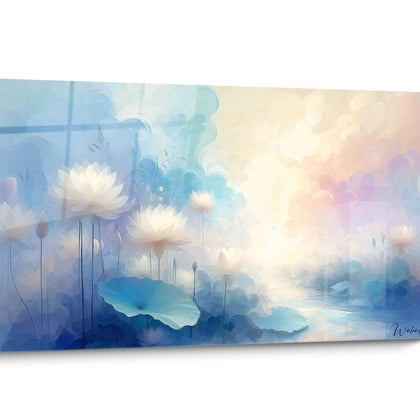 Abstract Spa Wall Art24
artworks
-
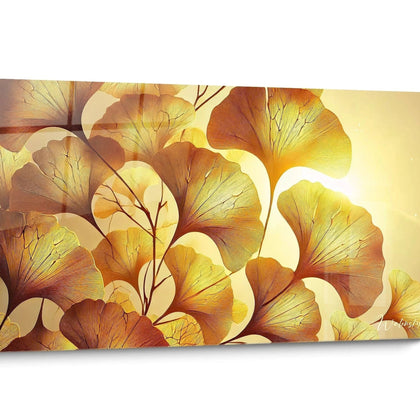 Golden Spa Wall Art24
artworks
-
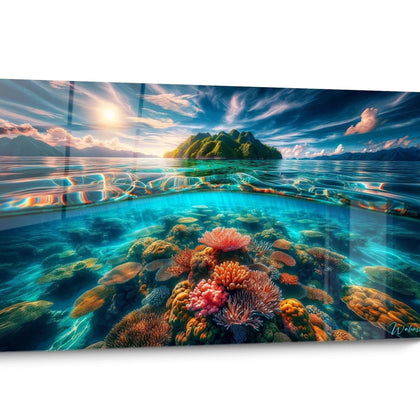 Turquoise Spa Wall Art20
artworks
-
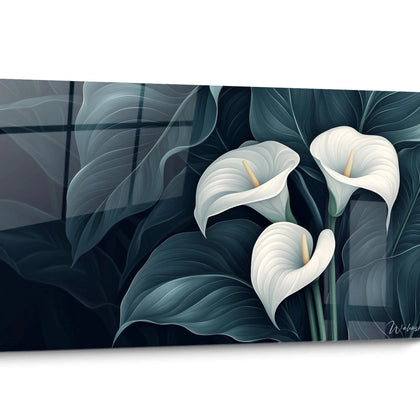 Floral Spa Wall Art24
artworks
-
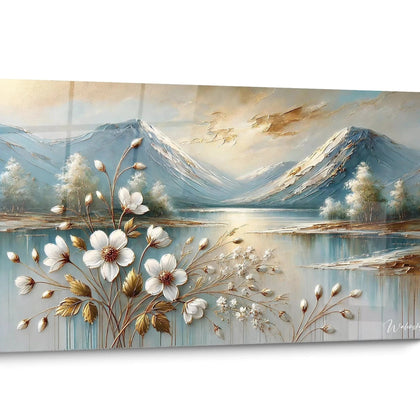 Modern Spa Wall Art21
artworks
-
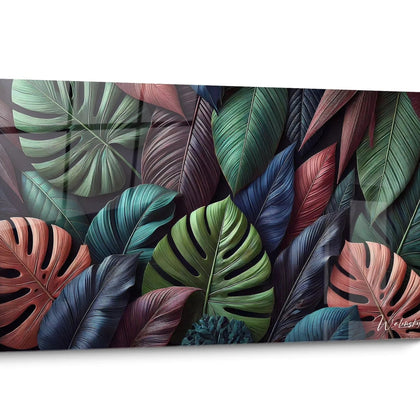 Minimalist Spa Wall Art12
artworks
-
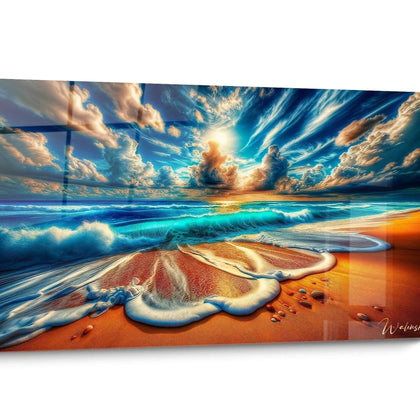 Sunset Wall Art for Spa9
artworks
-
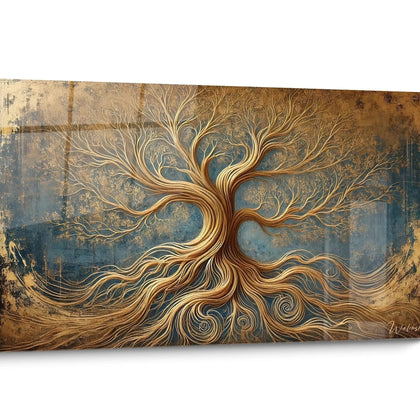 Wall Art for Spa Tree12
artworks
-
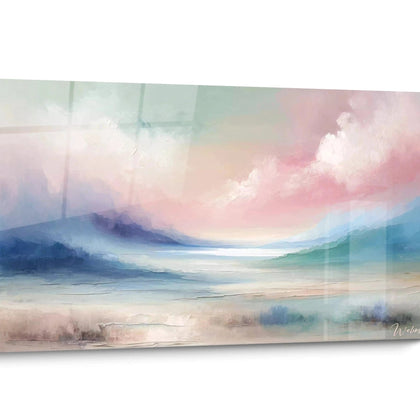 Mountain Spa Wall Art5
artworks
-
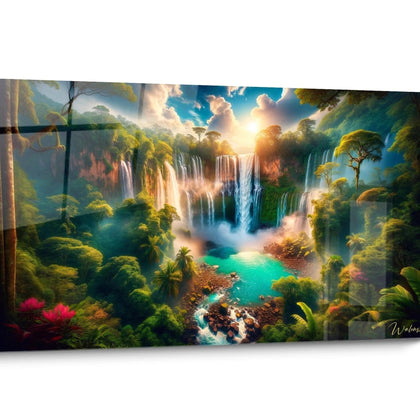 Spa Cascade Wall Art4
artworks

All about Wall Art for Tropical Spa
- Painting Presentation for Tropical Spa
- Soothing Tropical Atmospheres
- Materials Suitable for Humid Environments
- Sensory Impact in Relaxation Areas
A painting for a tropical spa transforms the atmosphere of your wellness space into an exotic sanctuary where palm trees, turquoise lagoons, and lush vegetation transport your clients to paradisiacal destinations. These XXL wall creations, specifically designed to withstand the extreme conditions of humid areas, combine tropical aesthetics and technical durability to enhance treatment rooms, massage rooms, and relaxation areas. Tropical imagery generates a measurable physiological response: slowing of heart rate, decrease in cortisol, instant muscle relaxation thanks to the dominant green and blue hues that evoke preserved nature and immediate escape.
The tropical universe as a vector of therapeutic escape in a spa
Tropical visuals deployed in large format in treatment areas immediately activate the neurobiological mechanisms of relaxation. Unlike paintings for a spa abstract which solicit intellectual interpretation, imagery of distant islands, equatorial forests, or deserted beaches triggers an instinctive recognition associated with vacations and total disconnection.
Why does the tropical theme facilitate sensory immersion?
The representation of tropical landscapes generates what neuroscience calls "mental teleportation": the brain processes these visuals as promises of escape, releasing endorphins and serotonin even without real exposure. Iconic elements such as swaying palm trees, refreshing waterfalls, exotic birds, or hibiscus flowers create a coherent visual narrative that naturally guides the mind towards a meditative state.
Tropical color selection to optimize deep relaxation
The painting for a tropical spa favors gradations of emerald green and lagoon blues that biologically slow down brain waves. Touches of coral, orchid, or yellow sun act as measured energetic accents, preventing excessive drowsiness while maintaining serenity. This palette reproduces the colorimetric balances of real tropical ecosystems where dense vegetation absorbs 70% of the light while allowing golden rays to filter through.
Dense plant compositions versus purified marine landscapes
Two schools dominate tropical aesthetics for spas: lush jungle compositions with giant monsteras, arboreal ferns, and intertwined vines create a protective cocoon ideal for long massages, while ocean views with clear horizons and crystalline waters are suitable for short treatments requiring mental clarity. XXL panoramic formats amplify these effects by eliminating any visual boundary between the spa's enclosed space and the suggested tropical escape.
Narrative integration in the spa customer journey
An XXL tropical painting strategically positioned in the waiting room psychologically prepares the client to let go from their arrival. In the treatment room, this visual becomes a meditative anchor during facial treatments or body wraps where the eyes remain open. In transitional areas such as corridors or dressing rooms, these representations maintain the continuity of the tropical sensory journey, avoiding abrupt disruptions that would reactivate daily stress.
Manufacturing technologies resistant to humid environments
The technical particularity of a tropical spa painting lies in its ability to preserve chromatic brilliance and structural integrity despite continuous exposure to relative humidity regularly exceeding 70%, projections of essential oils, and significant temperature variations. Specialized industrial processes guarantee a professional lifespan of 7 to 10 years in extreme conditions.
How do hydrophobic treatments protect tropical prints?
UV inks of the latest generation used for these wall creations incorporate hydrophobic polymers that actively repel water molecules, preventing any capillary penetration likely to cause warping or discoloration. The supports themselves undergo complete polymerization creating a semi-rigid surface insensitive to hygrometric deformations, unlike traditional supports which absorb ambient humidity like sponges.
Chromatic stability of tropical hues in aqueous environments
Tropical greens and turquoise blues, particularly sensitive to photodegradation and wet oxidation, require pigments encapsulated in protective resins. This technology preserves the intensity of the colors even after 10,000 hours of exposure in atmospheres charged with active oxygen and eucalyptus or peppermint vapors. The visuals retain their perceptual depth without shifting towards dull or yellowish tones.
Anti-corrosion fixing systems for humid areas
Standard metal fixings rust quickly in spas, compromising safety and aesthetics. Professional tropical paintings integrate systems made of 316L stainless steel or aluminum alloys treated against galvanic oxidation. The attachment points are positioned to create a 15-20mm air gap between the wall and the artwork, promoting air circulation that evacuates condensation and prevents the development of invisible mold on the back surfaces.
Simplified maintenance of monumental tropical surfaces
The maintenance of an XXL painting in a tropical spa is limited to a bi-weekly wipe with a damp microfiber cloth and pH 7 neutral solution, without any abrasive product. Anti-adhesive surface treatments prevent airborne massage oil residues from becoming embedded in the visual texture. This ease of maintenance guarantees optimal profitability for spa operators where staff are prioritized for client care rather than decorative maintenance.
Complete sensory orchestration around tropical imagery
A painting for a tropical spa never functions in isolation but as a central element of a multisensory strategy where visuals, sounds, fragrances, and temperatures converge to create a total immersive experience. Tropical imagery guides other sensory choices by establishing a thematic consistency that the brain immediately identifies as authentic or artificial.
Synchronization of sound atmospheres with tropical visuals
When a painting depicts a tropical waterfall or a beach with surf, the brain unconsciously expects to perceive corresponding aquatic sounds. The absence of audio-visual coherence creates a cognitive dissonance that prevents complete relaxation. Professional installations couple tropical visuals with biomimetic soundscapes: tropical bird songs, rustling palm leaves, lagoon lapping recorded in spatial high definition to create a three-dimensional acoustic bubble.
What light intensity enhances the details of a tropical landscape ?
The tropical paintings XXL reveal their chromatic subtleties under indirect lighting of 150-250 lux, reproducing the subdued brightness of equatorial undergrowth. Light sources oriented at 30-45° from the ceiling avoid annoying reflections while sculpting the visual textures of foliage and water. Warm white 2700-3000K LEDs enrich green and golden tones while cool whites of 4000K+ favor oceanic blues and aquatic nuances.
Aromatic protocols aligned with tropical plant imagery
A humid tropical forest visual naturally calls for diffusions of essential oils of ylang-ylang, vetiver or patchouli which olfactorily evoke lush vegetation. For tropical marine scenes, notes of monoï, tiaré flower or citrus fruits create a sensory redundancy that amplifies the mental teleportation effect. This multisensory consistency can increase customer post-treatment satisfaction by 40% according to behavioral studies in spa resorts.
Creation of distinct psychological zones through thematic rotation
Premium spas use different tropical paintings to functionally differentiate their spaces: Polynesian atmospheres with pristine beaches and turquoise waters for passive rest areas, tropical forests dense with Amazonian or Southeast Asian vegetation for deep massage cabins requiring concentration and grounding, tropical zen gardens with lotus ponds for pre or post-treatment meditation spaces. This visual segmentation intuitively guides behaviors without intrusive signage.
Is a tropical painting suitable for urban spas without an exotic theme?
Absolutely, because tropical imagery precisely creates the desired contrast in a dense urban environment. The tropical painting for spa acts as a visual antidote to the external concrete environment, offering the maximum escape sought by stressed urban customers. Its effectiveness is even greater in urban contexts where the need for mental disconnection reaches its peak.
What is the minimum wall surface area for an optimal impact of a tropical painting?
To generate the characteristic immersive effect, a XXL tropical painting must occupy 30-40% of the surface of the main visible wall from the treatment position. In a minimum size of 200x100cm, it creates the necessary peripheral visual field so that the brain unconsciously integrates the landscape as a real environment rather than simple wall decoration.
Do tropical paintings require regular renewal to maintain their effectiveness?
Technically, a professional-grade painting retains its physical properties for a decade. Psychologically, a biennial rotation between different tropical scenes (dense jungle, paradise beach, waterfall, botanical garden) avoids visual habituation which gradually decreases the emotional impact. This rotation maintains the element of surprise and renews the interest of regular customers.
Further reading
Our articles on this topic
- Create a Vacation Atmosphere at Home with Wall Art
- Installing an artwork in the bathroom or shower room: why not?
- Painting on rigid panel or stretched canvas: which is more stable in a humid environment?
- Do Water-Themed Artworks Enhance a Spa Atmosphere?
- Spa & Relaxation Artwork: Humidity-Resistant Art for Serenity
- Creating a home spa ritual: the role of the painting in the sensory atmosphere of the bathroom
L'art qui suscite l'envie
Maison belge d'art mural grand format
14 jourspour changer d'avis*
Protection Walenskyincluse
Fabriquéen Italie
FormatXXL
Kit de fixationtoujours fourni
* Hors tableaux personnalisés et tailles personnalisées


